REVIEW · HOI AN
Discover Traditional Silk Process in Hoi An Silk Village
Book on GetYourGuide →Operated by Viet Nam Happy Travel · Bookable on GetYourGuide
Silk starts with feeding worms. In Hoi An Silk Village, I love the clear chain from mulberry garden to cocoon-making, plus the live weaving you can watch step by step, and there’s one drawback: it moves fast at about 50 minutes, so plan to shop with focus rather than browse for an hour.
You’ll get an English-speaking guide who can translate what you’re seeing into simple, practical takeaways. In past tours, guides like Thu and Tsu were called out for clear English and a patient pace, which makes this feel more like a guided lesson than a rushed showroom.
In This Review
- Key takeaways before you go
- Silk Village in Hoi An: A 50-Minute Look at Sericulture
- Quang Nam’s Traditional House and the Mulberry Story
- Mulberry Gardens and Silkworm-Breeding House: From Leaf to Cocoon
- Unraveling the Cocoon: How Silk Thread Becomes Cloth
- Champa and Dai Viet Weaving Traditions in Action
- Pure Silk vs Fake Silk: How to Shop Smarter in Hoi An
- Shopping for Silk Shirts and Tailoring: Worth It, But Know What You Like
- Practical Stuff: Meeting Point, What to Wear, and Who Should Go
- Is Viet Nam Happy Travel’s Silk Process Tour Worth Booking?
- FAQ
- How long is the Traditional Silk Process in Hoi An Silk Village tour?
- How much does the tour cost?
- What is included in the price?
- What is not included?
- Where is the meeting point?
- Is there an English guide?
- Does the tour skip the ticket line?
- What should I wear or bring?
- Can I bring luggage or large bags?
- Is the tour refundable and can I pay later?
Key takeaways before you go
- A short, structured 50-minute loop that hits garden, breeding, unraveling, and weaving
- Mulberry to cocoon workflow shown with traditional methods you can actually picture
- Weaving demonstrations that connect the materials to the final fabric
- A practical lesson on pure silk vs fake silk before you spend money
- A visit to a Quang Nam old weaving factory context that explains where mulberry growing fits in
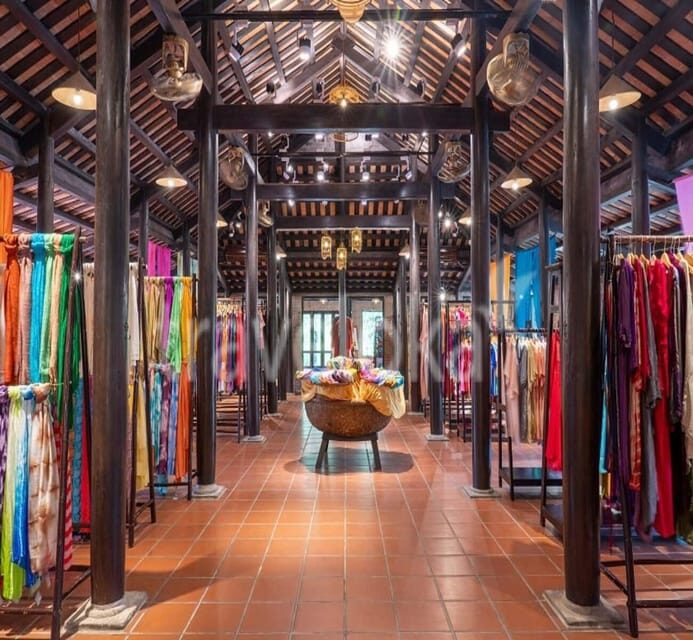
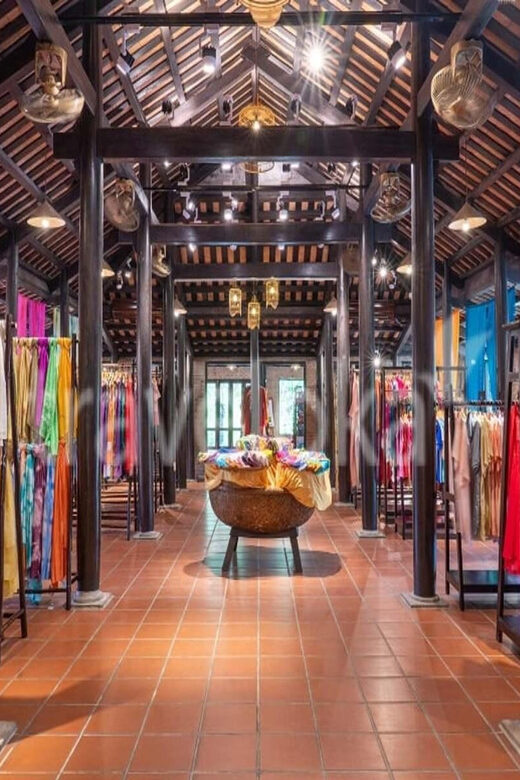
- On-site shopping and tailoring-ready fabrics, plus a site cafe if you want to linger
Silk Village in Hoi An: A 50-Minute Look at Sericulture
If you like your travel with a little hands-on reality, this is a great fit. The Hoi An Silk Village tour is designed to show you the whole silk-making story in a tight timeline: you see what starts the process, how cocoons turn into thread, and what weaving looks like when the material is ready.
The price also makes sense for what you get. For $11 per person over roughly 50 minutes, you’re paying for an English guide, an entrance ticket, and a bottle of water, plus the time-saving benefit of skipping the ticket line. If you plan to buy silk in Hoi An anyway, the education here can help you spend more confidently.
One more thing: this isn’t an outdoor tour marathon. You’ll be walking around different indoor/outdoor areas, so comfortable shoes matter, but you won’t need to train for it. Still, the visit is quick, so don’t expect deep museum-style pacing.
You can also read our reviews of more tours and experiences in Hoi An.



Quang Nam’s Traditional House and the Mulberry Story
The tour begins with a welcome drink, then you head to a traditional house in Quang Nam to hear the craft background. This stop matters because silk is not just a product. It’s an ecosystem of labor, farming, and know-how, and that’s what the early context is trying to set.
From there, the focus shifts toward mulberry growing and the weaving world that grew around it. The tour highlights that this silk village preserves handmade weaving methods reaching back to the Champa – Dai Viet era. Even if you don’t know the history yet, you can feel how the story builds: mulberry first, then silkworms, then thread, then fabric.
A small practical note: timing can be affected if groups arrive at the same time, like school groups. If you have a tight schedule later the same day, it’s smart to keep a little buffer.
Mulberry Gardens and Silkworm-Breeding House: From Leaf to Cocoon
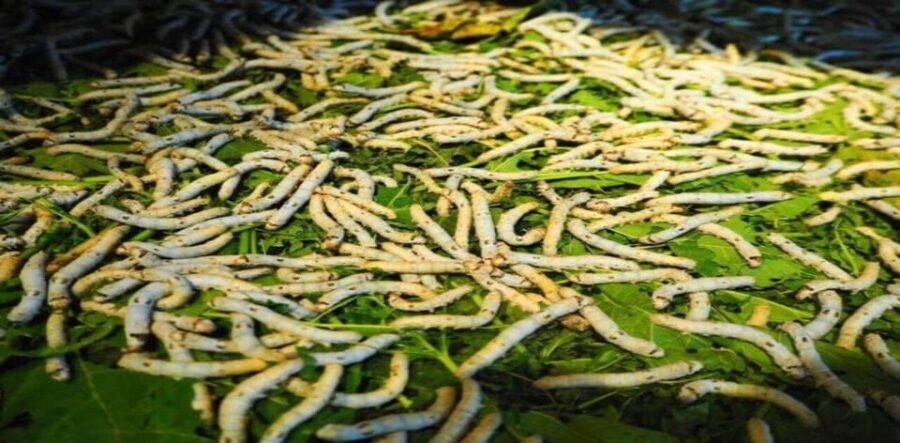
This is where the tour earns its reputation as more than a sales pitch. You visit ancient mulberry gardens and then the silkworm-breeding house, where you learn how silkworms are fed and how cocoons are handled using traditional methods.
What I like about this segment is the cause-and-effect teaching. You can see the chain clearly: the right leaf feeding leads to healthy cocoon production. And once cocoons are ready, you’ll understand how cocoons are processed to get usable silk thread.
One important point you should know upfront: at this stage, the cocoon-making involves silkworms, and the process means they don’t survive once cocoons are prepared for thread. If you’re sensitive about that, you’ll want to mentally prepare before the tour gets to the extraction portion.
This part also helps you appreciate why silk fabric feels different from synthetic look-alikes. The fabric’s texture and drape come from how the thread is made, not just from the final dye job.
Unraveling the Cocoon: How Silk Thread Becomes Cloth
Next comes one of the most memorable steps: learning how you get silk thread from the cocoon. The tour calls this out through a stop sometimes described as the unraveIing or cocoon-to-thread house, where the goal is to show the conversion process in plain terms.
This is the moment where you go from seeing silk as a shiny fabric to understanding silk as a structured material. Thread extraction is not just a technical step. It’s the bridge between nature work (mulberry and worms) and the craft work (weaving and finishing).
If you’re the kind of person who asks questions, this is a good place to do it. Past guides have been described as patient, and the process is visual enough that even quick answers help you follow along.
And yes, you may still want to ask about what you’re seeing, especially around how threads are prepared before weaving. When the guide can explain in English clearly, the whole logic of the craft clicks faster.
Champa and Dai Viet Weaving Traditions in Action
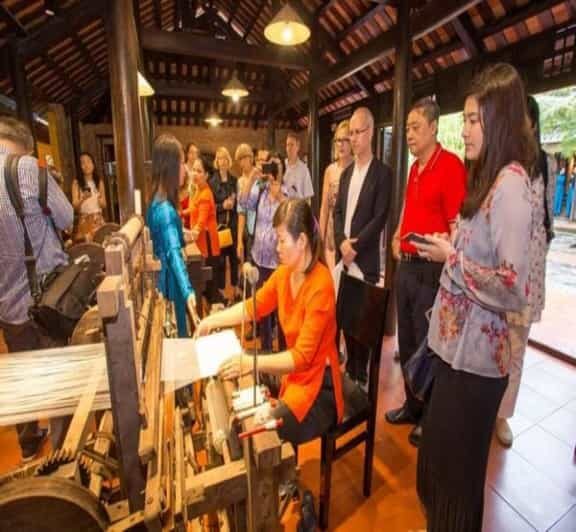
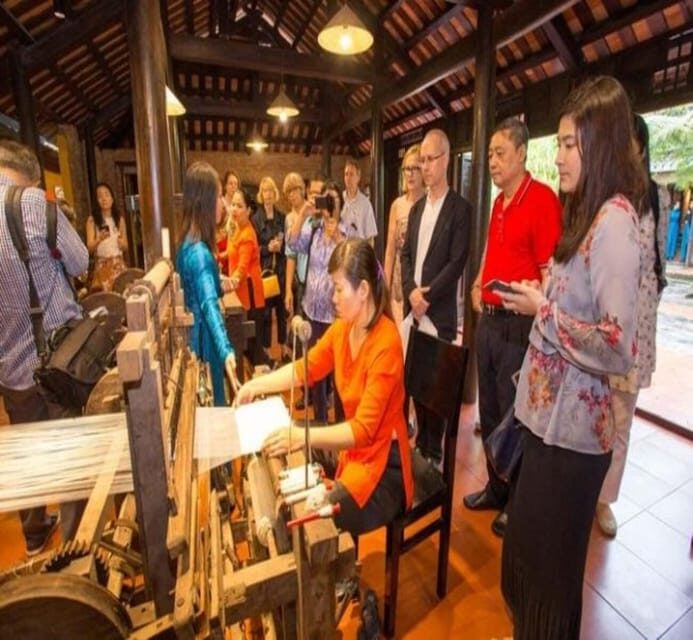
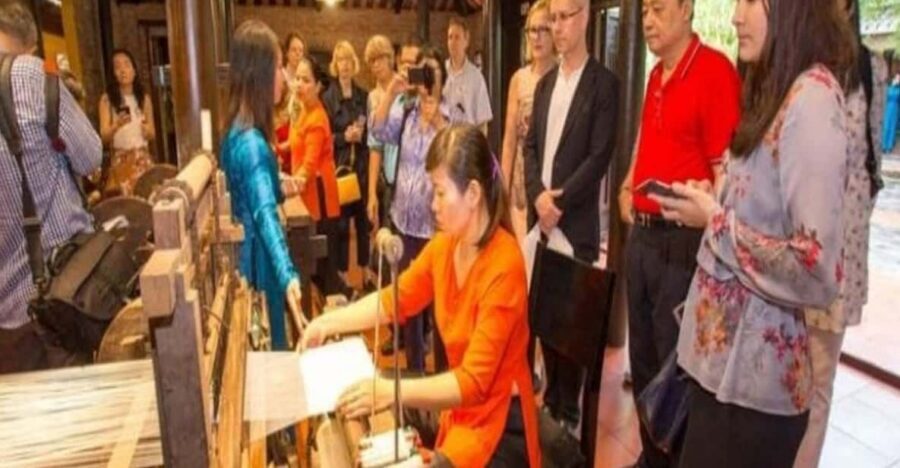
After the thread is explained, you shift into the weaving world. The tour walks you through a Vietnamese traditional silk weaving house and connects it to the crafting traditions preserved from the Champa to Dai Viet eras.
This segment tends to impress most people because it shows weaving as a living skill, not a static display. Workers weave silk into fabrics, and you see how the craft translates thread into patterns and usable cloth.
It’s also a chance to understand why handmade silk is hard to fake in everyday life. Even when printed patterns look similar, the foundation and thread quality influence how the fabric handles light and how it feels. The tour doesn’t just show the craft; it teaches you to recognize what matters.


Pure Silk vs Fake Silk: How to Shop Smarter in Hoi An
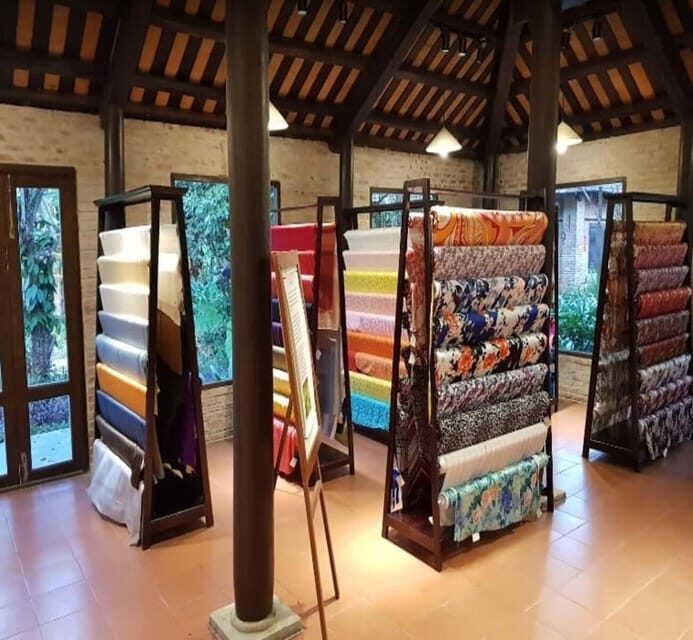
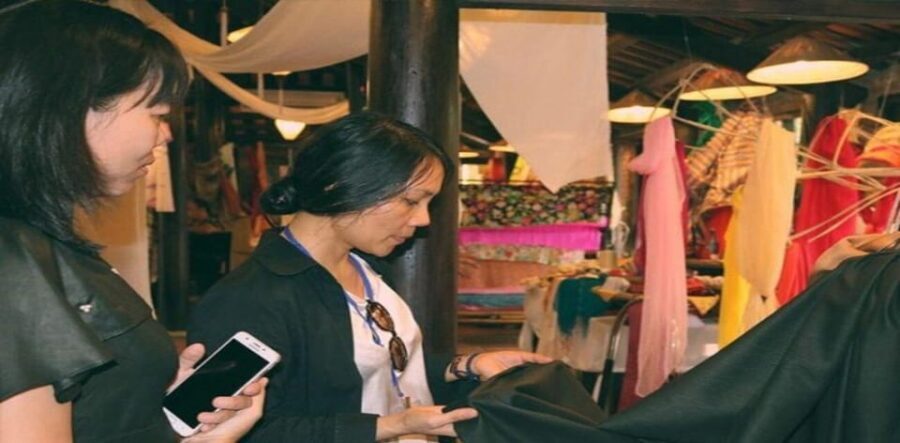
One of the most practical stops is the Hoi An Silk Village exhibition, where you learn the difference between pure silk and fake silk fabric. This is the part that can save you money, especially if you’ve been warned about knockoffs in other markets.
I like this teaching approach because it’s meant to be used immediately. You finish the lesson with the fabric in front of you, so you can compare what you remember about silk qualities versus what looks similar but isn’t.
This doesn’t mean you have to become a fabric scientist. It means you’ll shop with a checklist in your head: you’ll notice the things the guide trains your eyes to spot.
Shopping for Silk Shirts and Tailoring: Worth It, But Know What You Like
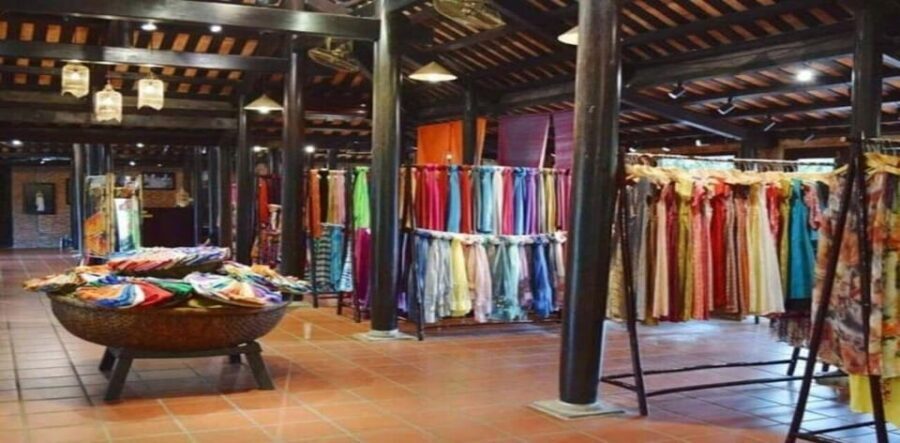
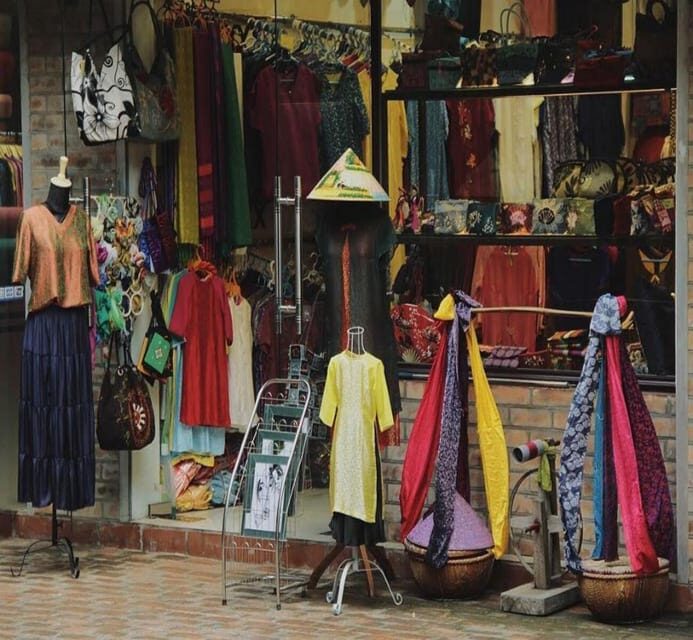
Shopping is part of the experience here, and many people leave with something small or tailored. The quality of silk items has been praised, including silk shirts described as excellent quality. If you’re already thinking about a gift or a custom outfit, this is a good moment to ask questions before you decide.
Still, here’s the balanced reality: the product selection and print styles may not match every taste. Some buyers found the print variety overly busy with limited choice, so if you’re picky about color combinations, don’t assume there will be a perfect option waiting. Consider focusing on plain or subtle designs, or use the education part of the tour to guide your final choice.
Also, shop smart with timing. Because the tour is only about 50 minutes, you’ll want to keep your shopping decisions tight. If you want to see everything in the shop, arrive with a plan: what you want, your rough budget, and whether you’re open to tailoring.
One helpful bonus: there’s often a cafe on site, so if you’re not ready to sprint into shopping right away, you can grab a drink and reset before you browse.
Practical Stuff: Meeting Point, What to Wear, and Who Should Go
This is the kind of tour that fits well into a first visit to Hoi An, especially if you want something more meaningful than another quick market stop. It’s also great if your group includes different ages: the material is visual, and the guide can keep the pace friendly.
Plan for these basics:
- Meeting point: 28 Nguyen Tat Thanh, Hoi An, Quang Nam, Viet Nam
- What to bring: comfortable shoes and comfortable clothes
- Not allowed: luggage or large bags
- Not suitable for: people with mobility impairments or wheelchair users
Duration is about 50 minutes, so treat it like a scheduled “lesson stop,” not a wandering afternoon. If you’ve got dinner plans, schedule it earlier, and leave a buffer since delays can happen when larger groups arrive.
Is Viet Nam Happy Travel’s Silk Process Tour Worth Booking?
If you care about how things are made, this is a strong value. For $11, you get an English guide, the entrance fee, a bottle of water, and the key learning pieces that connect mulberry growing to cocoons to weaving. Even better, you end with the pure vs fake silk lesson, which helps your shopping decisions.
Book it if:
- you want a compact, family-friendly cultural craft stop in Hoi An
- you’re planning to buy silk and want a better sense of what you’re paying for
- you like guided explanations paired with real demonstrations
Skip or reconsider if:
- you want a long, slow experience with lots of resting time
- you’re extremely sensitive about silkworm processing
- you hate shopping pressure, since the tour ends with exhibition and product browsing
My bottom line: this is one of those experiences where the payoff is immediate. You finish with a clearer sense of what silk is, how it’s made, and how to shop with your eyes open.
FAQ
How long is the Traditional Silk Process in Hoi An Silk Village tour?
The tour lasts about 50 minutes.
How much does the tour cost?
It’s listed at $11 per person.
What is included in the price?
You get an English-speaking guide, entrance fee, and a bottle of water.
What is not included?
Hotel pick up and drop off, meals, and personal expenses are not included.
Where is the meeting point?
The meeting point is 28 Nguyen Tat Thanh, Hoi An, Quang Nam, Viet Nam. You should inform your name at reception as confirmation.
Is there an English guide?
Yes, the tour provides a live English-speaking guide.
Does the tour skip the ticket line?
Yes, it includes skip-the-ticket-line access.
What should I wear or bring?
Wear comfortable shoes and comfortable clothes.
Can I bring luggage or large bags?
No. Luggage or large bags are not allowed.
Is the tour refundable and can I pay later?
Yes. You can cancel up to 24 hours in advance for a full refund, and you can reserve with pay later (check availability and starting times).