REVIEW · HOI AN
Hoi An: Vietnamese Coffee Culture and Coffee Making Class
Book on GetYourGuide →Operated by Hoian Handicraft Tours · Bookable on GetYourGuide
Coffee in Hoi An is a whole mood. This small workshop pairs Vietnamese café culture with hands-on coffee craft, walking you through the whole path from bean to cup. You’ll also get a real taste of why locals treat coffee like daily ritual, not just caffeine.
I like two things most: the hands-on Phin brewing practice, and the chance to make Hanoi-style egg coffee (the kind you have to wait for). The hosts also keep it light, with jokes and music that make it feel more like hanging out than taking a lecture.
One catch to plan for: you’ll likely drink a lot of coffee in a short time. If you’re sensitive to caffeine or lactose-heavy drinks, eat beforehand and pace yourself.
In This Review
- Key things I’d focus on before you go
- Entering the Silk-Lantern Workshop in Hoi An
- Herbal Tea, Coffee Stories, and a Local Guide at the Helm
- From Crop to Cup: What You Learn Before You Brew
- Master the Phin: Slow Drip Brewing That Builds Flavor
- The Drinks You’ll Make: Egg Coffee, Salt, Coconut, and More
- Cookie Break, Good Music, and Recipes You Can Recreate
- Price and Value: Is $14 Worth Two Hours?
- Who Should Book This Class, and Who Might Skip It?
- Should You Book This Hoi An Vietnamese Coffee Making Class?
- FAQ
- FAQ
- How long is the Hoi An Vietnamese coffee making class?
- How much does the class cost?
- Where is the meeting point?
- Is hotel pickup included?
- How many people are in the group?
- What languages are the instructor and materials in?
- What coffee styles will I make and taste?
- What’s included in the price?
- Is the workshop wheelchair accessible?
- Is there any age limit?
- Can I cancel and get a refund?
Key things I’d focus on before you go
- Phin filter practice: you learn the metal filter method that drives the flavor.
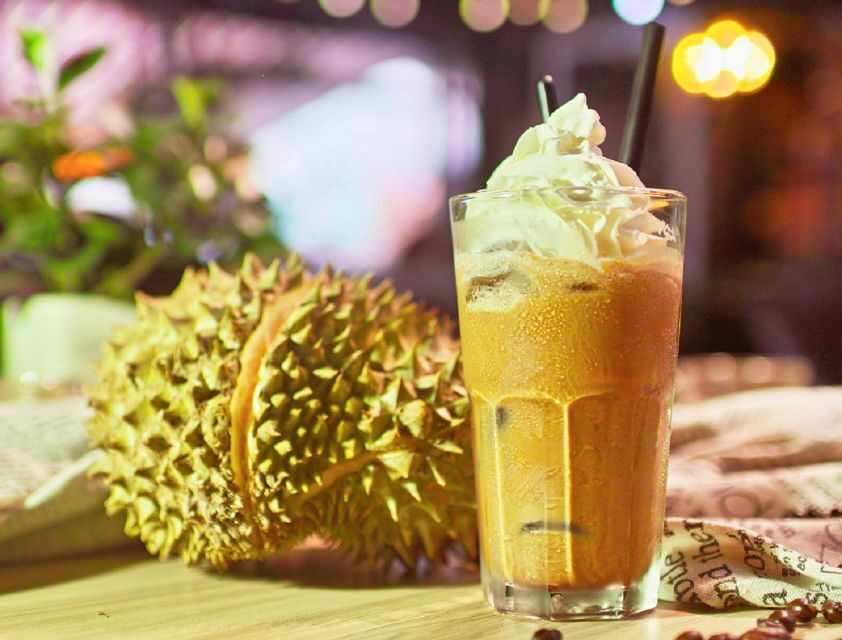
- Multiple district-style recipes: black coffee, happy white, Hue-style salt coffee, coconut coffee, and Hanoi egg coffee.
- Crop-to-cup story: you connect the farm and roast choices to what ends up in your cup.
- Fun, small-group vibe: limited to 10 people, with lots of interaction.
- Take-home tools and recipes: you can recreate what you made later, not just remember it.
- Caffeine-heavy tasting: you’ll drink your way through the class.
Entering the Silk-Lantern Workshop in Hoi An

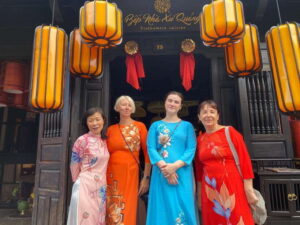
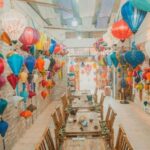
This is one of those Hoi An activities that’s easy to fit into a day because it’s only 2 hours and it doesn’t require a long journey. You meet at a workshop decorated with lots of silk lanterns, and you’ll see a clear sign board that says COFFEE MAKING WORKSHOP. If you’re used to wandering Hoi An streets, you’ll probably find it fast—just look for the lanterns first, then the board.
There’s no hotel pickup or drop-off. That’s normal for this style of class, and it usually keeps the experience simple: you show up, you get started. If you’re traveling around on foot, plan your route so you arrive a few minutes early. You’ll want a relaxed start because the class begins with a drink and a short briefing.
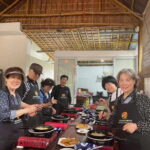
Inside, the atmosphere is comfortable and laid-back. In the background, there’s good music, and the hosts keep the tone playful. Since the group is capped at 10 participants, you’re not stuck watching from the side. You get hands-on time and space to ask questions as you brew.
Also note the practical stuff: bring a camera, and keep in mind the class isn’t suitable for people over 95 years. On the plus side, it is wheelchair accessible, so you can confirm your needs without guessing.
You can also read our reviews of more tours and experiences in Hoi An


Herbal Tea, Coffee Stories, and a Local Guide at the Helm
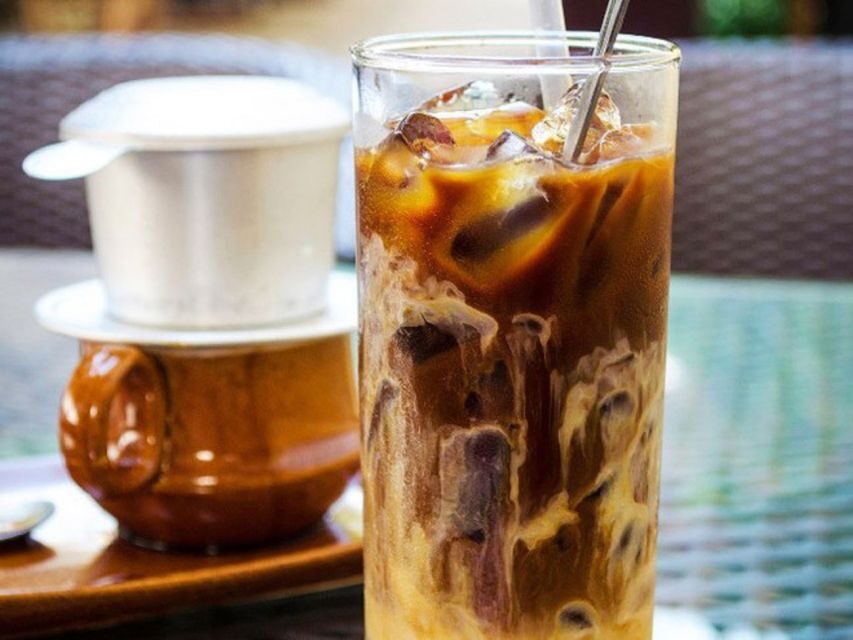
The class starts with a cup of special herbal tea. It’s a small thing, but it sets the right pace—cool and calming before the caffeine starts arriving. Then your instructor kicks off the coffee talk with stories about Vietnamese coffee culture and how cafés became part of daily life.
This matters because Vietnamese coffee isn’t just a recipe. It’s a system: bean selection, dark roasting, slow brewing, and the way condensed milk or other add-ins balance the bitterness. When you hear the background first, the brewing steps make more sense. You’re not just following motions; you’re learning why the flavors behave the way they do.
Your guide also connects the drinks to regional personality—how different styles became popular and what locals expect from their cups. The instructor speaks English and Vietnamese, and there’s an English audio guide included as well. If you’re the kind of person who likes to know what you’re tasting, this audio support can help you keep up without constantly asking someone to repeat.
One reason I like this format is that it gives you context fast. You don’t need to wait until the end of the class to understand the “why.” You’re building understanding while you practice, which makes it much easier to repeat at home.
And yes, there’s humor. The hosts use jokes to keep energy high, and it helps a lot when you’re standing around coffee gear and learning a process that takes a little patience.
From Crop to Cup: What You Learn Before You Brew
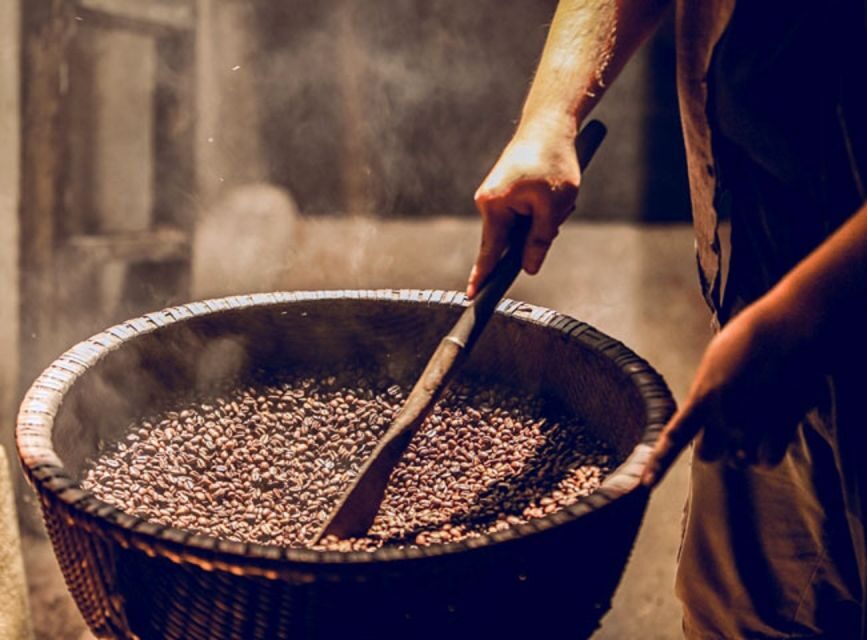
A big part of the value here is the crop-to-cup walkthrough. Vietnamese coffee taste comes from multiple decisions, not one magic trick. You’ll hear how the process starts with the crop and moves into roast decisions—especially dark beans—that support the signature bold flavor.
Then you connect that to brewing. Most coffee shops in Vietnam rely on a small metal filter called a Phin (think of it as a French-press cousin, but designed for slow drip extraction). The class teaches you how the Phin works and how to use it so the coffee comes out rich and deep instead of flat.
That crop-to-cup step is what turns this from a simple tasting tour into a skill class. After you learn why the roast and brew method matter, you can troubleshoot later. If your home cup tastes too bitter, you’ll know where to look: roast intensity, grind size, and extraction time.
You’ll also hear about the mixing step that defines many Vietnamese drinks. Condensed milk is a core ingredient, and the class explains the reasoning behind roasting dark beans so they pair well with sweet milk. It’s a practical lesson: dark roasting isn’t random; it’s made for the flavor balance Vietnamese coffee drinkers expect.
This is where the guide’s storytelling helps. When you understand the purpose behind each step, the final drinks taste less like surprises and more like predictable outcomes.
Master the Phin: Slow Drip Brewing That Builds Flavor
If you’ve never used a Phin, the first lesson is patience. Brewing takes time, and that’s part of the charm. In this class, you learn the steps needed to brew using the metal filter so your coffee comes out flavor-forward.
The Phin method works because it controls flow. The grounds contact the water in a slow, steady way, and that gradual extraction supports a thicker, more intense cup. It’s the kind of technique that’s hard to get from watching videos. In a hands-on class, you can actually feel the rhythm and see what changes when you adjust technique.
This is also where you learn what to aim for when you’re pairing coffee with other ingredients. Vietnamese coffee isn’t only about black coffee. It’s about building a drink system: hot espresso-like intensity plus condensed milk sweetness, plus variations like salt or coconut.
You’ll also learn how roasting dark beans supports the overall structure of the drink. Dark roast doesn’t just mean darker color. It changes the flavor compounds you pull into the cup. Then, when you mix that with sweet condensed milk, the drink stays balanced rather than just harsh.
And since you’re working with real tools, you can copy what you learned later. Many classes give you a small take-home filter (a mini Phin) and recipes so you’re not stuck trying to remember proportions. Even if you don’t nail your first cup at home, you’ll know what process to repeat.
The Drinks You’ll Make: Egg Coffee, Salt, Coconut, and More
The main event is the hands-on part: you’ll prepare several Vietnamese coffee styles and taste what you make. The class description lists drinks that cover multiple classic flavors, and the format is designed so you experience the range instead of just sipping one thing.
Here’s what you can expect to make and drink:
- Black coffee: the baseline. It helps you understand what the roast and Phin brewing produce on its own.
- Happy white coffee: a sweet, milk-forward style that shows how condensed milk changes bitterness into something smoother.
- Hue Imperial salt coffee: a flavor profile built around salt balancing richness. You’ll see how the recipe makes the cup feel round instead of one-note.
- Coconut coffee: a different kind of sweetness and aroma. It’s a good reminder that Vietnamese café culture loves flavor variety.
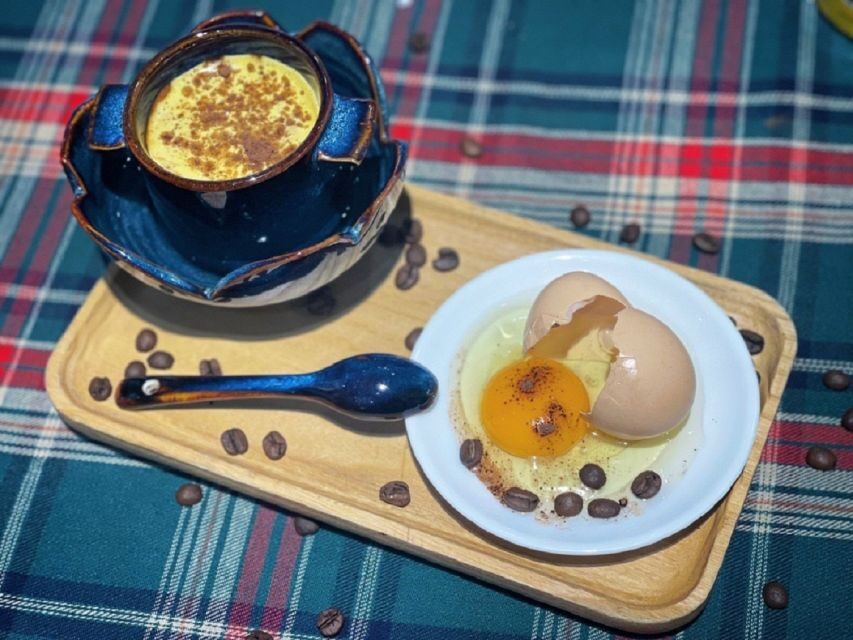
- Hanoi egg coffee: the famous one. The guide explains the process behind it and why it takes time. You get to taste it as the final payoff.
Egg coffee is often the most memorable drink, partly because of the extra steps. The class ties the flavor to technique, so when you taste it, it doesn’t feel like a gimmick. You understand why it tastes the way it does.
One practical note: you’ll likely drink more than you expect. Some styles are served as stronger cups, and the egg coffee takes time, so your caffeine comes in waves. It’s fun, but don’t schedule a big bike ride right after.
If you choose the vegan option, be aware of a limitation that’s been reported: there’s no vegan substitute for the egg, and the non-dairy milk approach is used instead. That means the drink still isn’t fully vegan in the strictest sense. If that matters to you, ask ahead so there are no surprises.
You can also read our reviews of more tours and experiences in Hoi An


Cookie Break, Good Music, and Recipes You Can Recreate

Once you’ve brewed and mixed through the styles, you finish by tasting everything alongside a cookie. It’s a simple pairing, but it works. The cookie gives your mouth a break from repeated sweetness and helps you focus on flavor differences between drinks.
The class also includes good music in the background, which makes the experience feel relaxed even while you’re learning a process. In small groups, that atmosphere matters—you’ll feel more comfortable experimenting with the Phin instead of worrying about doing it wrong.
Then comes the part that turns a fun activity into a lasting skill: you get take-home materials. People often leave with recipes to make the drinks again and a small Phin filter to recreate the brewing method at home. When you take the tools and instructions together, you’re more likely to actually try it again rather than letting it fade after your flight.
If you want to go one step further, you can also plan to buy coffee to bring home. The class concept encourages you to think about what beans to use and how to keep the flavors consistent. Even if you don’t stock up heavily, grabbing a small bag can help you test your homemade method soon after you return.
Overall, the pace keeps things moving, but you still have time to practice each step. That balance—hands-on plus storytelling—is why this class feels worth it, not like a quick tourist stop.
Price and Value: Is $14 Worth Two Hours?
At $14 per person for a 2-hour small-group workshop, the value is strong—especially because you’re not just tasting. You’re learning a tool-based brewing method and multiple drink recipes.
What makes the price feel fair is the mix of:
- a local guide with English support,
- ingredients and tools,
- coffee and Vietnamese tea,
- cookies,
- and take-home materials (often including a mini filter and recipes).
Many paid coffee experiences focus on one drink or a quick explanation. Here, you practice the process enough that you can recreate it later. For me, that’s the difference between a souvenir activity and a real skill lesson.
The small group cap (limited to 10 participants) also matters. More seats often means less time at the brew station and fewer chances to ask questions. In a smaller group, your instructor can adjust to what you’re doing and help you correct technique while it still feels fresh.
The only “cost” you should mentally budget for is personal energy and caffeine tolerance. You’ll drink quite a bit. If you’re the type who gets jittery, eating beforehand and planning your schedule can keep the experience enjoyable instead of overwhelming.
Who Should Book This Class, and Who Might Skip It?
This workshop is a great fit for you if you:
- want a hands-on activity in Hoi An (not just a walking tour),
- enjoy coffee and want to understand how Vietnamese style differs from what you know,
- like practical travel learning—something you can repeat at home,
- and you’re okay with drinking multiple coffees in a short time.
It also works well for pairs and small groups because you’ll learn together at the stations and compare notes while you taste. The atmosphere is social, with plenty of laughter, so solo travelers often find it easy to interact.
You might consider skipping or being extra cautious if:
- you’re very caffeine-sensitive,
- you need strict dietary rules (especially around the vegan egg issue),
- or you’re planning a late-night event right after. Many people feel the effects for a while, and egg coffee is not a light finish.
Age and accessibility are handled clearly: it’s wheelchair accessible, but not suitable for people over 95 years. If you’re bringing anyone with mobility needs, it’s worth confirming on arrival, but the basic setup supports wheelchair access.
Should You Book This Hoi An Vietnamese Coffee Making Class?
I’d book it if you want more than a sip-and-smile activity. For the price, the best part is the combination: Phin brewing practice, multiple classic styles (including egg coffee), and recipes plus a take-home tool so you can keep the lesson alive.
If you’re caffeine-sensitive, plan your day so you can relax afterward. Eat beforehand. Bring patience for the slow-drip brewing. Then enjoy it for what it is: a fun, local-feeling skill lesson about why Vietnamese coffee became a daily ritual.
FAQ
FAQ
How long is the Hoi An Vietnamese coffee making class?
It lasts 2 hours.
How much does the class cost?
The price is $14 per person.
Where is the meeting point?
Meet at the workshop decorated with silk lanterns, and look for the board that says COFFEE MAKING WORKSHOP.
Is hotel pickup included?
No. Hotel pickup and drop-off are not included.
How many people are in the group?
The class is a small group limited to 10 participants.
What languages are the instructor and materials in?
The instructor speaks English and Vietnamese, and there is an English audio guide included.
What coffee styles will I make and taste?
You’ll make and taste multiple Vietnamese coffee styles, including black coffee, happy white coffee, Hue Imperial salt coffee, coconut coffee, and Ha Noi egg coffee.
What’s included in the price?
Coffee making class, ingredients and tools, coffee and Vietnamese tea, cookies, and a local guide.
Is the workshop wheelchair accessible?
Yes, it is wheelchair accessible.
Is there any age limit?
The activity is not suitable for people over 95 years.
Can I cancel and get a refund?
Yes, you can cancel up to 24 hours in advance for a full refund.