REVIEW · HOI AN
Vietnamese Culture and Coffee Making Class
Book on Viator →Operated by Hoian Handicraft Tours · Bookable on Viator
Vietnamese coffee culture is easier than you think. In this Hoi An workshop, you’ll learn why the country’s coffee tastes the way it does, then make five different cups—using the iconic phin filter method.
I especially like the hands-on setup: tools are ready, the steps are explained clearly, and you’re not just watching from the sidelines. You also get a real flavor lineup, including egg coffee and coconut coffee, plus the chance to follow the recipes so you can repeat it later.
One thing to consider: coffee is served strong (plan to go slow), and the full two hours can feel like a lot if you’re in the mood for a quick stop.
In This Review
- Quick Hits Worth Knowing
- Entering The Cup: Why This Hoi An Class Feels So Practical
- Price and Value: What $15.39 Buys You in Real Terms
- Getting There: Where 10C Bà Triệu Fits Into Your Day
- The Schedule: What Happens During the 2 Hours
- The Five Cups You’ll Make (and Why They Matter)
- 1) Traditional Black Vietnamese Coffee with a Phin
- 2) Vietnamese Happy White Coffee
- 3) Hue Imperial Salt Coffee
- 4) Hoi An Fresh Coconut Coffee
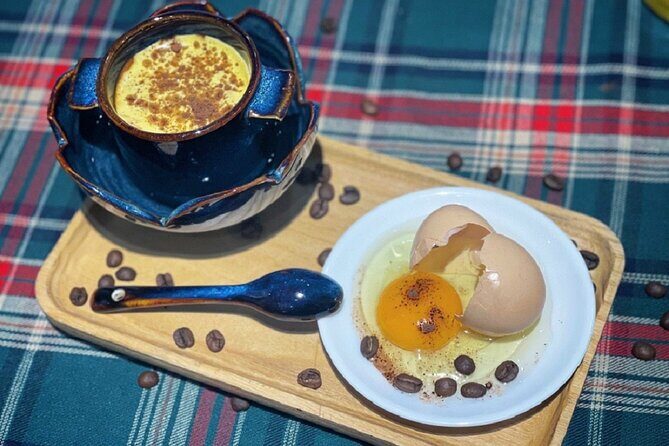
- 5) Hanoi Egg Coffee (Egg Coffee)
- History You Can Use: French Influence and the Vietnamese Way
- The Hosts, the Tone, and the Caffeine Reality Check
- What You Take Home: Phin Filter, Recipes, and Extra Coffee
- Who This Is Perfect For (and Who Should Skip It)
- When to Book: Weather and Timing
- Should You Book This Vietnamese Coffee Making Class in Hoi An?
- FAQ
- Where does the Vietnamese Culture and Coffee Making Class meet?
- Is hotel pick-up and drop-off included?
- How long is the class?
- What coffee types will we make?
- Do I get a phin filter to take home?
- Is the class in English?
- Can I cancel for a full refund?
Quick Hits Worth Knowing
- Five coffees in one session so you leave with more than one “wow”
- Phin filter takeaway: you get to bring a Vietnamese coffee filter home
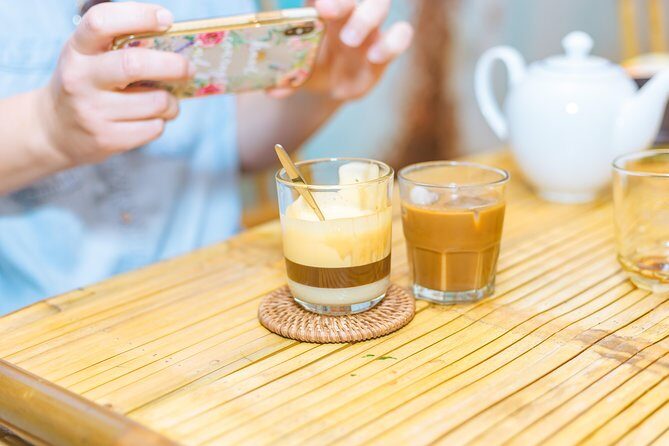
- Egg coffee + coconut coffee for two of Vietnam’s most memorable brews
- Regional variety: happy white, Hue imperial salt, Hoi An coconut, Hanoi egg coffee
- Small group size (max 10) with an English-speaking guide/instructor
- Family-run energy with humor and lots of explanation, guided by Linh
Entering The Cup: Why This Hoi An Class Feels So Practical
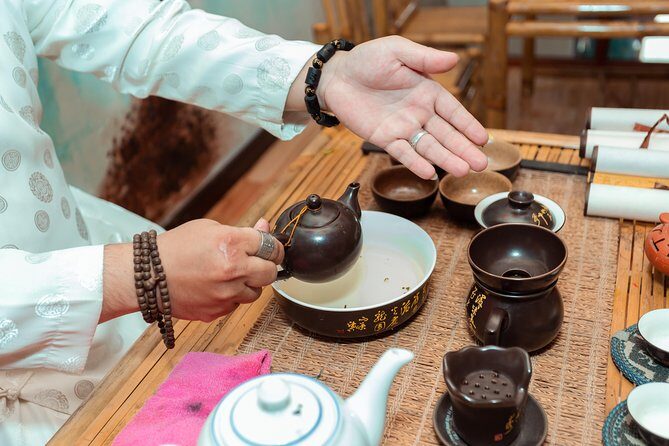
If you’re coming to Vietnam for food, you’ll notice something fast: coffee isn’t a background act here. It’s part of daily life, part of conversation, and part of how people take a break. This class makes that click in a way that’s useful, not just “interesting.”
You’ll learn the basics of Vietnamese brewing, including what makes it different from what you might expect if your coffee habits were built around espresso machines or paper-drip methods. Then you’ll actually make it—so the story stays attached to something you can taste.
And because the class is hands-on, it turns into a skill you can use later. You don’t just buy souvenirs. You leave with the method.
You can also read our reviews of more tours and experiences in Hoi An

Price and Value: What $15.39 Buys You in Real Terms
At about $15.39 per person for roughly 2 hours, the value comes from the mix of (1) volume, (2) variety, and (3) take-home gear.
Here’s the straightforward math of what you’re paying for:
- You make multiple drinks instead of one tasting.
- You get a small collection of Vietnamese coffee styles that aren’t all “sweet and milky.”
- You receive a Vietnamese filter (phin) to bring home, plus coffee-making tools during the class.
- You get recipes to recreate the coffees.
For a lot of Hoi An activities, you pay for time plus a view. Here you pay for a repeatable skill plus drinks. If you like coffee, that’s a rare combo.
One note: there’s no hotel pick-up, so the “real cost” for you includes getting yourself to the meeting point.
Getting There: Where 10C Bà Triệu Fits Into Your Day
You’ll meet at 10C Bà Triệu, Phường Cẩm Phổ, Hội An, Quảng Nam 560000. The activity ends back at that same meeting point.
That matters for two reasons:
- You can plan around your morning or afternoon without waiting for a pick-up window.
- You won’t get “lost” in complicated transfer logistics.
The location is listed as near public transportation, which is handy in Hoi An where rides are easy to arrange. Just make sure you show up on time—this class runs as a coordinated workshop, not an open-ended cafe hangout.
The Schedule: What Happens During the 2 Hours

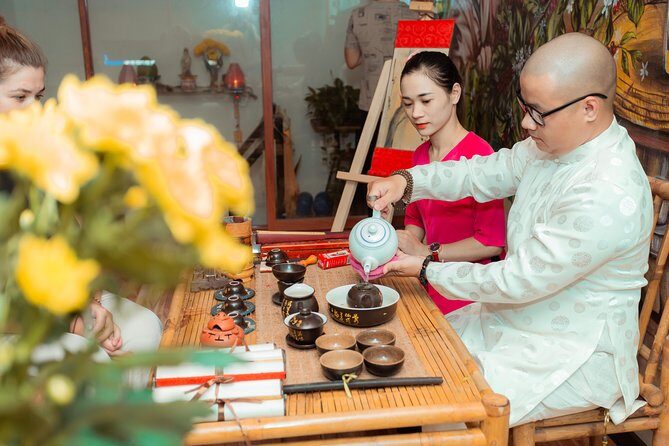
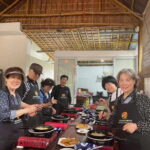
The session is built around brewing and tasting in a structured way. You’ll go through coffee history and technique while working at stations where you can actually prepare each drink. Since the class is designed for a small maximum group size (10 travelers), you’re less likely to feel rushed or ignored.
The pace is a big reason people rate it so highly. You’re not stalled waiting for someone else’s turn. You’re doing the steps, tasting, and moving on.
Also, don’t treat this like a light snack activity. One review warning you’ll likely feel in your bloodstream is simple: coffee is strong. If caffeine hits you fast, pace yourself and sip instead of chugging.
The Five Cups You’ll Make (and Why They Matter)

This is the core of the experience. You’ll brew these coffee types:
- Real traditional black coffee by Vietnamese filter (phin)
- Vietnamese happy white coffee
- Hue Imperial Salt coffee
- Hoi An fresh coconut coffee
- Ha Noi Capital egg coffee
What I like about this lineup is that it covers different Vietnamese “coffee moods.” Some are meant to be smooth and creamy. Others play with salt or egg richness. And one is the classic black coffee that lets you taste how the phin process builds flavor.
You can also read our reviews of more tours and experiences in Hoi An


1) Traditional Black Vietnamese Coffee with a Phin
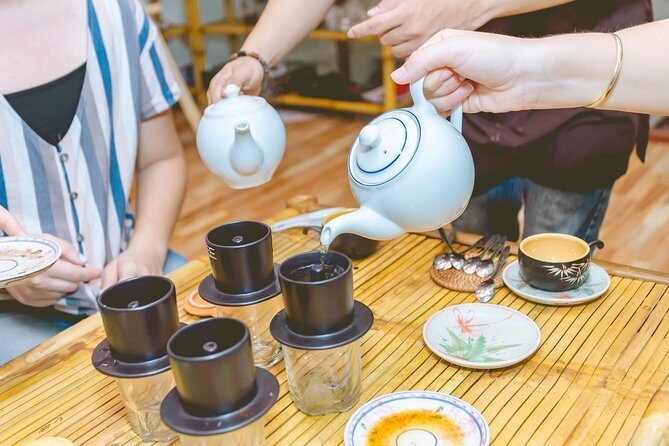
This is your foundation cup. You’ll practice the filter method that defines a lot of Vietnamese coffee drinking. Even if you don’t end up loving the strength, it teaches you what Vietnamese brewing does differently.
Practical tip: if you normally drink coffee lightly, take your time here. The strength is part of the style, not a mistake.
2) Vietnamese Happy White Coffee
Happy white coffee is typically geared toward a smoother, milkier taste profile (the “white” part is your clue). In class, you’ll learn how locals balance sweetness and creaminess while keeping the coffee base present.
This is a great cup if you want something that feels more “dessert-like” without turning into a totally different drink category.
3) Hue Imperial Salt Coffee
Hue has its own food identity, and this coffee shows up with a salty twist. When salt enters the flavor game, it doesn’t just taste salty—it changes how sweetness and bitterness read on your tongue.
This is the cup that makes the workshop feel less repetitive. You’re not just making variations of milk-and-sugar. You’re learning how Vietnamese flavors get shaped.
4) Hoi An Fresh Coconut Coffee
Fresh coconut coffee is one of those orders that can sound simple but tastes surprising in real life. In this class, you’ll make it rather than just sampling it.
Many people call this their favorite, and I get why: coconut changes the aroma and makes the drink feel lighter than you’d expect from coffee strength alone. If you’re thinking of what to taste in Hoi An beyond the obvious, this is it.
5) Hanoi Egg Coffee (Egg Coffee)
Egg coffee is the iconic one, and the workshop includes Ha Noi Capital Egg coffee for a reason: it’s memorable. Expect a creamy texture and a rich flavor profile that feels closer to a treat than a plain cup.
This is also a good “story coffee”—it’s the kind of drink that helps you understand how Vietnamese coffee culture became its own thing, not just a copy of European or American styles.
History You Can Use: French Influence and the Vietnamese Way
The class doesn’t stop at technique. It also covers coffee history—specifically how French colonization shaped Vietnamese coffee into what it became. You’ll also learn the history and importance of coffee culture in Vietnam and why Vietnamese coffee methods caught on.
Here’s the practical benefit: when you understand why certain methods developed (and why the phin matters), you stop treating Vietnamese coffee as a novelty. You learn to brew with intention at home.
If you like travel that connects food to context, this part is a big win. You’re not just collecting recipes—you’re learning how the system works.
The Hosts, the Tone, and the Caffeine Reality Check

The workshop is run by a family-style team, and the energy is a consistent theme in feedback. People mention humor and lots of explanation, and at least one reviewer specifically notes Linh for being friendly and funny.
That said, one caution from the ratings: humor can be hit-or-miss depending on your style. Also, the coffee is served strong—so don’t plan to drink all five cups back-to-back and then jump into an evening plan that needs you fully awake.
My advice: if you’re caffeine-sensitive, treat the class like a tasting marathon. Sip, breathe, and pace.
What You Take Home: Phin Filter, Recipes, and Extra Coffee

Included in the workshop:
- Coffee making tools
- Instructor and English speaking guide
- A Vietnamese filter (phin) to bring home
Several people also mention getting recipes for the coffees. That matters more than you might think. Without recipes, you’d recreate using memory, and Vietnamese coffee depends on ratios and technique. With recipes, you can actually get close to what you taste in class.
Some participants also mention buying coffee beans or grounded coffee from the family running the class. That’s not stated as included, so treat it as an optional add-on if you want to keep the flavor going after you leave.
Who This Is Perfect For (and Who Should Skip It)
This class is a strong match if:
- you love coffee and want more than one style in a single session
- you like hands-on learning (you’ll be brewing, not just sipping)
- you want a Vietnam-focused food activity that still feels practical for home
You might consider skipping if:
- you want a quick 30- or 60-minute activity
- you dislike strong coffee or caffeine-heavy tastings
- you’re uncomfortable with lots of group interaction and humor during instruction
For couples and solo travelers: it’s small-group (max 10), and one review mentions a solo traveler getting a more individualized feel when the session wasn’t full. So it can work well if you want to meet people without being packed into a huge tour bus situation.
When to Book: Weather and Timing
This experience needs good weather. If conditions are poor and the class can’t run as planned, you’ll be offered a different date or a full refund.
Also, there’s no hotel pick-up, so pick a time when you can confidently reach 10C Bà Triệu on your own.
Should You Book This Vietnamese Coffee Making Class in Hoi An?
Yes—if you want a small, hands-on coffee skill in Hoi An and you’re excited by egg coffee and coconut coffee. The value is strong because you brew five styles, learn the “why” behind Vietnamese coffee culture, and leave with a phin filter plus recipes.
Book with a bit of realism if you’re caffeine-sensitive or not into humor-heavy instruction. Go slow during tastings, and treat the two hours as an active workshop, not a casual wander.
If you love learning by doing, this is one of the easiest “worth it” buys you can make in Hoi An.
FAQ
Where does the Vietnamese Culture and Coffee Making Class meet?
The meeting point is 10C Bà Triệu, Phường Cẩm Phổ, Hội An, Quảng Nam 560000, Vietnam. It also ends back at the same meeting point.
Is hotel pick-up and drop-off included?
No. Hotel pick-up and drop-off is not included.
How long is the class?
The duration is about 2 hours.
What coffee types will we make?
You’ll make: traditional black coffee (phin filter), Vietnamese happy white coffee, Hue Imperial salt coffee, Hoi An fresh coconut coffee, and Ha Noi Capital egg coffee.
Do I get a phin filter to take home?
Yes. A Vietnamese filter (phin) is included as a take-home item.
Is the class in English?
Yes. The class includes an English speaking guide/instructor.
Can I cancel for a full refund?
You can cancel for a full refund if you cancel at least 24 hours before the experience starts. If weather is poor and the experience is canceled, you’ll be offered a different date or a full refund.