REVIEW · HOI AN
Hoi An Eco Tour Cooking Class & Fishing (Local market,basket boat,learn cooking)
Book on Viator →Operated by Hoi An Eco Tour and Papa's Cooking Class · Bookable on Viator
Food, fishing, and coconut palms in one morning. This half-day Hoi An eco tour links a local market shop, a basket boat ride in the coconut waterways, and hands-on Vietnamese cooking with a small group vibe.
I like the chef-led market time with real ingredient talk, and I love that you eat what you cook right after learning it. One thing to know up front: there are no recipe handouts included, so you’ll want to take notes if you’re planning to repeat the dishes at home.
In This Review
- Hoi An Eco Tour Cooking Class & Fishing: the value in a tight 4.5-hour plan
- Pickup, timing, and what’s actually included (and what costs extra)
- Market hunting with a chef guide: where your Vietnamese cooking class starts
- Bay Mau coconut forest by basket boat: seeing nipa palms before the kitchen
- Basket-boat fishing on the river: nets, crab, and traditional techniques
- Two hours in the kitchen with a chef: how the class actually works
- Eating your own lunch or dinner: when the tour feels complete
- Price and logistics: why $29 can be a smart buy
- Who should book this Hoi An eco cooking and fishing tour
- Should you book it? My take on the decision
- FAQ
- What is the duration of the Hoi An eco tour and cooking class?
- Where does the tour pick you up, and is Da Nang pickup included?
- How big is the group?
- What’s included in the cooking class and the meal?
- Do you get recipes to take home after the cooking class?
- Is the tour affected by weather?
Hoi An Eco Tour Cooking Class & Fishing: the value in a tight 4.5-hour plan
For $29, you’re not buying a cooking class that happens to include a drive-by market stop. You’re getting a connected story: ingredients are picked first, then you learn fishing life on the river, and only then do you move into the kitchen for the cooking part.
The total time is about 4 hours 30 minutes, and the pace is set for people who want real experiences without losing the rest of the day. Pickup is offered in Hoi An, and the group size stays small (up to 10 travelers), so it doesn’t feel like you’re just getting funneled through.
What makes this tour feel especially practical is the “do, not watch” flow. You handle the fishing activity, you cook alongside your guides, and you sit down to lunch or dinner made by your own hands. If you’re the type who likes learning by doing, this one fits.
Pickup, timing, and what’s actually included (and what costs extra)
The tour starts around 8:30 AM with hotel pickup in Hoi An. You’ll ride to the local market area first, then head to the river and coconut waterways, and finish by returning you to your accommodation around 1:00 PM.
Two included items matter a lot for value:
- Your English-speaking guide (chef) keeps the day moving and helps translate what you’re seeing and tasting.
- You get food and refreshments included, plus either lunch or dinner depending on the option you book.
You’ll also be given a life jacket, and there’s gear on board like an umbrella and raincoat, which is useful if weather turns. On top of that, you get a ticket to visit the coconut forest area.
The main extra cost to watch is airport-city logistics: if you want pickup from Da Nang, it’s $15 USD per person for private car transfer. If you’re staying in Hoi An, you’ll usually be set with the included round-trip pickup.
You can also read our reviews of more boat tours in Hoi An

Market hunting with a chef guide: where your Vietnamese cooking class starts
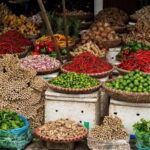
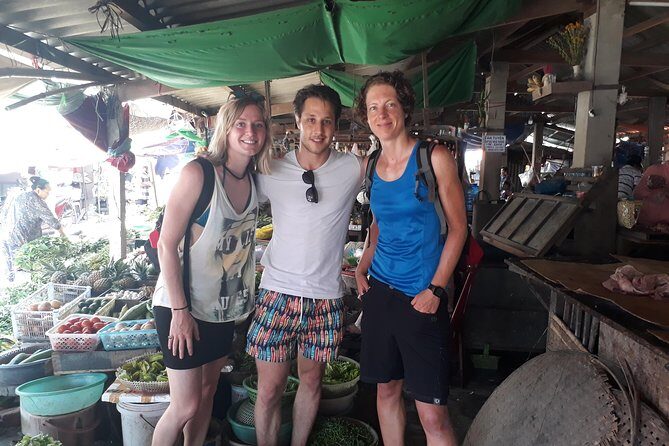
The market visit is the foundation for the whole day. Your guide introduces ingredients step by step—this isn’t just a quick walk past stalls. You’re there to gather what you’ll cook later, and the guide explains each item in a way that helps you understand how flavors build in Vietnamese cuisine.
I especially like this part because it changes how you see a recipe. Instead of memorizing instructions, you learn what each ingredient is doing—savory, sour, aromatic, and how they work together on the plate. That matters later when you’re standing at the stove.
If you get Mr Tran as your guide, you’ll likely get a very “local market with a friendly expert” feel. One standout detail from the experience: the market time can be fun and social, not stiff. You’ll have a reason to ask questions, because you’re shopping with the chef who’s guiding the cooking class.
One heads-up: your day is hands-on, but you shouldn’t expect a finished “take-home binder.” There are no cooking recipes included. If you want to cook the dishes again later, bring a phone notes app or small notebook and jot down the key steps as you go.
Bay Mau coconut forest by basket boat: seeing nipa palms before the kitchen
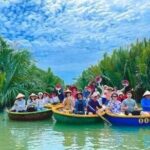
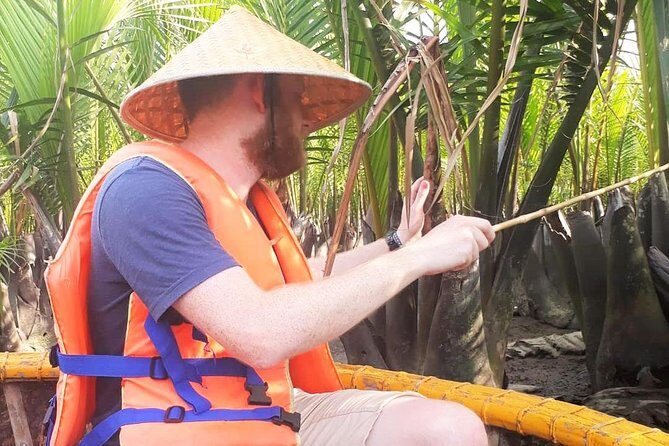
After the market, you head toward the river and the coconut waterways. The tour includes a visit to Bay Mau coconut forest, where you can see how nipa palms (water coconut) tie into local life.
You explore by basket boat on the waterways. This is one of those experiences where the setting becomes part of the lesson: you’re not just told what’s growing; you’re in the environment where it grows and how people move through it.
Here’s the balanced note: this isn’t a long nature lecture. Some people come expecting lots of technical info about the coconut trees, and you might find the explanation time is limited. Still, the visit is valuable because it connects an ingredient-growing area to your later meal, and the boat ride makes it feel real rather than like a museum stop.
You’ll also have the forest entry ticket included, plus rain protection and safety gear like the life jacket. That makes a difference when you’re on the water, especially in humid conditions.
Basket-boat fishing on the river: nets, crab, and traditional techniques
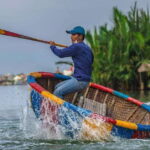
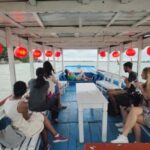
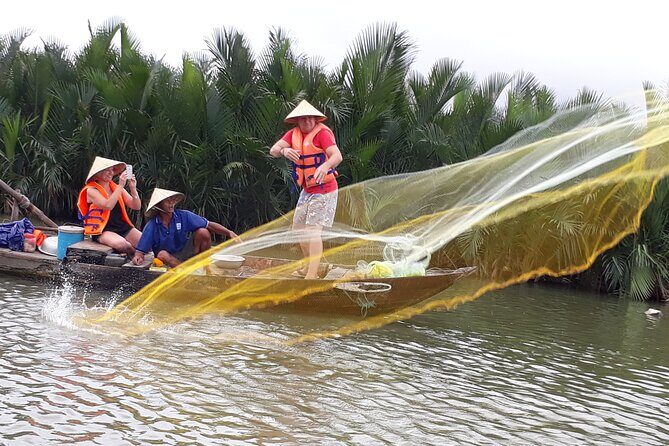
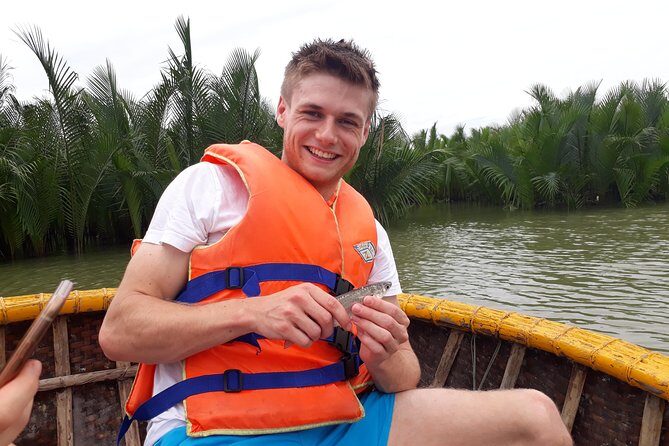
This is the part many people remember most—the fishing life component. You get the chance to use traditional methods from the bamboo basket boats and experience the feel of river fishing up close.
You’re not just watching. The tour highlights activities like learning local techniques, catching fish, and even fishing for crab. You’ll work with a net and try the method yourself, and the day is built around the idea that the fish you catch is fresh—picked up directly and tied to the experience.
A practical consideration: don’t assume this segment is silent and serious the whole time. On the boat, the atmosphere can become a bit performance-like for some groups, and you might notice music or casual crowd behavior. If you’re hoping for a quiet, reverent nature-and-culture moment, you may want to adjust your expectations and focus on what you can control: your participation, your safety posture, and asking your guide about the technique while you’re on the water.
Also, yes, small tips can come up in this kind of activity. The tour experience itself mentions the possibility of paying a little tip for boat spinning or fishing moments, so if that’s your style, keep some small bills or cash ready.
Two hours in the kitchen with a chef: how the class actually works
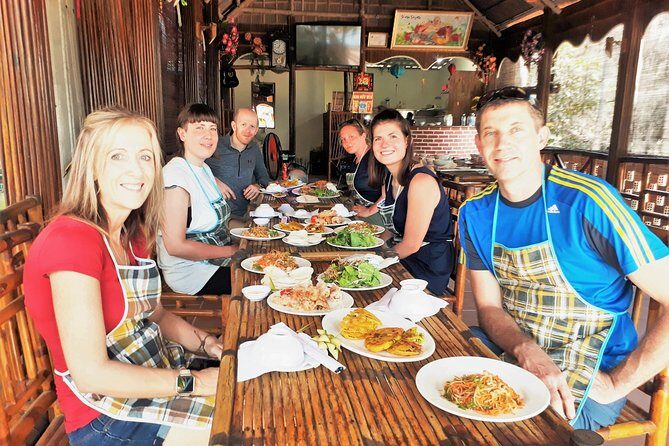
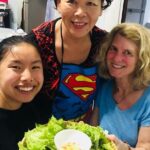
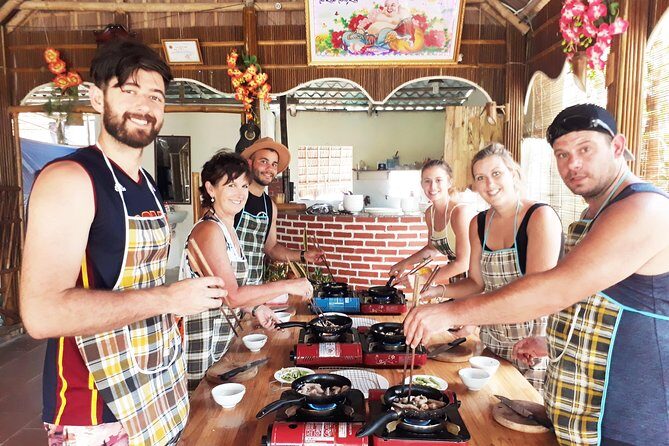
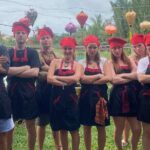
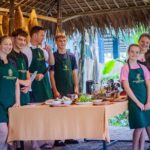
Once you arrive at the restaurant, you’re welcomed with local greeting drinks and then you settle into the cooking class. You get around two hours cooking, and your chef instructors teach you traditional Vietnamese dishes step by step.
What I like here is the “family” energy. This isn’t a school where you stand back and watch. You’re treated like you belong in the kitchen workflow. That matters because Vietnamese cooking is often about timing and balance—getting one part done while another part simmers. When you’re active, you learn faster.
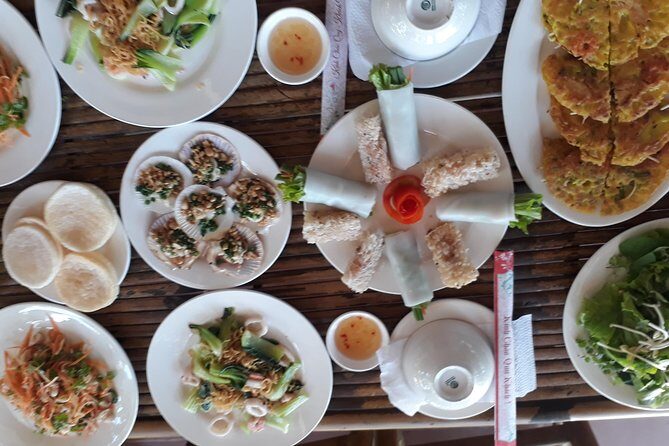
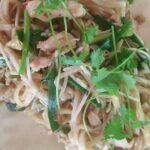
You’ll have lunch or dinner as part of the experience, so you don’t just cook and then leave hungry. You sit down and enjoy what you made, which is the best quality check possible. If a dish doesn’t come together, you can adjust your own technique later based on what you tasted.
Because there are no recipe handouts, the cooking class rewards attention. Pay attention to measurements and texture cues. If you’re serious about repeating the dishes at home, write down what you add and roughly how long you stir, fry, simmer, or toss.
You can also read our reviews of more shopping tours in Hoi An


Eating your own lunch or dinner: when the tour feels complete
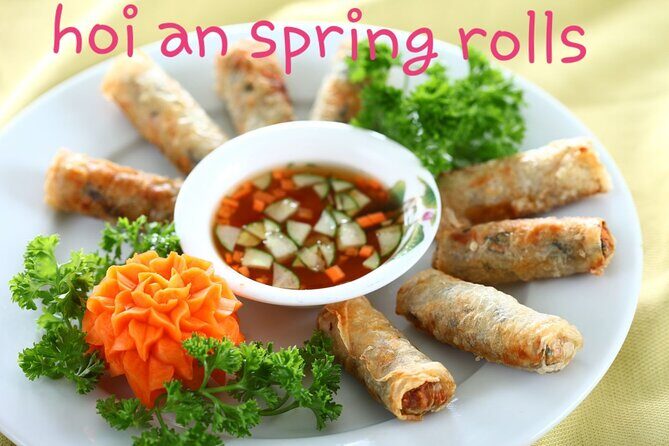
The meal is included, and it’s the payoff. After the market and the fishing, you’re ready to taste what the day means—fresh ingredients turned into hot food with your own effort.
Portions are generally generous based on the experience feedback people share afterward. If you’re a light eater, you might still want to plan for leftovers.
That’s a nice “real-world” detail: leftovers mean you can stretch the day’s work into the next meal. It’s also practical if you don’t want to hunt for dinner afterward.
Price and logistics: why $29 can be a smart buy
At $29 per person for roughly 4.5 hours, you’re paying for three things that normally cost more when separated:
- guided market ingredient shopping
- an activity-based river segment (basket boat + fishing chance)
- a full 2-hour cooking class with a meal
Many standalone cooking classes don’t include meaningful market time, and many half-day “fishing” tours don’t include a real culinary lesson afterward. Here, the pairing is the value.
The small-group limit (max 10) also affects value. With fewer people, it’s easier to ask questions, get help at the station, and actually participate during the fishing activity and the cooking steps.
What could make the price feel less appealing? If you only want cooking and you’re not interested in the boat and fishing life, you might feel like the day is split. But if you enjoy variety—market, river, and kitchen—this one’s well matched.
Who should book this Hoi An eco cooking and fishing tour
Book this if you want a hands-on day, not a drive-through tour. It’s a strong fit for:
- people who love food culture and want the ingredient story, not just the final dish
- travelers who enjoy doing activities on the river, even briefly
- anyone who likes learning from a chef guide and eating their results
If you’re traveling with teens or family, the pacing can work well because there are multiple “wow” moments. The market, the boat ride, and the fishing attempt all give different kinds of engagement before you settle into cooking.
If you hate fishing-related activities or you want a purely calm nature walk, you might prefer a different coconut forest tour without the fishing portion.
Should you book it? My take on the decision
I’d book it if your ideal day in Hoi An includes both eating and activity. The strongest selling point is how the day connects: ingredients picked in the market, then a river-and-coconut setting that makes the region feel tangible, then a cooking class where you eat what you make.
The two reasons to pause are simple. First, expect no recipe handouts, so bring notes if you care about repeating the dishes. Second, the boat portion can have a more casual social vibe, so don’t plan on a perfectly quiet, documentary-style ride.
If those aren’t deal-breakers for you, this is a solid value half-day experience that feels authentic without being complicated to fit into your schedule.
FAQ
What is the duration of the Hoi An eco tour and cooking class?
The tour is about 4 hours 30 minutes.
Where does the tour pick you up, and is Da Nang pickup included?
Pickup is included in Hoi An. If you need pickup from Da Nang, there’s an extra $15 USD per person for the private car transfer.
How big is the group?
This activity has a maximum of 10 travelers.
What’s included in the cooking class and the meal?
You get an English-speaking guide (chef), a 2-hour Vietnamese cooking class, and lunch or dinner based on what you cook. You’ll also have Vietnamese tea and water.
Do you get recipes to take home after the cooking class?
No cooking recipes are included for take-home use.
Is the tour affected by weather?
Yes. It requires good weather. If it’s canceled due to poor weather, you’ll be offered a different date or a full refund.