REVIEW · HOI AN
Experience Making Coffee with Tri Long in Hoi An old Town
Book on Viator →Operated by DN Tour · Bookable on Viator
Vietnamese coffee is craft plus character. Tri Long’s class in Hoi An takes you through the story behind cà phê sữa Sài Gòn and gets you practicing with the signature custard-sweetened milk blend. I like that it’s not just tasting, it’s building a cup step-by-step with a Phin filter focus.
I especially like the mix of choices and hands-on energy: you pick from Special Egg Coffee, Coconut Coffee, or Salt Coffee, and the team keeps things fun while explaining what’s going on.
One consideration: pricing and what you actually drink can feel confusing—one report said the description led them to expect more coffee than what was served, so it’s smart to confirm what’s included when you book.
In This Review
- Key things to know before you go
- Coffee With Tri Long: What You’re Really Learning in 1.5 Hours
- Where the Class Starts in Hoi An Old Town
- The Flow of the Experience: History, Roasting, Brewing, Then Practice
- Picking Your Course: Egg, Coconut, or Salt Coffee
- Special Egg Coffee
- Coconut Coffee
- Salt Coffee
- The Free Phin Filter Coffee Lesson (Yes, Included)
- Cà Phê Sữa Sài Gòn: The Custard-Milk Sweet Spot
- What I’d Watch Out For: Confusing Inclusions
- Value for $17: When This Feels Like a Smart Buy
- Take-Home Touches: Certificates and Recipes
- Who This Course Is Best For
- Should You Book Tri Long’s Coffee-Making Class in Hoi An?
- FAQ
- How long is the Tri Long coffee-making experience in Hoi An?
- What does it cost?
- Where do I meet for the class?
- What coffee course options are available?
- Is the Vietnamese Phin filter coffee course included?
- How many people are in the group?
- Can I cancel and get a full refund?
Key things to know before you go

- Choose your course: Special Egg Coffee, Coconut Coffee, or Salt Coffee
- Free add-on lesson: a Vietnamese Phin Filter Coffee course is included
- Small group size: up to 10 travelers, so you’re not stuck watching from the back
- Custard-milk approach: you learn how the silky, sweet base fits into the classic style
- Hands-on roasting and history talk: coffee culture, plus roasting beans and brewing methods
Coffee With Tri Long: What You’re Really Learning in 1.5 Hours

This experience is built for people who want something more than a quick café stop. In about 90 minutes, you move through the basics of Vietnamese coffee culture and then apply it to brewing. The big “why” here is cà phê sữa Sài Gòn, a coffee style that’s instantly recognizable across Vietnam and often misunderstood if all you’ve had is standard drip coffee.
The class also teaches you how to get that classic filter-coffee result using a traditional metal setup: the Phin. That matters because Vietnamese coffee isn’t just about beans. It’s about how water meets grounds over time, and how the sweetness and milk choices shape the final taste.
I like that the instruction is tied to one drink target, but it doesn’t ignore the broader coffee culture. You get context on Vietnamese coffee and how it connects to daily life and local preferences. Then you get practice with multiple flavors depending on which course you choose.
You can also read our reviews of more tours and experiences in Hoi An

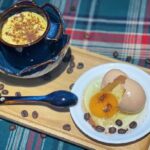
Where the Class Starts in Hoi An Old Town
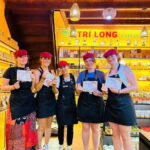
You meet at Trí Long Coffee, 88 Đ. Phan Chu Trinh, Phường Minh An, Hội An, Quảng Nam, Vietnam. It’s the kind of meeting point that makes sense if you’re already walking around Hoi An’s historic area and want a structured stop without adding complicated logistics.
The session ends back at the meeting point. With a small group and a single location, it’s easy to plan your afternoon or evening right after. If you’re pairing this with other Old Town activities, you can treat it like a timed “anchor” for your schedule.
The Flow of the Experience: History, Roasting, Brewing, Then Practice

From the information you’re given, the class isn’t framed as passive entertainment. It’s structured like a mini coffee workshop. You start with Vietnamese coffee culture and the significance of the most famous style: cà phê sữa Sài Gòn.
Then the learning expands into two practical foundations:
- Roasting coffee beans: you hear about what roasting changes and why it matters for flavor
- Brewing technique: you practice making a cup using the Phin filter method
The atmosphere is described as professional and lively, with humor and entertainment mixed in. In practical terms, that usually means you’ll stay engaged longer than you would in a strict lecture. With a group size capped at 10, you should also get more attention while you’re working, not just watching.
Picking Your Course: Egg, Coconut, or Salt Coffee

Tri Long offers three course options, and each one signals a different Vietnamese coffee mood. If you like variety and don’t want to do the same flavor profile you always order, this is the fun part of the class.
Special Egg Coffee
This course aims at a creamy, aromatic cup. The key idea is learning how a custard-like sweetness fits into the final drink. Vietnamese egg coffee is known for its rich, foamy texture and dessert-like vibe. In a brewing class, what you learn isn’t just flavor—it’s how the brew and the sweet base work together.
If you’re the type who likes sweet drinks but still wants coffee character, this is usually the best match.




Coconut Coffee
This is the refreshing option. Coconut coffee tends to be more fragrant and lighter-feeling than the egg style, with a smoother, tropical impression. If you’re traveling in warm weather (Hoi An often is), this choice can be a smart way to enjoy coffee without ending up with something too heavy.
It’s also a good pick if you want a coffee drink that feels like a cool treat rather than a strict morning caffeine experience.
Salt Coffee
Salt coffee is the curveball. It’s not “salty like soup,” it’s more about how a small amount of salt can sharpen flavor and balance sweetness. Learning salt coffee in a structured class is helpful because the technique depends on getting the balance right.
If you like experimenting—like you enjoy trying local twists rather than only familiar flavors—this course can be a standout.
The Free Phin Filter Coffee Lesson (Yes, Included)
One of the best practical reasons to book is that a Vietnamese Phin Filter Coffee course is included for free. That means you’re not only paying for the option you select. You also get the core method that Vietnamese coffee is famous for.
The Phin is a simple device, but it’s powerful. You learn the art of brewing using the traditional filter, which produces a cup that’s distinct in strength and character compared to standard quick-drip styles. Even if you’re not a coffee person, knowing this method changes what you order later. You’ll recognize why some Vietnamese coffee tastes deeper, slower, and more syrupy even when sweetness isn’t obvious at first.
If you plan to explore more cafés after this, the Phin lesson can make your tasting experience more intentional. Instead of guessing, you’ll understand what process choices create certain flavors.
Cà Phê Sữa Sài Gòn: The Custard-Milk Sweet Spot

The class instruction includes how to make the ideal filter coffee using a special blend described as silky custard sweetened with fresh cow’s milk. That detail matters because it explains the signature feel of cà phê sữa Sài Gòn.
Here’s the practical takeaway for you: the drink isn’t only coffee and sugar. It’s a layered flavor experience where sweetness and dairy texture support the brew. If you’ve had Vietnamese coffee that tastes too harsh or just overly sweet elsewhere, learning how this custard-milk base is used can help you calibrate what you like.
I like that the course doesn’t treat this as magic. You’re taught what to do, then you get the chance to make your own cup.
What I’d Watch Out For: Confusing Inclusions

A key drawback showing up in the feedback is that the experience description can be misleading for some people. One person felt they expected three coffees and also believed the free phin course meant more than what they received, and they ended up disappointed with the number of drinks served.
Here’s how to protect yourself:
- When you book, confirm exactly how many drinks you’ll make or receive in the paid course, and how the free Phin filter lesson is handled.
- If the wording sounds like it might mean extra drinks, message ahead for clarity.
This isn’t about assuming the class is bad. It’s about avoiding a mismatch between what you think is included and what you actually get. For a $17 experience, that kind of clarity is worth 30 seconds of questions.
Value for $17: When This Feels Like a Smart Buy

At $17 per person for about 90 minutes, this workshop has a reasonable “value math” if you care about technique, not just caffeine. You’re paying for:
- guided coffee culture context
- instruction on roasting and the Vietnamese coffee process
- hands-on brewing
- a free Phin filter coffee course add-on
- an option-based tasting experience (egg, coconut, or salt)
If you normally spend $5–$10 on coffee in cafés, then do a quick tasting and leave, this class can feel like better value because you’re learning something you can repeat. The method is the real souvenir, not just the taste.
Also, the small group size (up to 10) helps justify the price. Less crowding usually means more guidance while you’re making drinks.
Take-Home Touches: Certificates and Recipes
One positive note from a review is that after the session, people received a certificate and recipes to take home. Even if you don’t plan to become a home barista, recipes are useful. They help you recreate the flavor balance and don’t rely on memory after the trip blur kicks in.
If that matters to you, it’s a strong reason to choose this over a more casual tasting.
Who This Course Is Best For
This class fits best if you want an active, structured coffee experience. It’s ideal for:
- coffee lovers who enjoy method and not only taste
- travelers who like local twists (especially egg, coconut, and salt variations)
- people who want to learn the Vietnamese Phin filter approach so they can order better later
It may be less satisfying if your main goal is to drink as many different coffees as possible with zero explanation. The session is about learning and brewing, not turning into a flight of extra drinks.
Should You Book Tri Long’s Coffee-Making Class in Hoi An?
I’d book it if you want to understand why Vietnamese coffee tastes the way it does, and you’re open to trying flavors like egg, coconut, or salt. The free Phin filter coffee portion is a big plus because it teaches a core technique you can use beyond the tour.
I’d pause and confirm details before booking if you’re counting on a specific number of drinks based on the phrasing you saw. The only real red flag in the feedback is confusion about what’s included, not the quality of instruction itself.
If you like learning while you taste, this is a fun, practical Hoi An experience that goes beyond the usual coffee-and-leave routine.
FAQ
How long is the Tri Long coffee-making experience in Hoi An?
The duration is approximately 1 hour 30 minutes.
What does it cost?
It costs $17.00 per person.
Where do I meet for the class?
You start at Trí Long Coffee, 88 Đ. Phan Chu Trinh, Phường Minh An, Hội An, Quảng Nam, Vietnam.
What coffee course options are available?
You can choose between Special Egg Coffee, Coconut Coffee, or Salt Coffee.
Is the Vietnamese Phin filter coffee course included?
Yes. The Vietnamese Phin Filter Coffee course is offered free as part of the experience.
How many people are in the group?
The activity has a maximum of 10 travelers.
Can I cancel and get a full refund?
Yes. You can cancel up to 24 hours in advance for a full refund.