REVIEW · HOI AN
Hoi An: Vietnamese Coffee Making Workshop at Local Roastery
Book on GetYourGuide →Operated by GJ Travel Viet Nam · Bookable on GetYourGuide
Vietnamese coffee is suddenly easy. In this Hoi An workshop at Trí Long Coffee, you pick two drinks from phin, egg, coconut, or salt and make them with a local roaster.
I like the hands-on format: the barista walks you through brewing and roasting basics while you actually build each cup. I also like the storytelling, with instructors such as Tee and Thi explaining why egg coffee or salt coffee became so iconic.
Timing can feel a bit tight if other groups are waiting to switch in, since the workshop sits inside a working coffee shop.
In This Review
- Key Things You’ll Actually Notice
- Why Trí Long Coffee’s Workshop Feels Like Value, Not a Tourist Thing
- Finding Trí Long Coffee and Getting a Comfortable Start
- The Class Flow: What Each Part Adds to the Experience
- Welcome and coffee culture set-up
- Coffee roasting and brewing basics (with local context)
- Picking 2 signature drinks from 4 styles
- Hands-on making: you build the cups
- Enjoy your creations, then Q&A
- The Four Vietnamese Coffees You Can Make (and How to Choose)
- Phin coffee: the classic filter experience
- Egg coffee: creamy sweetness with a technique behind it
- Coconut coffee: refreshing and easy to like
- Salt coffee: the surprising one worth trying once
- Brewing Step-by-Step: How the Instructor Helps You Actually Succeed
- Roastery tools and simple equipment setup
- Step-by-step guidance while you work
- You’ll get practice making two cups, not one
- No hard push to buy
- Relaxing With Your Cups: What the End of the Workshop Usually Feels Like
- Q&A time where you can ask what you actually wondered
- Recipe printouts and completion certificates (reported by guests)
- Taste and compare your own pair
- Practical Tips: What to Bring, What to Know Before You Go
- Who This Workshop Best Fits (and Who Might Want a Different Activity)
- Should You Book This Hoi An Coffee Workshop?
- FAQ
- How long is the Vietnamese coffee-making workshop?
- What coffee styles can I choose from?
- Will I make one coffee or two?
- Is the workshop beginner-friendly and in English?
- Where do I meet the guide?
- Is hotel pickup included?
Key Things You’ll Actually Notice
- Two choices, not a menu buffet: you select 2 of 4 signature styles and focus on doing them well.
- Local roaster energy: you’re learning at a specialty roastery, not a generic demo setup.
- Egg, coconut, and salt coffee have real backstories: the class explains what makes them Vietnamese.
- English instruction that gets used: past guests highlight clear guidance and Q&A time.
- You leave with something: some people report recipe printouts and even a completion certificate.
- Small groups can happen: a few bookings mention time slots with just two participants.
Why Trí Long Coffee’s Workshop Feels Like Value, Not a Tourist Thing
At $16 per person for a 60–75 minute experience, the price makes sense because you’re not just watching coffee get made. You’re doing the work and taking home two finished cups that you craft yourself, plus you get all tools and ingredients. That turns the class into a practical skill, not just a snack-and-smile stop.
I also like that the workshop is built around Vietnamese coffee styles you can’t easily recreate on autopilot. Phin coffee is one thing. Egg, coconut, and salt coffee are another level. If you like the idea of ordering Vietnamese coffee and actually understanding what you’re tasting, this class gives you the “why” and the “how,” not just the drink names.
One more reason this feels worth it: it’s held at Trí Long Coffee in central Hội An. That matters because it keeps the experience anchored to a real coffee spot, not something staged far from daily life.
You can also read our reviews of more tours and experiences in Hoi An


Finding Trí Long Coffee and Getting a Comfortable Start
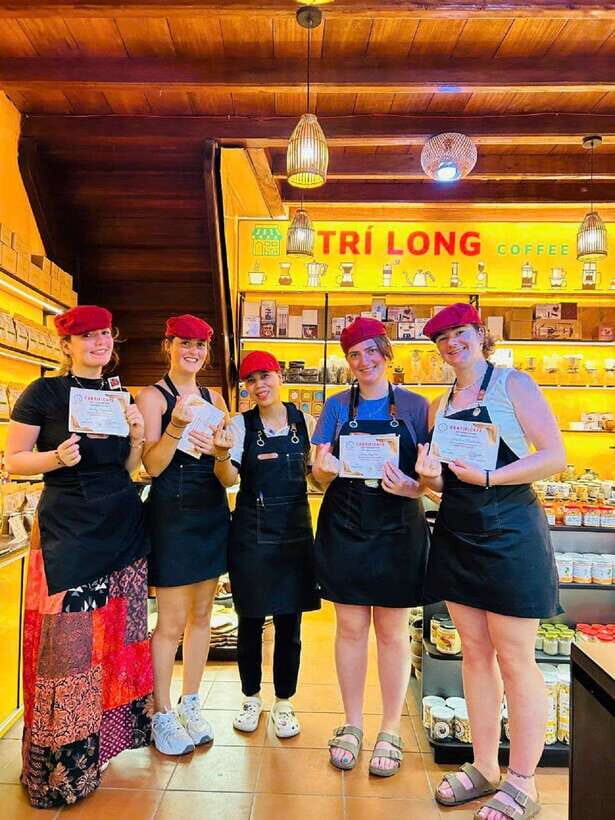
You meet at Trí Long Coffee – 88 Phan Châu Trinh Street, Hội An. Arrive about 5 minutes early so you don’t feel rushed before the lesson starts.
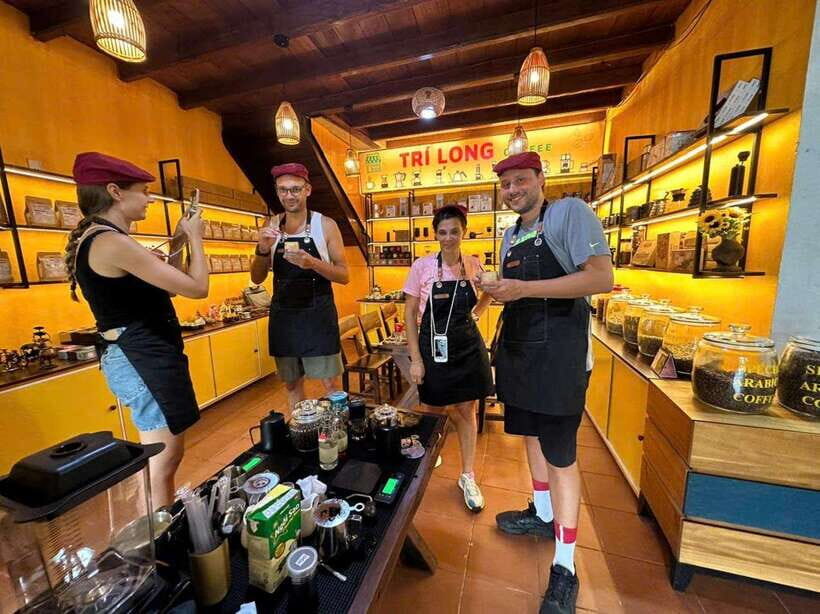
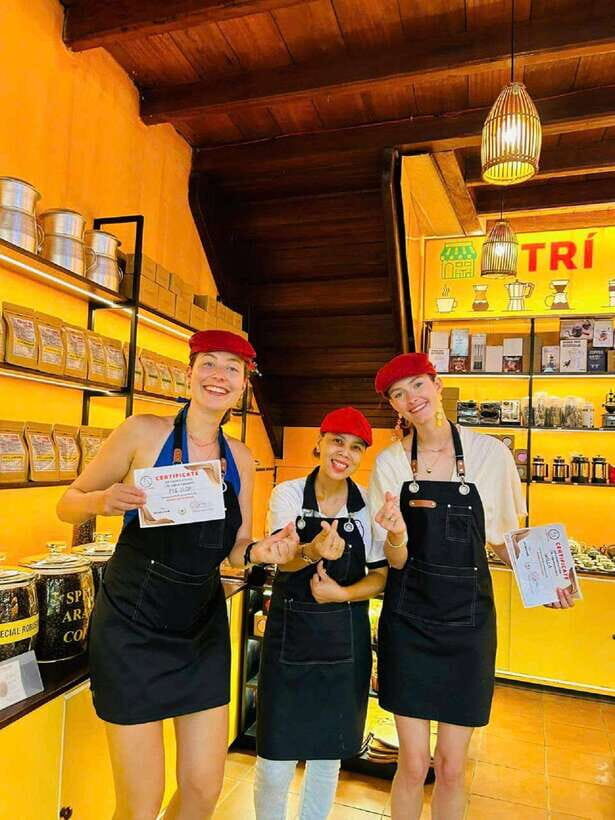
Look outside for the guide standing near the shop entrance wearing a red hat. That detail is genuinely helpful because Hội An has plenty of cafés. If you’re stuck, you can contact the activity provider through your booking.
This class has a relaxed rhythm. You’ll do a short welcome, then story and technique, then hands-on brewing, and finally you sit down to drink what you made. The pace works well for first-timers, especially if you’re the type who learns by doing.
The Class Flow: What Each Part Adds to the Experience
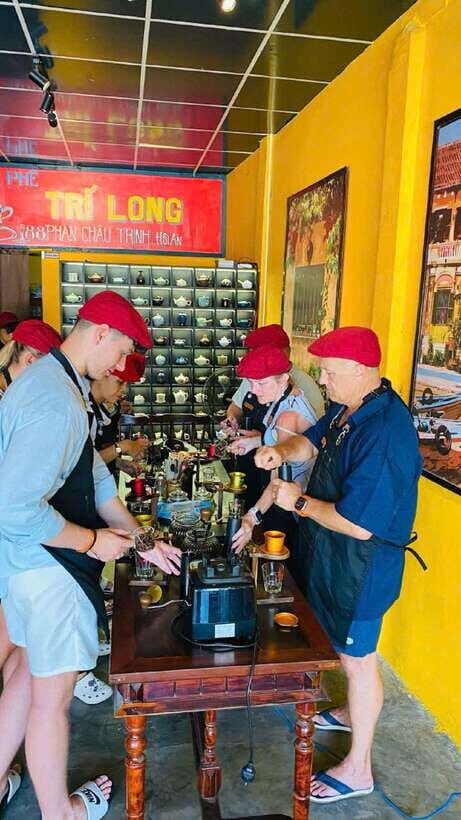
The timing is simple and easy to follow: welcome, coffee culture, pick your drinks, brew, relax with your cups, then Q&A and optional bean shopping. Each step has a reason, and together they turn coffee into a mini cultural lesson.
Welcome and coffee culture set-up
You start with a brief welcome and an overview of what happens next. Then the instructor shifts into Vietnam’s coffee culture, including how coffee moves from bean to cup. This is where you learn the big picture before you touch any tools.
Coffee roasting and brewing basics (with local context)
The workshop explains roasting methods and brewing techniques as they relate to Vietnamese styles. Even if you don’t care about technical details, this part helps you understand why Vietnamese coffee often tastes bold and sweet—especially when you see how the brewing method concentrates flavor.
You can also read our reviews of more tours and experiences in Hoi An



Picking 2 signature drinks from 4 styles
Next you select any 2:
- Phin filter coffee
- Egg coffee
- Coconut coffee
- Salt coffee
This choice is more than a gimmick. It’s your chance to aim for what you’re genuinely curious about. Many people go for one classic (phin) plus one experimental style (egg, coconut, or salt). If you’re with a friend or family member, you can split choices so you both learn different techniques.
Hands-on making: you build the cups
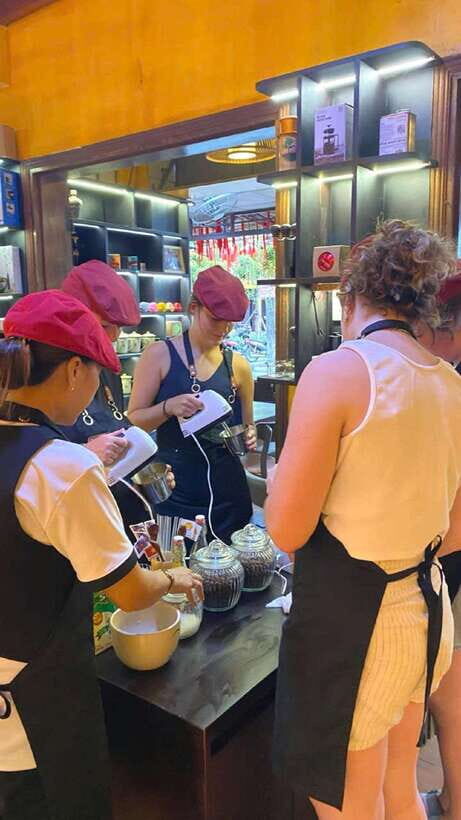
The main work happens next, usually around 25–30 minutes. You’ll make both selected coffees step-by-step with expert guidance. The tools and ingredients are provided, so you’re not hunting for anything odd or complicated.
If you’re traveling with kids, this section often lands well because it’s interactive and paced. One family of four made different combinations, and everyone was able to participate without feeling out of their depth.
Enjoy your creations, then Q&A
After brewing, you sit and relax with the two cups you made. You can take photos and actually taste your work (the class gives you time for that, not just a quick sip and run). Then you finish with Q&A and a chance for optional bean shopping.
The Four Vietnamese Coffees You Can Make (and How to Choose)
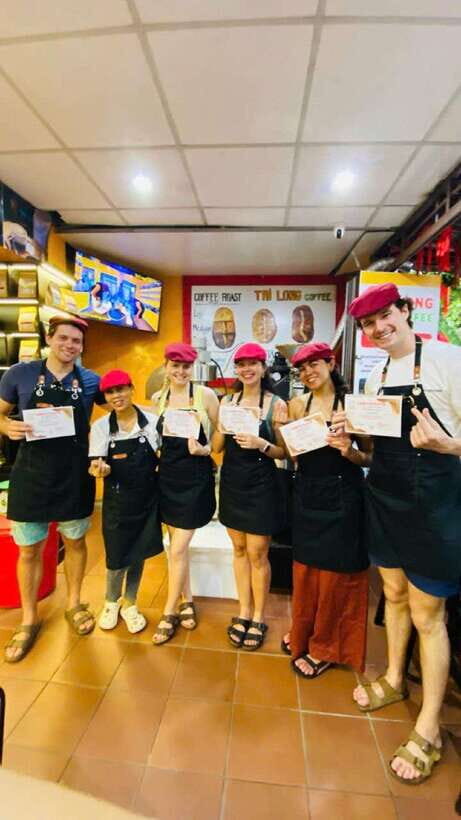
The workshop’s biggest strength is that it doesn’t treat all Vietnamese coffee the same. Each of the four styles brings a different texture and flavor idea, and you get to practice the method that makes it happen.
Phin coffee: the classic filter experience
If you want to understand the Vietnamese coffee foundation, phin filter coffee is the anchor. It’s the style you’ll see across Vietnam, and learning it first makes the other flavors easier to interpret. You’ll likely appreciate it even more after you understand how the brewing method shapes the cup.
Egg coffee: creamy sweetness with a technique behind it
Egg coffee is famous for a reason: the texture. You learn how it’s made and what gives it that creamy, custard-like feel. Several participants highlighted egg coffee as part of a successful pair selection, especially when paired with coconut or salt coffee.
Coconut coffee: refreshing and easy to like
Coconut coffee shows up as a standout favorite in multiple accounts, including people who called it refreshing and delicious—especially as an iced style. If you tend to prefer sweet, milky flavors, coconut is often the safest bet for a “wow” moment.
Salt coffee: the surprising one worth trying once
Salt coffee gets attention because it tastes unusual in a good way: not salty like popcorn, but balanced. Some people describe it as memorable, and it’s a great choice if you like tasting experiments that still feel grounded in local tradition.
Brewing Step-by-Step: How the Instructor Helps You Actually Succeed
This workshop is designed for beginners, and the difference shows in how the class is structured. You’re not expected to know the equipment. You’re shown what to do, then you repeat it. That’s why the experience works even if you’ve never made coffee beyond pressing a button at home.
Roastery tools and simple equipment setup
The roastery provides the necessary tools and ingredients. One review even noted that the ingredients are globally easy to source and the process doesn’t require complicated equipment. That’s a big deal if you’re wondering whether you’ll be able to recreate anything later.
Step-by-step guidance while you work
The barista guides you through each technique as you make your two drinks. Past guests consistently mention that instruction in English is clear and that the team is friendly and responsive to questions. That matters because it turns a class from passive learning into real skill-building.
You’ll get practice making two cups, not one
Many coffee classes stop at one drink. Here, you make two cups yourself. That repetition is what locks in the method in your head. If you choose two very different styles—like egg plus salt—you’ll likely feel the contrast more clearly when you taste both back-to-back.
No hard push to buy
A couple of reviews point out there wasn’t a big sales push during the workshop. That’s a comfort factor for you. You can learn, enjoy, and only shop if you genuinely want to.
Relaxing With Your Cups: What the End of the Workshop Usually Feels Like
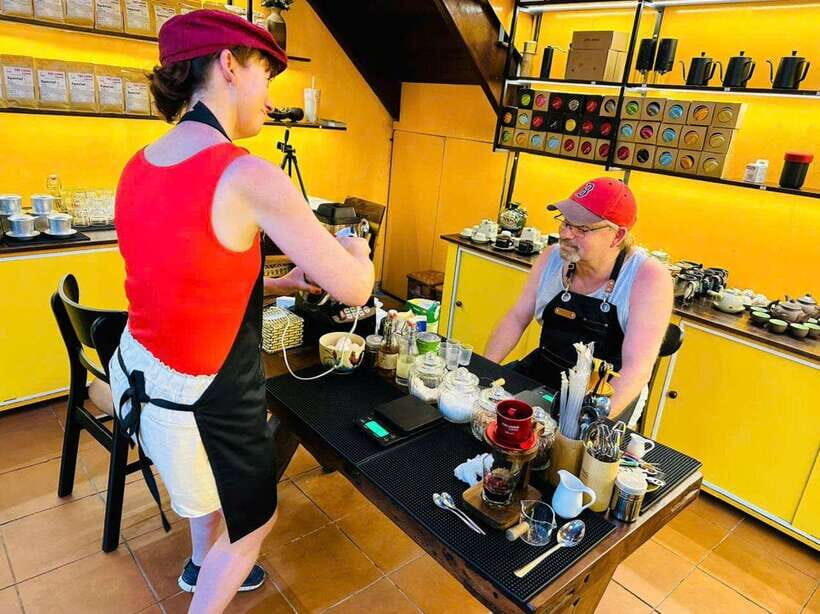
Once your drinks are ready, you sit down in a cozy, music-filled space. This is one of the better parts because it gives you a proper transition from work mode to taste mode. You’re not leaving immediately after brewing.
Q&A time where you can ask what you actually wondered
The session includes Q&A (plus optional bean shopping). This is where you can ask about roasts, brewing, or how to recreate the style at home. If you’ve got a coffee question that’s been nagging at you since you arrived in Vietnam, this is the moment to ask it.
Recipe printouts and completion certificates (reported by guests)
Some past participants mention leaving with a printout of recipes, and others note receiving a certificate. That’s not listed as a formal inclusion, but it appears often enough in real experiences that it’s worth knowing: you might leave with helpful notes to try later.
Taste and compare your own pair
Because you make two drinks, you can compare them right away. This is especially useful for styles like coconut versus egg, or phin versus salt. You’ll quickly learn what you personally prefer—then you can order confidently later around Hội An.
Practical Tips: What to Bring, What to Know Before You Go
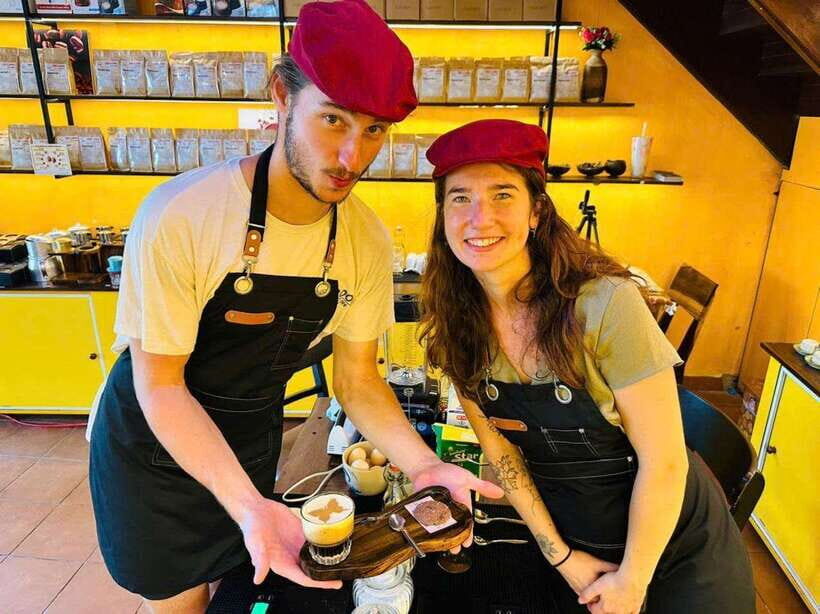
Bring:
- Comfortable shoes
- Hat
- Camera
- Sunscreen
- Water
Not allowed:
- Smoking
A small heads-up based on how the workshop operates: because it takes place inside a coffee shop and other groups can be present, the class can feel slightly rushed when turnover is quick. If you’re sensitive to time pressure, you might benefit from arriving early and asking any questions during the Q&A segment rather than trying to fit extra questions between brewing steps.
Also, since you’re choosing 2 of 4 drinks, think ahead. If you want to learn the widest variety, you can pick one “classic” style plus one “signature twist.” If you’re traveling with someone, consider splitting choices so you both cover more ground.
Who This Workshop Best Fits (and Who Might Want a Different Activity)
This is a strong fit if:
- you’re a coffee lover who wants more than a tasting
- you want an activity that’s fun and hands-on, not lecture-heavy
- you like getting practical skills you can try at home
- you’re traveling with friends or family and want everyone involved
It’s especially good if you like the idea of egg coffee, coconut coffee, or salt coffee but you don’t want to guess. The class gives you the technique so the flavors make sense.
If you’re the type who already knows your way around brewing methods and wants deep technical instruction, you might find this short. It’s built for beginners and for enjoying the process, not for advanced barista training.
Should You Book This Hoi An Coffee Workshop?

I’d book it if you want a compact, high-satisfaction experience that teaches you how Vietnamese coffee is made—then lets you drink your own results right away. At $16 and with two cups included, it’s good value for what you actually do: choose, build, taste, and ask questions.
Skip it only if you hate hands-on activities or you’re strictly looking for a full-day tour with lots of wandering and sightseeing. This is a coffee-focused session, and the best part is the learning and the cups you make.
If your plan includes time around central Hội An, this is one of those activities that adds real flavor to your trip—literally.
FAQ
How long is the Vietnamese coffee-making workshop?
It runs about 1 hour (with a typical total duration of 60–75 minutes).
What coffee styles can I choose from?
You can choose 2 drinks from four signature options: phin filter coffee, egg coffee, coconut coffee, and salt coffee.
Will I make one coffee or two?
You make two cups yourself, based on the two styles you choose.
Is the workshop beginner-friendly and in English?
Yes. The workshop is suitable for beginners, and instruction is offered in English.
Where do I meet the guide?
You meet at Trí Long Coffee, 88 Phan Châu Trinh Street, Hội An. The guide stands outside wearing a red hat.
Is hotel pickup included?
No. Hotel pickup or transportation is not included.