REVIEW · HOI AN
Hoi An: Traditional Cooking Class & meal with Local Family
Book on GetYourGuide →Operated by Hoi An Eco Travel · Bookable on GetYourGuide
A good cooking class should teach you why, not just what. This one runs in the Hoi An countryside with a real meal at the end, plus step-by-step guidance from an English-speaking chef. I love how hands-on it is, and I love the friendly, laugh-filled group energy; the one drawback is it’s not suitable for mobility impairments, so plan accordingly.
You’ve got a few timing options too, from daytime sessions to an evening class that can be set up in a garden area. Expect welcome tea, then a full cooking session where you make around four local dishes (pancakes and spring rolls show up often), followed by eating what you cooked and chatting with the group.
If you’re hoping to leave with a handful of dishes you can repeat at home, this is the kind of class that actually sticks. Many participants also note they get recipes to take away, and the instructors are big on photos and videos during the process—so you don’t just leave with full bellies.
In This Review
- Key highlights worth your time
- Hoi An cooking class in the countryside: what makes it feel authentic
- Cam Thanh Village vs Tra Que Herbs Garden: where your class is based
- The timing options: daytime 10:15/16:15 or evening 18:00
- Welcome tea, then hands-on cooking: how the class actually runs
- What you’ll cook: the dishes that teach real Vietnamese technique
- After class: eating what you made, plus recipes to take home
- English-speaking chef + small group: what that means for you
- Price and value: $23 for ingredients, meal, and real instruction
- Practical tips: how to show up and get the most
- Who should book this cooking class in Hoi An
- Should you book it? My straight take
- FAQ
- What time does the cooking class start in Hoi An?
- How long is the cooking class?
- Do I get lunch or dinner with the tour?
- Is an English-speaking chef included?
- Is the class vegan/vegetarian friendly?
- Is hotel pickup included?
Key highlights worth your time
- Daytime or evening slots (10:15, 16:15, or 18:00) so you can match your Hoi An schedule
- Small-group vibe with plenty of hands-on participation
- Four-dish menu built around popular Vietnamese flavors like spring rolls
- English-speaking teaching with quick explanations as you cook
- Countryside setting that feels away from the main tourist streets
- Take-home value with recipes and lots of food to eat at the end
Hoi An cooking class in the countryside: what makes it feel authentic
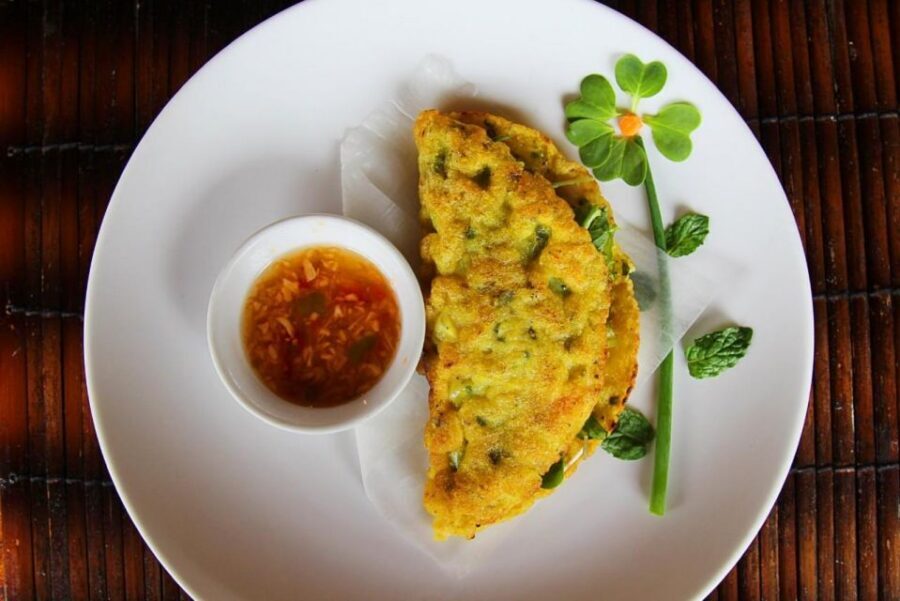
This isn’t a factory-style cooking demo where you watch while someone else works. The format is active from the start: you’re at the station, you’re doing the prep, and you’re learning the technique behind the dish. That matters in Vietnam, because so many flavors come from small choices—how thin something is sliced, how long it’s fried, or when you season.
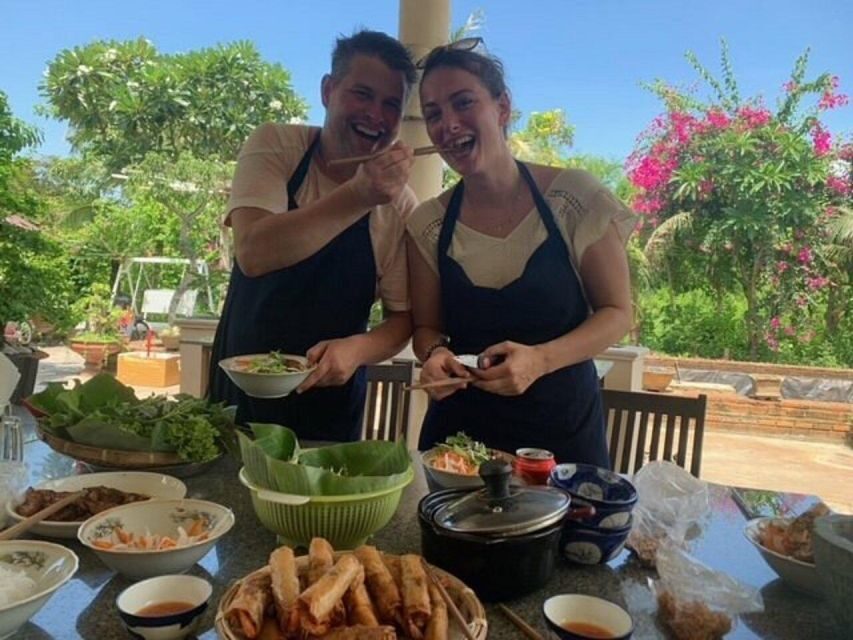
What I like most is the tone. The classes have a relaxed, slightly playful feel, and multiple instructors are described as funny and engaging. That lowers the stress level for beginners. If you’ve never rolled a spring roll or mixed batter without panicking, you’ll still feel like you can keep up.
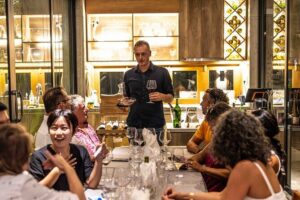
There’s also a social payoff. After cooking, you sit down and share the meal, which turns the whole thing into more than just a ticketed activity. You end up talking with people at your table, comparing what you made, and swapping tips for how to recreate the dishes later.
You can also read our reviews of more cooking classes in Hoi An


Cam Thanh Village vs Tra Que Herbs Garden: where your class is based
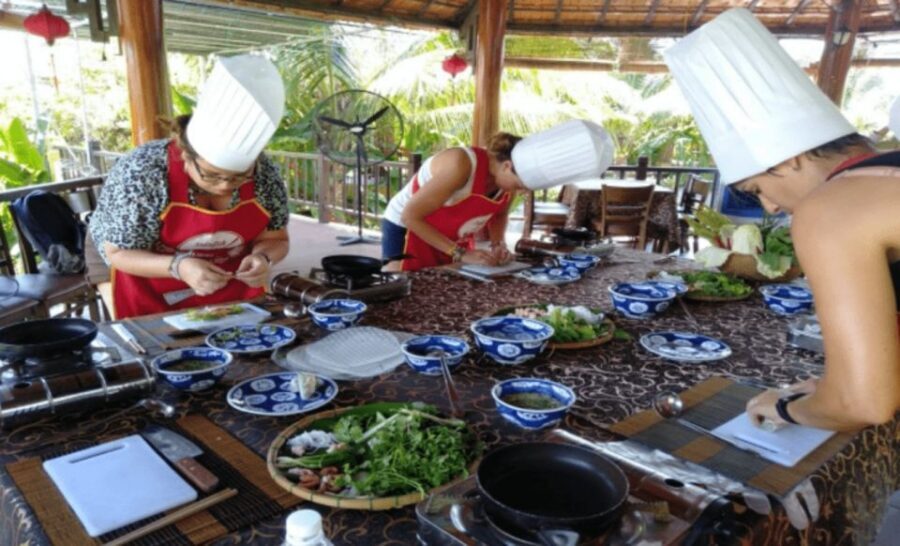
Hoi An gives you two different “setting flavors,” depending on the option you book:
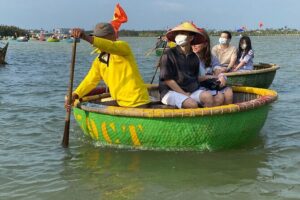
Cam Thanh Village is linked to daytime cooking sessions, and it’s described as a peaceful, countryside area near water. One reason that works so well is the change of pace. You’re not just cooking—you’re stepping into a slower rhythm, then coming back to a structured class.
Tra Que Herbs Garden is where evening classes can take place. If you like the idea of cooking while surrounded by herb-growing vibes, this is the option to pick. Even if you don’t care about gardening, the setting often makes the meal feel more special because the space feels calm and local rather than “tour bus nearby.”
A practical note: meeting points can vary by option. The provider reconfirms details, so it’s smart to send your WhatsApp contact when you reserve. That’s usually the difference between a smooth arrival and a little time spent figuring it out on foot.
The timing options: daytime 10:15/16:15 or evening 18:00
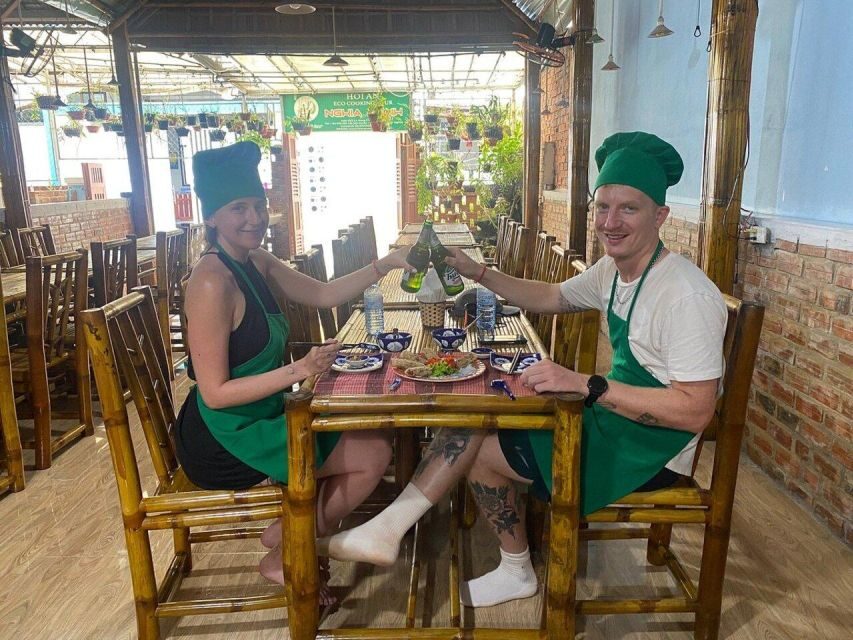
You can plan your day around the class, not the other way around. The tour offers:
- Daytime at 10:15
- Daytime at 16:15
- Evening at 18:00
The class duration is listed as 150 to 210 minutes, which is a real half-day commitment—long enough to learn technique and not feel rushed.
Daytime sessions are great if you want energy early and you’d rather not plan your evening around dinner. The late afternoon slot (16:15) can also work nicely if you want a morning of sightseeing, then a class that carries you into the meal.
The 18:00 slot is best if you want the more “after-hours” feel and you don’t mind that daylight is fading while you cook. If you’re someone who gets tired from full-day heat, the evening class can feel more comfortable.
Welcome tea, then hands-on cooking: how the class actually runs
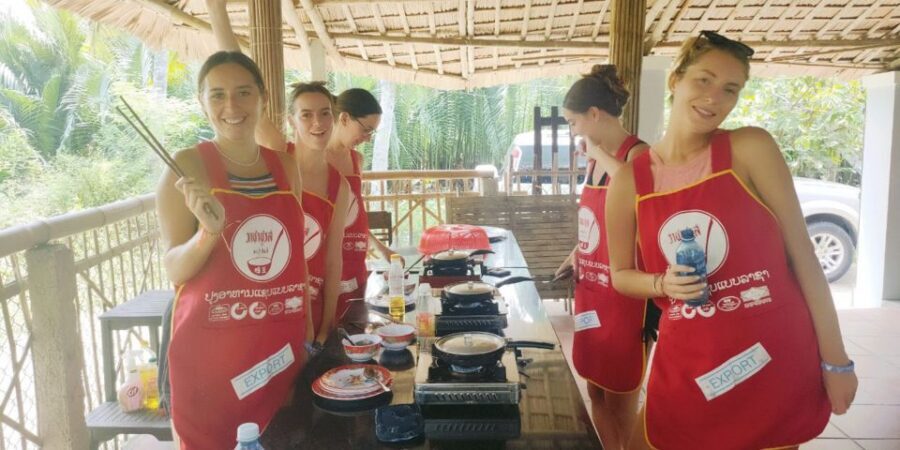
Before you start cooking, there’s a welcome tea and time to rest at the restaurant. That’s not just a nice touch; it keeps the group calmer so the cooking begins with momentum instead of chaos.
Then you move into the cooking portion. The teacher gives detailed, step-by-step instructions in English, and the class focuses on making traditional popular dishes using good-quality ingredients. The most common menu items mentioned include:
- pancakes
- spring rolls
- plus other local dishes that round out the total to about four dishes
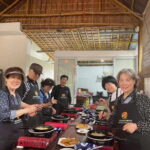
You typically prep together, cook together, and then taste together. The rhythm is important: you’re not trying to memorize a recipe while doing it once. You get repeated guidance, and the instructor checks that the group is moving in the same direction.
Equipment and setup can vary depending on the exact venue choice, but reviews often highlight solid facilities and a comfortable layout—sometimes indoor/outdoor by the water. That matters because it keeps the class functional even when the weather changes.
What you’ll cook: the dishes that teach real Vietnamese technique
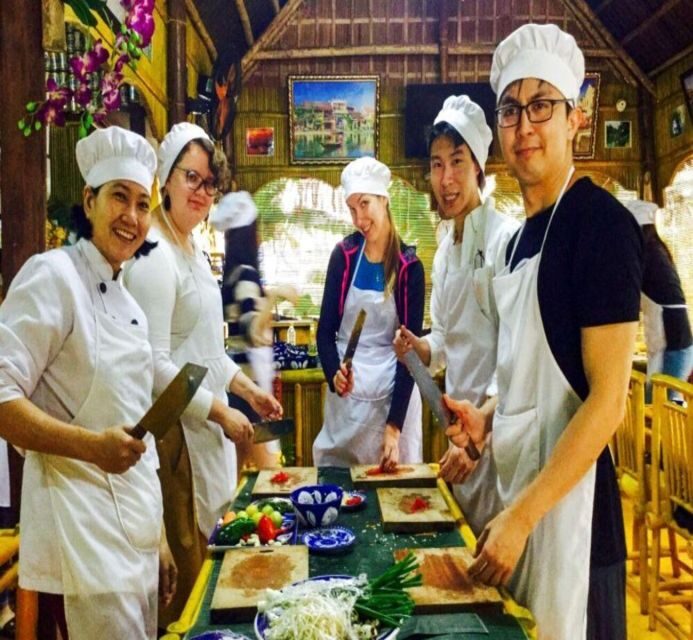
The menu is built around popular dishes people actually make at home, so it’s not just about novelty. The class commonly teaches four local dishes. Spring rolls and pancakes are repeated often, which tells you something: these are training dishes. They teach texture, timing, and seasoning balance.
Here’s the kind of value you should look for when you see a menu like this:
Spring rolls
You learn wrapping and frying (or cooking) technique—plus how to keep the filling flavorful without it turning soggy. If you’ve ever had spring rolls that tasted like fried dough and nothing else, this is where you fix that at home.
Pancakes
Pancakes in Vietnamese cooking can be more about the batter and heat control than fancy ingredients. If you learn how batter consistency and pan temperature interact, you’ll get a “repeatable” skill, not a one-off meal.
The other two dishes
Even when exact names vary by day, the structure stays similar: multiple cooking methods, multiple flavors, and enough variety that the final meal feels like a feast, not a snack.
A small but meaningful bonus: the chef usually explains why you do steps in a certain order. You might notice that some instructors bring humor into the lessons, but the teaching itself stays practical—enough context that you can recreate the dishes without guessing.
You can also read our reviews of more tours and experiences in Hoi An


After class: eating what you made, plus recipes to take home
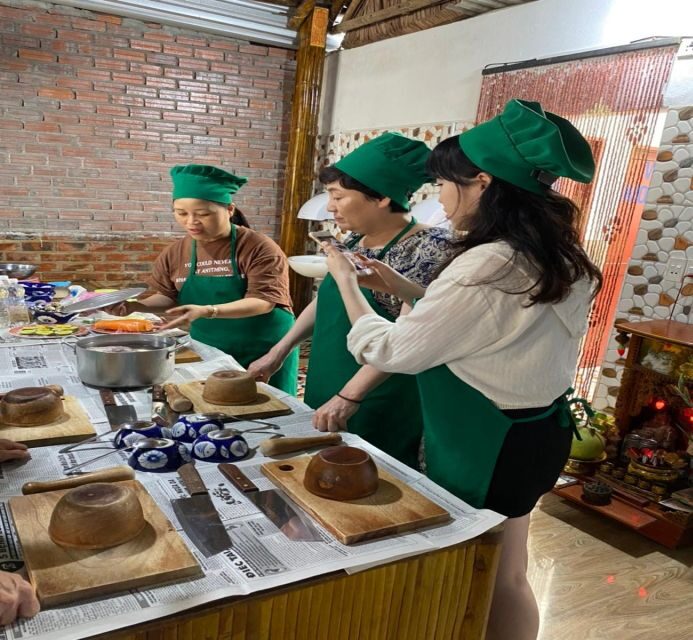
This is where the experience becomes more than a class. After the cooking lesson, you eat what you cooked. The meal is included as lunch or dinner (depending on your time slot). And in reviews, people describe the meal as abundant—so you should go hungry, not snack beforehand.
You’ll also get to share the dishes and chat with other participants. This part sounds simple, but it changes the whole vibe. You’re not just tasting; you’re comparing and learning what other people did well.
One detail that comes up repeatedly: you may receive recipes to take away. That’s a huge factor for value. A cooking class is only worth it if you can actually reproduce it once you’re back home. Recipes turn your memory into a plan.
Also, instructors often take photos and videos during the session. Even if you don’t care about social media, it’s a nice way to remember the steps and the dishes later—especially if you want to cook again.
English-speaking chef + small group: what that means for you
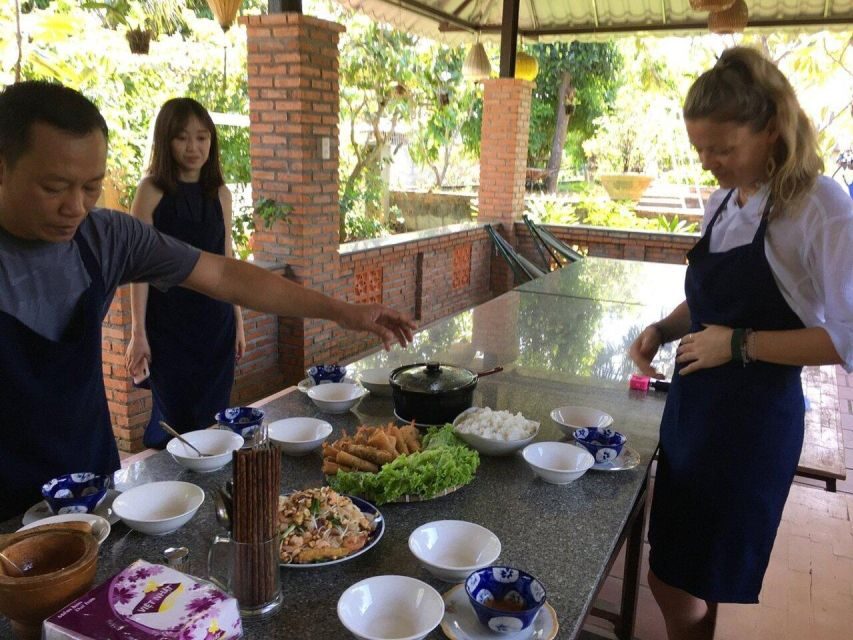
“English-speaking” is the headline for most people, but what you care about is clarity. The chef follows step-by-step directions, and reviews repeatedly mention instructors with strong English and teaching that keeps everyone involved.
The group is typically a small group, and some reviews mention group sizes around eight. That’s ideal. In big classes, you can spend the whole time waiting your turn. In a smaller group, you get feedback while you’re cooking, not after.
The best thing here is participation. Reviews describe instructors making sure everyone joins in—so even if you’re quiet or new to cooking, you’re not stuck watching. And yes, many instructors have a sense of humor, which makes it easier to relax while you handle hot pans and unfamiliar techniques.
Price and value: $23 for ingredients, meal, and real instruction
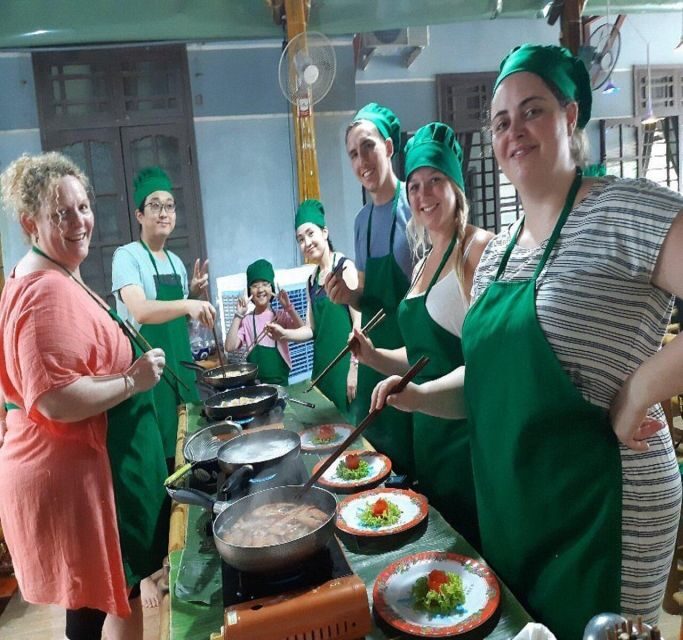
At $23 per person, the value is strong for what you get. You’re paying for more than a cooking session:
Included items are an English-speaking chef, welcome tea, all ingredients, and lunch/dinner.
Not included: drinks and personal expenses, and hotel pickup/drop-off (pickup is optional in the Hoi An area).
When you compare this to other cooking experiences, the value mostly comes from two things:
- You eat what you make. That meal isn’t an afterthought. It’s part of the product.
- You get guided instruction while using quality ingredients. That’s how the class actually teaches skills, not just showmanship.
If you’re already spending money on tours and casual meals in Hoi An, this is one of the few activities that combines both: a hands-on lesson and a full meal in one block of time.
Practical tips: how to show up and get the most
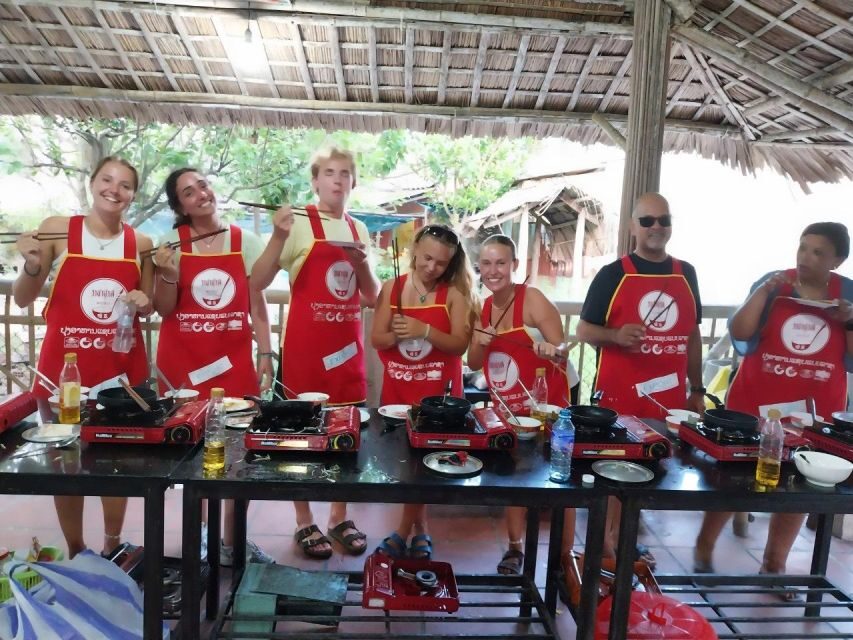
Here’s how to make your class go smoothly:
- Message with WhatsApp after booking. The provider reconfirms meeting time and location, so this helps you avoid arrival confusion.
- Plan footwear for outdoor bits. Some venues are described as indoor/outdoor by water, so comfy shoes matter.
- Go hungry, then slow down. Reviews say there’s a lot of food. You’ll want space for seconds.
- Ask about the vegan/vegetarian option when booking. It’s available as requested, so don’t wait until you arrive.
- Be ready to laugh a little. Instructors often keep it light. If you’re expecting quiet, serious cooking school vibes, you’ll still learn—but the energy may surprise you.
And one caution: this activity is listed as not suitable for people with mobility impairments. If that applies to you, it’s worth considering a different type of activity in Hoi An.
Who should book this cooking class in Hoi An
Book it if you want:
- hands-on Vietnamese cooking, not a watch-only experience
- a small-group setting with an English-speaking chef
- classic dishes like spring rolls that you can realistically repeat later
- a countryside break from the main Hoi An streets, with a proper sit-down meal
Skip it if:
- you have mobility needs that don’t work with a countryside, likely mixed indoor/outdoor setup
- you’re only looking for a quick tasting with no real cooking
This also works well for couples, friends, and families with teens. One review describes it as a great option to do with a son, thanks to the interactive format.
Should you book it? My straight take
If you want one of the better-value activities in Hoi An that actually teaches you something, this cooking class is easy to recommend. The combination of English instruction, four-dish hands-on practice, and a meal that rewards your effort is exactly what makes these classes worth your time.
The main reason I’d hesitate is the accessibility limitation. If that’s not an issue for you, you’re in good shape. Pick the time slot that matches your energy—10:15 for full daytime momentum, 16:15 if you want a late meal slot, or 18:00 if you prefer the quieter evening garden feel.
If you’ve been debating between a “food tour” and a “cooking class,” this one leans into skills. You leave with more than memories—you leave with recipes and the confidence to cook at home.
FAQ
What time does the cooking class start in Hoi An?
There are daytime options at 10:15 and 16:15, and an evening option at 18:00.
How long is the cooking class?
The duration is listed as 150 to 210 minutes.
Do I get lunch or dinner with the tour?
Yes. The tour includes lunch for daytime slots and dinner for the evening slot.
Is an English-speaking chef included?
Yes. The tour includes an English-speaking chef and a live tour guide.
Is the class vegan/vegetarian friendly?
Yes. Vegan/vegetarian options are available as requested when you book.
Is hotel pickup included?
Hotel pickup and drop-off are not included. Pickup is listed as optional in the Hoi An area.