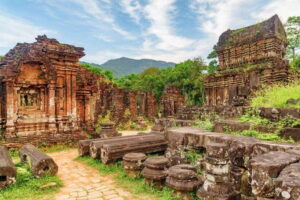
REVIEW · HOI AN
Hoi An Ancient Town Walking Tour with a Local
Book on Viator →Operated by Momo Travel · Bookable on Viator
Hoi An tells its story best on foot. This 3-hour walk links the Japanese Culture Gallery, the Japanese Covered Bridge, the Cantonese Assembly Hall, Quan Thang Ancient House, a traditional art show, and a market stop with a local guide.
I like that the pace stays human: you spend roughly 20–25 minutes inside the main heritage sites, then end with a longer hang at Hoi An Market. I also like the included pause—coffee/tea plus a special herbal tea—so you don’t just “power walk” through history.
One thing to plan for: the UNESCO entrance ticket isn’t included, so the final cost depends on paying that extra fee (and the tour expects good weather, which can affect timing).
In This Review
- Key highlights at a glance
- A 3-hour Hoi An walk that starts making sense fast
- Meeting point to market finale: an easy day flow
- Japanese Culture Gallery: where the timeline starts
- The Japanese Covered Bridge: a photo spot with explanations
- Cantonese Assembly Hall: color, design, and community power
- Quan Thang Ancient House: life inside merchant wealth
- Hoi An Traditional Art Performance Theatre: the ear-opening stop
- Hoi An Market: snacks, souvenirs, and the longevity angle
- Price and tickets: what $9.89 really means
- How the local guide changes the whole experience
- Who this tour fits best (and who should skip it)
- Practical tips before you go
- Should you book this Hoi An Ancient Town Walking Tour?
- FAQ
- How long is the Hoi An Ancient Town Walking Tour with a Local?
- What’s included in the tour price?
- Is the UNESCO entrance ticket included?
- What are the main stops on the tour?
- Where do I meet the guide, and where does the tour end?
- How big is the group?
- Do I need to book through a mobile ticket?
- Will I get a confirmation after booking?
- What happens if the weather is bad?
Key highlights at a glance

- Small group size (max 10) keeps the walk comfortable and the questions flowing
- Japanese and Cantonese stops show how multiple communities shaped Hoi An
- Multiple heritage buildings in one route saves you from figuring out what to see first
- Traditional art performance adds sound and rhythm, not just photos
- Herbal tea + coffee/tea break gives your legs a breather
- Plan for extra site fees since the UNESCO entrance ticket is not included
A 3-hour Hoi An walk that starts making sense fast
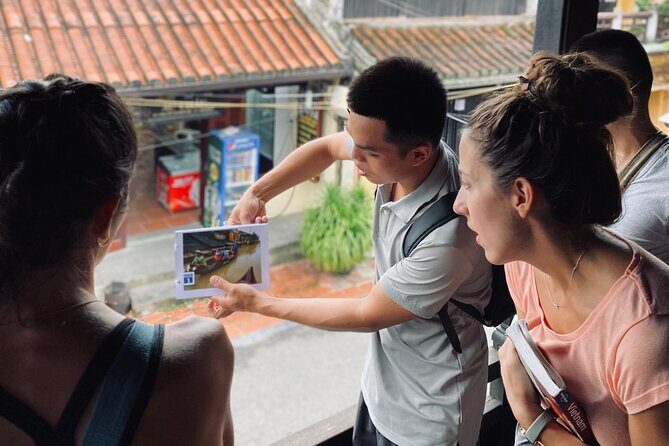
Hoi An can feel like a “great place to wander”… until you hit your third alley and realize you need context. This tour helps with that. In just about 3 hours, you cover several of the big UNESCO-zone anchors—plus the smaller, story-driven connections between them—so the town feels less random.
The small group (up to 10) matters. You don’t get dragged through lanes one-by-one. You also get space to ask quick questions when something catches your eye—like why the architecture shifts, or what different merchant communities were doing there.
You can also read our reviews of more walking tours in Hoi An



Meeting point to market finale: an easy day flow
The tour starts at 125 Đ. Phan Chu Trinh, Phường Minh An, Hội An and ends at Hoi An Market, 19 Trần Phú, Cẩm Châu, Hội An. That matters because it turns the end of the tour into a practical win: you finish where you’d go anyway.
You’ll move through the town on foot, with set time windows at each stop. Expect a steady rhythm rather than marathon wandering. If you’re short on time, this is the kind of structure that helps you avoid the common mistake: seeing a lot, learning almost nothing.
End your tour at the market and you can switch gears immediately—from heritage explanations to what Hoi An tastes like.
Japanese Culture Gallery: where the timeline starts
Stop one is Nhà trưng bày Văn hóa Nhật Bản (Japanese Culture Gallery). This is where you get the “why is this here?” foundation—how Hoi An got started and why Japanese communities were present.
What makes this stop useful is not just the exhibits themselves, but the framing. Once you understand the timeline, later architecture details start clicking. That gallery stop is also a quick entry point if you arrive unsure and slightly overwhelmed by Old Town choices.
A practical note: admission isn’t included for this stop. The tour lists site entry separately, so budget time and money to handle that without stress.
The Japanese Covered Bridge: a photo spot with explanations
Next up: the Japanese Covered Bridge. Sure, it’s famous for a reason, and yes, you’ll likely see it from the angle you’ve already pictured in your head. But the value here is in the story.
This bridge isn’t just a pretty crossing—it’s tied to the way communities traded, lived, and shared space. With a guide talking through the “what it symbolizes” angle, you stop viewing it as a backdrop and start seeing it as an object with local meaning.
Timing is short here (about 20 minutes), so the best move is to keep your phone ready—but don’t spend the full time only photographing. Listen for the bridge details you might otherwise miss.
Cantonese Assembly Hall: color, design, and community power
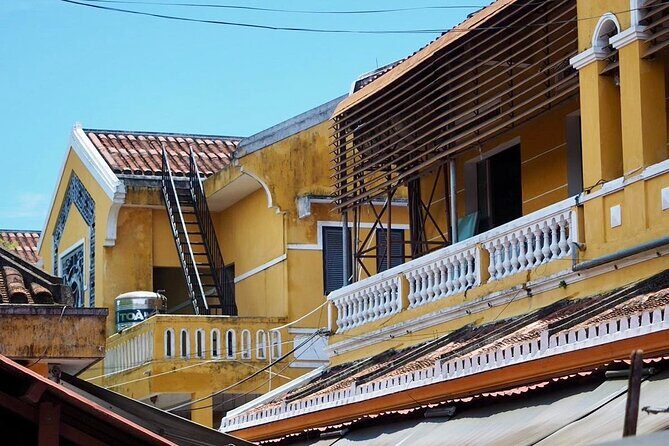
Then you shift to the Cantonese Assembly Hall. This stop is built around visual drama: ornate decoration, strong colors, and the kind of architecture that signals community importance.
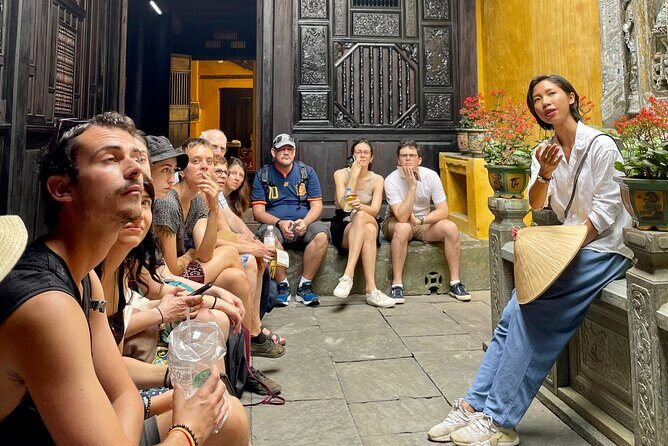
You’ll learn what the hall represents historically and why it mattered for Cantonese influence in Hoi An. This is a good moment to pay attention to “systems,” not just aesthetics—because assembly halls weren’t random buildings. They connected people, supported traders, and reinforced identity.
Plan for about 25 minutes. Again, admission is not included for the stop, so it’s smart to have the UNESCO-related ticket situation handled early.






Quan Thang Ancient House: life inside merchant wealth
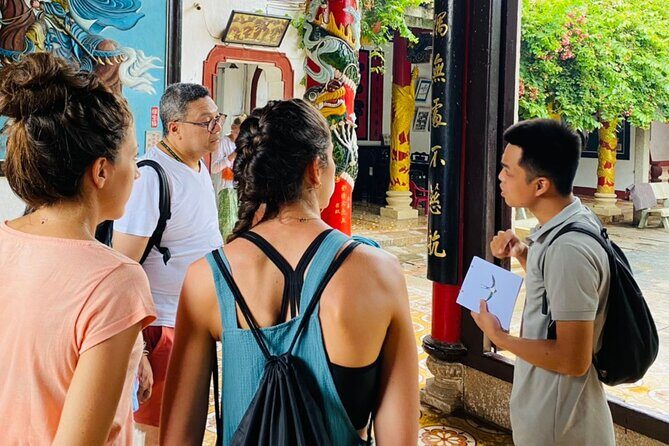
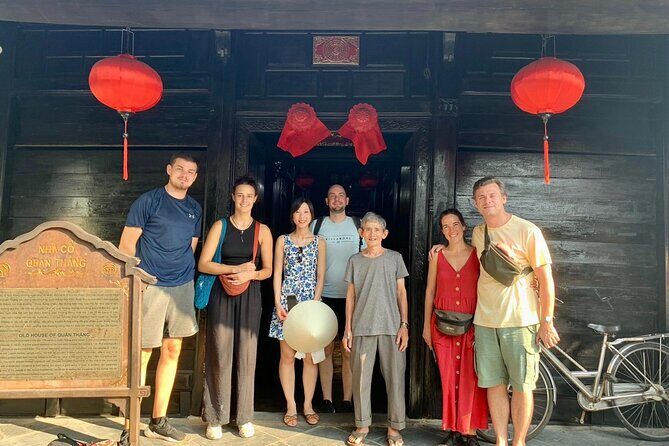
After the hall, you step into Quan Thang Ancient House. This is one of those stops that changes how you picture Old Town. Instead of thinking only about the street scene, you start thinking about rooms, family life, and daily rhythms.
This house is described as a well-preserved example that shows life for a prosperous merchant family. You’ll get a sense of how wealth translated into building design—and how families operated within the larger trading economy.
Time here is about 25 minutes, which is usually enough to notice structural features and understand the basic “how people lived” story, without dragging it into an all-day indoor museum feel.
Hoi An Traditional Art Performance Theatre: the ear-opening stop
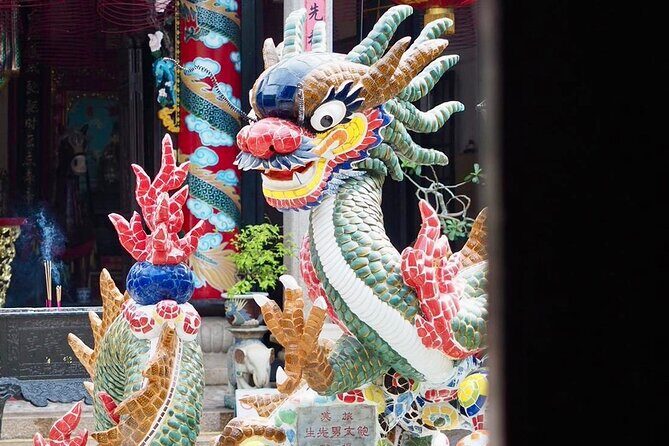
Stop five is the Hoi An Traditional Art Performance Theatre, where artists share traditional music, dance, and theater-style performance. This is the best contrast point in the route: after buildings and architecture, you finally get something you can’t fake with photos.
Even if you don’t catch every term your guide uses, you can still track what’s happening. Focus on the instruments and movement patterns. The tour description notes traditional instruments, which helps your brain categorize what you’re seeing.
Time is about 35 minutes here. You’ll want to treat it like a short show, not a long intermission—so sit/stand where you can actually watch, then absorb the explanations you get along the way.
Admission is not included for this stop either, so the same ticket planning applies.
Hoi An Market: snacks, souvenirs, and the longevity angle
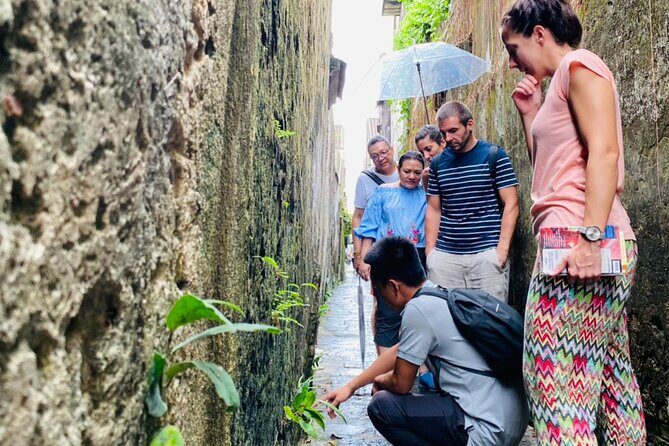
The tour ends at Hoi An Central Market. This stop is where you get to turn “learned facts” into “real-world experience.”
You’ll move from stall to stall and shop around, with chances to try local delicacies and see handmade items. What I like about ending here is that the market isn’t an afterthought. You’re finishing on purpose.
The tour also mentions a connection to the secret behind Hoi An people longevity. The exact details aren’t spelled out in the tour outline, but the structure suggests your guide ties that idea to local habits and food choices you’ll recognize while you walk.
This final 35 minutes is long enough to actually buy something if it grabs you—rather than just passing by with your coat still zipped.
Price and tickets: what $9.89 really means
The listed price is $9.89 per person, and it includes coffee/tea plus a special herbal tea. That’s a solid baseline value because you’re paying for a guided story route, not just entry into a building.
However, the big cost variable is the Hoi An UNESCO entrance ticket (120,000 VND per person), which is not included. Also, the tour notes admission not included for multiple stops.
So here’s how I’d think about it:
- If you were going to visit at least a few UNESCO-zone buildings anyway, paying the guide can save you time and mental load.
- If you only plan to see one or two places and skip the rest, the ticket add-on may make another self-guided day smarter.
Also check how you’ll handle currency. Having some local cash ready makes the “ticket + small purchases” part of the day smoother.
How the local guide changes the whole experience
This tour is built around a local guide who keeps you moving while also explaining the “why.” In the guide names shared in experiences, you’ll see a pattern: people feel the guides are friendly, energetic, and able to explain history in everyday language.
You’ll also likely get practical takeaways at the end—like recommendations for where to eat and what to do next. For example, one guide style you’ll want to watch for is the “wrap-up list” approach: places to try on your own after the tour, plus advice like how to time a lantern boat ride.
Here’s how you can get more out of it while you’re there:
- Ask one “why did they build it like that” question at the Japanese Covered Bridge.
- Ask one “how did merchants live here” question during Quan Thang Ancient House.
- Ask what you should try at the market based on what you saw during the tour.
The small group size helps you actually get answers instead of listening from the back of a crowd.
Who this tour fits best (and who should skip it)
This is a great match if you:
- want a short, structured way to learn Hoi An without spending hours researching
- enjoy walking and small-group pacing
- like seeing how different communities shaped the town (Japanese + Cantonese examples)
- want an ending that leads naturally to food and shopping
You might think twice if you:
- hate walking or prefer fully self-paced visits
- want to spend lots of time in one building rather than multiple brief stops
- don’t want to deal with separate admission costs for UNESCO-zone sites
Practical tips before you go
- Wear shoes that handle cobblestones and uneven Old Town lanes. Your feet will do the heavy lifting here.
- Bring a light layer. Even with “good weather,” Hoi An can feel warm and bright for long stretches.
- Keep some cash aside for tickets and small purchases at the market.
- If you care about photos, take them quickly, then switch to listening. The best moments are the ones you understand while you’re standing in front of them.
Also, the tour is weather dependent in the sense that it requires good conditions. If the weather is poor, the plan can change (and you should expect a different date option or a refund).
Should you book this Hoi An Ancient Town Walking Tour?
Yes—if you’re trying to get oriented and you want the town’s details explained in a way that makes the rest of your trip easier. The mix of Japanese architecture, Cantonese influence, merchant-house life, a traditional performance, and a market finale is a strong use of time.
I’d say don’t book only if you already have a clear self-made plan for the UNESCO-zone buildings and you’re comfortable reading your way through the stories alone. Otherwise, for the price—plus coffee/tea and a local guide doing the heavy lifting—it’s a smart way to start Hoi An.
FAQ
How long is the Hoi An Ancient Town Walking Tour with a Local?
It’s about 3 hours.
What’s included in the tour price?
Coffee and/or tea are included, including a special herbal tea.
Is the UNESCO entrance ticket included?
No. The Hoi An UNESCO entrance ticket is listed as 120,000 VND per person and is not included.
What are the main stops on the tour?
The tour includes the Japanese Culture Gallery, Japanese Covered Bridge, Cantonese Assembly Hall, Quan Thang Ancient House, Hoi An Traditional Art Performance Theatre, and ends at Hoi An Market.
Where do I meet the guide, and where does the tour end?
The meeting point is 125 Đ. Phan Chu Trinh, Phường Minh An, Hội An, Quảng Nam. The tour ends at Hoi An Market, 19 Trần Phú, Cẩm Châu, Hội An, Quảng Nam.
How big is the group?
The maximum group size is 10 travelers.
Do I need to book through a mobile ticket?
Yes, the tour uses a mobile ticket.
Will I get a confirmation after booking?
Confirmation is received at the time of booking.
What happens if the weather is bad?
The experience requires good weather. If it’s canceled due to poor weather, you’ll be offered a different date or a full refund.