REVIEW · HOI AN
Hoi An Walking Tour
Book on Viator →Operated by Vacation Indochina Travel · Bookable on Viator
Two landmarks explain Hoi An fast. This 4-hour private walking tour starts at 8:00 am with an orientation near the historical museum area, then guides you through the Japanese and Chinese heritage that still shapes the old streets. I really liked the English-speaking guide and how they connect each site to everyday Hoi An life.
The tour feels like solid value because your transfers, drinks, and admission fees are handled up front. I also loved getting bottled water plus fresh coconut water, and that entry to the big second stop is included.
One caution: it’s weather-dependent, and the scheduled time at each stop is fairly short (about 15 minutes at the bridge and 30 minutes at the assembly hall). If you want to linger, you may wish you had a slower pace and more time for extra questions.
In This Review
- Key highlights at a glance
- Entering Hoi An’s Story in Just Four Hours
- Price and Logistics: What $69 Covers (and Why That’s Fair)
- Starting at 8:00 am: Transfers, a Museum-Meeting Intro, and Getting Your Bearings
- Stop 1: Japanese Covered Bridge (Chua Cau) and the Meaning of a Pagoda Bridge
- Stop 2: Fukian Assembly Hall (Phuc Kien) and Thien Hau, Goddess of the Sea
- Why the Guide Matters: Humor, Helpfulness, and Practical City-Reading
- Getting Value from a Short Tour: How to Make the Most of 4 Hours
- Weather and Comfort: The One Condition You Can’t Ignore
- Who This Walking Tour Fits Best
- Should You Book This Hoi An Walking Tour?
- FAQ
- What is the duration of the Hoi An Walking Tour?
- What time does the tour start?
- Is hotel pickup included?
- Is this tour private?
- Which stops are included?
- Are admission fees included?
- Are drinks included?
- Are meals included?
- What if the weather is bad?
- How does cancellation work?
Key highlights at a glance
- Private group only for you, with an English-speaking guide
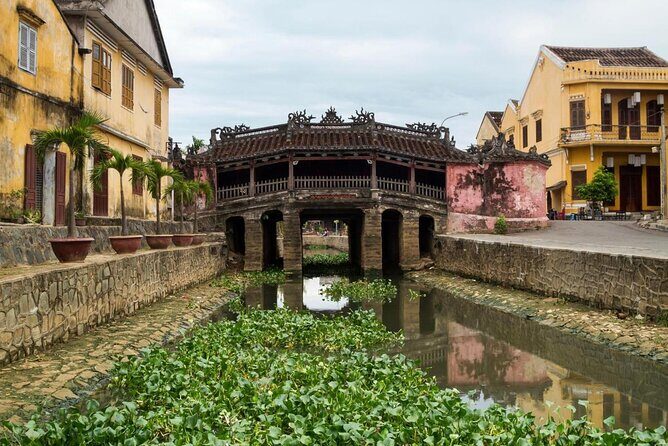
- A free-fee first stop at the Japanese Covered Bridge (Chua Cau)
- Phuc Kien / Fukian Assembly Hall tied to Thien Hau, the sea goddess
- Cooling drinks included, including bottled water and fresh coconut water
- Strong track record with a 4.9 rating and 99% recommendation rate (269 reviews)
Entering Hoi An’s Story in Just Four Hours
A good Hoi An walk should do two things fast. First, it should help you read the town. Then it should help you enjoy it without feeling lost after 10 minutes.
This one starts with a quick orientation near a historical museum area. You get an overview of the town’s historical process and cultural background before you step into the street-level details. That matters, because Hoi An can feel like a maze of old facades and lanes. A short setup helps your eyes do their job.
Then the tour goes straight to two signature heritage landmarks. You’re not juggling a long list of stops. You’re getting time where the town’s outside influences left clear physical traces.
You can also read our reviews of more walking tours in Hoi An



Price and Logistics: What $69 Covers (and Why That’s Fair)

At $69 for roughly four hours, the value comes from what’s included, not just the number. You get hotel-to-visit-area transfer and the ride back after the walk. That alone saves you time (and the hassle of figuring out streets and pickup points early on).
Your guide speaks English, and your admission fees are included. On top of that, you receive bottled water and fresh coconut water, which is a practical win in the heat and humidity you’ll likely meet in central Vietnam.
Meals are not included, so plan to handle lunch on your own after the tour. Also note tips are not included. If you like a guide who takes care of you in the details, budget a tip like you would on any other guided experience.
Starting at 8:00 am: Transfers, a Museum-Meeting Intro, and Getting Your Bearings

The tour starts at 8:00 am. That early timing is helpful if you want your first look at old Hoi An when the light is still friendly and your legs aren’t cooked.
You’ll be picked up with a car transfer from your hotel to the visit area, then returned from town afterward. This is a simple, low-stress setup. You spend less time negotiating transport and more time learning what you’re seeing.
Before you hit the main landmarks, the tour includes a meeting/briefing element near the historical museum area. Expect an overview of the town’s background and culture. It’s the kind of prep that makes the bridges, halls, and street signs make more sense once you’re standing in front of them.
Stop 1: Japanese Covered Bridge (Chua Cau) and the Meaning of a Pagoda Bridge
The Japanese Covered Bridge, also called the Pagoda Bridge (Chua Cau), is your first stop. You’ll have about 15 minutes here, and you won’t pay an admission fee.
The tour frames the bridge’s story with an important detail: it was built by Japanese craftsmen who were part of a larger Japanese merchant community active in Hoi An. That’s not just trivia. It changes how you read the structure. You can look at the design and understand it as a living clue to trade-era connections, not just an old photo spot.
With only a short window, your best move is to go in ready to observe. Spend the first minute looking at overall form. Then let your guide point out the parts that connect it to the Japanese community and the broader merchant world. You’ll get more out of 15 minutes if you treat it like a guided checklist rather than a place to wander for an hour.
If you like bridges, this is a strong opener. It sets a tone: Hoi An’s past isn’t one culture. It’s a stack of them.
Stop 2: Fukian Assembly Hall (Phuc Kien) and Thien Hau, Goddess of the Sea
Your second stop is the Fukian Assembly Hall, also known as Phuc Kien, at 46 Tran Phu St. You’ll spend about 30 minutes here, and admission is included.
This hall is dedicated to Thien Hau, the goddess of the sea. That focus is key. Assembly halls weren’t only about decoration or architecture. They were places where communities gathered, held shared beliefs, and built a sense of support around work and risk.
Hoi An was historically tied to trade routes, so a sea goddess dedication is a natural fit. It’s a reminder that people who traveled across water needed protection, luck, and community back home. When you understand that, you’re less likely to treat the building like a sightseeing stop and more likely to treat it like a cultural checkpoint.
Since this stop lasts longer than the bridge, use the extra minutes to ask your guide what to look for. Look for how the space communicates devotion and community identity. If you’re the type who likes to take notes, this is a good place to jot down questions for your later exploration of the neighborhood.






Why the Guide Matters: Humor, Helpfulness, and Practical City-Reading
The best thing about this walking tour isn’t the landmarks alone. It’s how the tour “turns on” your understanding.
Across guide names shared in past feedback, you’ll notice patterns: guides like Nini and Huy are often praised for being very helpful and funny. That mix matters because a tour can feel either like homework or like a story with good pacing. Humor keeps you attentive without making it feel like a performance.
Other guides, such as Jesmine, are described as organised and calm, which helps if you’re traveling with a group that needs gentle structure. And guides like Dung and Annie/Anni are noted for being professional and making time feel special, with advice for what to eat or shop for while you’re in Hoi An.
If you’re worried about what happens on a wet day, you’ll be glad the tour team has handled that situation in the past. Your best plan is simple: pack light rain protection and be flexible. A good guide can keep the experience moving when weather changes your route.
One possible drawback to keep in mind: if you prefer maximum history at every exact moment, you might want to ask for deeper context. A past traveler specifically wanted more depth at stopping points. So if something sparks your curiosity, speak up early in the visit. Ask one question and you may get a better chain of explanations.
Getting Value from a Short Tour: How to Make the Most of 4 Hours
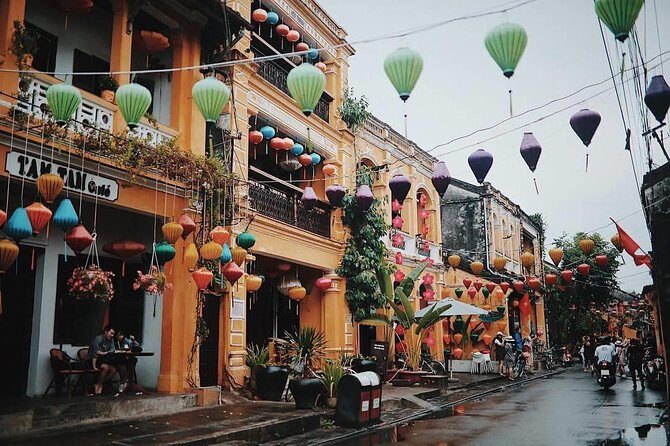
This is not a half-day where you can casually drift. It’s a focused walk. With about 15 minutes at the bridge and 30 minutes at the assembly hall, the experience is designed to hit the big story beats efficiently.
To get the most value, do two things before you meet your guide:
- Decide what you care about most: Japanese influence, Chinese community sites, or religious meaning tied to sea travel.
- Keep your phone ready for quick photos, but don’t let it eat your attention.
I’d also suggest wearing comfortable shoes. You’re walking, and the tour is short enough that you don’t want sore feet cutting your enthusiasm.
Since bottled water and coconut water are included, you don’t need to hunt for drinks mid-tour. Still, sip regularly. Dehydration can turn even a great story into a “get me back” mood.
Weather and Comfort: The One Condition You Can’t Ignore
The tour requires good weather. If conditions are poor, you’ll be offered another date or a full refund. That’s important because you’re on foot.
When weather is iffy, think practically:
- Bring a light layer or rain cover.
- Keep your schedule flexible that morning.
- Don’t plan a tight connection right after the tour ends.
This isn’t a tour you should try to force into a day that’s already packed and unchangeable. It’s best as an anchor activity.
Who This Walking Tour Fits Best
This experience is a great match if you want a clean, guided introduction to Hoi An’s cultural mix without spending the day zigzagging. It’s also a strong choice if you want private time with only your group, with an English-speaking guide and included admissions.
You’ll likely enjoy it if:
- You like heritage sites and want context, not just pictures
- You’re short on time and want two major stops done well
- You’d rather pay once and have key logistics handled, like transfers and tickets
It’s less ideal if you’re the type who hates a timed visit. With short stop durations, you may feel rushed if you’re also doing lots of independent wandering right after.
Should You Book This Hoi An Walking Tour?
I think this one is worth booking if your goal is to get oriented fast and see the town through two clear cultural lenses: Japanese influence at the Japanese Covered Bridge and community devotion at the Fukian Assembly Hall.
The best reason to choose it is the mix of included transfers, admissions, and drinks for a set 4-hour block. That reduces friction and makes the tour feel like money spent on access and interpretation, not logistics.
Book it especially if you like guided pacing and you appreciate practical help, including humor and clear explanations from well-reviewed guides such as Nini, Huy, Jesmine, Dung, and Annie/Anni. If you’re expecting unlimited time at every corner, consider planning extra self-guided time later so you can slow down where your interests pull you.
FAQ
What is the duration of the Hoi An Walking Tour?
It runs for about 4 hours.
What time does the tour start?
The start time is 8:00 am.
Is hotel pickup included?
Pickup is offered, with car transfer from your hotel to the visit area and transfer back after the tour.
Is this tour private?
Yes. It’s private, and only your group will participate.
Which stops are included?
You visit the Japanese Covered Bridge (Chua Cau) and the Fukian Assembly Hall (Phuc Kien).
Are admission fees included?
Yes. Admission fees are included, and the Japanese Covered Bridge ticket is free. The Fukian Assembly Hall admission is included as well.
Are drinks included?
Yes. You’ll receive bottled water plus fresh coconut water.
Are meals included?
No. Meals are not included.
What if the weather is bad?
The experience requires good weather. If it’s canceled due to poor weather, you’ll be offered a different date or a full refund.
How does cancellation work?
You can cancel for free up to 24 hours in advance for a full refund. Canceling less than 24 hours before the start time isn’t refundable.