REVIEW · HOI AN
Hoi An Ancient Town – Walking Tour with Local Guide
Book on GetYourGuide →Operated by CÔNG TY TNHH THANH HAI TRAVEL · Bookable on GetYourGuide
Hoi An gets easier with the right route. This small-group walk (max 10) covers the core sights with indoor break stops, so you stay comfortable while still seeing a lot in 150 minutes.
I love that it ends with something tasty and useful. You get tea or a local dessert, plus practical recommendations for restaurants, coffee shops, and even tailor shops from your guide.
One thing to plan for: the UNESCO-related entrance costs extra and is 120,000 VND, and you’ll need cash.
In This Review
- Quick hits before you go
- Why this Hoi An walk feels efficient without feeling rushed
- Meeting at 95 Phan Chu Trinh: your anchor point
- Price and value: what $14 buys you (and what it doesn’t)
- The guide makes the difference: stories, humor, and easy explanations
- Ba Mu Temple gate: the calm start that sets the tone
- Fujian/Cantonese Assembly Hall: community power in plain sight
- Japanese-covered bridge: the postcard, plus the meaning
- Kazik Park: a breather between big sights
- Tấn Kí Heritage House: where details tell the story
- Hoi An Traditional Art Performance House: culture you can actually grasp
- Museum of Folk Culture: the everyday life behind the big landmarks
- Hoi An Market: where the town feels real
- Tea or local dessert, plus the recommendations that make your trip easier
- Skip-the-line logic and indoor breaks: comfort without losing time
- Walking comfort: what to wear and how to pace yourself
- Who should book this tour
- Should you book this Hoi An Ancient Town walking tour?
- FAQ
- FAQ
- How long is the Hoi An Ancient Town walking tour?
- What’s included in the price?
- Do I need to pay an entrance ticket?
- Where do I meet the guide?
- Is this tour suitable for families with strollers?
- Is there a free cancellation option?
Quick hits before you go
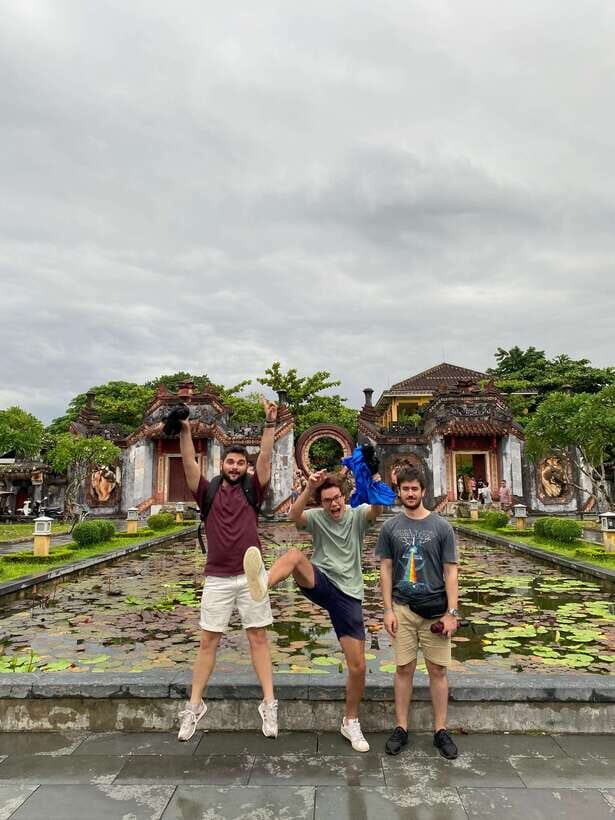
- Max 10 people means a calmer pace and more time for questions.
- Indoor break stops help during sun, rain, or holiday crowds.
- Skip-the-line entry uses a separate entrance for the heritage area.
- Tea or local dessert is included, so you get a proper pause, not just photos.
- A guide who chats like a local: you’ll get restaurant, cafe, and tailor recommendations too.
- Iconic sights plus side lanes: temples, assembly halls, the Japanese-covered bridge, museum, and the market all in one loop.
Why this Hoi An walk feels efficient without feeling rushed

Hoi An Ancient Town is the kind of place that rewards slow looking. The trick is doing it with a route that makes sense, especially if it’s your first visit. This tour is built for that: a compact loop, a small group, and enough stop-and-explain moments that you actually understand what you’re seeing.
At just 150 minutes, you’re not stuck on a long, exhausting march. You also get indoor break stops, which matters in Vietnam’s heat, and it’s a lifesaver during rain or busy holiday periods.
You can also read our reviews of more walking tours in Hoi An



Meeting at 95 Phan Chu Trinh: your anchor point

Your tour starts at 95 Đ. Phan Chu Trinh in Hoi An. The meeting point is in front of a tailor shop at the corner of the intersection—simple to spot once you’re there.
If you’re arriving by foot or on a short taxi drop, give yourself a few minutes buffer. Old Town streets can get crowded fast, and you’ll want to settle in before the guide pulls the group together.
Price and value: what $14 buys you (and what it doesn’t)
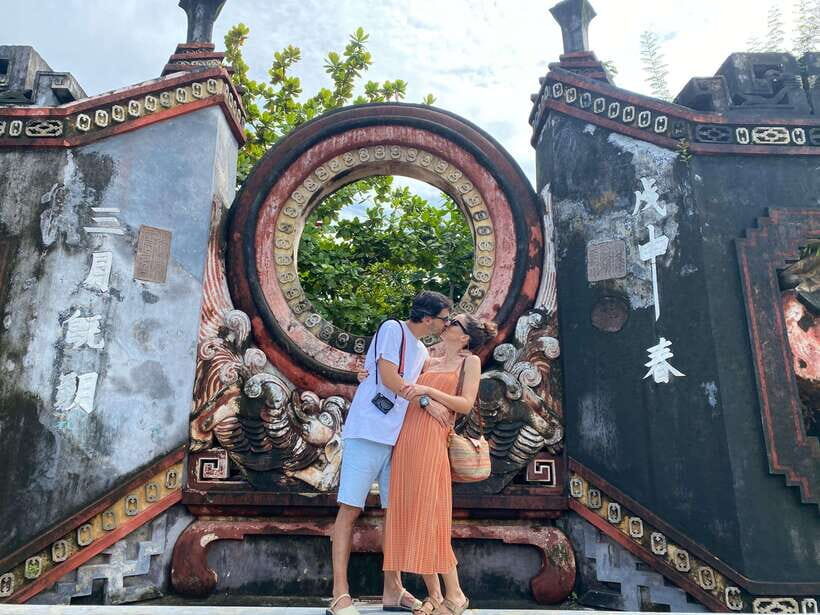
The headline price is $14 per person, and most of that value is in the guide and the experience structure. You’re paying for an English-speaking local guide, a small-group walking route, key heritage-site visits, and time at photo spots in between the explanations.
What’s not included is important: the UNESCO heritage site entrance ticket (120,000 VND per person). The tour also doesn’t include pickup/drop-off, so you’ll arrive on your own at the meeting point.
If you’re the type who likes to understand places rather than just take photos, this is a good deal. You’ll leave with context and with recommendations you can use the same evening—food, coffee, and practical shopping like tailors.
The guide makes the difference: stories, humor, and easy explanations
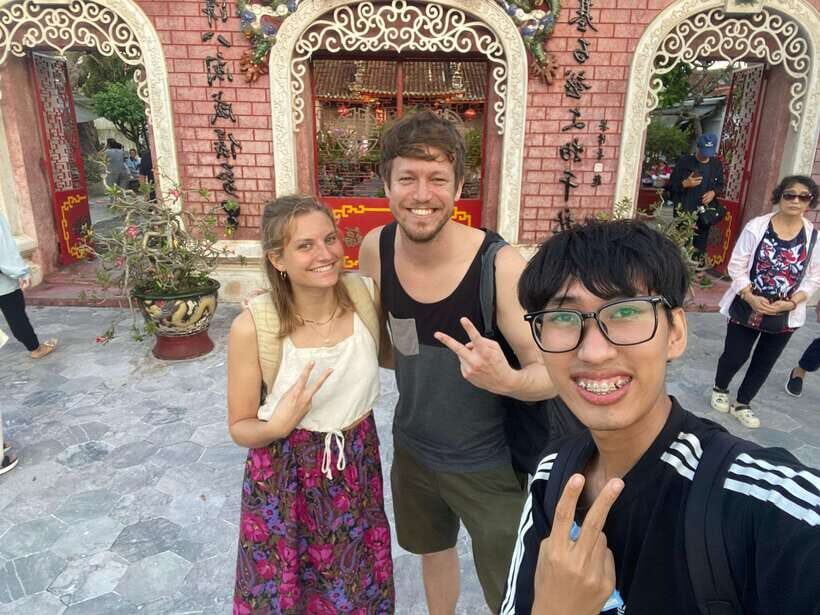
This tour lives or dies by your guide. The names that come up often—Trung and Duy—sound like classic local hosts: friendly, funny, and ready to answer questions. Other guides are mentioned too (like Tom, Yui, and Tin), and the common thread is the same: English that’s easy to follow and a way of turning old buildings into human stories.
What I like about this style is that it helps you read the town while you walk. Instead of seeing only surfaces—walls, bridges, gates—you start noticing the “why” behind them: community groups, trade connections, and how daily life shaped the architecture.
You’ll also get a sense of where to look for your own self-guided exploring after the tour. That part is real value when you only have a day or two in Hoi An.
Ba Mu Temple gate: the calm start that sets the tone
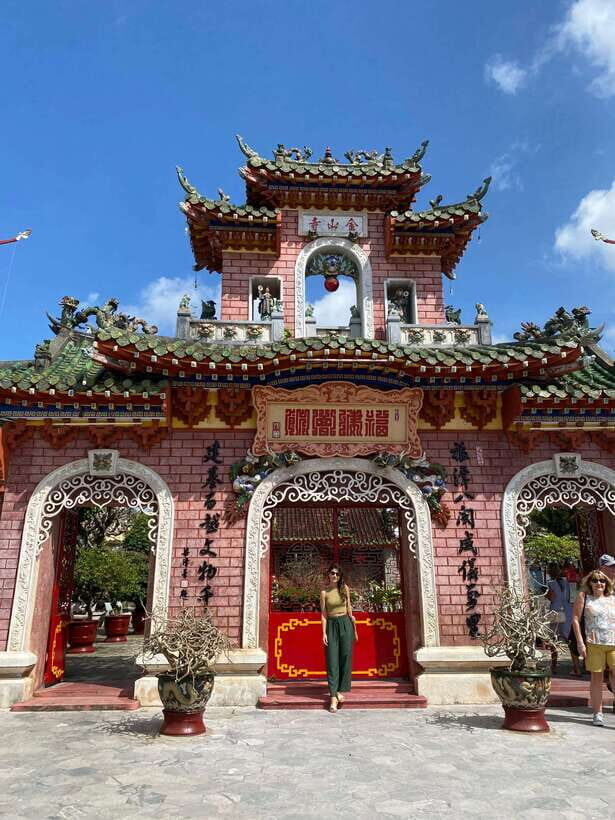
The walk begins at the Ba Mu Temple gate. Even if you’ve seen temple entrances elsewhere, this stop helps you reset your eyes for Hoi An. You’re not just moving through streets—you’re stepping into a place where belief, community, and architecture all show up in the same frame.
A good early stop like this also gives you time to get comfortable with the group pace. You’ll have a moment to ask a question or two right away, and then the tour builds from there into more famous landmarks.
You can also read our reviews of more guided tours in Hoi An






Fujian/Cantonese Assembly Hall: community power in plain sight

Next up is the Fujian/Cantonese Assembly Hall in Hoi An. Assembly halls are more than tourist stops. They reflect how migrant communities organized themselves—meeting, worship, and supporting members over time.
This is the kind of stop where a local guide really matters. The explanations help you understand why the building looks the way it does and why these connections mattered historically. If you’re curious about Vietnam beyond the beach-and-bus route, this is a strong anchor moment.
A practical tip: spend a little extra time here taking photos from angles your guide points out. The “best” view is often not where you first naturally stand.
Japanese-covered bridge: the postcard, plus the meaning
Then you reach the Japanese-covered bridge—one of the most recognized sights in Hoi An. It’s a classic photo moment, but it’s also a chance to see how this town absorbed outside influence without losing its own identity.
Your guide’s job here is to connect the visual to the story: what the bridge is, why it became important, and how it fits into Hoi An’s wider mix of communities. You’ll still get your postcard shots, but you’ll also leave understanding what you photographed.
Kazik Park: a breather between big sights
After the heavy-hitting landmarks, the tour includes Kazik Park. This stop matters because it breaks up the walking rhythm and gives you a breather.
Think of it as your reset point. You get a small chance to catch your breath, rehydrate if needed, and regroup as the guide leads you into more indoor and heritage-house style stops. It’s also a nice moment for calmer photos compared to the most crowded streetfront areas.
Tấn Kí Heritage House: where details tell the story

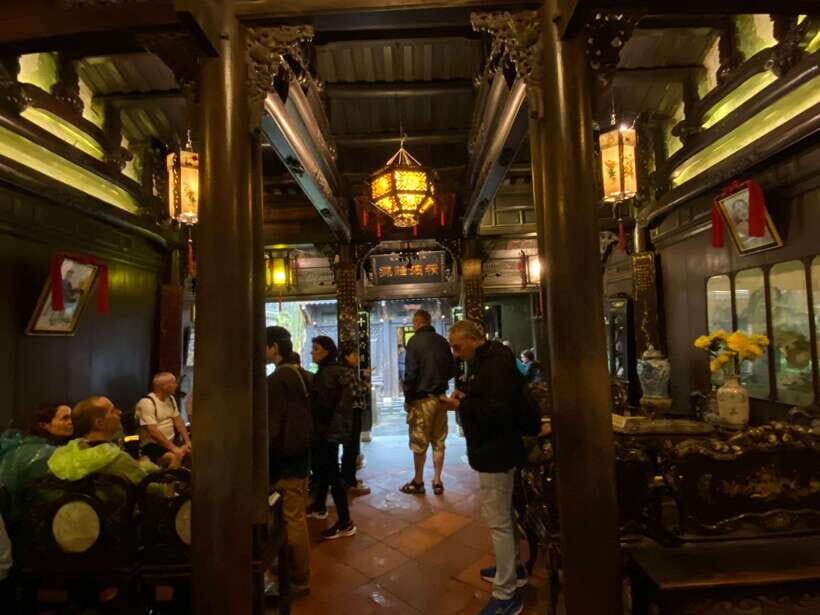
The next stop is the Tấn Kí Heritage House. Heritage houses in Hoi An are often like time capsules: you notice the layout, the materials, and the way space was used. The guide’s explanations help you read those choices as more than decoration.
This is also a good stop for anyone who likes architecture. You’ll get time to look carefully rather than just passing through. If you’re the “I want to understand why this looks like this” type of visitor, this will feel like a highlight.
Hoi An Traditional Art Performance House: culture you can actually grasp
The route then takes you to the Hoi An Traditional Art Performance House. Even if you’re not planning to attend a show right after, this stop gives context for what traditional performance is built on—community memory, craft, and local storytelling.
A performance-related stop works well inside a walking tour because it connects the past to something you can still see today. You’ll likely find it easier to appreciate future cultural shows once you understand the town’s background first.
Museum of Folk Culture: the everyday life behind the big landmarks
Next is the Museum of Folk Culture. This is where the tour shifts from iconic street sights to a deeper look at daily life and traditions that shaped Hoi An.
Museums can be hit-or-miss on small tours, but the guide’s role is to make the collection feel connected. You’ll come out with a stronger sense of what you’ve been seeing on the streets—clothes, objects, and cultural patterns that explain why the old town feels the way it does.
If it’s raining or very hot, an indoor museum stop is also practical. You get shelter without losing momentum.
Hoi An Market: where the town feels real
The tour ends with Hoi An Market. This is one of the best places to get a feel for the town’s everyday rhythms. Markets aren’t just for buying; they help you understand what locals do and what you might want to try later.
Your guide can also help you avoid common tourist mistakes like assuming everything is overpriced or not knowing what to buy for a quick snack. Even if you don’t shop, you’ll learn how the market fits into the larger Hoi An experience.
Tea or local dessert, plus the recommendations that make your trip easier
A true bonus is that the tour includes traditional dessert or local tea. This isn’t only a sweet break. It’s also a moment to slow down and talk with your guide before you head off on your own.
Then comes the practical part: your guide gives recommendations for where to eat local dishes, plus coffee shops and tailor shops. That last category is especially useful in Hoi An because shopping for custom clothing is a big part of the town’s economy. A local suggestion helps you compare quickly and avoid wasting time.
If you plan to explore after the tour, ask your guide for a “next step” based on your interests. People mention that guides share more tips after the walk, so you can often turn one tour into a whole day plan.
Skip-the-line logic and indoor breaks: comfort without losing time
This tour says it uses a separate entrance for the heritage area, which is a real advantage when lines form. It also keeps the flow tighter—fewer stalls, more actual sightseeing time.
Combine that with the indoor break stops, and you get a tour that’s built for real conditions: heat, rain, and crowded streets. During peak times (including Tet), guides are known for keeping the group together so you’re not constantly searching for your spot.
Walking comfort: what to wear and how to pace yourself
Bring comfortable clothes. You’ll be walking in old-town streets with frequent stops for photos and explanations. Comfortable shoes matter more than fashion here, because the value of the tour is in the moments where you can actually look closely.
One more consideration: baby strollers aren’t allowed, and the tour isn’t suitable for babies under 1 year. If you’re traveling with very young kids, plan a different style of sightseeing that better matches your needs.
Who should book this tour
This is a great fit if:
- It’s your first time in Hoi An and you want a guided framework fast
- You like history and culture explained in a friendly, story-driven way
- You want a small group so questions don’t get lost
- You’d rather learn what to notice before you go off on your own
It’s also a solid choice if you have limited time. You’ll cover major stops—temples, assembly halls, the Japanese-covered bridge, a heritage house, a folk culture museum, and the market—without feeling like you’re sprinting.
Should you book this Hoi An Ancient Town walking tour?
Yes, if you want a smart first day in Hoi An. The small group size, the focused route, and the included tea or dessert make it feel like more than a basic stroll. You also get practical recommendations that help you eat well and shop efficiently, especially if you’re interested in tailoring.
Skip it only if you hate guided tours or you want total freedom with no structure. At this price point, the guide-led context is the main value—so if you’d rather wander without explanations, you may feel the time is “scheduled” rather than spontaneous.
FAQ
FAQ
How long is the Hoi An Ancient Town walking tour?
The tour duration is listed as 150 minutes.
What’s included in the price?
The tour includes a local English-speaking guide, a walking tour in a small group (max 10), visits to key heritage sites, photo stops in hidden alleys, and traditional dessert or local tea. You also receive recommendations for places to eat and activities like coffee shops and tailor shops.
Do I need to pay an entrance ticket?
Yes. You must pay an additional 120,000 VND per person for the UNESCO heritage site entrance ticket, and it is required in cash.
Where do I meet the guide?
Meet at 95 Đ. Phan Chu Trinh Street in Hoi An, in front of a tailor shop at the corner of the intersection.
Is this tour suitable for families with strollers?
No. Baby strollers are not allowed, and the tour is not suitable for babies under 1 year.
Is there a free cancellation option?
Yes. Free cancellation is available if you cancel up to 24 hours in advance for a full refund.