REVIEW · HOI AN
Hoi An: Handmade Leather Crafts Workshop (Starter Course)
Book on GetYourGuide →Operated by Dich vu du lich lang que Cam Thanh · Bookable on GetYourGuide
Hoi An leather without the souvenir stress sounds great, right? This starter workshop lets you make something practical from scratch, guided by Anton in a small group setting. You pick your item and colors, learn the core techniques, and leave with a real handmade piece you’ll actually use back home.
I especially like that you control the look: choose leather colors and customize your design before you start. The class also focuses on hands-on skills you can use immediately, like hand stitching and punching clean holes (yes, hammering is part of the fun).
One thing to consider: this is not a long lecture. You’re mostly making, with help when you need it, so if you want lots of explanations or sightseeing-style “watching,” you may prefer a different kind of experience.
In This Review
- Key things to know before you go
- Picking Your Leather Project at 98 Hung Vuong
- The Skills You Learn (Hand-Stitching and Hammering Included)
- Customizing Your Leather So It Looks Like You
- How the Workshop Runs (What Happens After You Sit Down)
- 2.5 to 4 hours: Choosing the Right Time Slot
- English Instruction and Small-Group Attention
- Included Extras: Tea or Soft Drink, Plus Materials and Tools
- Price and Value: Is $36 Reasonable?
- Practical Tips for Getting the Most Out of Your Leather Workshop
- What to bring (and what not to stress)
- Is This Workshop Good for Families and Kids?
- Should You Book This Hoi An Handmade Leather Starter Course?
- FAQ
- How long is the Hoi An handmade leather crafts workshop?
- What can I make in the starter course?
- Do I need prior experience with leather?
- Is the instruction in English?
- How many people are in the group?
- What’s included in the price?
- Where does the workshop meet?
- Is hotel pickup or drop-off included?
- Can children attend?
Key things to know before you go
- Small group (up to 10): enough attention without a crowded workshop vibe
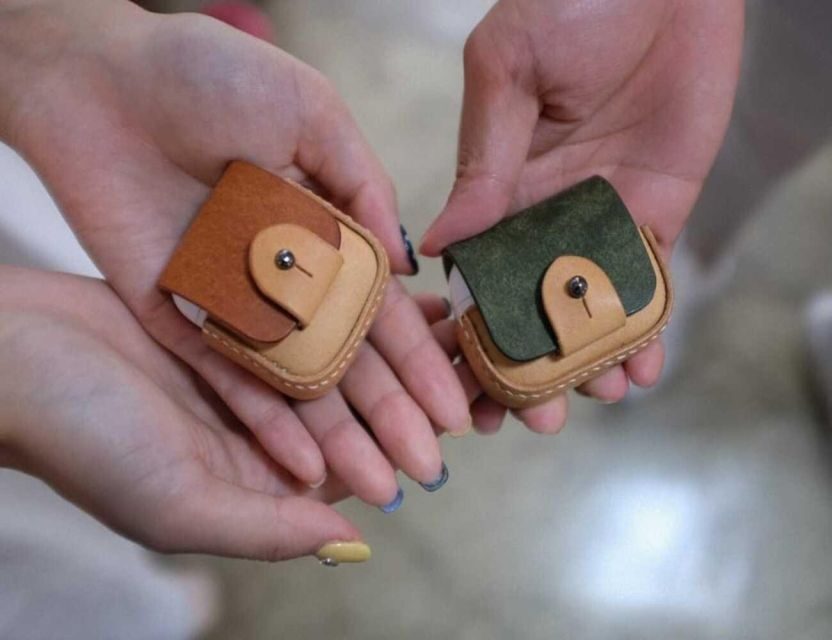
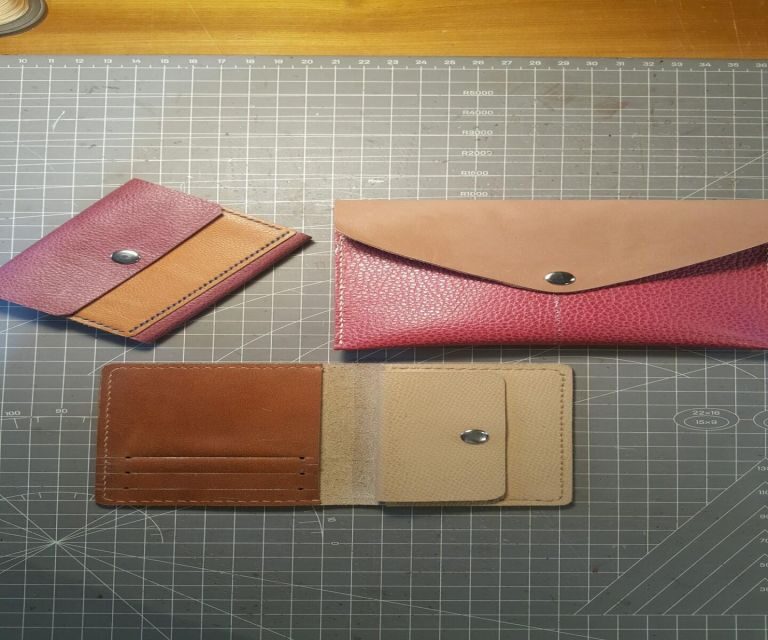
- Pick your project first: coin purse, small case, small handbag, or wallet
- Color and personalization matter: your leather choice shapes the final look
- Beginner-friendly techniques: punching holes, shaping leather, hand stitching, button work
- You leave with something useful: a customized leather souvenir, packed for you to take home
Picking Your Leather Project at 98 Hung Vuong
The workshop meets at 98 Hung Vuong street in Hoi An, and it ends back there. Plan to arrive a few minutes early so you can settle in and choose your project without rushing.
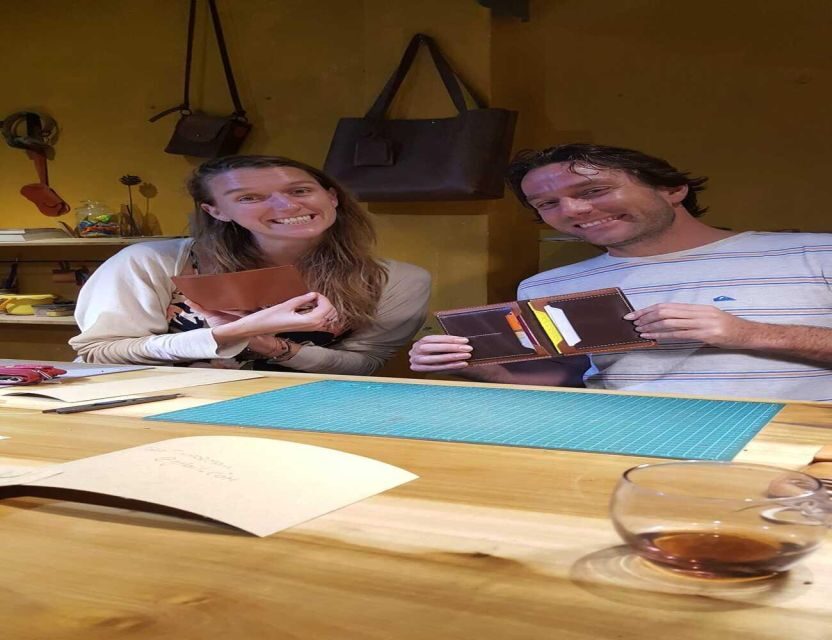
Before you start, you choose what you’re making. The options listed are a coin purse, small case, small handbag, or a wallet—and the point is simple: you’ll practice the starter skills on something sized for real life, not a vague craft demo.
You’ll also select leather colors and finishes before stitching begins. This matters more than it sounds. When you pick the color you love, the project stops being a task and becomes your souvenir, something you’ll want to carry instead of storing in a drawer.
You can also read our reviews of more tours and experiences in Hoi An



The Skills You Learn (Hand-Stitching and Hammering Included)
This starter course is designed for beginners, but it’s not “baby steps only.” You learn the basics of working with a pattern, then you move into the methods that make leather projects look crisp and professional.
Here’s what you can expect to practice:
- Working with a professional pattern
- Cutting leather accurately
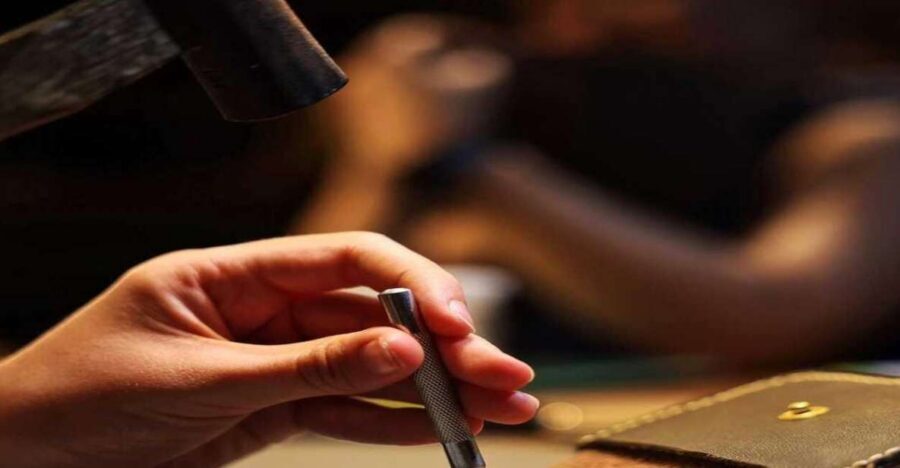
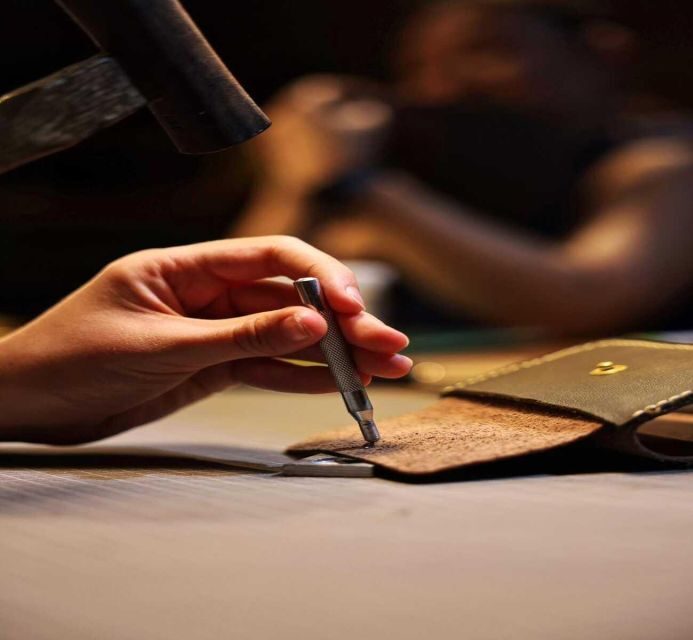
- Punching holes (this is the part many people enjoy most)
- Shaping leather so your item holds its form
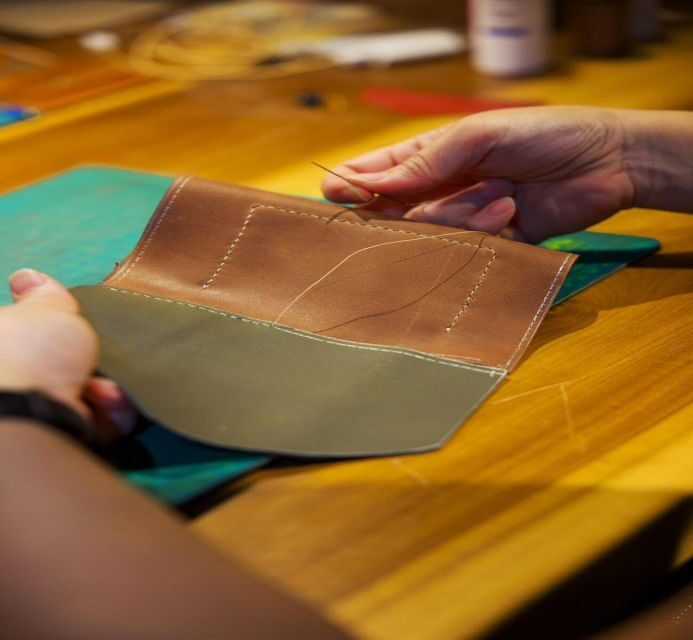
- Stitching, including details like stitching buttons onto your item (when your chosen design includes them)
If you’ve never handled leather before, the skill is less about talent and more about doing steps in the right order. Once the holes are punched and the stitch path is set, your hands do most of the work.
The class also emphasizes individual attention throughout. Even when you’re working on your own piece, the instructor is checking your progress, stepping in when needed, and keeping you on track so you don’t end up with a crooked seam that only you will notice.
Customizing Your Leather So It Looks Like You
Hoi An does leather crafts well, so the real value here is control. You’re not buying a mass-made product and hoping it matches your taste. You’re making a piece that reflects your choices.
From the information provided, customization includes:
- choosing leather color
- personalizing details on the item you choose
- working with finishes available in the workshop options
That personalization is what makes this a strong gift idea. A wallet in a color you picked, stitched by your own hands, feels more meaningful than anything you can grab off a shelf. And it’s small enough to fit into your luggage plan—more on that in the practical section.
One more practical note: because you choose between multiple item types, you can match the project to your comfort level. If you want something quick and focused, a coin purse or small case often makes sense. If you want a slightly bigger “main character” item, go for a wallet or small handbag.
How the Workshop Runs (What Happens After You Sit Down)
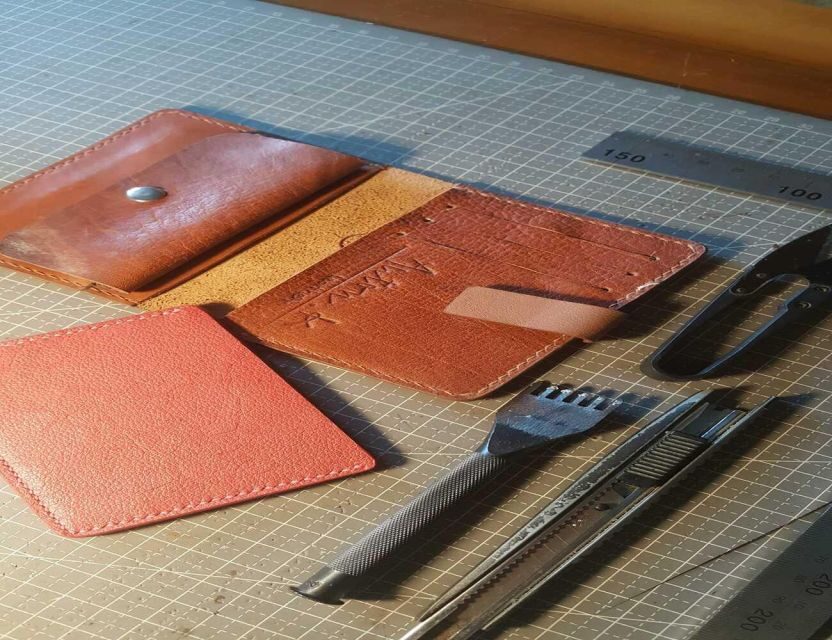
You’ll spend your time on the workshop itself, with the instructor guiding the steps for your selected project. The experience is structured, but it doesn’t feel like you’re being marched through a script.
In a typical flow, you’ll start with:
- choosing your project and leather options
- getting set up with materials and tools
- learning the techniques as you go—then doing them yourself
As you work, you’ll move through the core stages: cutting and preparing the leather, punching holes, shaping, then hand stitching. If your design includes it, you’ll also work on button attachment.
By the end, the workshop includes packing your item so you can take it home or give it as a gift. That packing step is underrated. Leather is easy to damage if it’s rolled or pressed wrong, so you’ll appreciate having it handled and secured properly at the end.
2.5 to 4 hours: Choosing the Right Time Slot
The duration is listed as 2.5 to 4 hours, and the class is offered as a 2-hour starter or a 4-hour workshop option. Check availability for exact starting times.
If you’re short on time, a 2-hour slot is a good match because you still get the key starter techniques: hand stitching, punching holes, and the practical build of your item. If you want a calmer pace and extra time to finish cleanly, the longer option can help you avoid feeling rushed during stitching or shaping.



English Instruction and Small-Group Attention
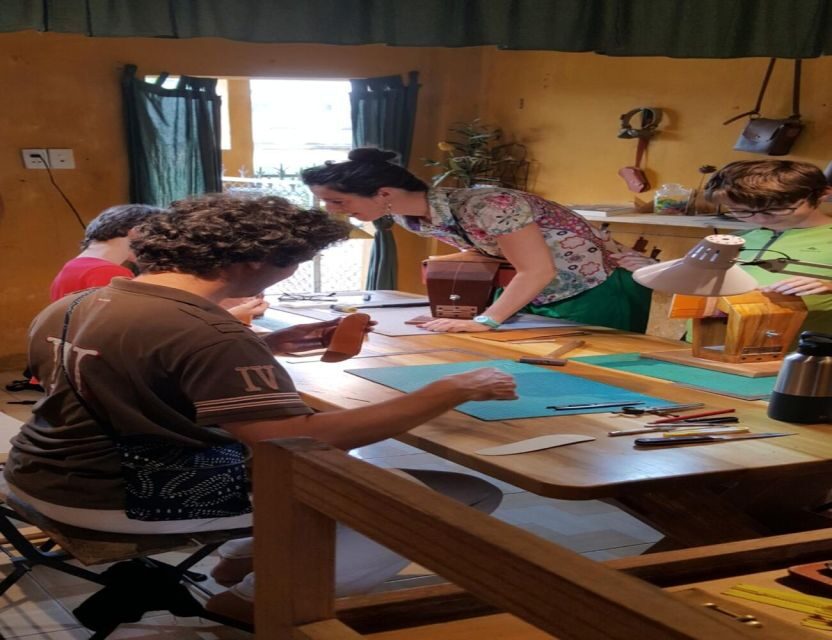
Instruction is in English, and the group size is limited to 10 participants. For a hands-on class, that’s a sweet spot: you get enough personal attention without waiting around for your turn.
The teaching style from the experience details is practical: the instructor demonstrates, then you try. The point is not to have someone “take over” and do the whole project for you. Instead, you learn the steps and finish with a piece you can honestly say you made.
That approach matters if you’re considering this for first-timers. You’ll likely make mistakes. That’s normal. What you want is quick help that corrects the stitch path or the hole spacing without removing your agency. The workshop is set up for that kind of coaching.
Included Extras: Tea or Soft Drink, Plus Materials and Tools
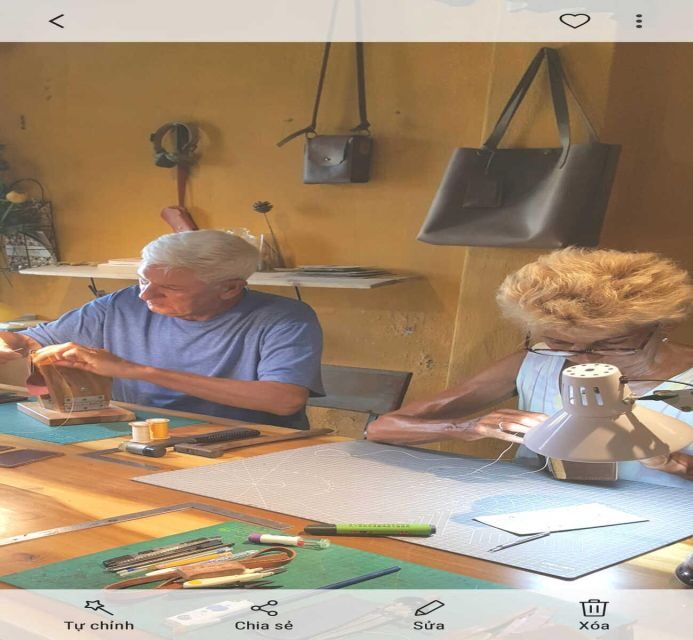
This workshop includes:
- Vietnamese tea or 1 soft drink
- material and tools for class
- a unique souvenir you made
So the $36 price is not just “watch someone work.” You’re paying for the materials, tool access, instructor guidance, and the finished handmade leather item.
Also, this is one of those activities where the included drink and the relaxed workshop vibe help you settle in. You’ll be doing repetitive, precise handwork, so it helps if the setting feels friendly rather than formal.
Price and Value: Is $36 Reasonable?
At $36 per person, this isn’t a budget craft in the “cheap and cheerful” sense. It’s more like paying for a guided skill experience where you leave with something tangible.
Here’s why it can still be good value:
- You get materials and tools included, so you’re not buying leather and supplies separately.
- You produce a real, usable item (wallet, coin purse, case, or small handbag), not a tiny trinket.
- The class is designed for beginners, which reduces the risk of wasting your time. You’re learning the core techniques in a guided way.
You’ll also save money compared with buying a comparable handmade leather item directly from a shop. Handwork costs, and you’re essentially paying to do the handwork yourself with coaching.
If you’re the type who loves souvenirs that you’ll carry daily, you’ll feel the value fast. If you’re only looking for a quick photo op, you might feel it’s pricier than sightseeing-only activities.
Practical Tips for Getting the Most Out of Your Leather Workshop
Leatherwork is tactile, so your comfort matters more than you’d expect.
- Wear closed-toe shoes and something you don’t mind getting a little dusty.
- Bring a basic mindset: accept that your first stitches might not be perfect. The point is you learn, not you show off.
- Decide your project based on what you’ll use most later. A wallet or small case is easier to turn into daily carry than a bigger piece you don’t need.
What to bring (and what not to stress)
From the details provided, you get materials and tools. That means you don’t need to arrive with craft supplies. You’ll mainly need personal items like water (if you think you’ll want it) and anything you want to use for photos afterward.
Also note pets are not allowed, so plan accordingly if you’re traveling with animals.
Is This Workshop Good for Families and Kids?
It’s not suitable for children under 4 years. Beyond that, the workshop is described as suitable for all abilities, ages, and genders, and the small group format makes it easier for an instructor to support different needs.
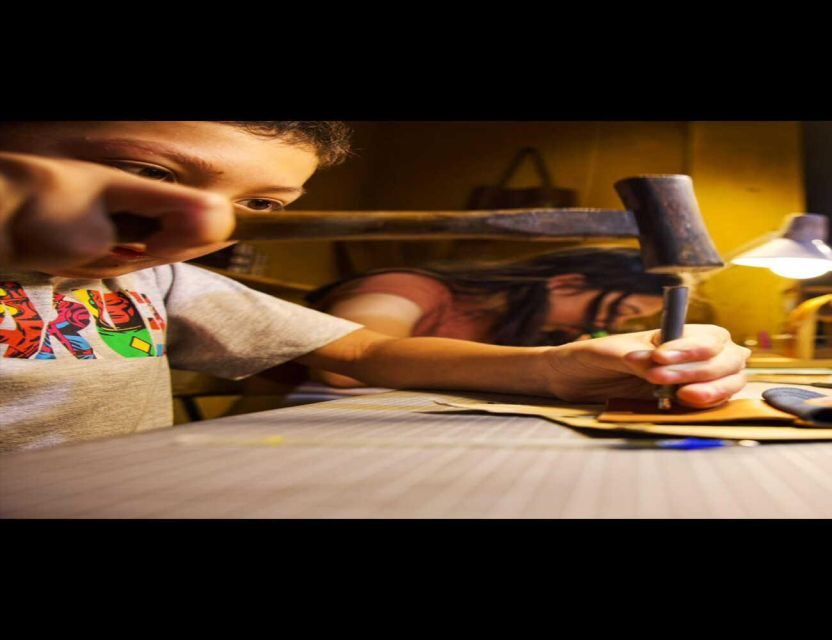
If you’re bringing kids, the key is temperament. Leather crafting rewards patience. The “hands on, step by step” format can work well for kids who like making things and don’t mind repeating small actions like stitching or punching holes.
If your group includes both kids and adults, you’ll probably appreciate the workshop’s structure. Everyone is working, and assistance is available when needed.
Should You Book This Hoi An Handmade Leather Starter Course?
Book it if you want:
- a beginner-friendly craft where you leave with a real handmade item
- a souvenir you’ll actually use, not just store
- a small group experience in English with individual attention
- hands-on skills you can talk about later, like hand stitching and punching holes
Skip it if:
- you’re expecting mostly sightseeing or a long guided talk
- you hate detailed handwork and prefer fast, passive experiences
If you’re on the fence, here’s the quick decision rule I’d use: if you’d enjoy making something with your hands in 2–4 hours and you like the idea of customizing leather color and design, this is a strong pick in Hoi An.
FAQ
How long is the Hoi An handmade leather crafts workshop?
The workshop duration is listed as 2.5 to 4 hours. You’ll need to check availability for starting times.
What can I make in the starter course?
You can choose from options such as a coin purse, small case, small handbag, or a wallet before you start.
Do I need prior experience with leather?
No. It’s described as a starter course and is intended for beginners.
Is the instruction in English?
Yes. The instructor provides instruction in English.
How many people are in the group?
The workshop is limited to 10 participants in a small group.
What’s included in the price?
Included items are Vietnamese tea or 1 soft drink, material and tools, and you take home a unique leather souvenir you made.
Where does the workshop meet?
The meeting point is at 98 Hung Vuong street, Hoi An, and it returns there at the end.
Is hotel pickup or drop-off included?
No. Hotel pickup and drop-off are not included.
Can children attend?
It’s not suitable for children under 4 years.