REVIEW · HOI AN
Hoi An: Hands-on Vietnamese Coffee Making Class with Long
Book on GetYourGuide →Operated by Thao Nguyen Travel Company · Bookable on GetYourGuide
Coffee lessons beat tasting-only tours. In Hoi An, this hands-on session at Tri Long Coffee shows you how Vietnamese coffee actually gets made, starting in a small roastery and ending with the cup you brew yourself, guided by Long. I love the focus on small-batch roasted beans, and I love that you’re not stuck watching from the sidelines.
The class is built around making and tasting traditional styles you choose in advance, including Phin Filter coffee, Egg Coffee, salt coffee, or Coconut Coffee. You also get stories about Vietnamese cafés and how coffee connects to local culture, so the experience feels like more than just a recipe lesson.
One thing to consider: it’s not suitable for wheelchair users or people with mobility impairments, so be realistic about standing and movement during the workshop. Also, it’s only 1 hour, so you’ll want to pay attention early if you hope to take technique home.
In This Review
- Key things you’ll notice right away
- Tri Long Coffee shop: a smooth 1-hour workshop setup
- From crop to cup: what you learn about Vietnamese coffee
- Choosing your coffee style: Phin Filter, Egg, Salt, or Coconut
- Hands-on brewing: equipment, technique, and the tasting moment
- Brewing with Long: what the best moments feel like
- Take-home recipe cards and repeat value
- Price and value: is $15 actually a good deal?
- Who should book this class, and who should skip it
- Should you book Hoi An’s Vietnamese coffee making class with Long?
- FAQ
- Where is the meeting point?
- How long does the coffee making class take?
- How much does it cost?
- Is hotel pickup included?
- What coffee styles can I make?
- What’s included in the class?
- Is there a live guide, and what language?
- Do I get anything to take home?
- What’s the cancellation policy?
- Is the activity accessible for wheelchair users?
Key things you’ll notice right away
- A real roastery visit at Tri Long rather than a demo in an empty room
- Hands-on brewing with all ingredients and equipment provided
- Pick your coffee style: phin filter, egg, salt, or coconut
- Clear English guidance from Long with a patient pace
- Take-home recipe cards so you can repeat it back at home
- Comfortable hangout time to sip your coffee at the end with music on
Tri Long Coffee shop: a smooth 1-hour workshop setup
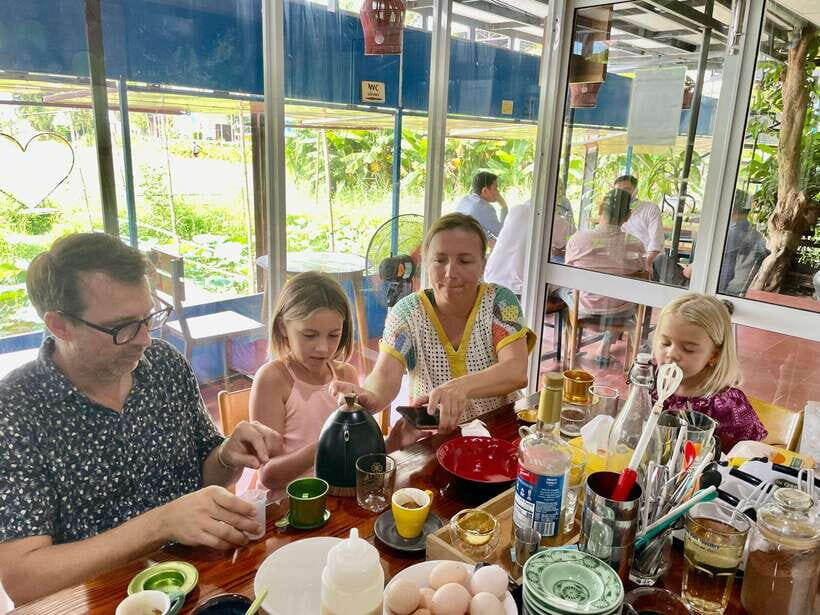
Your experience meets at Tri Long Coffee shop, 88 Phan Chau Trinh street in Hoi An. There’s no hotel pickup, so you’ll want to plan to arrive on your own—simple, but it means you control your timing.
This is a 1-hour class, and that time matters. The flow is designed to move from welcome and background stories into hands-on brewing quickly, then finish with you sipping your finished coffee in a comfortable atmosphere with good music.
The shop itself feels small and cozy, which makes the pace easier to follow. If your group is small, the experience can feel more personal, with extra time to work through the steps and ask questions as you go.
You can also read our reviews of more tours and experiences in Hoi An


From crop to cup: what you learn about Vietnamese coffee

A big part of the class is learning where the flavor comes from. You start at a local roastery that focuses on small-batch roasted coffee beans sourced from Vietnam’s coffee-growing regions, and you hear how quality starts long before the cup reaches you.
The instructor shares stories tied to popular Vietnamese cafés and how coffee fits into history and culture. You don’t just memorize facts—you learn the why behind the taste, including how Vietnamese coffee is made from the crop stage through roasting and into the final drink.
This is also where the “quality and sustainability” message shows up in practical terms. Even without being preachy, the class keeps circling back to choosing and roasting beans for consistent character, not just using coffee as an afterthought.
Choosing your coffee style: Phin Filter, Egg, Salt, or Coconut
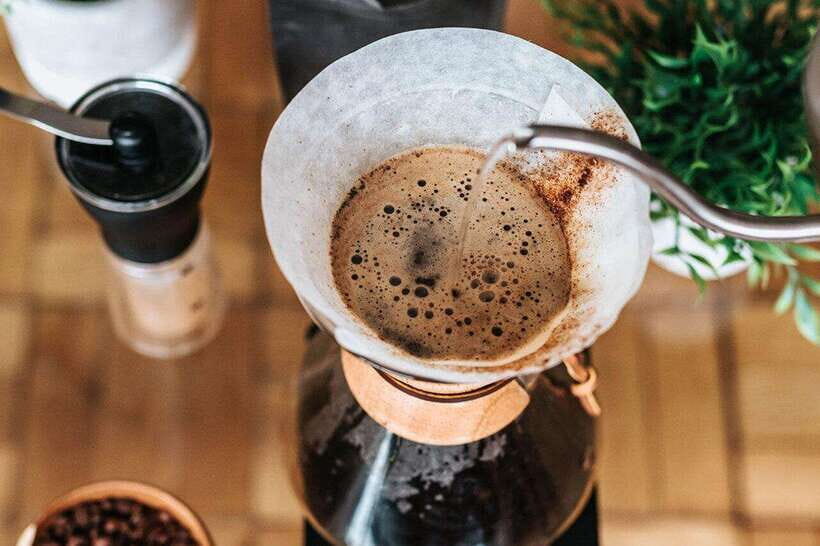
Before you brew, you choose what you’ll make from a menu of traditional Vietnamese styles. The options listed include Phin Filter coffee, Egg Coffee, salt coffee, or Coconut Coffee.
Here’s how to think about the choices:
- Phin Filter coffee is the classic Vietnamese drip method. You’ll get to see why that slow drip changes the character—more time in contact, more control over strength, and a different texture than many Western brewing methods.
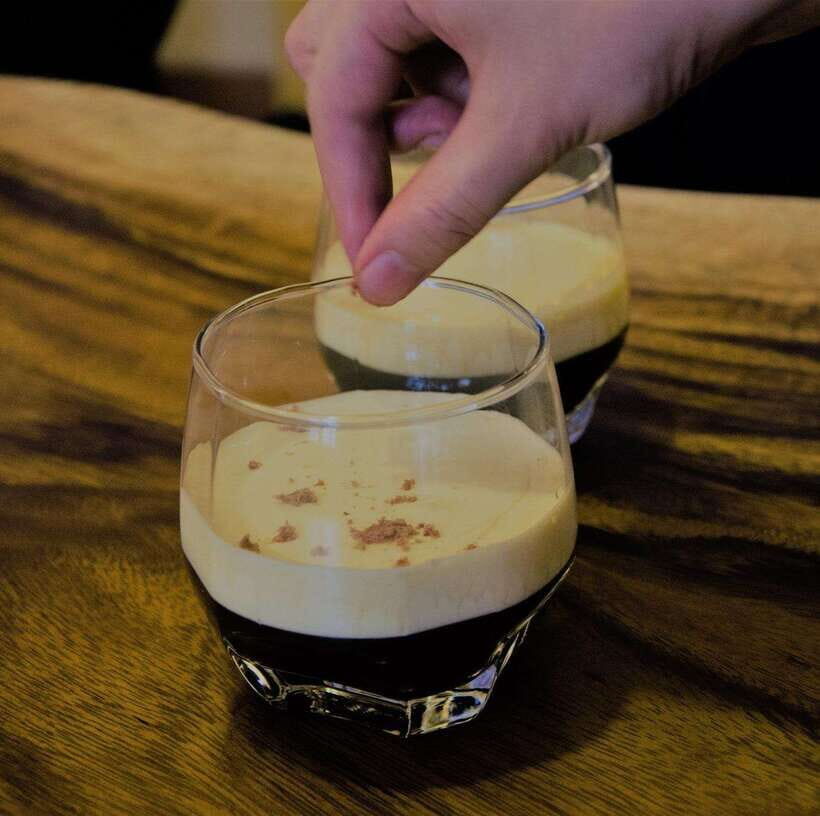
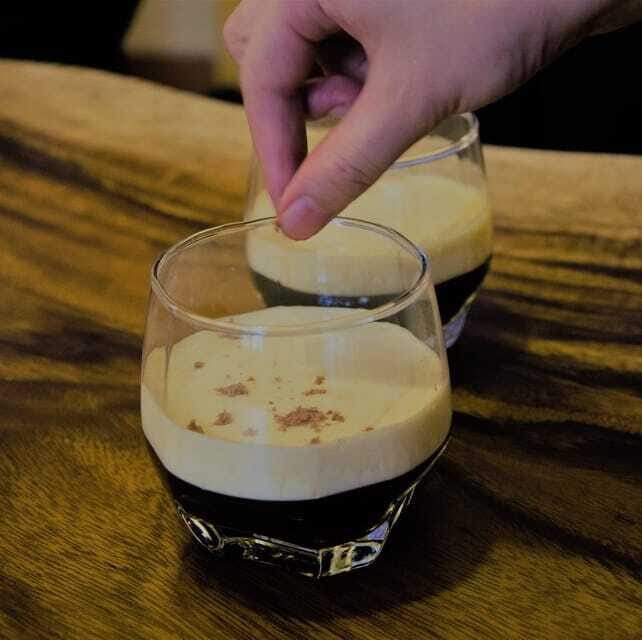
- Egg Coffee is known for its creamy, custard-like top. Expect a dessert-like coffee vibe where the foam or topping carries a lot of the experience, not just the espresso-style base.
- Salt coffee is a smart twist that changes how sweetness and bitterness sit together. Salt isn’t there to make it savory—it helps highlight and balance flavors.
- Coconut coffee leans into the island-friendly flavors you often associate with Central Vietnam. It’s a good pick if you want something smoother and more aromatic than a straight black cup.
A note from how these classes often run: some bookings end up making two recipes, especially when the group is very small. If you’re hoping to compare flavors side-by-side, it’s worth arriving with a couple of favorites in mind.
Hands-on brewing: equipment, technique, and the tasting moment
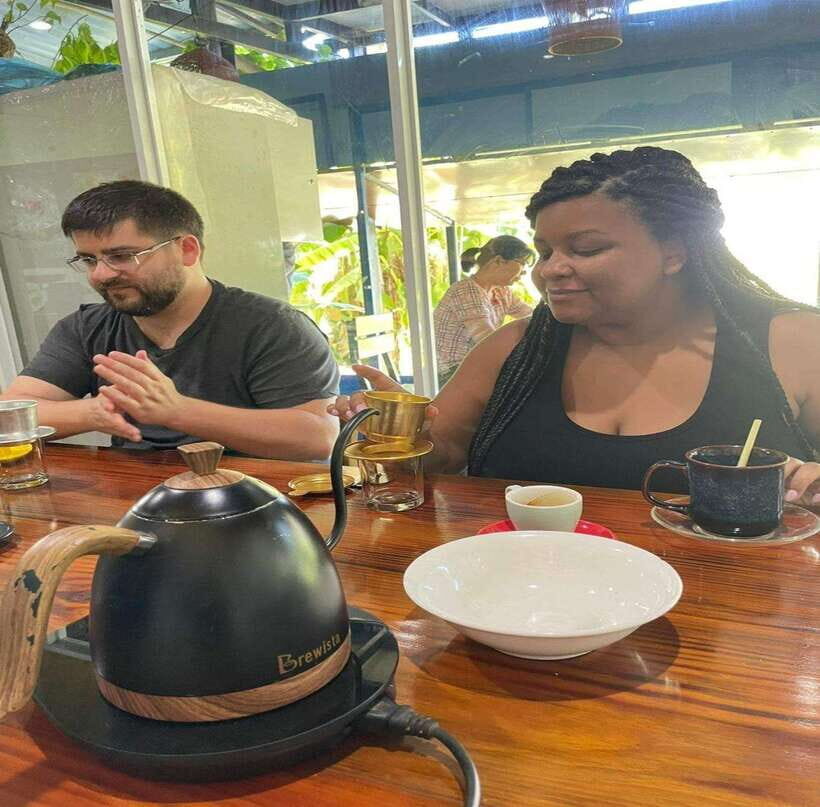
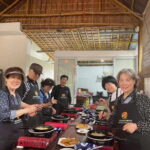
This class is built around doing, not watching. All ingredients and equipment are included, and that matters because it removes the biggest headache: you don’t have to hunt down gear or guess measurements.
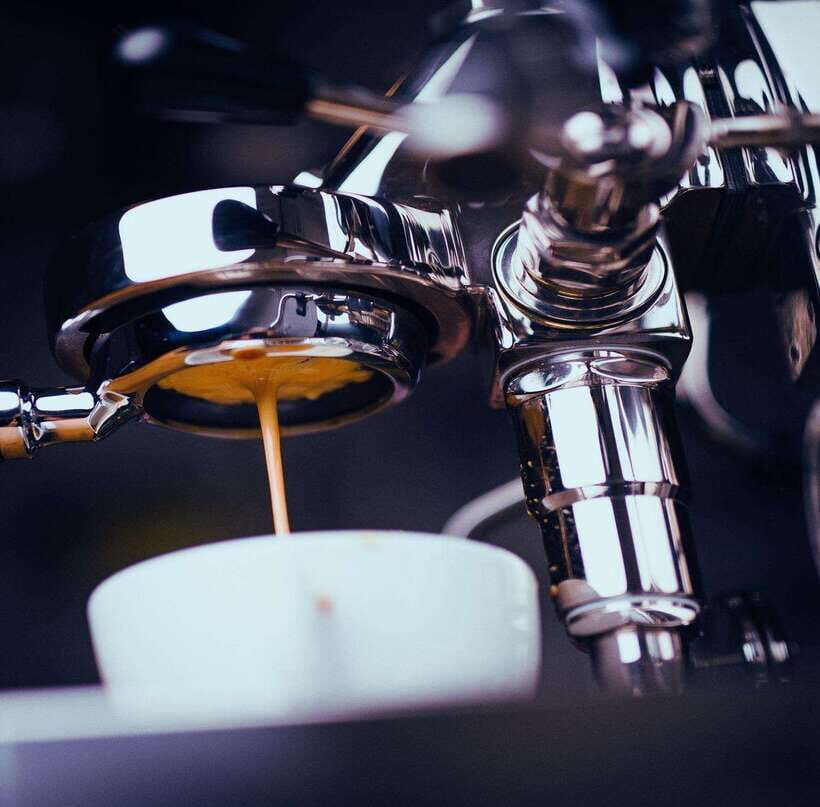
You’ll follow the process step-by-step to make your chosen coffee style. If you’re new to Vietnamese coffee, this is one of the best ways to start because the method is tactile—holding the filter, managing the flow, and understanding how the drink comes together.
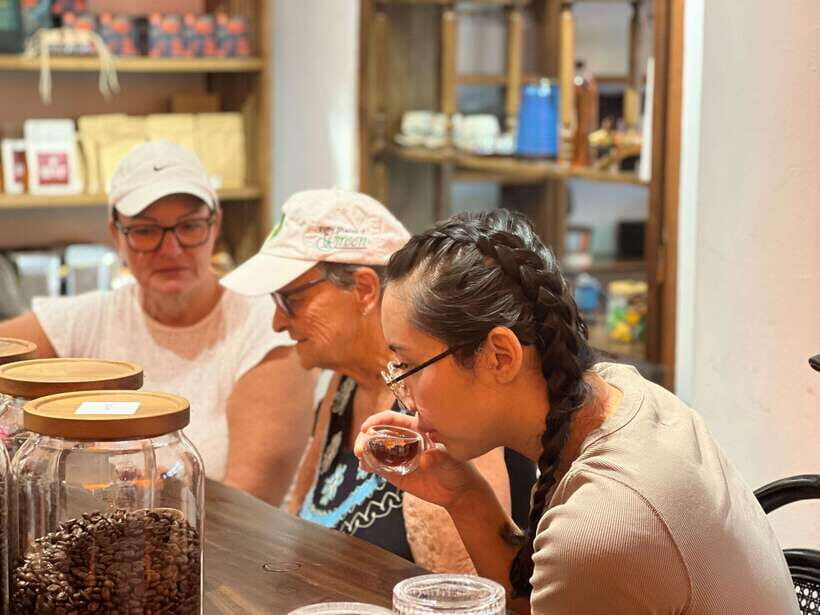
As you work, the instructor guides you through the essentials that affect taste: coffee strength, how the drink is assembled, and what changes when you adjust steps. Then you taste what you made, which is the real payoff.
By the end, you’re not just sipping. You’re tasting with context—so you can identify what tastes brighter, what feels heavier, and where the sweetness or creaminess lands in each style.
Brewing with Long: what the best moments feel like
Long’s role isn’t just technical. The class leans into clarity and comfort, so you can actually learn without feeling rushed or embarrassed if you’re clumsy at first.
You’ll hear English explanations that connect the technique to the wider coffee culture in Vietnam. People often come away impressed by how friendly and patient the guidance feels, especially when you’re trying something unfamiliar.
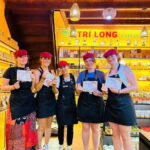
There’s also a social-softening touch that makes it more fun than a typical lecture. In some sessions, you may get cute hats and aprons, which sounds silly until you realize it lowers the intimidation factor and makes the hands-on learning feel relaxed.
The final minutes are also structured to let you enjoy what you made. You sip in a comfortable space with music playing, so you can settle your brain, not just check a box and run.
You can also read our reviews of more tours and experiences in Hoi An


Take-home recipe cards and repeat value
A lot of coffee classes teach you a method and then send you home with nothing but memory. Here, you can expect recipe cards to take home, which gives the whole experience staying power.
That’s where the real value shows up. Back in your kitchen, you can recreate the drink you made in class instead of guessing later. And because you learned the logic behind the flavor, you’re more likely to get it right the second time.
You’ll also have a better sense of how Vietnamese coffee styles compare. If you made phin filter one day and egg or coconut another, you’ll know what you like—and you’ll know what to order when you’re back in cafés around Hoi An.
Price and value: is $15 actually a good deal?
At $15 per person for about 1 hour, the price feels reasonable when you look at what’s included. You’re paying for:
- a stop inside a local roastery
- a live English coffee specialist
- all ingredients and equipment
- hands-on making plus tasting
- take-home recipe cards
- a comfortable place to finish your cup
What you’re not paying for is also clear. Hotel pickup and drop-off aren’t included, and meals or other drinks aren’t part of the session. So if you’re comparing options, treat this as a focused coffee skill class, not a full tour day.
If you like doing things with your hands and you want a practical souvenir beyond photos, this is a strong value. If you only want to taste without any brewing work, you may find yourself wishing for a longer, more observational experience.
Who should book this class, and who should skip it

This is a great match if you:
- enjoy coffee and want to understand Vietnamese coffee styles
- prefer hands-on learning over tours that stay mostly behind a counter
- want a short activity that fits easily into a Hoi An itinerary
- like the idea of getting technique you can use again at home
It’s not the right pick if you have mobility concerns. The activity is not suitable for people with mobility impairments and wheelchair users, so plan accordingly.
Also, since it’s only 1 hour, it rewards people who show up ready to pay attention. If you’re hoping for an unhurried, multi-course café crawl, look for a longer experience in town.
Should you book Hoi An’s Vietnamese coffee making class with Long?

Yes—if your goal is to learn a real Vietnamese coffee method and walk away with something you can reproduce. The combo of hands-on brewing, a small roastery atmosphere, and take-home recipe cards makes it more than a quick drink stop.
Book it especially if you’re the kind of person who likes ordering coffee with confidence, not guessing what you’re tasting. You’ll understand why phin filter feels different, why egg coffee tastes like coffee-meets-dessert, and why salt or coconut can shift the whole balance.
Skip it only if mobility access is a concern or if you strongly prefer tasting-only activities. In that case, you might enjoy a café visit more than a workshop.
If you do book, choose your coffee style in advance based on what you like most—then focus on the process. The best part of this class isn’t the roastery sign. It’s the moment you sip your own cup and realize you can make it again later.
FAQ
Where is the meeting point?
The meeting point is Tri Long Coffee shop, 88 Phan Chau Trinh street, Hoi An.
How long does the coffee making class take?
The class runs for 1 hour.
How much does it cost?
The price is $15 per person.
Is hotel pickup included?
No, hotel pickup and drop-off are not included.
What coffee styles can I make?
You can choose traditional Vietnamese coffee styles such as Phin Filter coffee, Egg Coffee, salt coffee, or Coconut Coffee.
What’s included in the class?
You get all ingredients and equipment, an experience of the local coffee roastery, hands-on making and tasting of a traditional coffee, and a coffee expert/specialist.
Is there a live guide, and what language?
Yes. The class includes a live tour guide in English.
Do I get anything to take home?
Yes, you can receive take-home recipe cards, including the recipes for the coffees you make.
What’s the cancellation policy?
You can cancel up to 24 hours in advance for a full refund.
Is the activity accessible for wheelchair users?
No. It is not suitable for wheelchair users or people with mobility impairments.