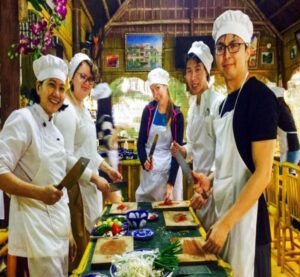
Cao lau starts before most people wake up. This Old Hoi An walk takes you into backstreets and family workshops to see how noodles and bean sprouts are made, then turns that into 5 to 7 tastings you can connect to the work you just watched. I love the noodle-and-sprout factory visits and the way the food tastings match what you see. One possible drawback: you’ll be on foot for about 3 to 4 hours, so wear comfortable shoes and plan for a moderate walking pace.
I also like that you can choose a morning or afternoon departure, and the group stays small (up to 10), which keeps the day relaxed instead of rushed. Guides with names you may see in the mix—Kiwi, Quyen (Quinni), Kim, and Quynh—are praised for sharing stories and for making sure everyone can keep up. Complimentary pickup is offered from select Hoi An hotels, which helps you start the walk without wrestling your scooter through traffic.
The route loops through Hoi An Ancient Town with a mix of local markets and family-oriented stops, then finishes back near Bill Coffee & Tea. Coffee or tea plus bottled water are included, so you’re not constantly scanning menus just to stay hydrated.
In This Review
- Key points at a glance
- Old Hoi An: Why This Walk Beats a Usual Food Stroll
- Ancient Town Starts With Real Work: Noodles and Bean Sprouts First
- Five to Seven Tastings: How the Food Connects to the Factories
- Temples, Markets, and Architecture: The Cross-Culture Clues in Your Walk
- Morning vs Afternoon: How to Choose Your Start Time
- Pickup, Small Group Size, and Guide Style: The Human Part
- Price and Logistics: Does $41 Get You Value?
- What to Bring (So You Enjoy It, Not Just Survive It)
- Should You Book This Tour of Old Hoi An Production and Tastings?
- FAQ
- How long is the Hidden-style Old Hoi An food walk?
- Is there a small group size limit?
- Are hotel pickups included?
- What’s included in the price?
- Do I need to pay any admission tickets during the tour?
- What kinds of dates and times can I choose?
- What if the weather is bad?
- Can I cancel for a full refund?
Key points at a glance
- Up to 10 people means more time to ask questions and watch closely
- Cao Lau and bean-sprout production are the center of the story, not just background flavor
- 5 to 7 tastings are built around what you saw being made
- Morning or afternoon options help you dodge crowds and heat
- Select-hotel pickup makes the start easier than a self-guided scramble
- Coffee or tea + water included keeps the day simple and predictable
Old Hoi An: Why This Walk Beats a Usual Food Stroll
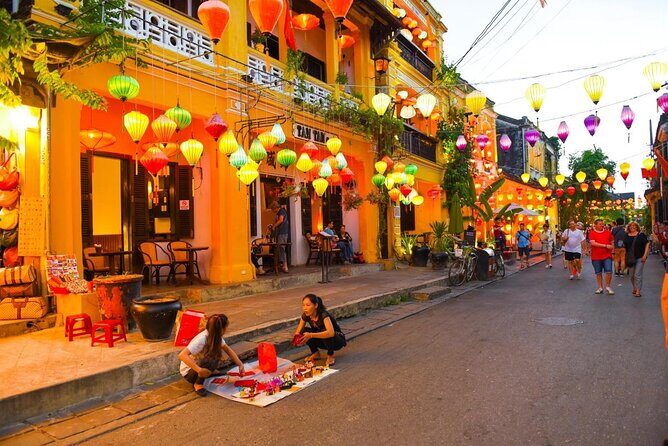
Hoi An is famous for food, but a lot of visits turn into a loop of the same streets, the same menus, and the same crowds. What I like about this tour is that it slows you down and reroutes you away from the loudest tourist zones. You’re not just eating snacks—you’re watching food being produced by the families who keep those recipes alive.
The biggest value here is the cause-and-effect format. You see how key ingredients and noodle bases are made, then you eat dishes that use those same items. That makes the flavors feel less random and more like a system—how local agriculture, old business traditions, and trade history shape what’s on your plate today.
There’s also a practical “small group” advantage. When you’re capped at 10 people, the guide can help with the pacing and keep the whole group moving comfortably through narrow lanes and busy crossings. In the reviews, guides like Kim and Kiwi are specifically called out for keeping things friendly and manageable for different ages and abilities, including families with kids.
You can also read our reviews of more tours and experiences in Hoi An.



Ancient Town Starts With Real Work: Noodles and Bean Sprouts First
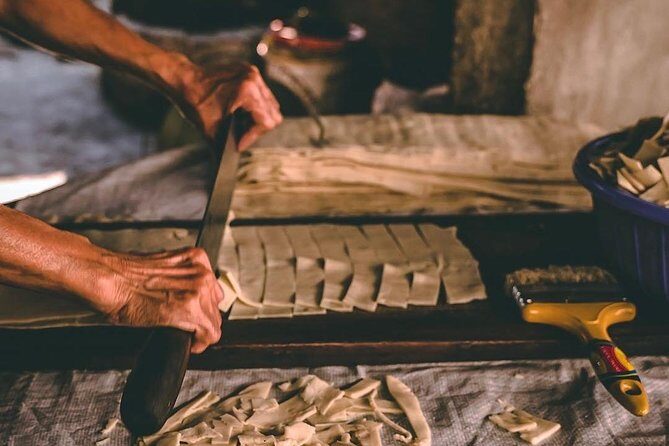
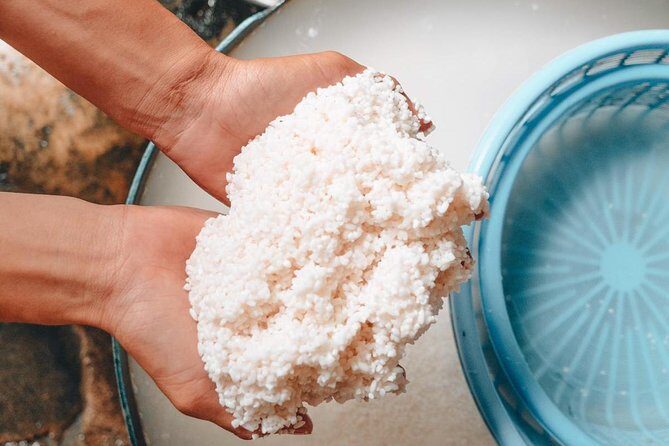
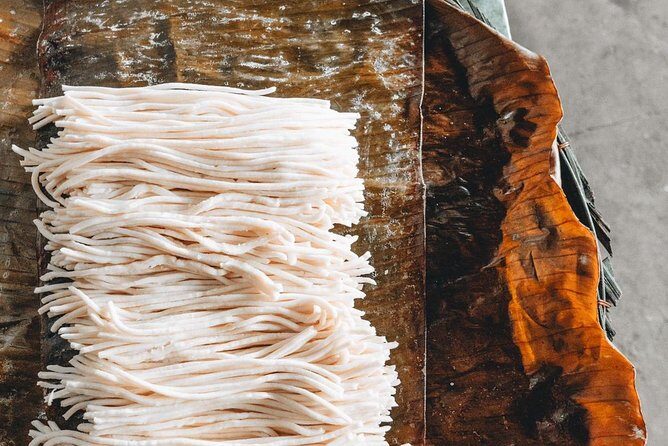
The tour’s first major segment is based around Hoi An Ancient Town, but the focus is less on postcard views and more on everyday production. You walk into backstreets to visit local family businesses that make and sell items used in Hoi An cooking—especially Cao Lau noodles and organic bean sprouts.
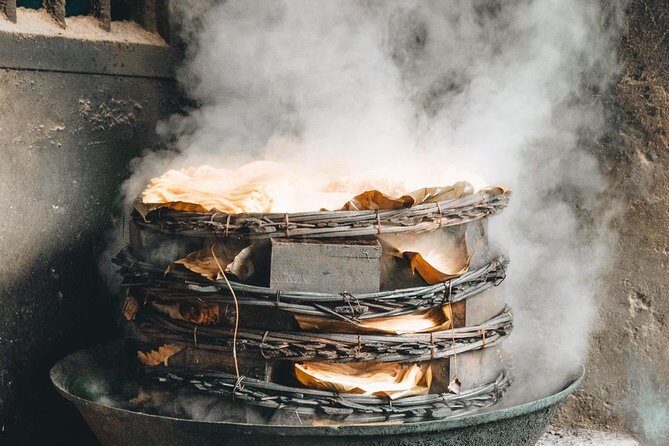
One standout detail is the emphasis on long-running, traditional production. You’ll hear how locals produce bean sprouts and how Cao Lau noodles are made in the oldest factory setting. This is the kind of stop that changes how you think about “street food.” Instead of imagining a dish as a recipe, you start thinking in steps: ingredients, processing, timing, and the tools that make it all consistent.
You’ll also learn context while walking—temples and markets, plus the architecture and lifestyle that shape how people live near the food. One review experience highlights that you’re not just touring buildings; you’re learning how Japanese, Chinese, and Western influences show up in Hoi An’s food culture.
Practical note: one portion of the day lists an admission ticket that isn’t included. If any stop you take part in requires entry, plan on paying that separately rather than assuming it’s wrapped into your tour price.
Five to Seven Tastings: How the Food Connects to the Factories
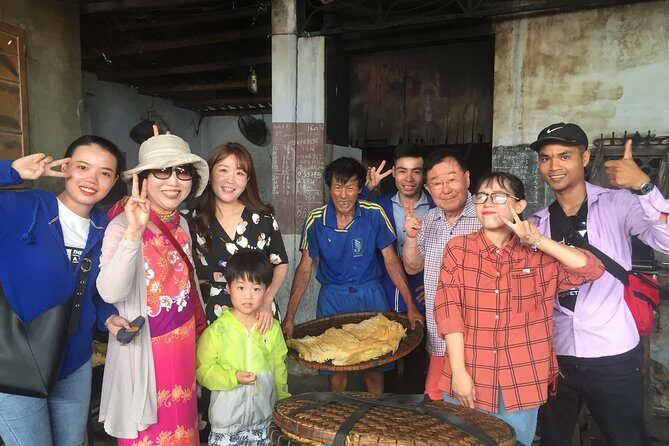
Most food tours hand you a plate and move on. This one tries to make the tastings make sense. After you see ingredients being made (or at least learn how the production works), the tour includes five to seven tastings built around those items.
So what do you eat? The tour centers on dishes that use locally produced products—Cao Lau noodles and bean sprouts are the obvious stars. In real-world examples from guides on this route, noodle and bean-based items show up more than once, and market snacks are part of the flow too. One review specifically mentioned street food at Tiger Market, which fits the tour’s goal: show you what locals actually buy and eat on an ordinary day.
You’ll also get bottled water, plus coffee or tea included. That small inclusion matters more than it sounds. It reduces decisions while you’re walking—so you keep your energy up and you can actually taste instead of rationing.
If you’re worried about trying unfamiliar foods, this is another reason the small-group setup helps. In the reviews, guides are praised for steering you through tastings and helping you feel comfortable saying yes to things you might skip on your own. One review even notes vegan accommodations were possible for part of a group—so if you have dietary needs, tell the organizer in advance so the guide can plan tastings that work.
Temples, Markets, and Architecture: The Cross-Culture Clues in Your Walk
The route isn’t only about production. It’s also a guided read of Hoi An—temples, markets, and the layout of neighborhoods. You’ll hear stories that connect the physical city to its food.
As you move through the Old Town areas, the guide explains how Hoi An life developed under multiple influences. The tour specifically mentions impacts from Japanese and Chinese communities and also notes Western influence on local life and cuisine. Even if you don’t go deep into theory, you’ll feel the difference in what you taste and how you describe it afterward.
This is where the walking format shines. On a bus, you see streets. On foot, you notice where people gather, where commerce happens, and how buildings and family businesses sit alongside daily life. The result is that the tastings don’t feel isolated—they feel like the last step of a story you’ve been walking through.
Morning vs Afternoon: How to Choose Your Start Time
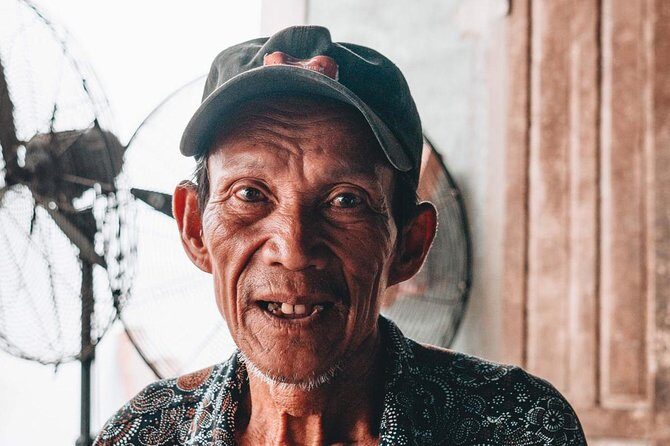
You can book either a morning or afternoon tour, and that choice affects how the day feels.
Morning is a strong option if you want:
- cooler temperatures for walking,
- fewer crowds in the backstreets,
- a calm start before the busiest hours hit.
One review described starting as early as 6 am to see the city before other tours and heat ramps up fast. Even if your exact start differs, the logic holds: early is easier on your feet and nerves.
Afternoon can work well if:
- you prefer a slower late start,
- you want to combine it with other plans later in the day,
- you’re not trying to survive the morning sun.
Either way, the tour’s 3 to 4 hour length stays consistent. Just remember it’s a walking experience, so don’t schedule it right after a long day trip unless you enjoy being slightly sore by dinner.



Pickup, Small Group Size, and Guide Style: The Human Part
This is run by Angiee Adventures, and the organizer offers complimentary pickup from select Hoi An hotels. That matters because Hoi An can be a little chaotic when you’re trying to move between areas, especially if you’re carrying water and snacks or dealing with traffic.
Once you’re together, the small group size (maximum 10) keeps the experience personal. In reviews, guides are repeatedly praised for being warm, story-driven, and attentive—names that show up include Quyen (Quinni), Kim, Kiwi, Quynh, Van, Swan, Emily, Harry, and Lien Lien. What’s consistent across those notes is that the guides don’t just point; they explain what you’re seeing and why it matters.
A small but meaningful detail from one experience: guides helped with crossings in busier areas, which is a real comfort on foot. If you’ve got kids, older relatives, or anyone who doesn’t love sprinting across lanes, that support makes a difference.
Price and Logistics: Does $41 Get You Value?
At $41 per person for a 3 to 4 hour small-group food and walking tour, you’re paying for more than instruction—you’re paying for access. You’re stepping into local family production spaces, and you’re getting a structured set of food tastings rather than spending your own day hunting around.
Here’s what’s included:
- 5 to 7 tastings,
- bottled water,
- coffee or tea,
- a guided walking route through Old Hoi An backstreets,
- complimentary pickup from select hotels,
- and a mobile ticket.
What’s not necessarily included:
- any admission ticket listed for a stop (one segment notes admission isn’t included).
When you look at it that way, $41 starts to make sense—especially if you’d otherwise spend time and money on multiple snacks, drinks, and paid entries without the production-to-tasting connection.
The tour is also structured to reduce decision fatigue. You don’t need to choose every place to eat, because the guide has already done the planning. That’s a real form of value in a food city.
What to Bring (So You Enjoy It, Not Just Survive It)
This is an outdoor walking tour. You’ll be moving through alleys and market areas, and you’ll likely stop more than once for tastings and explanations.
I’d pack:
- comfortable, grippy shoes (Hoi An streets can be uneven),
- a light layer (morning can be cool, afternoon can warm up fast),
- your camera/phone (you’ll want to remember the production details),
- and a water plan—since bottled water is included, you’re mostly covered.
Also consider your appetite strategy. With 5 to 7 tastings plus coffee or tea, you don’t want to arrive already stuffed from a giant breakfast. If you eat early, keep it light.
Should You Book This Tour of Old Hoi An Production and Tastings?

Book it if you want an Old Hoi An experience that feels like daily life, not just a photo walk. The combo of (1) factory and ingredient-focused stops and (2) tastings tied directly to what you saw is the main reason this works. If you care about food culture—how ingredients get made, not only how they get plated—this tour is a strong fit.
Skip it (or think twice) if you dislike walking or you need a very low-activity day. It’s also best if you’re okay paying any separate admission ticket that applies to a stop, since not everything is bundled.
If you want a morning plan that beats crowds and turns food into a story you can taste, this is an easy yes.
FAQ
How long is the Hidden-style Old Hoi An food walk?
It runs about 3 to 4 hours.
Is there a small group size limit?
Yes. The tour caps at a maximum of 10 travelers.
Are hotel pickups included?
Complimentary pickup is offered from select Hoi An hotels.
What’s included in the price?
The tour includes 5 to 7 tastings, bottled water, and coffee or tea.
Do I need to pay any admission tickets during the tour?
One listed segment notes an admission ticket is not included, so you may need to pay separately if a stop requires entry.
What kinds of dates and times can I choose?
You can choose either a morning tour or an afternoon tour.
What if the weather is bad?
If the experience is canceled due to poor weather, you’ll be offered a different date or a full refund.
Can I cancel for a full refund?
Yes. Free cancellation is available up to 24 hours in advance for a full refund.