REVIEW · HOI AN
Hoi An: Half-day Cultural Journey Through Hoi An’s Crafts
Book on GetYourGuide →Operated by Hoi An Express · Bookable on GetYourGuide
Wood, clay, and lanterns in one calm river ride. This half-day Hoi An crafts journey strings together traditional workshops with Thu Bon River views, so you’re not stuck watching one museum after another. I like how it’s built around real making: wood, pottery, and clay replicas—then finishing with lantern craft skills you can actually picture at home.
I especially love the way the Kim Bong carpentry village focuses on shipbuilding and woodcraft, from traditional boat construction to carved details. I also really enjoyed seeing the Thanh Ha pottery village process up close, including practical items like vases, pots, and kettles made by local artisans.
One thing to consider: if your schedule includes Sundays, many craft operations on the islands can be closed, which can change what you’re able to see.
In This Review
- Key highlights you’ll care about
- A Half-Day Craft Loop on the Thu Bon River
- Price and Logistics: Transfers, Boats, and What You Actually Get
- Kim Bong Carpentry Village: Traditional Shipbuilding and Woodwork
- Crossing the Water Again: A Scenic Reset Between Crafts
- Thanh Ha Pottery Village: Watching Clay Become Everyday Objects
- Terra Cotta Park Museum: Famous Landmarks in Clay
- Ha Linh Lantern Manufacturing Unit: The Final Handmade Touch
- Timing Tips in Hoi An, Including Sunday Closures
- Who This Tour Fits Best (and Who Might Skip It)
- Should You Book This Hoi An Crafts Tour?
- FAQ
- How long is the Hoi An craft tour?
- What’s included in the $40 per person price?
- Where does pickup happen?
- Are there river boat rides during the tour?
- Is the guide English-speaking?
- Is a private group available?
- What are the rules for children?
- What do you need to provide when booking for insurance registration?
- Can I get a refund if I cancel?
Key highlights you’ll care about
- Scenic boat rides on the Thu Bon River between craft villages, with easy pacing for a half-day plan
- Kim Bong’s craft roots traced back to the 15th century, with artisans linked to Thanh Hoa, Nghe An, and Ha Tinh
- Live carpentry work tied to wooden fishing vessels plus handcrafted furniture and sculptures
- Thanh Ha pottery in action from a village with over 500 years of history
- Terra Cotta Park Museum replicas featuring famous landmarks shaped in clay, from Pisa to the Taj Mahal
- Lantern-making at Ha Linh as the final hands-on style stop, where you learn the traditional craft
A Half-Day Craft Loop on the Thu Bon River
This tour is a great choice if you want Hoi An culture that feels practical, not staged. The whole flow is built around movement—coach transfers, then short river hops—so the day feels relaxed even though you’ll see several different workshops.
Instead of only reading about heritage, you watch artisans working in their own spaces. You’ll see shipbuilding and carpentry techniques, pottery production, and clay sculpting, then cap it off with lantern craft. It’s a smart way to understand how different trades connect in Hoi An, where craft skills have long been part of daily life.
You can also read our reviews of more tours and experiences in Hoi An



Price and Logistics: Transfers, Boats, and What You Actually Get
The price is $40 per person for about 4.5 hours, which is strong value when you consider what’s included. You get hotel pickup and drop-off in Hoi An City Center (but not South Hoi An area), plus transportation, a live English-speaking guide, entrance fees, bottled water, and travel insurance.
What you’re paying for here isn’t just access—it’s time saved and context supplied. A guide helps translate what you’re seeing into something meaningful: why certain materials matter, how processes connect to local history, and what makes each craft distinct.
In terms of pacing, plan for a mix of seated travel and guided walking through workshops. The tour includes a couple river boat segments and several walkable stops, so comfortable shoes are a good idea.
Kim Bong Carpentry Village: Traditional Shipbuilding and Woodwork
Your first craft stop is Kim Bong Carpentry Village, reached after a river boat ride. This place matters because it’s tied to long-running craft traditions: it was established in the 15th century by artisans from Thanh Hoa, Nghe An, and Ha Tinh.
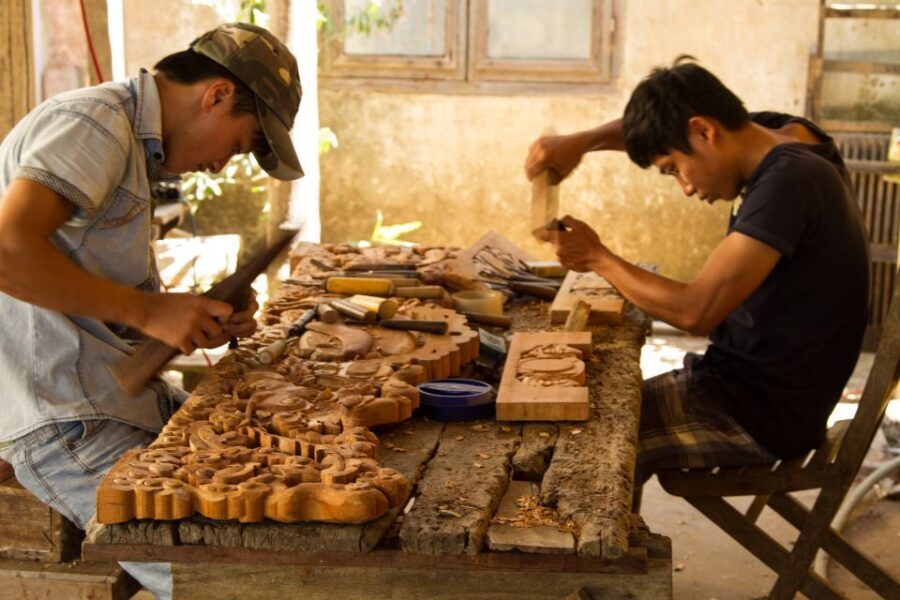
Once you’re there, the focus shifts to woodwork with a strong maritime link. You’ll explore the shipbuilding area and see how wooden fishing vessels are constructed using traditional techniques. Even if you don’t know anything about boatbuilding, you’ll quickly understand the logic behind the craft: the tools, the sequence of work, and the care that goes into getting a sturdy hull.
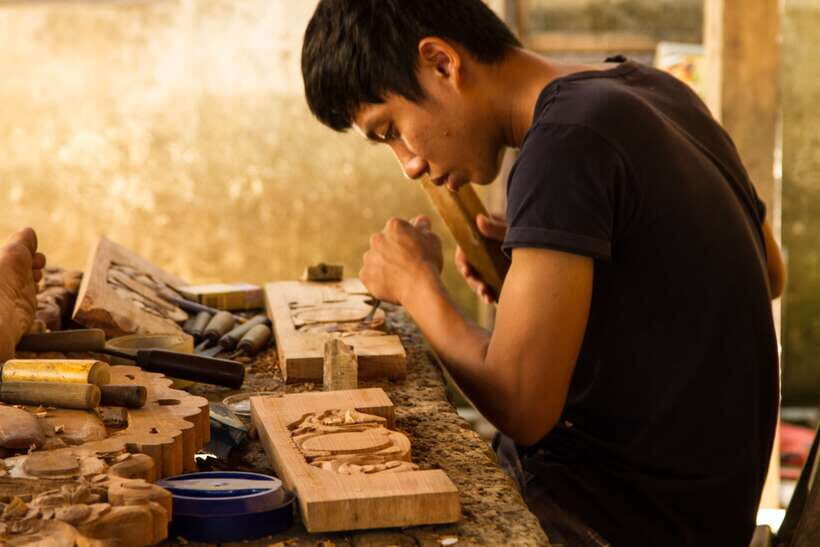
Next, you’ll visit a carpentry workshop where craftsmen create handcrafted furniture and intricate sculptures. This is one of the best stops for spotting fine detail. Look closely at the carving work and the overall finish—these aren’t mass-produced items, so you can often see the human choices in the shapes and edges.
If you love woodworking, this is your anchor moment on the tour. It’s also a good stop for photos, as long as you keep it respectful inside working areas.
Crossing the Water Again: A Scenic Reset Between Crafts

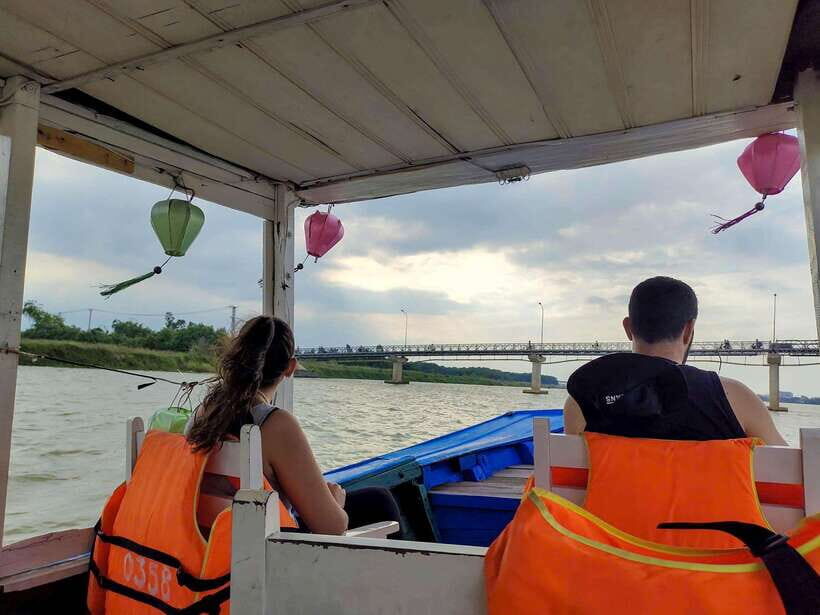
After Kim Bong, you’ll take another river boat ride before heading to the next village. I like this design because it gives your brain a breather. You’re not continuously in a workshop with no transition; instead, you get views along the way and a calmer rhythm before the next lesson.
This between-stop travel also helps the day feel like a “journey,” not a checklist. The Thu Bon River segments keep the tour from feeling rushed, and they make the half-day length easier to handle.
Thanh Ha Pottery Village: Watching Clay Become Everyday Objects

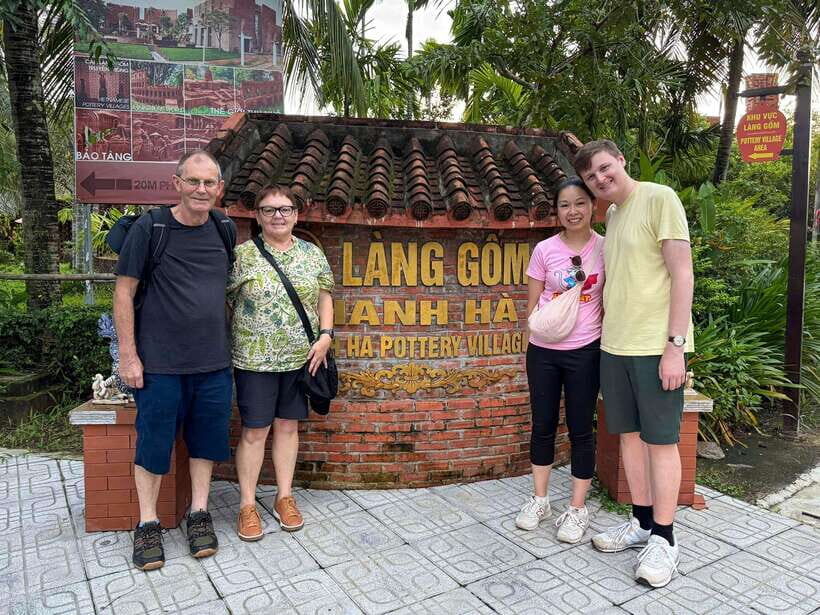
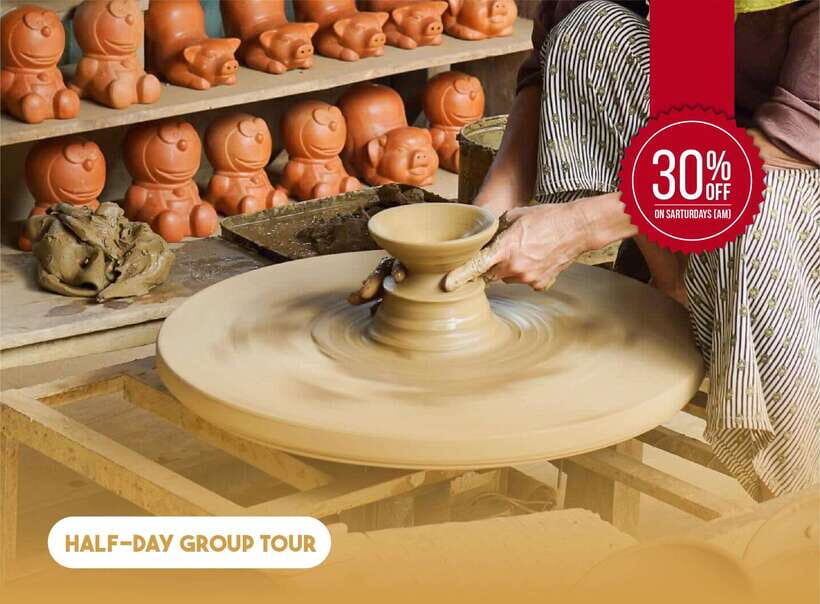
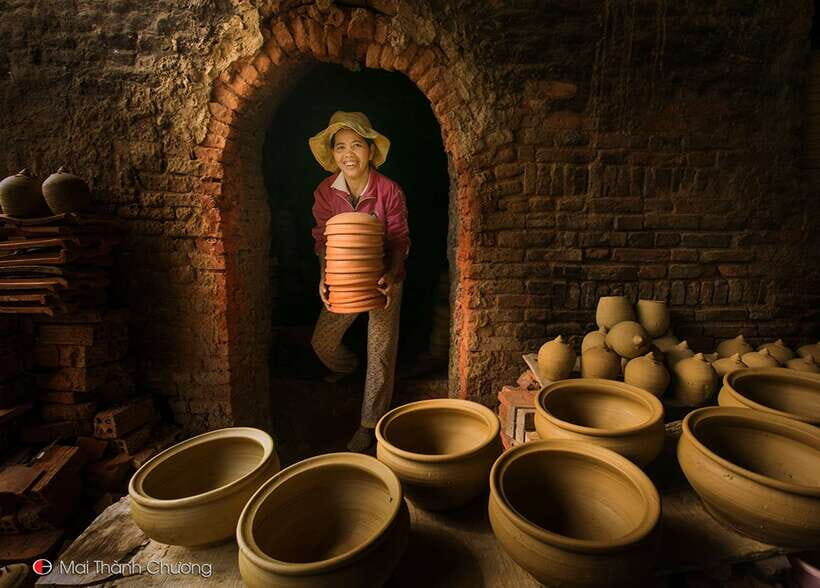
At Thanh Ha Pottery Village, you’ll switch from wood to clay—and the change is dramatic. This village traces back over 500 years, so it’s not a “new craft” or a short-term tourist project. You’ll observe villagers making pottery products such as vases, pots, and kettles.
Seeing pottery made in real time is one of those experiences that helps everything click. You get a sense of how the material behaves, how shapes come together, and how the final object starts as a simple clay form. It’s especially interesting here because the items are practical ones—objects you can imagine using, not just decorative wall pieces.
Guided walkthrough time is long enough to watch and compare stages of making, rather than only getting a quick look. That makes a big difference. If your goal is to understand how crafts actually work, Thanh Ha is one of the best stops on the route.






Terra Cotta Park Museum: Famous Landmarks in Clay
The tour continues with a visit to the Thanh Ha Terra Cotta Park Museum, where clay models and architectural replicas bring famous landmarks to life. This stop is different from the villages because it’s more “art and interpretation” than active production. Still, it connects directly to what you just saw: clay shaping and sculpting skills.
You’ll admire clay replicas of iconic landmarks, including the Leaning Tower of Pisa, Taj Mahal, Sydney Opera House, the White House, the Pyramid, and Notre Dame. It’s a fascinating mix—global recognition translated into local making style.
I find this museum works well even if you’re not a museum person. Why? Because it’s visually clear. You don’t need deep background knowledge to understand what you’re looking at: famous silhouettes, translated into clay form.
One practical tip: if you enjoy photographing details, slow down here. The museum style rewards close looking—especially around textures and how proportions are handled in miniature.
Ha Linh Lantern Manufacturing Unit: The Final Handmade Touch
To wrap up, you’ll visit Ha Linh Lantern Manufacturing Unit and learn about traditional lantern making. This is the last stop, and it’s a satisfying finish because it brings you back to a craft that’s strongly associated with Hoi An’s streets and evenings.
A lantern workshop adds emotional meaning to the tour. After wood, pottery, and clay architecture, you get a craft that’s instantly connected to the atmosphere people come for. You’ll walk through the unit with guidance, so you leave understanding what’s involved in the process, not just seeing finished lanterns.
If you want a souvenir you can explain later, this is where it makes the most sense. A lantern feels personal because it’s tied to tradition and local craft technique—not just a generic souvenir.
Timing Tips in Hoi An, Including Sunday Closures

Here’s the one scheduling warning I’d take seriously. If you’re thinking about going on a Sunday, try to avoid it. Many craftsmen on the islands can be closed on that day, which can limit what you’ll see.
If your visit has flexibility, picking another day keeps the itinerary “complete” in the way it’s designed. If your dates are fixed, don’t panic—just set expectations that a workshop might be less active than on other days.
Also, because pickup is included from Hoi An City Center (with the South Hoi An area excluded), I’d plan your hotel location carefully. If you’re far south, you might need alternative arrangements outside what this tour offers.
Who This Tour Fits Best (and Who Might Skip It)

This tour is a strong fit if you enjoy craft, process, and cultural context. I think it works especially well for:
- People who like watching practical skills in action (wood, clay, lantern making)
- Visitors who want a half-day plan without committing to a full day trip
- Anyone who prefers small, focused stops over one long museum visit
You might consider skipping (or pairing it with another plan) if you’re only interested in Hoi An’s walking sights like architecture and waterfront scenes. This tour is craft-heavy, so the vibe is more workshop and production than old-town wandering.
It’s also a decent choice for families, but keep in mind there’s a child rule: up to one child per adult at the child rate, and a second child pays the adult price.
Should You Book This Hoi An Crafts Tour?
I’d book this tour if you want value that goes beyond a photo stop. For $40, you’re getting river boat rides, multiple craft villages, entrance fees, and an English-speaking guide—plus the pacing of a short 4.5-hour plan that doesn’t drain your whole day.
The best reason to choose it is simple: you don’t just see objects. You watch how the making happens, from wooden fishing vessels and carvings to pottery pieces and clay replicas of famous landmarks. That’s the kind of experience that makes Hoi An feel like a living craft center, not a theme park.
If your dates include a Sunday, I’d strongly reconsider or plan a backup idea for the day. Otherwise, this is an easy “yes” for people who enjoy hands-on culture and want a well-structured half-day in Central Vietnam’s craft world.
FAQ
How long is the Hoi An craft tour?
The tour runs for about 4.5 hours.
What’s included in the $40 per person price?
It includes hotel pickup and drop-off in Hoi An City Center (except South Hoi An area), transfers and transportation, boat rides, entrance fees, bottled water, travel insurance, and an English-speaking tour guide (other languages may be available with a surcharge).
Where does pickup happen?
Pickup is included for hotels in Hoi An City Center, except the South Hoi An area.
Are there river boat rides during the tour?
Yes. The tour includes multiple river boat segments on the Thu Bon River.
Is the guide English-speaking?
Yes, the tour includes an English-speaking guide.
Is a private group available?
Private groups are available.
What are the rules for children?
The policy allows a maximum of 1 child accompanied by 1 adult at the child rate. A second child will pay the adult price.
What do you need to provide when booking for insurance registration?
You need to provide the name and nationality of each person joining the tour for insurance registration purposes. You should also specify any dietary requirements.
Can I get a refund if I cancel?
Yes. Free cancellation is available up to 5 days in advance for a full refund.