REVIEW · HOI AN
K50 waterfall and Mang Den – town in forest from Da Nang/Hoi An
Book on Viator →Operated by GlamRoses · Bookable on Viator
Rainforest access without the tourist bottleneck. This 3-day, 2-night trip takes you to Mang Den and Kon Chu Rang Nature Reserve, places most visitors skip, where you’ll see forest life and meet ethnic communities at human speed. I also like that the big payoff is a real wilderness waterfall experience, not a roadside photo stop.
You get that comfort layer too: a fluent English trekking guide with 5+ years of experience, plus a small maximum group size (up to 6) that keeps the day manageable. Meals, water, and key fees are handled, so you’re not constantly recalculating your day with a phone in your hand.
One consideration: you’re signing up for active travel days. Day 2 can include a 6 km jungle trek option, and either way you’ll spend substantial time on the road from Hoi An/Da Nang.
In This Review
- Key things that make this tour worth your time
- Starting point: how the trip flows from Hoi An and Da Nang
- Day 1 in Mang Den: forest town energy and ethnic village time
- Day 2 at Kon Chu Rang Nature Reserve: K50 waterfall and your trekking choice
- Day 3 at Glamroses Permaculture Farm: coffee, views, and a slower finish
- Price and value: what $349 buys you here
- What the small group size changes (for real)
- Who this trip is best for
- Timing, comfort, and what to bring for Kon Chu Rang
- Should you book K50 Waterfall and Mang Den?
- FAQ
- How long is the tour?
- Where does the tour start?
- How much does the tour cost?
- How many people are on the tour?
- What are the main places you visit?
- Is Day 2 trekking required?
- What meals and drinks are included?
- Is entrance or ticket cost included?
- How does cancellation work?
- Is a guide included and do they speak English?
Key things that make this tour worth your time
- Mang Den’s forest edge: a town area with about 80% forest cover, not a packaged “attraction loop.”
- Mo Nam community visits: you’ll spend time with a minority group and learn about their culture and cuisine.
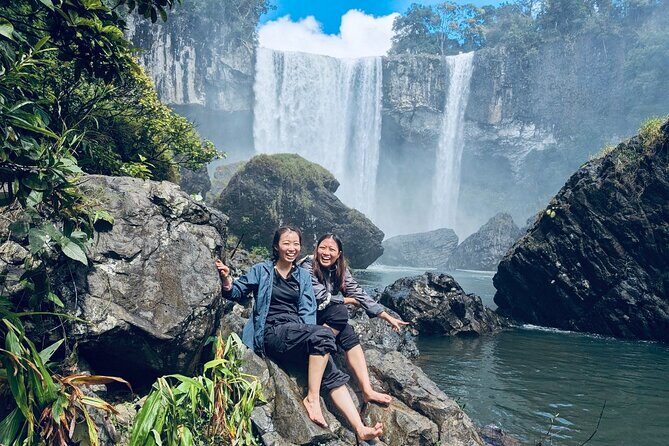
- Kon Chu Rang’s K50 (Hang En) waterfall: the highlight is in the heart of the reserve, inside a primitive-forest setting.
- Two ways to reach the reserve: trekking around 6 km in the jungle, or using a motorbike taxi if you prefer not to trek.
- Small-group feel (max 6): better pacing, easier logistics, safer movement in nature.
- Glamroses Permaculture Farm stop: a coffee/tea break with mountain views before you head back.
Starting point: how the trip flows from Hoi An and Da Nang
This is built as a true multi-day outing, not a rushed one-liner. You start early, with pickup in Da Nang around 7:00 am or Hoi An around 7:30 am, then you transfer inland toward Mang Den.
The big advantage of this setup is that you gain time in the right places. By the time you check in and get moving, you’re already far enough from the coast that the day feels different. Also, you’re not juggling separate tickets—this is an all-in package with a mobile ticket, included travel insurance, and water.
It’s also a private tour/activity in the sense that your group stays together rather than getting mixed into a random crowd. With a cap of 6 people, the guide can adjust pacing if someone is slower or wants more time to look.
You can also read our reviews of more tours and experiences in Hoi An.


Day 1 in Mang Den: forest town energy and ethnic village time
Mang Den is described as the last town in Vietnam that still has around 80% of forest covering. That matters because the setting isn’t just a backdrop—it shapes how the day feels. You’re not arriving somewhere built only for visitors; you’re entering a living forest environment.
After pickup, you’ll ride for about 5 hours from Da Nang or Hoi An, then you’ll check in your hotel. Next comes lunch, then the village portion of the day: you’ll visit minor ethnic people villages, with a focus on the Mo Nam community.
Mo Nam is the heart of the cultural side of this trip. Expect to learn about their life and also try their cuisine as part of the experience. For me, the value here is the tone: this isn’t cultural entertainment staged for hours. You get time to observe and ask questions, the kind that only works when the group size stays small.
The day runs about 8 hours, and the admission ticket for this part is listed as free. Practically, that reduces the number of small payments you’d otherwise deal with, so you can focus on the experience instead.
Possible drawback to plan for: Day 1 starts early and you already have a long ride built in. If you hate car time, you’ll still need to sit back and let the day arrive.
Day 2 at Kon Chu Rang Nature Reserve: K50 waterfall and your trekking choice
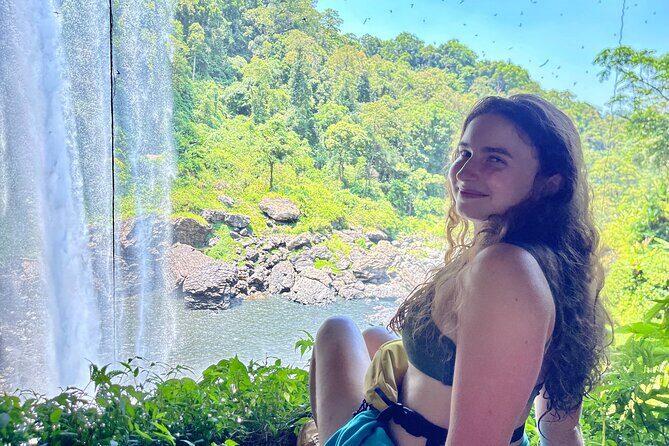
Day 2 is where the trip earns its reputation. After breakfast, you travel about 50 km to Kon Chu Rang Nature Reserve, with the waterfall positioned deep in the reserve’s heart area.
The key decision is how you want to get there:
- Option A is a 6 km trek through tropical jungle.
- Option B is a motorbike taxi if you can’t or don’t want to trek.
This is a big deal because it lets you match the day to your body and comfort level. You still reach the waterfall area either way, but how you experience the route changes completely. Trekking gives you the slow-breathe feeling of forest movement—more smells, more sounds, more chances to pause and take it in. The motorbike taxi option keeps you from losing a whole day to physical strain.
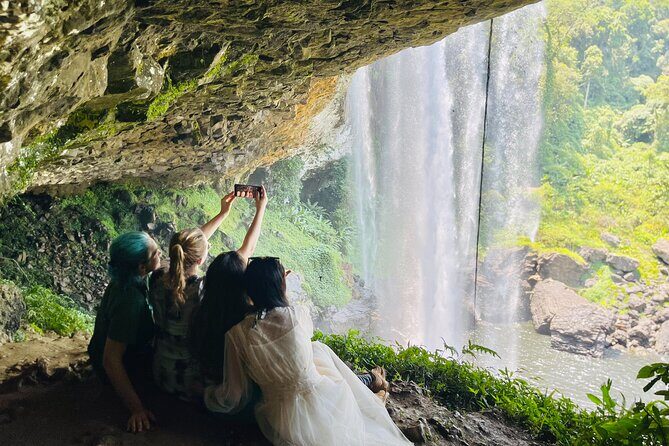
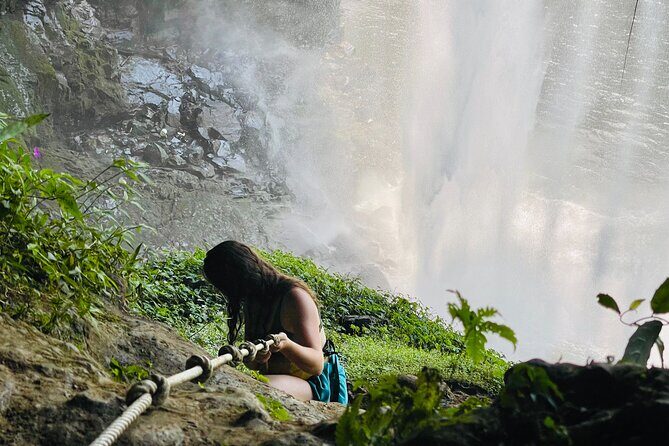
Once you arrive, the standout feature is K50 Waterfall, also known locally as Hang En waterfall. The description you’ll hear about Kon Chu Rang is that parts of it keep a primitive forest character with untouched nature and minimal human interference. In plain terms: this is not a manicured park trail with souvenir stands at every bend.
The day is listed as about 12 hours, and admission tickets are included for this portion. That’s helpful because it prevents the common problem where you get to the reserve and realize you still need to buy entrance separately.
Practical consideration: even with the taxi option, you’re in a jungle reserve. Things can be slippery and damp, and you’ll likely be on your feet more than you expect. Wear shoes you trust.
Day 3 at Glamroses Permaculture Farm: coffee, views, and a slower finish
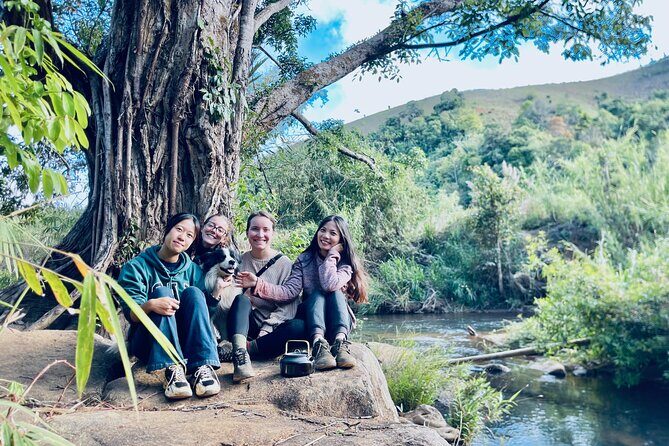
After breakfast, you shift from wilderness to something more grounded and human-scaled: Glamroses Permaculture Farm. This stop is built for a calmer pace after the jungle day, with time for coffee or tea prepared by the team.
You’ll also get mountain views, which is a nice way to close out a nature-heavy itinerary. It’s the kind of moment where you can look at the wider region after spending two days moving through specific places.
At 11:30 am, you head back to town for lunch, then the bus takes you back to Da Nang or Hoi An, finishing the tour.
This structure works well because your last day doesn’t keep you fighting fatigue. You get a meaningful “in-between” day—nature, then learning/food (permagrass systems, usually), then rest and a ride home.
Price and value: what $349 buys you here
The price is $349.00 per person for 3 days and 2 nights, and the tour is commonly booked about 21 days in advance. That timing detail matters if you want a certain start date or you’re traveling around weekends and Vietnamese holiday periods.
Now the value question: you’re not just buying transport to a viewpoint. You’re paying for:
- Pickup from either Da Nang or Hoi An
- A multi-day schedule with 2 dinners, 2 breakfasts, and 3 lunches
- Water (2 litres per person per day)
- Included fees and taxes plus travel insurance
- A small-group experience with a guide who’s fluent in English and has 5+ years trekking experience
- Admission that’s listed as free for Day 1 and included for the reserve
When packages include this many “hidden” costs (food, water, insurance, key tickets), the real comparison changes. For many jungle treks, you end up paying separately for entrance fees, lunches, bottled water, and the guide. Here, that clutter is reduced.
That said, you should still read the price as a commitment to the style of travel. If you want zero walking and zero early starts, this may feel like paying premium rates for activity you won’t enjoy. If you’re okay with jungle time and you want a genuinely off-the-grid feel, it can be strong value.
Also note: personal expenses aren’t included. Keep a little cash/card backup for souvenirs or extras, because that category always shows up when you’re in local settings.


What the small group size changes (for real)
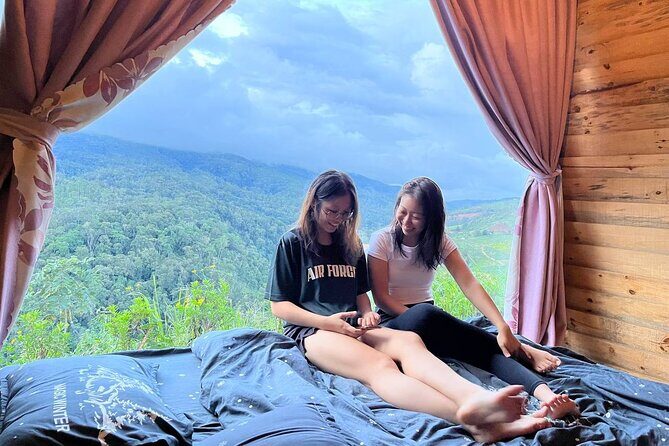
A maximum of 6 participants isn’t a marketing line. It changes your day in practical ways.
First, it improves pacing. In a dense, slippery environment like a tropical reserve, you don’t want a big line stretching out. The guide can keep everyone together, slow down for photos or questions, and adjust if someone needs a break.
Second, it improves the cultural stop. When you visit a minority community area like Mo Nam villages, you’ll get a calmer rhythm for conversation and observation. With fewer people, you don’t feel like you’re rushing through someone else’s home.
Finally, it supports safety. The tour specifies a trekking guide, and small numbers help the guide manage route choices, footing, and the flow of the group if conditions are muddy or humid.
Who this trip is best for
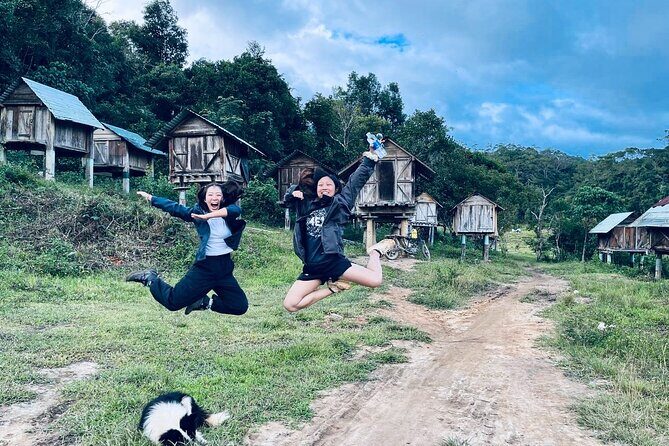
I’d point this tour toward travelers who:
- Want nature first, with real places instead of a string of tourist sites
- Enjoy meeting people and learning about daily life, especially with a community focus like Mo Nam
- Are comfortable with at least one active day, with an option to trek 6 km or take a motorbike taxi
- Like having an English-speaking guide who can handle logistics and help you understand what you’re seeing
I wouldn’t recommend it for travelers who:
- Want a purely “sit, look, and photograph” plan
- Get motion sick easily from long transfers
- Need lots of downtime between activities
Timing, comfort, and what to bring for Kon Chu Rang
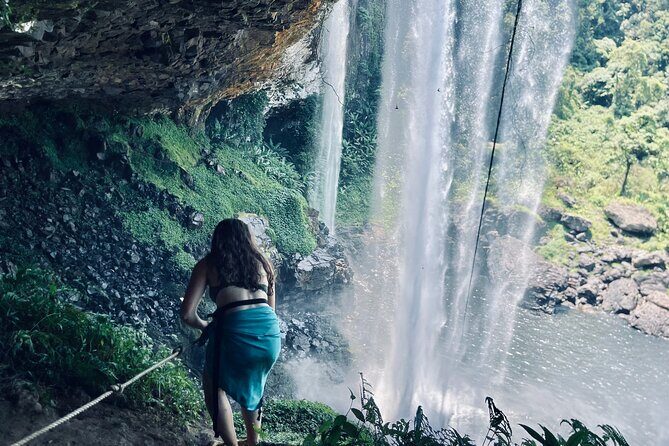
The schedule is front-loaded with movement: early pickup, long transfer to Mang Den, then a full day at the reserve. That means comfort gear matters.
Bring:
- Shoes you can walk in on uneven ground (water-resistant is a bonus)
- A light rain layer or poncho (jungle weather can switch)
- Bug protection you’re comfortable using
- A small daypack for water, snacks, and rain gear (even though water is provided)
- Sunscreen and a hat for the brighter stretches
You’ll get 2 litres of water per person per day, which is a real help. Still, you’ll want access to it during trekking or breaks, so have a bottle system that’s easy for you.
Also, since this is a small-group nature tour, plan to pack light and keep your essentials ready. The fewer fiddly items you carry, the easier it is to focus on the day.
Should you book K50 Waterfall and Mang Den?
Book it if you want an honest-to-goodness nature itinerary with cultural contact and a clear highlight: K50/Hang En waterfall in Kon Chu Rang. The small-group cap, the trekking guide experience, the Mo Nam focus, and the included food and water all point to a trip designed for people who want more than a photo checklist.
Don’t book it if your ideal Vietnam day is mostly indoor time, minimal walking, and short transfers. This tour is for those who can handle early mornings and one real jungle route choice.
If you’re on the fence, pick based on the Day 2 decision. If you’ll either trek 6 km or you’re comfortable using the motorbike taxi option, you’re in the right zone for this experience.
FAQ
How long is the tour?
It’s listed as 3 days (about 3 days 2 nights).
Where does the tour start?
Pickup is offered from Da Nang around 7:00 am or from Hoi An around 7:30 am.
How much does the tour cost?
The price is $349.00 per person.
How many people are on the tour?
Maximum participants are 6 people.
What are the main places you visit?
You visit Mang Den, Kon Chu Rang Nature Reserve (for K50/Hang En waterfall), and Glamroses Permaculture farm.
Is Day 2 trekking required?
No. You can choose between a 6 km jungle trek or taking a motorbike taxi if you can’t trek.
What meals and drinks are included?
The tour includes 3 lunches, 2 breakfasts, and 2 dinners, plus water: 2 litres per person per day.
Is entrance or ticket cost included?
Admission ticket details are listed as free for Day 1 and included for Day 2’s reserve portion.
How does cancellation work?
You can cancel up to 3 days in advance for a full refund. If you cancel less than 3 full days before the experience start time, it won’t be refunded.
Is a guide included and do they speak English?
Yes. The trip includes a fluent English trekking tour guide with 5+ years experience.