A day out in the countryside changes your whole Hoi An view. What I like most is the hands-on rhythm: Tra Que farming with real herbs under your nose, then basket-boat crab fishing in the coconut waters. The second big win is the meal side of the day: you learn cooking steps with locals and then eat what you made. One thing to consider is that parts of this day are outdoors and weather-dependent, so plan for humidity and the occasional wet splash from the boat.
This is a private-style tour format, so your schedule tends to feel more like a day with a guide than a cattle-call. You’ll move through vegetable gardens, fishing villages, and an island food workshop before returning to Hoi An Ancient City with context and a local explanation. I also like that the tour includes practical time breaks like lunch and a foot massage, so you are not just running from one photo stop to the next.
In This Review
- Key Highlights You’ll Actually Feel During the Day
- Why This Hoi An Countryside Day Feels More Real Than a Standard City Loop
- Price and Logistics: What $65 Covers (And Why That Matters)
- Tra Que Vegetable Village: Herbs, Farming Rhythm, and Easy Photo Opportunities
- Bay Mau Coconut Forest Basket Boat Crab Fishing: The Best Kind of Hands-On
- Tra Nhieu Fishing Village and the Temple of Giant Whales
- Cam Kim Island: Rice Grinding, Rice Milk, Rice Paper, and Snacks You Make
- Foot Massage and Lunch: The Midday Reset That Makes the Whole Day Work
- Hoi An Ancient City at the End: What Changes When You Arrive With Context
- Who This Tour Suits Best (And Who Might Want a Different Day)
- Should You Book This Farming, Cooking, and Basket Boat Day?
- FAQ
- FAQ
- How long is the Hoi An village island experience?
- What is included in the price?
- Is pickup included?
- Is this a private tour?
- Do I need to pay entrance fees separately?
- Can I ride in a bamboo basket boat?
- What are the main activities during the day?
- Is there any child-specific pricing?
- What if the weather is bad?
- What is the cancellation window?
Key Highlights You’ll Actually Feel During the Day
- Tra Que Vegetable Village herb gardens: smell the greens, see traditional growing methods, and take photos like a participant.
- Bay Mau Coconut Forest basket boat crab fishing: learn how fishermen work the water, not just watch.
- Tra Nhieu Fishing Village + Giant Whales temple: beliefs and daily field life in the same scenic drive.
- Cam Kim Island rice paper and snack making: hands-on grinding, rice milk, and tasting what you helped create.
- Lunch plus foot massage: a real reset before walking Hoi An Ancient Town.
Why This Hoi An Countryside Day Feels More Real Than a Standard City Loop
Hoi An can be easy to do on autopilot. You walk, you shop, you take a photo, then you move on. This tour leans the other direction—out into working areas where people grow food, fish, and cook at home.
The day’s value is that it connects three things you often see separately:
- agriculture (vegetable village, rice fields),
- water work (basket boat crab fishing),
- food culture (cooking with a local family and island-style snacks).
I like that the pacing is broken into focused stops with short time blocks. That matters because you’ll be switching from land to water to a kitchen environment, and you want enough time at each point to feel what’s going on.
You can also read our reviews of more tours and experiences in Hoi An.

Price and Logistics: What $65 Covers (And Why That Matters)
At $65 per person for about 5 to 6 hours, the best way to judge value is by what you are not paying separately. The tour includes:
- an English-speaking guide,
- village entrance tickets,
- the basket boat ride fee,
- lunch (or dinner, depending on timing),
- water,
- transfers.
It also includes a mobile ticket, which reduces hassle when you’re moving around the countryside. If you want more comfort, private vehicle or motorbikes can be arranged upon request while booking.
For you, the practical upside is simple: you are paying for coordination—transport, entry tickets, and the activities tied to each location—so you can spend your energy learning and participating instead of figuring out logistics between stops.
Tra Que Vegetable Village: Herbs, Farming Rhythm, and Easy Photo Opportunities
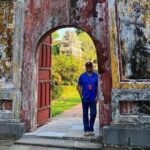
Your first stop is Tra Que Vegetable Village, where you meet a local family growing vegetables in their gardens. This is one of those places where the information comes through the senses. Herbs have a strong smell, leaves have texture, and gardens show work that happens daily instead of only during market hours.
You’re given around 20 minutes here with a local family. In that time, what you should expect is less of a lecture and more of a guided walkthrough—how vegetables are grown, how the gardens are maintained, and what makes the herbs special.
What I like about starting here: it sets the theme of the day. You are not just going to cook later; you get a first taste of what ingredients start as—living plants with purpose.
Possible drawback: it’s an outdoors village stop. If you dislike heat or sun, plan hydration and keep sun protection handy.
Bay Mau Coconut Forest Basket Boat Crab Fishing: The Best Kind of Hands-On
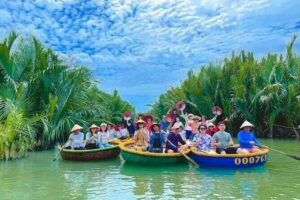
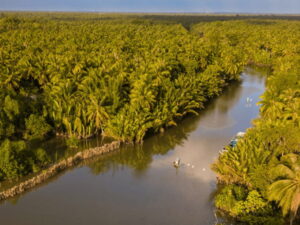
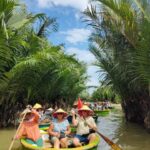
Next comes the Bay Mau Coconut Forest area, and this is where the tour shifts from gardens to water. You ride in a bamboo basket boat and go crab fishing—often the part people remember because it’s active and a little different from your typical canal ride.
You’ll learn how locals throw out large fishing nets, and then you get to try the fishing action yourself. This is the moment where the tour stops feeling like a series of destinations and starts feeling like a lived activity: you’re learning the technique while standing (or balancing) in a small boat.
A few things to keep in mind for you:
- Expect water contact. Even if you are careful, splashes happen.
- Wear footwear you do not mind getting a bit wet.
- Go with the attitude that this is not a sports competition. It’s learning a local method.
I also appreciate that the tour frames this as local work and local technique, not just entertainment. You’ll come away understanding the basics of how fishermen set up and why.
Tra Nhieu Fishing Village and the Temple of Giant Whales
Then you head to Tra Nhieu Fishing Village. The highlight here is a temple of Giant Whales, built by local fishermen. That detail matters because it gives you cultural context: these communities build belief systems around the natural forces they depend on.
You’ll spend about 45 minutes here. The time includes learning about local culture and beliefs, plus scenery as you pass corn fields and rice paddies. You may also see cow herding and locals working in their fields as the drive continues along the river bank.
The scenic part is not just decoration. It helps you understand why these fishing and farming communities are arranged the way they are—water routes, fields, and daily routines all tied together.
Small consideration: this stop is cultural and scenic, not fast-paced. If you prefer constant activity, you may want to mentally treat this as your slow, grounding chapter before the next food-focused workshop.
Cam Kim Island: Rice Grinding, Rice Milk, Rice Paper, and Snacks You Make
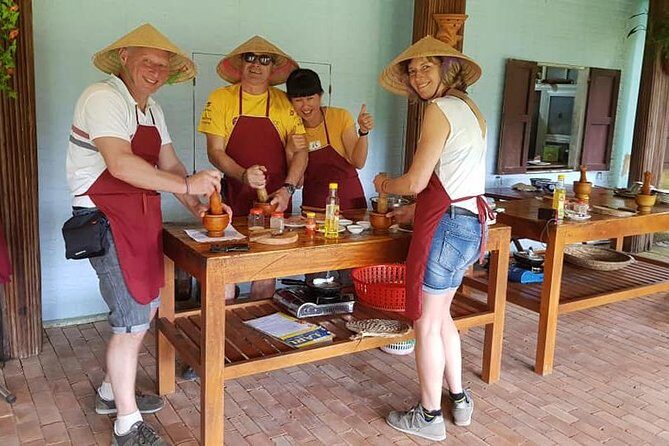
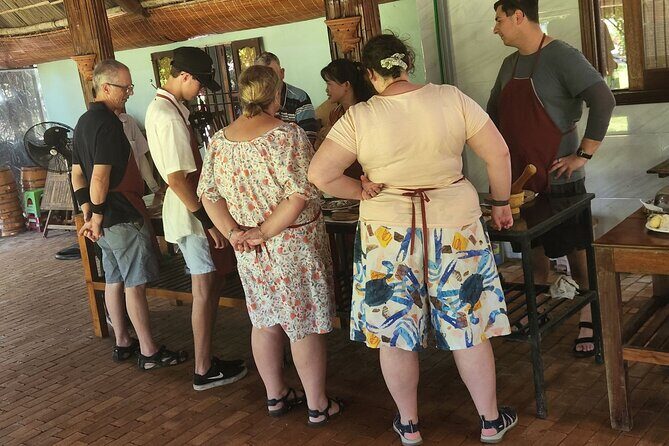
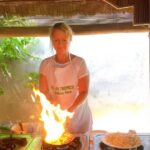
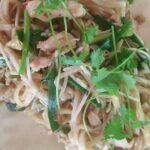
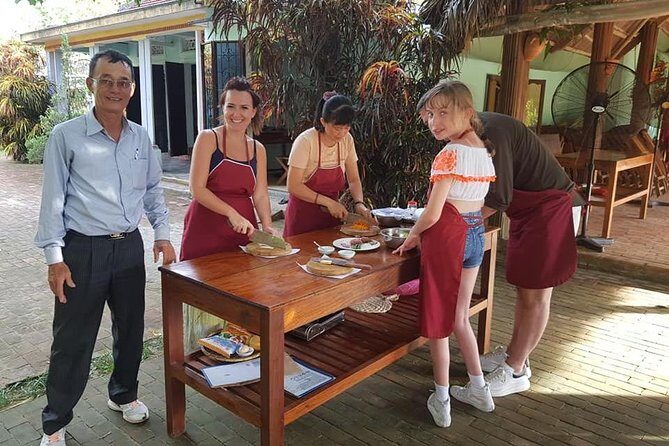
On Cam Kim Island, you trade land-and-water movement for a kitchen workflow. This stop is about daily island life and what you can actually do with your hands.
You’ll do activities that include:
- grinding rice,
- using rice milk to make rice papers,
- helping prepare snacks,
- then sitting down to enjoy what you made.
You’re in this area for about 30 minutes, so it’s not a long cooking course. Still, it’s long enough for you to feel the process rather than just taste the final result. And the tasting is not an afterthought—snack time is built in.
What I find valuable here is that it explains the bridge between farm and table. You see how raw ingredients become something snackable and shareable, which fits perfectly with the Tra Que start of the day.
If you want to bring part of the experience home, you might find it worthwhile to pick up some ingredients while you’re still in that mindset. Some people use that cooking moment to recreate flavors later.
Foot Massage and Lunch: The Midday Reset That Makes the Whole Day Work
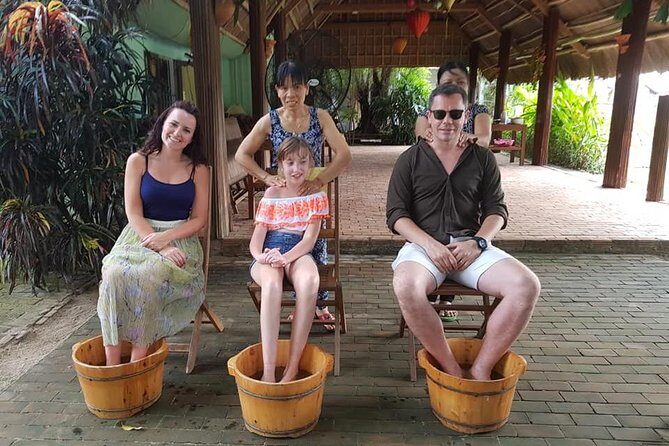
Half-day countryside days can feel exhausting because you’re constantly adjusting—standing, sitting, getting in and out of transport, then walking again in town. This itinerary builds in two reset points: lunch (or dinner) and a foot massage.
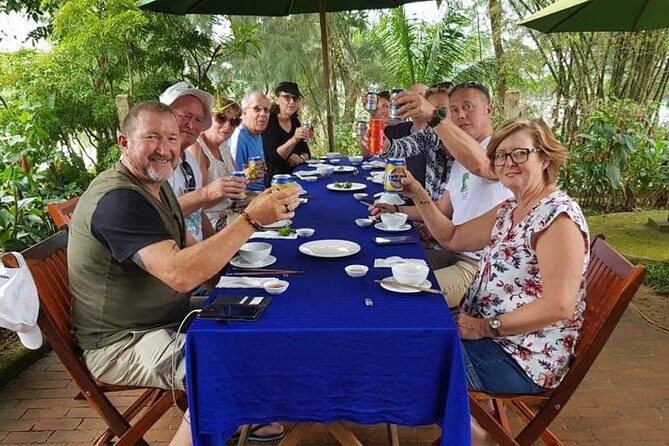
Lunch is included at a local restaurant. Even if you are not picky, I’d treat this as part of the experience, not just fuel. You’ll likely eat food tied to the day’s themes and the activities around cooking.
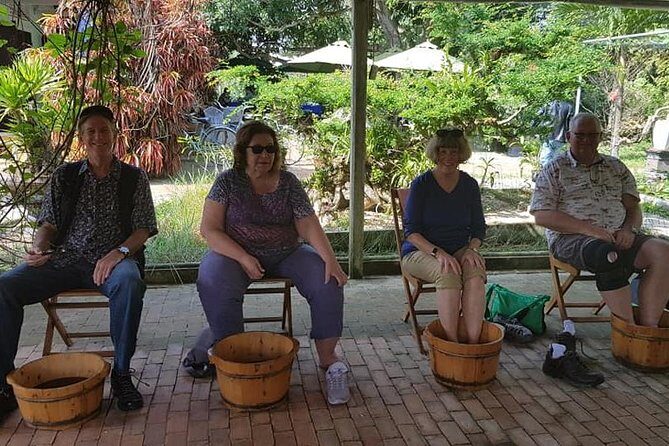
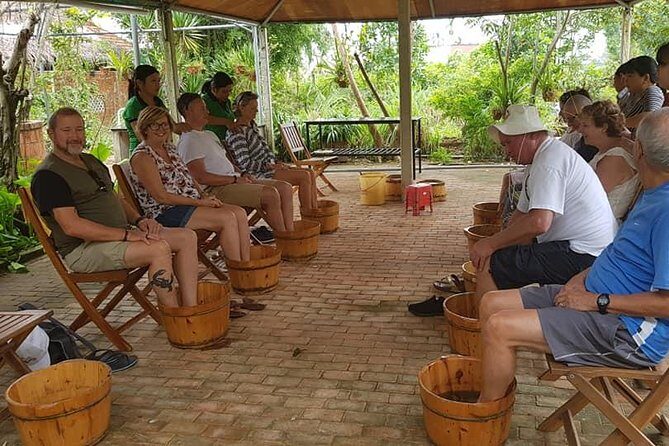
The foot massage is the other key. It’s a smart inclusion because your day has water time (often tiring on balance) and walking time that comes later in Ancient City streets. A short massage can make the difference between feeling done early and being able to enjoy the final walk.
Hoi An Ancient City at the End: What Changes When You Arrive With Context
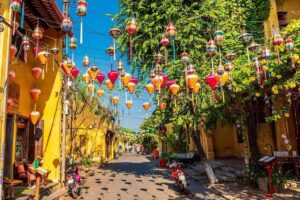
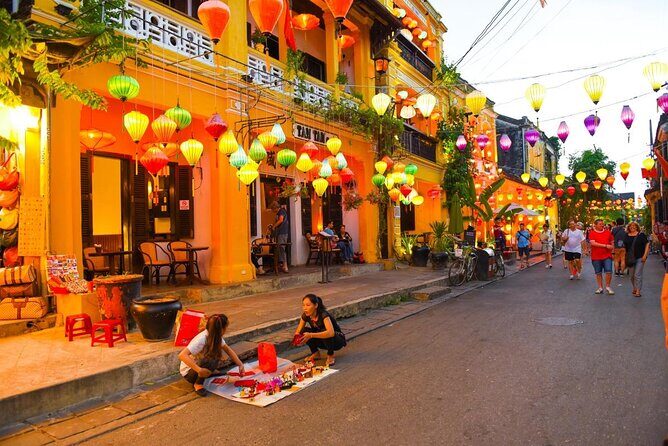
You finish with entrance to Hoi An Ancient City and a guide to explain the history and significance. Ending here is a smart choice. By the time you reach the old town, you’ve already seen the modern working life of the region—so the heritage explanation lands differently.
Expect a guided stroll where you are not only looking at old structures, but also hearing why they matter. For me, the best Ancient City tours do two things:
- they help you recognize what you’re looking at,
- and they connect old life to the geography and livelihood you just saw outside town.
Timing can also help. You’ll be moving through the city when the day feels more settled, and you get a better chance to absorb the atmosphere without sprinting.
Who This Tour Suits Best (And Who Might Want a Different Day)
This tour is especially good for you if you want:
- a hands-on day (farming, fishing, cooking),
- small moments of culture (temple, beliefs, village routines),
- and a balanced plan with breaks and food built in.
It’s also a good fit for couples, because the day naturally creates conversation: what you made, what you tried, what surprised you. It can work for friends too, but you’ll get the most value if you are willing to participate rather than only observe.
You might want a different style of tour if:
- you dislike being outdoors in the daytime,
- you prefer long museum-style explanations over active village work,
- or you want a full day strictly in town.
Should You Book This Farming, Cooking, and Basket Boat Day?
Yes, if you want a Hoi An day that feels connected to how people actually live and work. For the price, you’re getting real village activities plus entrances, lunch/dinner, and transfers, and that bundled value is hard to beat if you would otherwise hire a guide and plan transport on your own.
Book it if your priorities are:
- food culture and what ingredients start as,
- learning local fishing methods through a bamboo basket boat experience,
- and ending with Ancient City context instead of just walking blindly.
Skip it if you want a purely city-based afternoon or if weather would likely ruin your comfort—this experience needs good weather to run well.
FAQ
FAQ
How long is the Hoi An village island experience?
It lasts about 5 to 6 hours.
What is included in the price?
The tour includes an English-speaking guide, local village entrance tickets, the basket boat ride fee, lunch or dinner at a local restaurant, water, and transfers.
Is pickup included?
Yes. Pickup is offered, and transfers are included.
Is this a private tour?
Yes. It is private, so only your group participates.
Do I need to pay entrance fees separately?
No. Entrance tickets for the local villages are included.
Can I ride in a bamboo basket boat?
Yes. The itinerary includes a basket boat ride in the coconut forest area for crab fishing.
What are the main activities during the day?
You’ll visit a vegetable village, do cooking with a local family, try crab fishing from a basket boat, visit a fishing village and its Giant Whales temple, and participate in rice paper and snack making on Cam Kim Island. You also get a foot massage and visit Hoi An Ancient City with a guide.
Is there any child-specific pricing?
Children have a rate that applies only when sharing with 2 paying adults. Children must be accompanied by an adult.
What if the weather is bad?
This experience requires good weather. If it’s canceled due to poor weather, you’ll be offered a different date or a full refund.
What is the cancellation window?
You can cancel up to 24 hours in advance for a full refund. If you cancel less than 24 hours before, the amount paid is not refunded.