REVIEW · HOI AN
Alluvia Hoi An Chocolate Making Class
Book on Viator →Operated by Alluvia Chocolate-making class Hoi An · Bookable on Viator
Chocolate-making in Hội An is surprisingly fun. In this Alluvia Hoi An Chocolate Making Class, you learn how cacao becomes chocolate in Vietnam, then use that know-how to make your own treats. I like that the lesson covers real fundamentals, not just eating and posing, and I also like that the class is small enough to get hands-on help while you work. One thing to consider: the classroom is kept cool (about 16–20°C), so plan for a light layer.
You’ll spend about two hours moving through the chocolate process, from learning about the cacao tree and local production to tempering dark chocolate and assembling a 30g wrapped bar. You also get time for pralines and truffles, so you’re not stuck making one single thing. The setup is simple and practical, but you should know the course does not include lunch, only a free drink.
If you’re the type who enjoys learning a skill you can repeat at home, this is a solid use of an afternoon in Hội An.
In This Review
- Key Takeaways Before You Go
- Where You Start: Alluvia Chocolate House on Phan Chu Trinh
- What You Learn: Cacao Tree to Chocolate Bar Basics
- Tempering Dark Chocolate: The Skill That Makes Chocolate Behave
- Making Your 30g Wrapped Bar (and Not Losing Your Nerves)
- Pralines and Truffles: Turning One Lesson into Multiple Treats
- Choosing Chocolate Types (Dark Included, Milk May Cost Extra)
- Price and Value: Is $21.76 Worth It?
- Practical Stuff That Makes the Difference
- Who Should Book This Class in Hội An?
- Should You Book Alluvia’s Chocolate-Making Class?
- FAQ
- How long is the Alluvia Hoi An Chocolate Making Class?
- What can I make during the class?
- Is milk chocolate included?
- What’s included in the price?
- Is lunch included?
- Is the class taught to beginners?
- What should I wear since the room is cool?
- What if the experience is canceled due to weather?
- What’s the cancellation window?
Key Takeaways Before You Go
- Small class size (max 6) means more time with the host while you make your chocolate
- Pod-to-bar basics plus cacao tree context, so it’s more than a dessert workshop
- Tempering dark chocolate is taught, including making and wrapping a 30g bar
- You’ll make more than one treat, with pralines and truffles added after the bar
- Cool room temperature (16–20°C) means bring a light jacket or long sleeves
- Value-focused package: equipment, ingredients, and one free drink are included
Where You Start: Alluvia Chocolate House on Phan Chu Trinh
This class meets at Alluvia Chocolate House Hội An, located at 36 Đ. Phan Chu Trinh in Minh An. Start time is 2:00 pm, and the whole experience ends back at the meeting point, so you’re not dealing with long transfers or a “drop-off and disappear” setup.
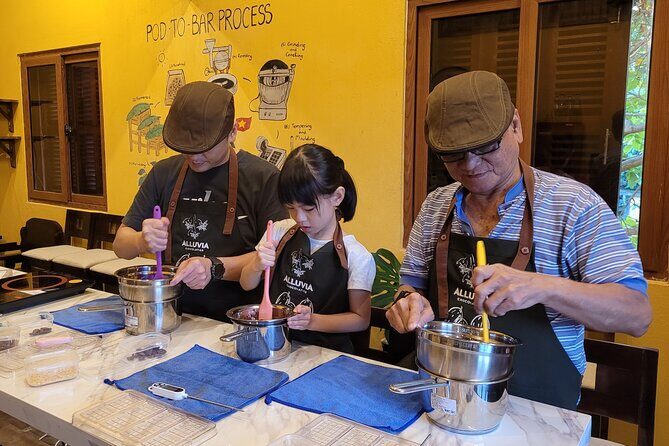
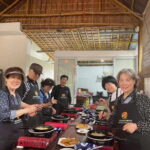
The group stays small—up to 6 travelers—which matters more than you might think. When you’re tempering chocolate, shaping pralines, or trying to wrap a bar neatly, slow and steady guidance helps. With a tight group, you’re less likely to feel rushed, and you can ask questions as you go.
You’ll want to plan for the room itself, too. The classroom is kept cool, around 16–20°C, so even if the afternoon in Hội An feels warm outside, you may feel chilly inside. A light jacket or long-sleeved shirt is an easy win.
You can also read our reviews of more tours and experiences in Hoi An.


What You Learn: Cacao Tree to Chocolate Bar Basics
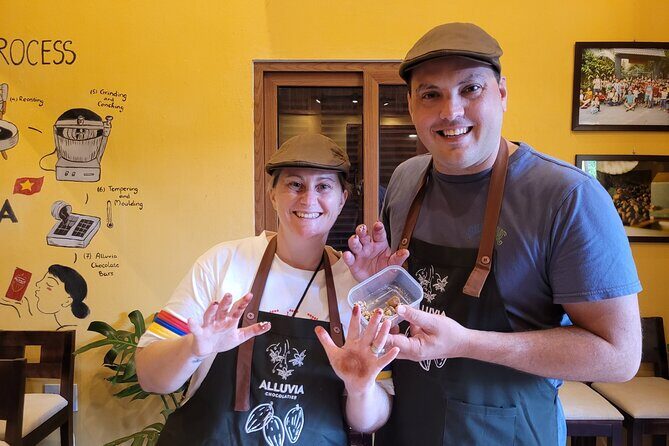
The heart of the experience is the explanation of how chocolate happens in Vietnam—from cacao tree basics to cacao production. You’ll get guided information on the cacao tree characteristics and how cacao is produced locally. This part is brief, but it’s designed to give you context before you start working with chocolate.
Then you move into the chocolate-making workflow: how chocolate is made from pod to bar. Even if you’ve eaten chocolate your whole life, seeing the steps laid out changes how you think about the ingredient. You stop treating chocolate like a single product and start thinking about it as something made through process and handling.
This matters for the home part of the class. If you understand the “why” behind the technique, you’ll have an easier time repeating it later. And the host doesn’t just stop at theory—you apply the techniques in practice.
Tempering Dark Chocolate: The Skill That Makes Chocolate Behave
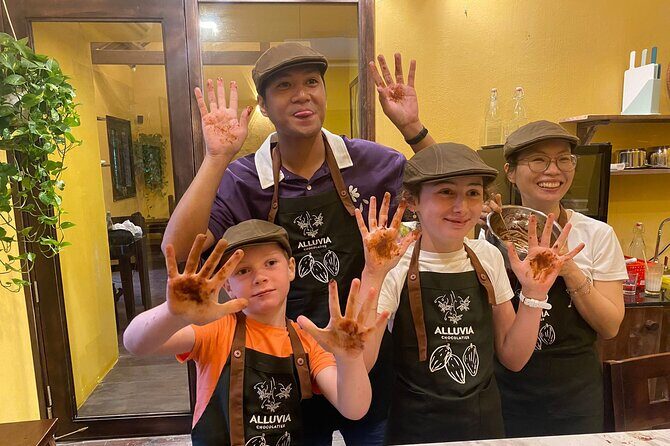
One of the main “learn something real” moments is tempering dark chocolate. You’ll be instructed on how to do it, and you’ll use that tempered chocolate to make your own finished bar.
Tempering is the step many people skip at home because it sounds fussy. Here, it’s taught in an approachable way as part of the class flow. That means you’re not left with a vague idea—you’re working with the chocolate while the host guides you through the technique.
After the tempering instruction, you’ll also learn how to create your final product: a 30g chocolate bar and how to wrap it with paper. That wrapping step is small, but it’s satisfying. It turns your work from messy craft into something you can actually keep, gift, or bring back without it looking like a kitchen experiment.
Making Your 30g Wrapped Bar (and Not Losing Your Nerves)
This is the part where you’ll feel the most “I did this” pride. The class includes instructions to make a 30g bar, plus guidance on wrapping it properly.
The bar size is practical—small enough to fit the time window, big enough to feel like a real finished item. In a short class, this balance matters. You’re not waiting for a huge batch that takes forever. You’ll work, finish, and leave with something intact.
Also, you’ll get hands-on tips along the way. Those little corrections are often what separate good results from chocolate that doesn’t set the way you expect. If you care about doing it right the first time, this is where the value of the host really shows.
And don’t forget: you get a free drink included, so you’re not spending the afternoon dry. You can choose one drink from the menu, and there’s water available for refill.
Pralines and Truffles: Turning One Lesson into Multiple Treats
After the bar, you’ll shift gears into making chocolate pralines and truffles. This is where the class becomes more fun and less technical. You’re still working with chocolate, but you’re building different shapes and styles instead of focusing only on tempering.
The course is set up so you leave with variety. That’s a big deal if you’re buying this experience for yourself, a friend, or a couple situation where people want different types of treats. You’re not limited to one flavor or one form.
You’ll also receive tips related to making chocolate during this section. That likely means adjustments to consistency, handling, and how to get the final textures right. Since the class includes equipment and ingredients, you can focus on the craft rather than worrying about sourcing supplies.
You can also read our reviews of more tours and experiences in Hoi An


Choosing Chocolate Types (Dark Included, Milk May Cost Extra)
You can choose the chocolate types you make. Dark chocolate is part of the course and is the one you’re taught to temper. If you want milk chocolate, there’s a small extra paid for it.
That choice affects what you might expect from the final outcome and what you practice during tempering. If you’re trying to follow the technique the closest to what’s taught, pick the dark option. If you’re a milk-chocolate fan, plan for the extra cost and still go in expecting a guided process rather than a free-form crafting session.
Price and Value: Is $21.76 Worth It?
At $21.76 per person, this class feels like good value for what you actually get. You’re paying for a guided two-hour workshop with:
- equipment used to make the bar and sweets
- chocolate and other ingredients used during the session
- instruction from the host across multiple chocolate types
- one free drink plus refillable water
You’re also leaving with multiple finished treats—at least a 30g wrapped bar, plus pralines and truffles. That’s more satisfying than experiences where you learn something but end up with almost nothing to take home.
The main “cost reality” is what’s not included: lunch. If you take this at 2:00 pm, you may want to eat beforehand so you’re not hungry later. Your included drink helps, but it won’t replace a meal.
Practical Stuff That Makes the Difference
Here are the small details that help your class go smoothly, based on how the experience is set up:
- Dress for a cool room. The classroom sits around 16–20°C, so bring a layer.
- Pick your chocolate type early. Dark is the core focus; milk may cost a bit extra.
- Think about the timing. The class is 2:00 pm for about 2 hours, so it’s best as an afternoon plan rather than a rushed gap activity.
- Plan to use your hands. This isn’t a lecture. You’ll be making things, wrapping them, and handling ingredients.
- Go with the right expectations. You’re learning the basics and practicing the techniques, not becoming a factory chocolatier in one session.
Who Should Book This Class in Hội An?
This works best if you like one of these themes:
- you genuinely enjoy chocolate and want to understand how it’s made
- you like hands-on learning and want a skill you can repeat at home
- you’re traveling as a couple or solo and want a small-group setting
The max 6 travelers format makes it especially comfortable if you don’t want to feel lost in a crowd. It’s also a nice option if you want something indoors that still feels “local” because the lesson is rooted in cacao production in Vietnam.
It may not be ideal if you’re looking for a full-day tour or a big entertainment show. This is a focused workshop: brief but informative, then craft time, then take-home results.
Should You Book Alluvia’s Chocolate-Making Class?
Yes, if you want a short, hands-on workshop that mixes Vietnam-specific context with real technique. The best part for me is the combo: you learn about cacao and production, then you practice tempering dark chocolate and create a finished 30g wrapped bar, followed by pralines and truffles. That’s a lot of output for a two-hour afternoon.
Skip it (or adjust expectations) if you need lunch included, run extremely tight on time, or hate cool rooms. With that light jacket and a meal earlier, it’s a fun way to spend your day in Hội An—and you leave with chocolate you made yourself.
FAQ
How long is the Alluvia Hoi An Chocolate Making Class?
The class runs for about 2 hours.
What can I make during the class?
You’ll learn to temper dark chocolate, make a 30g chocolate bar and wrap it with paper, and make chocolate pralines and truffles.
Is milk chocolate included?
Dark chocolate is part of the course, and you can choose other chocolate types. Milk chocolate requires a small extra paid option.
What’s included in the price?
The class includes equipment, chocolate and other ingredients, one free drink (from the menu), and water available for refill.
Is lunch included?
No. The class does not include lunch or other meals besides the free drink.
Is the class taught to beginners?
Yes. The class is set up to walk you through the basics and provide tips while you apply the techniques.
What should I wear since the room is cool?
The classroom is kept around 16–20°C, so bring a light jacket or wear long sleeves.
What if the experience is canceled due to weather?
The activity requires good weather. If it’s canceled due to poor weather, you’ll be offered a different date or a full refund.
What’s the cancellation window?
You can cancel up to 24 hours in advance for a full refund. If you cancel less than 24 hours before the start time, the amount paid is not refunded.