REVIEW · HOI AN
Coooking Class And Eating Tour
Book on Viator →Operated by Discover Hoi An Food Tours · Bookable on Viator
Cooking with farmers in Hoi An beats museum time. What makes this experience click is how the food lesson starts before the cooking—shopping for real ingredients with the chef, then seeing where part of them come from in Tra Que Vegetable Village. It’s hands-on, practical, and focused on taste you can actually replicate when you’re back home.
I really like that you shop the market together and learn how to spot freshness and understand what ingredients do for your health. I also like the payoff: you cook the dishes yourself using the ingredients you picked, then you get to relax with a meal that’s both street-food-inspired and genuinely Vietnamese. A heads-up: it’s best when the weather behaves, and there’s some walking involved, so plan for sun and humidity.
In This Review
- Key highlights you’ll feel in your day
- The big idea: learn Vietnamese food by doing it
- From pickup to the market with Chef Phi
- Choosing freshness in Hoi An’s local market
- Electric car to Tra Que Vegetable Village (and why it matters)
- What to watch for during the farm visit
- Cooking time: your dishes, your ingredients
- Street food tastes that connect the dots
- What’s included (and what that means for value)
- A quick value check
- Who this tour suits best (and who should think twice)
- Practical tips to make your 4 hours easier
- Weather and timing: plan like a local
- Should you book this cooking class and eating tour?
- FAQ
- How long is the cooking class and eating tour in Hoi An?
- Is hotel pickup and drop-off included?
- Is transportation provided to Tra Que Vegetable Village?
- What’s included in the price besides the cooking class?
- Is this tour private?
- What happens if the weather is bad?
Key highlights you’ll feel in your day
- Market shopping with Chef Phi so you can choose ingredients like a local, not off a menu
- Tra Que Vegetable Village farm visits with a close look at gardeners working their own plots
- Electric-car transport that keeps the countryside portion comfortable
- Hands-on Vietnamese cooking class where your ingredients become your meal
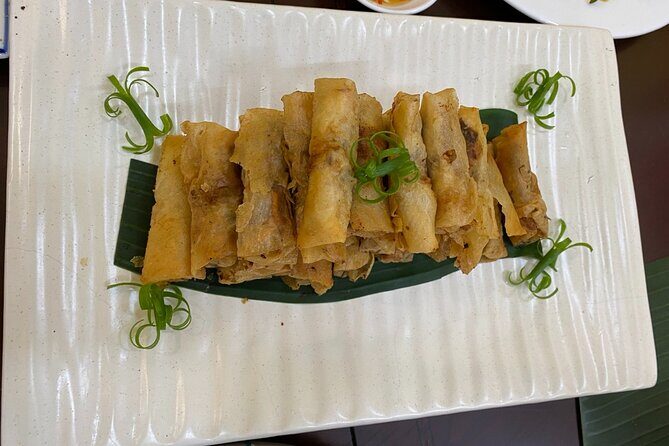
- Local snacks and street-food tastes that connect the cooking to what people actually eat
The big idea: learn Vietnamese food by doing it
This tour is built around a simple truth: in Vietnam, cooking isn’t separate from life outside the kitchen. You start with ingredients—how to choose them, what to notice, and how freshness shows up in flavor. Then you head into the countryside to see working gardens, not just photo spots.
When you return to the kitchen, the lesson shifts from recognition to technique. You’re not just watching someone else cook. You learn how to put together authentic Vietnamese flavors using the items you picked, which makes the whole thing feel personal and useful—not like a one-time show.
You can also read our reviews of more tours and experiences in Hoi An


From pickup to the market with Chef Phi
Most days, you’ll be picked up free from your hotel, resort, or village in Hoi An. You’ll also get a mobile ticket, and the tour runs about 4 hours total, which is a nice length if you want something meaningful without surrendering your whole afternoon.
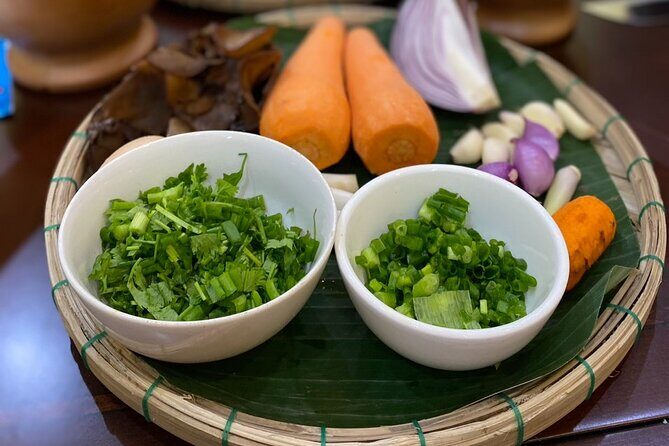
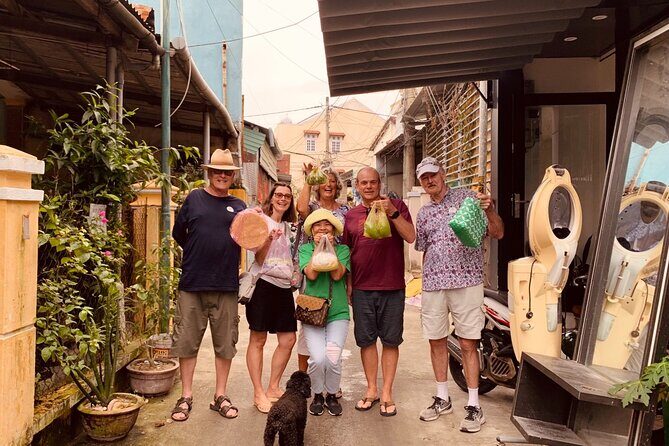
The first phase is all about the market. You’ll walk to it together, and Chef Phi introduces himself and sets the tone right away. Then you’ll learn what makes ingredients fresh—things like how to judge produce at the stall before you ever get near the stove. You can also try local produce right on the street and see how it’s prepared.
This is the part I think you’ll appreciate most if you’ve ever been frustrated by cooking classes that teach recipes but not ingredient thinking. Here, you’re learning a system: how to select, what freshness means, and why that matters for the final dish.
Choosing freshness in Hoi An’s local market
There’s a practical side to market learning that saves time later. When you know what to look for, you stop buying by guesswork.
During your market time, you’ll:
- Get guidance from Chef Phi on picking the freshest items for the menu
- Try produce in the local setting, so you understand what the ingredients taste like before cooking
- Pick ingredients that directly shape the dishes you’ll make later
You’ll also pick up small health-focused ideas about ingredients—what makes them good for you and how they fit into Vietnamese eating. The tour doesn’t treat health as lecturing. It frames it as part of cooking culture: people eat these foods for a reason, and freshness is one of them.
Electric car to Tra Que Vegetable Village (and why it matters)
After the market, you hop into an eco-friendly electric car. This is a big deal for comfort. You still get the countryside experience, but you’re not burning your legs on long transfers.
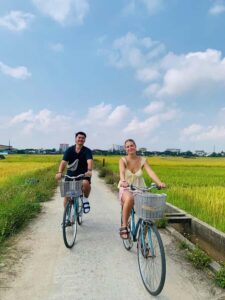
Then comes Tra Que Vegetable Village, a place connected to everyday farming life. Instead of a staged exhibit, you’ll visit farmers working in their own gardens. You’ll see green bean shoots growing and get a feel for how vegetable farming shapes what’s on local plates.
One neat bonus: a review mentioned passing through rice fields on the way. Even if your exact route varies, the countryside scenery is part of the day’s charm—cooler air, open views, and a break from the tighter rhythm of town.
What to watch for during the farm visit
Don’t treat it like a checklist. Slow down and look at how gardeners handle the plants. You’ll get a clearer sense of why certain vegetables taste the way they do when you cook later. When you’ve seen how the plants grow, your ingredient choices at the market feel more logical—less random, more intentional.



Cooking time: your dishes, your ingredients
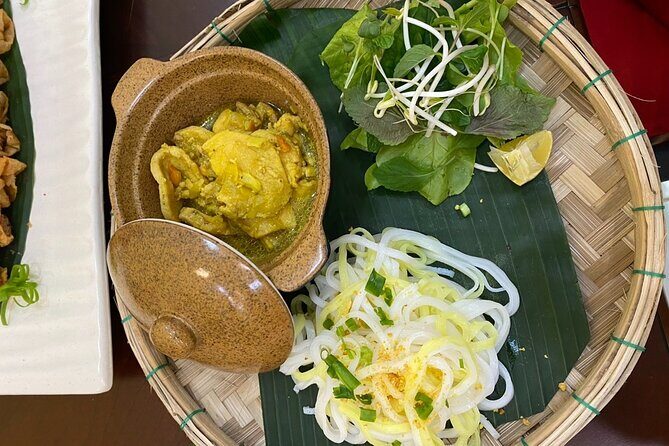
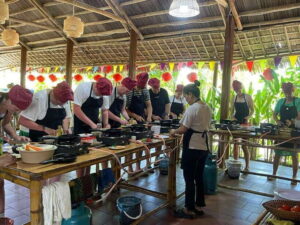
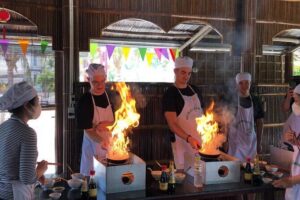
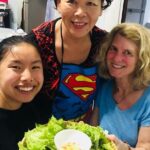
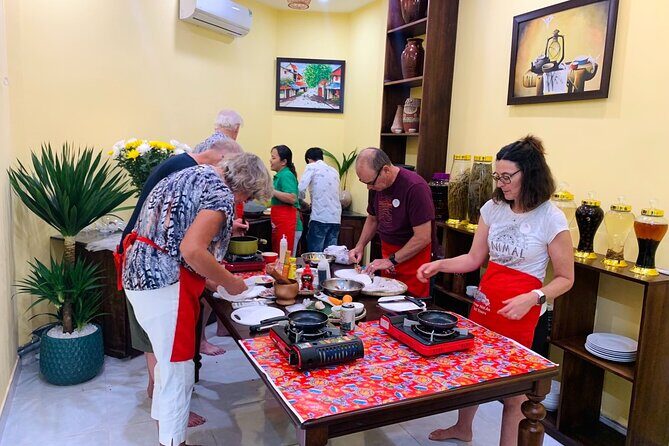
Back at the cooking setup, the focus becomes making. You’ll learn how to cook Vietnamese dishes using authentic local ingredients selected by you earlier in the day.
That earlier market shopping matters here. When you cook with ingredients you already handled and chose, it changes your attention. You notice texture and aroma more. You understand why the chef pushed you toward certain picks. And when you taste your final dishes, you’re tasting your decisions, not just someone else’s.
This is the hands-on part that tends to create the strongest memories. Cooking classes can be hit-or-miss when you only stir something for a few minutes. This one is designed so you actively cook and then eat what you made, connecting the farming-to-market-to-kitchen thread.
Street food tastes that connect the dots
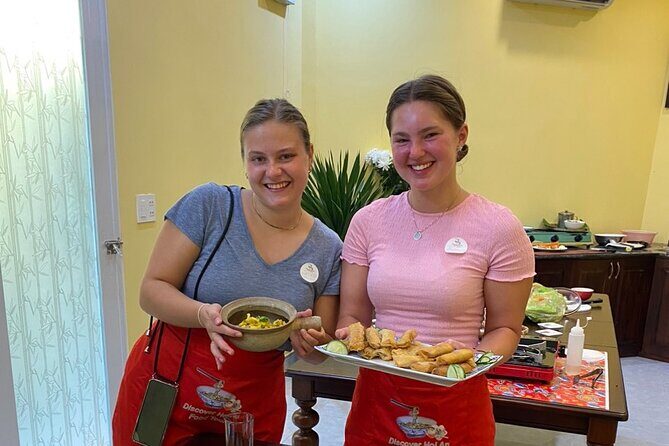
Along the way, you’ll savor a variety of local street food delicacies. It’s not just a sample tray for the sake of variety. The goal is to show you what Vietnamese flavors look like outside the cooking station.
You’ll also encounter street-style produce experiences earlier—tasting items as you walk around and seeing how they’re made. That helps you understand the difference between ingredients alone and ingredients in real dishes.
And because you’re learning while eating, you’re less likely to leave with a head full of names and no understanding. You’ll remember how things tasted, then connect that to ingredients you picked and techniques you used.
What’s included (and what that means for value)
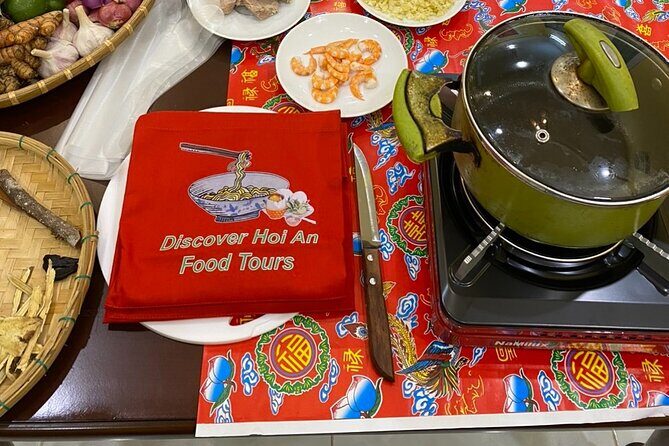
For $37 per person, this tour stacks up well because it bundles several things people often pay for separately: pickup and drop-off, market time with a chef, transport to the countryside, the cooking class, and food and drinks.
Included items:
- Free pickup and drop-off from your hotel/resort/village
- Market tour with the chef
- Vietnamese cooking class
- Cold water plus 1 beer and 1 soft drink
- Electric-car transportation
That drink portion might not sound huge, but it helps the overall rhythm. After a market walk and farm visit, you’ll be ready to relax and focus on cooking without needing to find a bar or café.
The price also makes sense for a private-feeling experience. It’s listed as a private tour/activity, meaning only your group participates, not a mix of random strangers.
A quick value check
If you’ve done food tours before, you know how often “food” becomes mostly tasting with little teaching. Here, you get both: ingredient learning at the market and a real cooking role in the kitchen. For a single half-day, that’s strong value.
Who this tour suits best (and who should think twice)
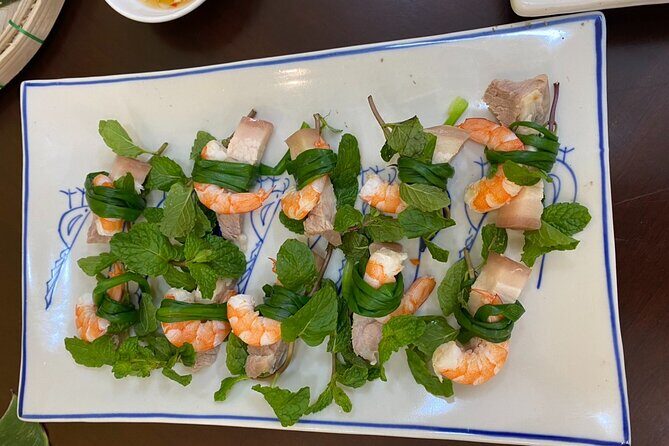
This tour is ideal if you:
- Want a hands-on food experience, not just a tasting walk
- Like understanding ingredients—freshness, selection, and how they affect flavor
- Enjoy countryside stops and don’t mind a bit of walking
- Want an efficient way to see Hoi An’s food culture and farming life in one go
It might be less satisfying if you:
- Prefer purely indoor activities or hate heat and outdoor walking
- Want a long, slow meal experience. This is about learning and cooking, not dragging dinner into the night
- Expect a detailed, textbook-style cooking workshop. The emphasis here is practical, local, and taste-driven.
Practical tips to make your 4 hours easier
A few small choices can make the day feel smoother:
- Wear comfortable shoes. You’ll walk to the market and move around during the village visit.
- Bring a light layer. You’re outdoors, then indoors for cooking, and temperature swings can be real.
- Expect a short but full schedule. The day is paced by sections—market, village visit, then cooking—so keep your phone charged for photos if you care about them.
- If you drink alcohol, the included beer is there—just pace yourself so you can cook comfortably afterward.
Weather and timing: plan like a local
The tour requires good weather. If it gets canceled due to poor weather, you’ll be offered a different date or a full refund.
That’s worth taking seriously, because the countryside and village portion is the heart of the experience. If you’re visiting during a rainy stretch, consider building in flexibility to keep this day from being your only option.
Should you book this cooking class and eating tour?
If you want to understand Vietnamese cooking beyond recipes, I’d book it. The best part is the flow: you pick ingredients, you see how farming connects to food, and then you cook and eat what you selected. That structure turns a class into a skill, and it helps you leave with memories you can actually re-create.
Book it especially if Chef Phi’s approach sounds like your style—real instruction, market learning, and a full taste-focused day. Skip it only if you strongly prefer no walking or you can’t be flexible with weather.
If your goal is to spend a half-day eating well, learning ingredients, and getting a real feel for Hoi An’s countryside food culture, this one is a solid yes.
FAQ
How long is the cooking class and eating tour in Hoi An?
It runs about 4 hours.
Is hotel pickup and drop-off included?
Yes. Pickup and drop-off are included from your hotel, resort, or village in Hoi An.
Is transportation provided to Tra Que Vegetable Village?
Yes. The tour includes eco-friendly electric car transportation to the vegetable village.
What’s included in the price besides the cooking class?
The package includes a market tour, the cooking class, cold water, 1 beer, 1 soft drink, and electric car transportation.
Is this tour private?
Yes. It’s a private tour/activity, and only your group participates.
What happens if the weather is bad?
The experience requires good weather. If it’s canceled due to poor weather, you’ll be offered a different date or a full refund.