REVIEW · HOI AN
From Hoi An/ Da Nang: Hoi An City Tour & Release Lanterns
Book on GetYourGuide →Operated by Travel & Explore In Vietnam · Bookable on GetYourGuide
Hoi An at night has a very specific magic. I love the lantern-lit streets and the way you get close to old-town architecture without it feeling like a museum run. One thing to consider: this tour is structured around sightseeing and walking, so you’ll want comfortable shoes.
Plan for a tight flow of stops, from the market side of town to the river, with a finish that lands you back at your hotel. If you hate crowds or you’re hoping for lots of free time to wander alone, you might find the schedule a bit firm.
In This Review
- Key Things That Make This Tour Worth Your Time
- Why Hoi An After Dark Feels Different Than Daytime
- Price and What You Really Get for $32
- Late Afternoon Start: Hoi An Market Before It Gets Too Dark
- Phuc Kien Chinese Assembly Hall: Dragons, Rooflines, and Sacred Detail
- Ancient Houses: Phung Hung or Tan Ky (What Wealth Looked Like)
- Folk Culture Museum and the Traditional Arts Stage
- Japanese Bridge: More Than a Pretty Walkway
- Handicraft Shops and the Lantern-Lit Streets You’ll Actually Walk Through
- The Boat Ride and Flower Lantern Release: The Moment Most People Remember
- Timing, Walking, and How to Prepare Without Stress
- Where Pickup and Drop-Off Fit Into Your Day
- Who This Tour Is Best For (And Who Should Think Twice)
- Should You Book Hoi An City Tour & Release Lanterns?
- FAQ
- FAQ
- How long is the Hoi An City Tour & Release Lanterns?
- How much does the tour cost?
- Where is pickup and drop-off included?
- Is there an English-speaking tour guide?
- Are other languages available?
- Does the tour include the boat ride and lantern?
- Will I visit Phuc Kien Chinese Assembly Hall?
- Which ancient houses does the tour visit?
- Does the itinerary include the Japanese Bridge?
- What’s included in the price and what isn’t?
Key Things That Make This Tour Worth Your Time
- Lantern release from a boat: you’re not just watching lanterns from shore; you’re part of the moment
- Ancient houses with preserved merchant-era charm: Phung Hung Ancient House or Tan Ky Ancient House gets the spotlight
- Phuc Kien Chinese Assembly Hall: ornate gates, dragon statues, and elaborate roofs
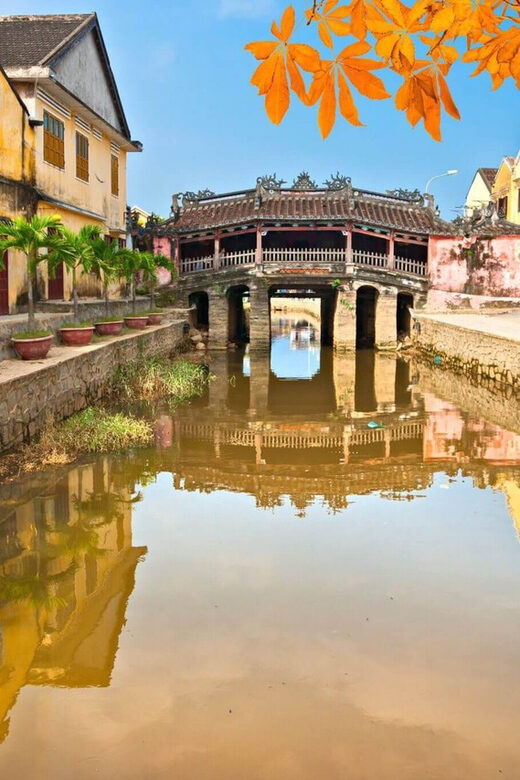
- Japanese Bridge context: built over 400 years ago to link Japanese and Chinese communities
- Old Hoi An streets plus garment and handicraft shopping stops: practical and fun if you like to browse
Why Hoi An After Dark Feels Different Than Daytime
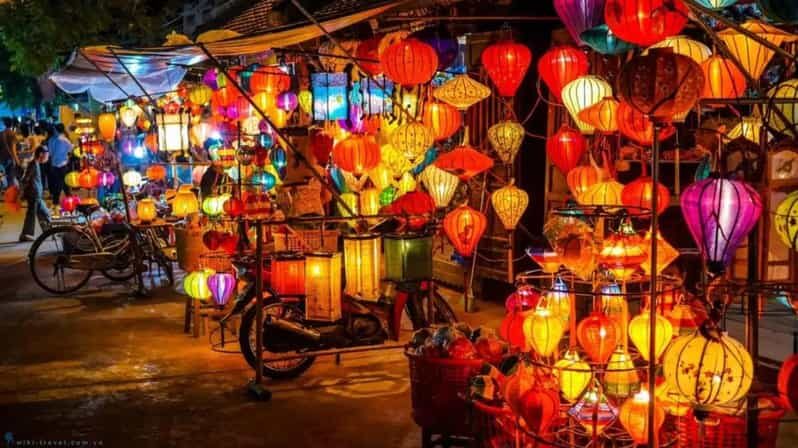
Hoi An is pretty at any hour, but night shifts the whole mood. The old buildings don’t just look older; they look warmer, because lanterns turn stone, wood, and carved detail into something softer and more human. This tour leans hard into that effect, moving you through key sights at the right time window so the lighting matters.
You’ll also notice something else. Daytime Hoi An feels busy and commercial. Nighttime Hoi An still has shops, but the lanterns make it feel more like a story you can walk through. If you like atmosphere, this is the easy win.
You can also read our reviews of more city tours in Hoi An



Price and What You Really Get for $32

At $32 per person for about 4 hours, this tour’s value comes from what’s included: an English-speaking tour guide, pickup/drop-off within Hoi An, and the big-ticket activity—a boat ride with a flower lantern. Add mineral water and you can see why it prices in the “doable for most budgets” range.
Where you should pay attention is what’s not included. Tips for the guide and driver are optional, and there can be a surcharge for holiday dates in Vietnam. If you’re starting from Da Nang, pickup and drop-off are available but come with an extra charge.
Bottom line: if you want the night walk plus the lantern moment without arranging it all yourself, this price is a fair shortcut.
Late Afternoon Start: Hoi An Market Before It Gets Too Dark
Most lantern-focused tours start later, but this one begins around 2:30 pm. That matters because you get a real sense of everyday Hoi An before the lights take over.
First stop is the Hoi An Market, which is exactly what you’d expect from a working market: colors, sounds, and that mix of smells that only happens when people are buying and selling for real—not just for tourists. You can browse and shop for all kinds of items, and the tour includes time that’s specifically geared toward clothing shopping.
A practical tip: if you want made-to-measure tailoring, this is the part of the day you’re most likely to benefit from the most. Even if you aren’t ordering anything, browsing suit and coat options gives you a sense of how strongly Hoi An’s garment scene is woven into daily life here.
Phuc Kien Chinese Assembly Hall: Dragons, Rooflines, and Sacred Detail
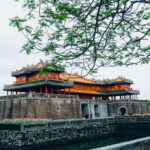
After the market, you’ll visit Phuc Kien Chinese Assembly Hall, a place known for its decorative entrance and heavy symbolism. The hall is described with luxurious gates, dragon statues, and elaborate roofs—so it’s not just a quick photo stop.
What I like about this stop is the contrast. Markets are loud and practical. Assembly halls are designed for ceremony and status. You can see how wealthy merchant communities used architecture to reflect beliefs and power.
If you enjoy cultural design, don’t rush this part. Look at the structure and carvings rather than only taking shots of the main gate. Even from the tour route, you’ll be able to pick out details that explain why this kind of building lasted through generations.
Ancient Houses: Phung Hung or Tan Ky (What Wealth Looked Like)
Then you’ll head to an ancient house experience—either Phung Hung Ancient House or Tan Ky Ancient House—both described as well-preserved and surviving around 200 years of weather and war.
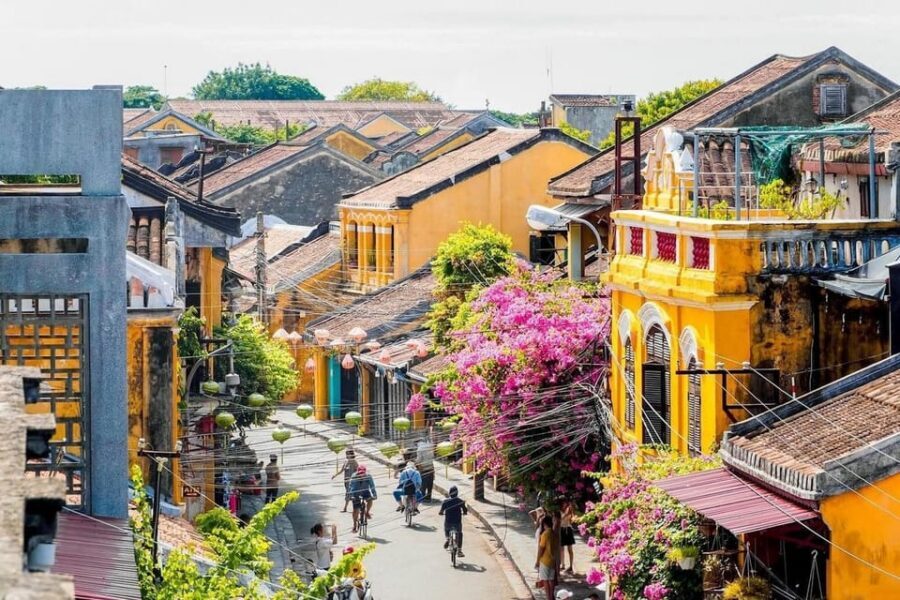
This is one of those stops where the architecture does the storytelling for you. These houses weren’t built for show in a modern sense; they were homes for wealthy merchants who dealt with buyers from around the world. That’s the key idea to remember: you’re not just looking at old wood and tile. You’re seeing physical proof of Hoi An’s historic trade network.
If you like heritage sites, this is a strong point in the tour because it connects the dots between commerce, community, and the built environment. A quick look becomes much more meaningful once you know these families were making connections beyond Vietnam.






Folk Culture Museum and the Traditional Arts Stage
Next comes the Hoi An Folk Culture Museum, described as displaying artifacts of ancient daily life in a 150-year-old Chinese merchant house. You’re basically stepping into a period setting rather than just reading labels.
This stop is a good mid-tour reset. The market can spike your senses, and the assembly hall and ancient houses are visually intense. The museum gives you slower, more reflective context: how people lived, worked, and organized daily routines in earlier times.
The tour also includes mention of art performances at the Hoi An Traditional Arts Performing House. Even if the performance is brief, it adds something important—culture as something lived, not only something preserved in buildings.
Japanese Bridge: More Than a Pretty Walkway
You’ll stop at the Japanese Bridge, a structure spanning a small waterway and built more than 400 years ago. The big historical note is what the bridge was for: it connected the Japanese community with Chinese living on the other side of the coast.
That’s a detail you’ll feel right away when you look at the bridge as a connector rather than just an attraction. It also helps you understand why Hoi An’s story isn’t single-threaded. This town grew from overlapping communities and trade relationships—Japanese and Chinese links are part of that mix.
If carvings and painted symbolism are your thing, spend a bit of time here. The tour route specifically points out symbolism and cultural significance inside the bridge, so it’s worth slowing down for a few minutes instead of treating it like a quick stop.
Handicraft Shops and the Lantern-Lit Streets You’ll Actually Walk Through
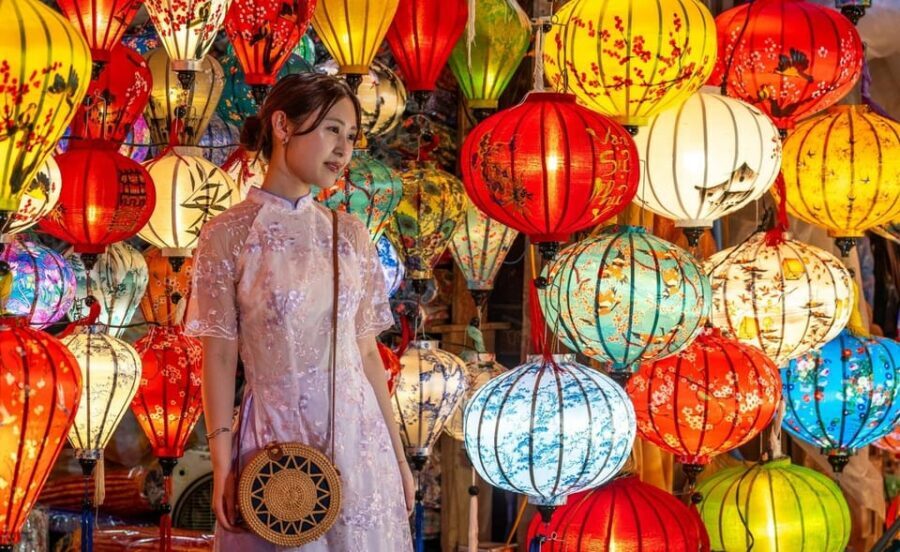
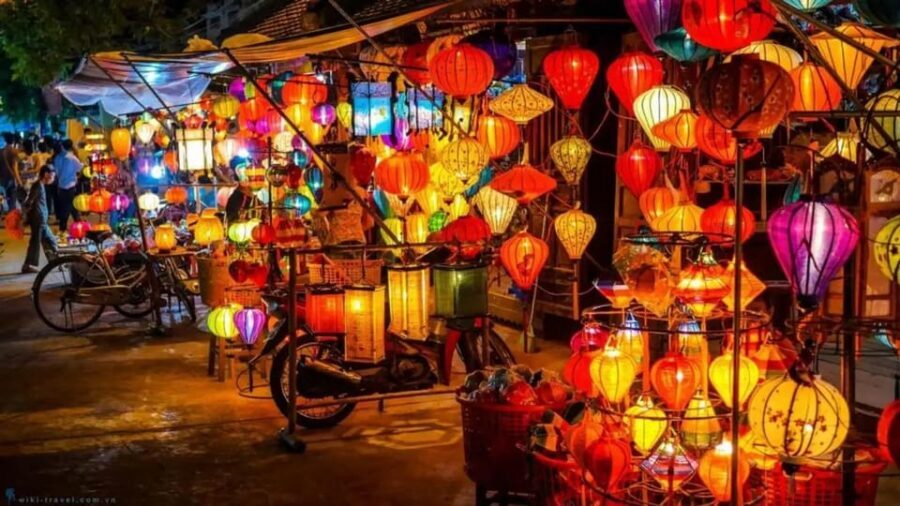
After the cultural anchors, the tour shifts into browsing mode with famous handicraft shops and art galleries. Then you’ll enjoy the romantic street time—small lanes with rustic houses and romantic, poetic lights.
This section is where the tour matches the promise of Hoi An’s nighttime vibe. You’re not stuck on one monument. You’re walking through the atmospheric streets that make the whole town feel like it’s been softened for an evening show.
You’ll also see how the tour balances culture and commerce. It mentions famous garment shops as part of the shopping angle, and the market earlier supports that same theme. If you enjoy browsing quality clothing and craft items, you’ll likely have a good time here.
If you’re shopping-light, you can treat this as your slow wandering portion. You’ll still get the lantern atmosphere, just without committing to purchases.
The Boat Ride and Flower Lantern Release: The Moment Most People Remember
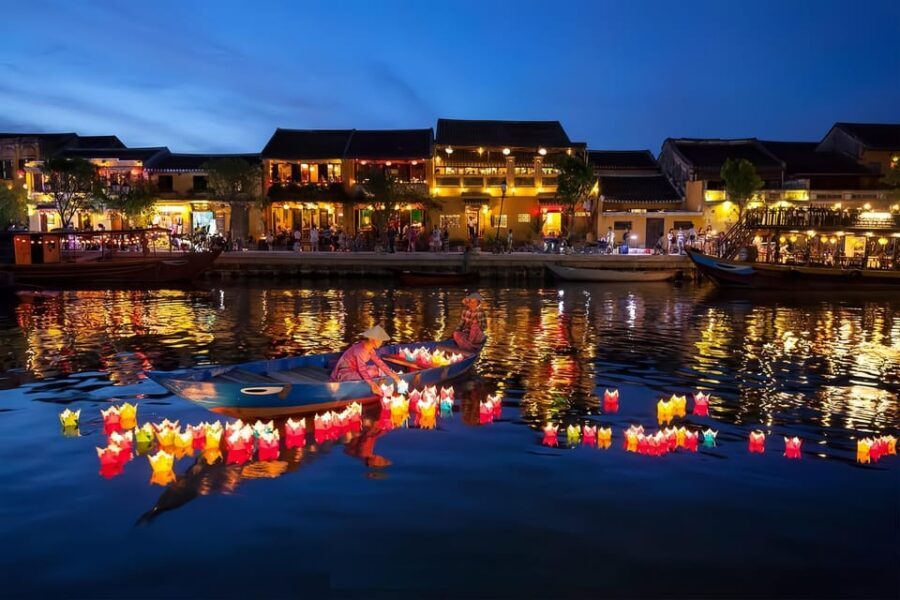
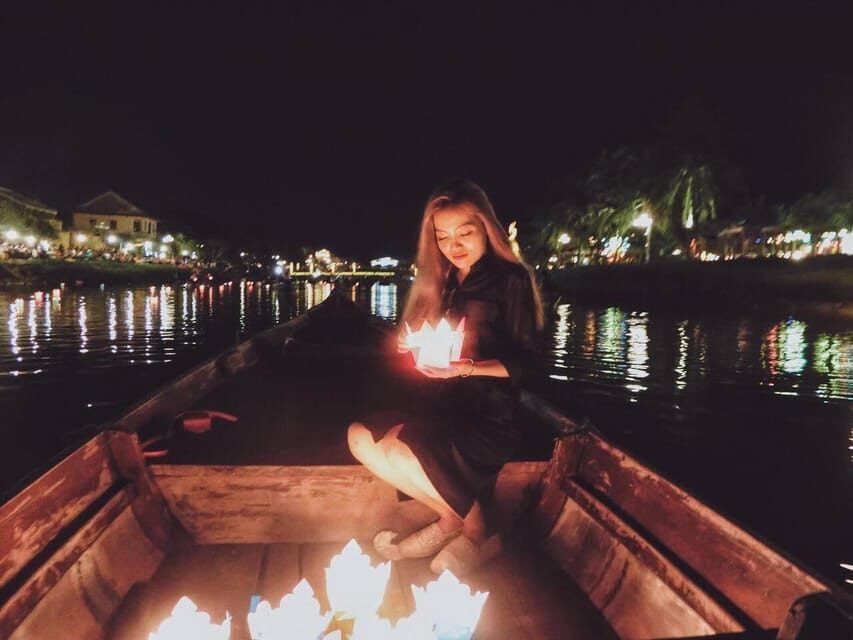
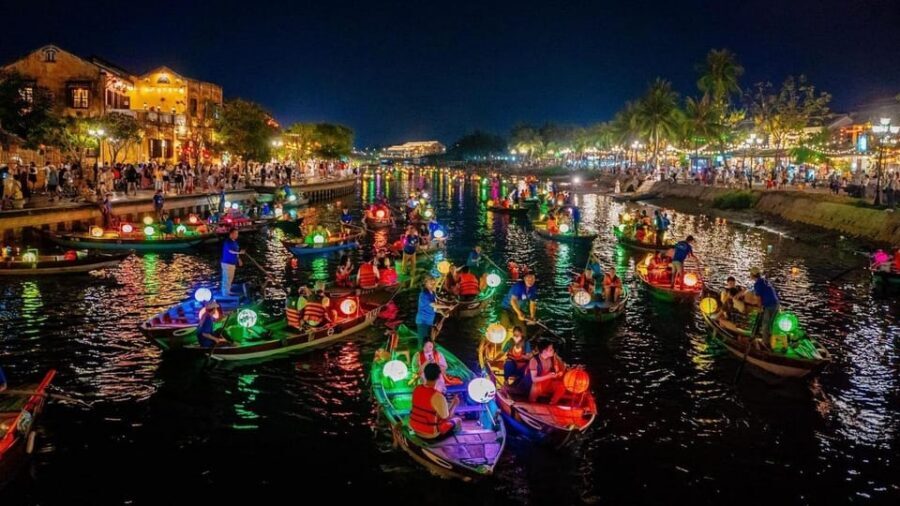
Now to the part everyone talks about: the boat ride on the river and the lantern release. You’ll sit on the boat, receive your lantern, and release it while watching the glowing flower-like shapes float past the houses and romantic streets.
This is the emotional center of the tour. It works because it turns you from observer into participant. Instead of looking at lanterns, you’re sending one forward—so it feels like a personal wish rather than a photo opportunity.
What’s also nice is that the river route gives you a different view of the old town. You see buildings and lanterns in layers, with water reflecting light. It’s the kind of scene that changes every few seconds as the boat moves, so the “still image” feeling doesn’t dominate.
Practical note: the tour description frames it as a wish for good luck for you and your family. Even if you’re not super sentimental, there’s something grounding about doing a simple ritual with the whole group.
Timing, Walking, and How to Prepare Without Stress
The tour runs about 4 hours, but it’s scheduled in a late afternoon window and typically ends around 6:30 pm, with your guide taking you back to your hotel. Exact starting times can vary, so check availability when you book.
To make the most of it:
- Wear comfortable shoes since you’ll be moving through market areas, assembly hall grounds, ancient house sites, streets, and then the river segment
- Bring a light layer if you tend to feel cool at night, since the lantern stroll shifts into evening
- If you’re shopping for clothing, keep expectations practical. Browsing is built into the route, but try not to plan a heavy decision if you only have a short window at each shop area
Also, because the tour is designed for groups (though private group available), expect a guided rhythm. You’re not meant to roam freely for hours, which is fine if you like structure. It’s less ideal if you want to set your own pace.
Where Pickup and Drop-Off Fit Into Your Day
Pickup and drop-off are included in Hoi An. If you’re staying in Da Nang, pickup/drop-off is available but has a surcharge. This matters because it changes the value equation: the base price assumes you can join easily from within Hoi An.
The tour ends by taking you back to your hotel around 18:30, which is a big comfort factor. After an evening on foot and on the water, you don’t want the hassle of finding transport through busy streets.
Who This Tour Is Best For (And Who Should Think Twice)
This experience is a strong fit if you want:
- A guided way to see Hoi An’s key cultural sites at night
- The lantern boat experience without organizing it yourself
- A mix of heritage stops and time to browse handicrafts and garment shops
It may not be ideal if:
- You want lots of unplanned free time. The tour is built around specific stops and a set flow.
- You’re trying to see only one thing. This tour is a collection: market, assembly hall, ancient houses, museum, Japanese Bridge, shops, and then the river.
If you love atmosphere and you like history but don’t want a full-day schedule, it’s a good sweet spot.
Should You Book Hoi An City Tour & Release Lanterns?
I’d book it if you’re going to Hoi An for a short trip and you want the night experience that people come for: lantern-lit streets plus a real river release. The included boat ride and lantern are the main reason this tour feels practical. You get the emotional highlight and the cultural context in the same evening, without needing to stitch together multiple vendors.
Skip it only if you’re very independent and you dislike structured itineraries. If that’s you, you might prefer to plan your own walking route and lantern moment on your own terms.
FAQ
FAQ
How long is the Hoi An City Tour & Release Lanterns?
The duration is listed as 4 hours. Starting times vary, so you’ll want to check availability for the time that fits your day.
How much does the tour cost?
The price is $32 per person.
Where is pickup and drop-off included?
Pickup and drop-off are included in Hoi An. If you need pickup/drop-off from Da Nang, there is a surcharge.
Is there an English-speaking tour guide?
Yes. An English-speaking tour guide is included.
Are other languages available?
Yes. Other languages are listed (Chinese, Japanese, French, Italian, Spanish, Korean, Russian, German), but there is a surcharge for languages other than English.
Does the tour include the boat ride and lantern?
Yes. The tour includes a boat ride and a flower lantern.
Will I visit Phuc Kien Chinese Assembly Hall?
Yes. Phuc Kien Chinese Assembly Hall is part of the tour.
Which ancient houses does the tour visit?
You’ll visit either Phung Hung Ancient House or Tan Ky Ancient House.
Does the itinerary include the Japanese Bridge?
Yes. The tour includes a stop at the Japanese Bridge.
What’s included in the price and what isn’t?
Included: pickup/drop-off in Hoi An, English-speaking guide, boat ride and flower lantern, and mineral water. Not included: tips for the guide/driver (optional) and any holiday surcharge in Vietnam.