REVIEW · HOI AN
Hoi An Bicycle And Cooking Class Tour
Book on Viator →Operated by Tin Basket Boat Tour · Bookable on Viator
Big morning, hands-on farming, and food you’ll remember. This small-group tour pairs countryside cycling with a practical Hoi An cooking class, plus a coconut-forest basket boat ride that feels genuinely local. I especially liked how you’re not just watching—you’re working through market choices, basic farm tasks, and the steps of making traditional dishes.
One thing to consider: it can get bloody hot while you’re on the bicycle, and you’ll want to plan for sun and sweat so you can still enjoy the rest of the day.
In This Review
- Smooth, Small-Group Timing for a 4-Hour Escape
- Key Highlights You’ll Feel on the Day
- A Half-Day of Bike Country Life and Kitchen Lessons Near Hoi An
- Hotel Pickup at 8:30am and a 10-Person Max That Actually Helps
- Stop 1: Hoi An Market—Where Ingredients Become the Lesson
- Biking to Tra Que Vegetable Village—Sweat Through Fields, Learn Through Work
- What the Tra Que Lesson Actually Teaches
- A Practical Note: Heat Matters on the Bike
- Basket Boat in Cam Thanh (Bay Mau Coconut Forest)—Row Through a Local Water World
- Harvesting Water Coconut Fruit and Getting a Souvenir
- From Coconut Harvest to Hoi An Cooking—Hands-On Steps, Not a Scripted Show
- You Cook as the Class Goes
- A tip that saves you from discomfort
- Included Extras That Add Value (and Reduce Decision Fatigue)
- What’s not included
- Price and Value: Why This Costs About What You’d Expect for a Real Program
- Practical Tips: Heat Gear, Clothing, and Getting the Most From Each Stop
- Who This Tour Suits Best (and Who Might Pass)
- Should You Book This Hoi An Bicycle And Cooking Class Tour?
- FAQ
- What time does the tour start?
- How long is the experience?
- What group size should I expect?
- Do I get hotel pickup and return?
- What activities are included besides the cooking class?
- Is lunch included?
- Is there an English-speaking guide?
- What should I bring or wear?
- What if the weather is bad?
Smooth, Small-Group Timing for a 4-Hour Escape
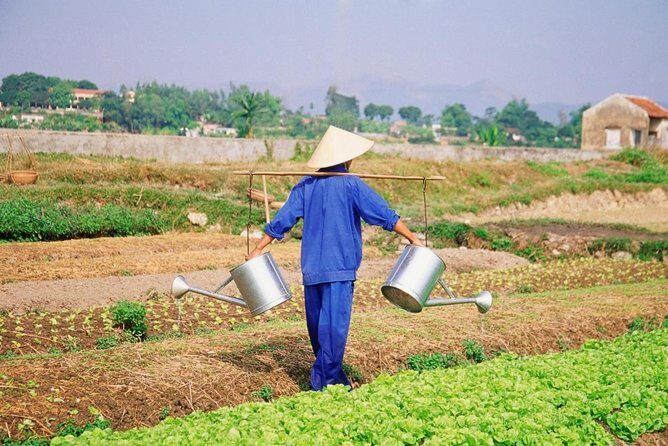
You’ll start with hotel pickup around 8:30am and ride out with a guide in a group capped at 10. That small size matters here: the stops don’t feel rushed, and you get enough attention to understand what you’re seeing—whether it’s vegetable farming at Tra Que or life along the water coconut palms in Cam Thanh.
Key Highlights You’ll Feel on the Day
- Tra Que vegetable village farming lessons you can actually explain to friends later
- Basket boat rowing in Cam Thanh (water coconut forest) with local boatmen
- Market time with an English-speaking guide, covering the ingredients behind Hoi An cooking
- Hands-on cooking with a village chef, not just watching and tasting
- Coconut harvest + coconut leaf souvenir, a fun, memorable take-home
You can also read our reviews of more cooking classes in Hoi An


A Half-Day of Bike Country Life and Kitchen Lessons Near Hoi An
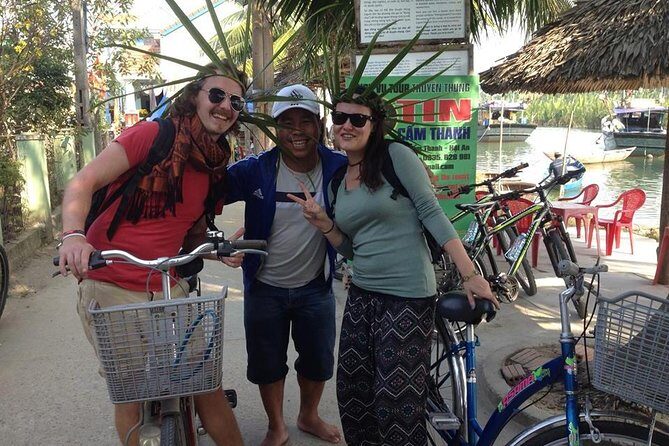
This is the kind of tour that changes your perspective fast. You start with the everyday rhythm outside Hoi An—rice fields, paddies, and working farms—then shift straight into the ingredients and skills that feed locals.
The “four hours” number is accurate, but it doesn’t feel like a quick drive-by. You’re active: you bike, you row, you help with prep, and you finish by eating what you made. If you like experiences where you do the work and not just pose for photos, this tour hits the right notes.
And because it’s small group, you spend less time waiting around. You’re cycling at a friendly pace, then moving on as a unit so the day flows.
Hotel Pickup at 8:30am and a 10-Person Max That Actually Helps
The day starts early enough to feel like a getaway, not a rushed chore. Pickup is at 8:30am from your hotel area, and the tour runs about 4 hours total. If you’re staying in Hoi An, this is one of those packages that keeps friction low: fewer taxis, less logistics, more time outdoors.
The maximum of 10 travelers also matters. On busier tours, you can end up in a line behind people. Here, you’re close enough to the guide and the village hosts to ask questions and follow along when they explain techniques—like how farming is done in Tra Que or what to look for in the coconut palm area.
One more detail I appreciate: you get a mobile ticket, and the tour includes the basics you need for the day, like a conical hat and bottled drinks. That’s not glamorous, but it’s smart.
Stop 1: Hoi An Market—Where Ingredients Become the Lesson
Before you ever touch a bike, you get a taste of how Hoi An cooking starts: with the market. The market stop is more than a quick look around. With your English-speaking guide, you learn what goes into local meals—plants, seafood, and common meats—so the cooking lesson later makes sense.
This part is valuable because it connects the dots. When you know the names and roles of ingredients, the dishes you cook don’t feel random. You start recognizing flavors and textures before you even taste them.
Also, a market stop can be a little chaotic on your own. Having a guide takes the stress out. You’re not trying to translate menus and guess what’s important. Instead, you get a clear walk-through, and you can ask questions as you go.
If you’re the type who likes food travel beyond the final plate, this market time is a big reason to choose this tour.
Biking to Tra Que Vegetable Village—Sweat Through Fields, Learn Through Work
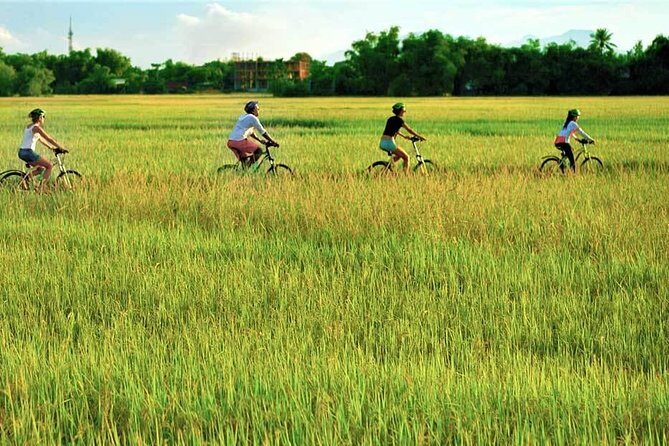
Next you head out on bicycles toward Tra Que vegetable village, which is known for herbs used every day in Hoi An meals. On the ride, you pass what makes the area special: paddy fields, water buffalo, and farmers working in the fields.
The point isn’t the scenery alone (though it’s there). It’s that you’re moving through the same landscapes that produce the food you’ll later cook. When you stop, you’re not a spectator. You’re learning how local farming works in a hands-on way.
You can also read our reviews of more tours and experiences in Hoi An




What the Tra Que Lesson Actually Teaches
You’ll learn traditional farming methods from local instruction. Even if you don’t leave knowing every step, you’ll understand the logic behind how vegetables are grown and why certain ingredients are so common in Hoi An-style dishes.
This stop is also a good contrast point. Hoi An gets attention for its old-town vibe, but Tra Que reminds you the city’s food life is powered by the countryside. You see that link with your legs, not just your eyes.
A Practical Note: Heat Matters on the Bike
Your biggest risk here is weather comfort. One of the most honest reactions you can expect from this kind of ride is that it can be very hot. Start hydrated. Use the conical hat. If you bruise easily in the sun, bring sunscreen. You’ll thank yourself after the farm portion when you’re ready to cook without feeling cooked.
Basket Boat in Cam Thanh (Bay Mau Coconut Forest)—Row Through a Local Water World
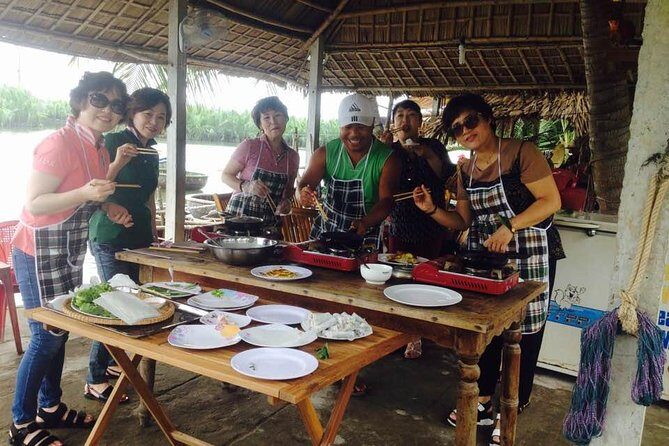
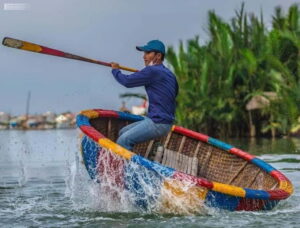
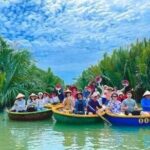
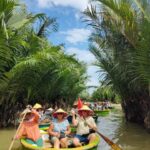
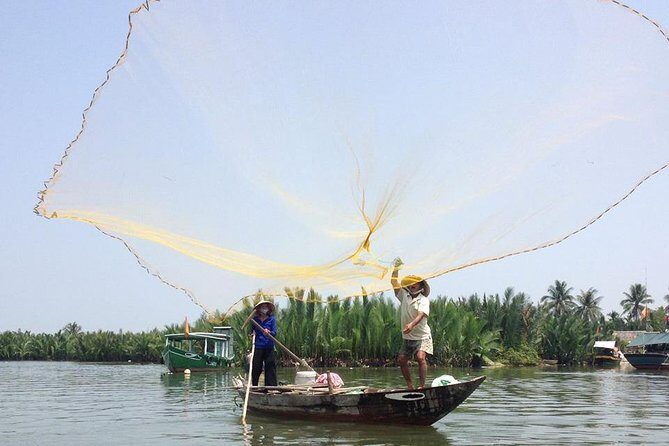
After Tra Que, the tour shifts from land to water. You transfer to the coconut area and go rowing in a basket boat with local people. This is the part that feels both playful and oddly skill-based.
Cam Thanh is known for the water coconut palm forest, and your ride takes you through it in a way that’s hard to replicate if you just book a generic tour. You’re close to the environment, and the boat experience ties the scenery to real fishing and work life.
Harvesting Water Coconut Fruit and Getting a Souvenir
You’ll also harvest some water coconut fruit during the visit. That’s not just “look, photo, done.” It’s a chance to try something with your hands, guided by locals in the coconut forest setting.
And you’ll leave with a small souvenir made from coconut leaves. It’s a light, easy take-home that reminds you this wasn’t a staged attraction.
If you’re a fan of activities that feel interactive—like rowing a boat and doing a mini harvest—this stop is a highlight.
From Coconut Harvest to Hoi An Cooking—Hands-On Steps, Not a Scripted Show
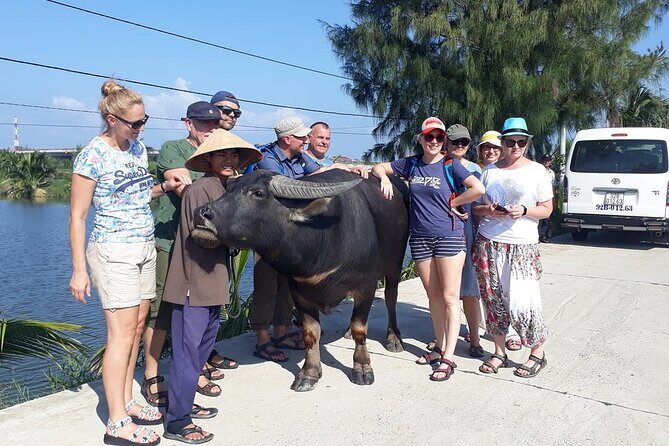
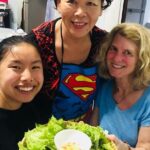
Then comes the part you’ll likely remember most at dinner time: cooking. You assist the chef and learn the traditional way of preparing and cooking Hoi An-style food. You also get to prepare the meal yourself and then enjoy what you cooked.
This is where the earlier stops pay off. The market ingredients you saw earlier, the farming methods you learned in Tra Que, and the coconut setting from Cam Thanh all connect to what you’re making. Instead of feeling like three separate “activities,” it feels like one story told in stages.
You Cook as the Class Goes
This isn’t a sit-and-watch format. You’re helping with prep and steps so you can understand how the dishes come together. One practical benefit: you’ll walk away with a stronger sense of what to repeat at home, not just what you ate that day.
And the lunch isn’t an afterthought. It’s a proper meal you prepare and then eat, plus there are extra refreshments included such as fruits juice and mineral water, along with sweet cakes and water.
A tip that saves you from discomfort
Plan your timing so you can enjoy the meal. If you come in with a full breakfast, you might feel overstuffed later. A good strategy: keep breakfast light, then let the cooking class be the main food event.
Included Extras That Add Value (and Reduce Decision Fatigue)
At $30.47 per person, the big question isn’t whether you get activities—you do. It’s whether the bundle removes hassle. In this case, it does.
Here’s what’s included:
- Hotel pick-up and return
- Bicycle
- Basket boat
- Fishing with local fisherman
- English-speaking guide
- Lunch
- Fruits juice, mineral water, and cool tissue
- Conical hat
- Cooking lesson
- Souvenir coconut leaves
- Sweet cakes and water
- All fees and taxes and the ticket
That’s a lot packed into one price. You’re not paying separately for transit, boat entry, or guided market time.
What’s not included
Travel insurance isn’t included. If you need it for peace of mind, add it separately.
Price and Value: Why This Costs About What You’d Expect for a Real Program
The cost—$30.47 per person—is low enough that you can justify it even if you’re watching your daily budget. But the better value argument is how many “real” components you get:
- A guided bike ride through working farmland
- A basket boat experience in the coconut palm area
- A market stop with an English-speaking guide
- A hands-on cooking class with lunch included
- Small extras like drinks, cooling tissue, and a hat
When you compare that to paying separately for a market tour, a boat ride, and a cooking class, this bundle usually wins on simplicity. You’re paying for coordination and local access.
Also, the group size cap (up to 10) is part of the value story. More attention, less waiting.
Practical Tips: Heat Gear, Clothing, and Getting the Most From Each Stop
This is an active morning. You’ll bike, row, and spend time outdoors. Here’s what helps most.
1) Protect yourself from the sun.
The tour provides a conical hat, which is useful, but it doesn’t replace sunscreen or water. If you’re prone to sunburn, bring proper protection.
2) Wear breathable clothes and closed-toe shoes.
You’ll be moving between places and doing tasks during the coconut and cooking portions. Comfortable shoes matter.
3) Don’t plan a heavy meal before the class.
Lunch is included, and it’s the meal you help prepare. Come hungry enough to enjoy it, not so hungry that you can’t handle the timing later.
4) Bring a positive attitude about weather.
The experience requires good weather. If conditions aren’t right, you’ll be offered a different date or a refund. That’s not a dealbreaker, just good to remember.
5) Keep your hands free for the fun parts.
If you want to harvest coconuts or handle items during the visit, use a crossbody bag or small pack you don’t constantly juggle.
Who This Tour Suits Best (and Who Might Pass)
This works especially well for you if:
- You want a food + nature day, not just a cooking class or just a sightseeing bike ride
- You like small groups with an English-speaking guide
- You enjoy hands-on activities like rowing a boat and helping with cooking
- You’re staying in Hoi An and want a half-day plan that’s active but manageable
It might be less ideal if:
- You dislike cycling or you struggle in heat
- You prefer totally relaxing, low-effort tours
- You want a long, in-depth day rather than a fast, structured 4-hour program
For most people who enjoy real-world travel—where you learn something and do something—this is a strong fit.
Should You Book This Hoi An Bicycle And Cooking Class Tour?
I’d book it if you want one morning that connects Hoi An’s food to the land and water that produce it. The combination is the selling point: market context, Tra Que farming lessons, a basket boat ride through coconut forest, and a hands-on Hoi An-style cooking class with lunch included.
If you’re price-sensitive but still want meaningful access, it’s also a smart choice. You’re getting guided activities and major inclusions packed into a single half-day.
Just go in ready for outdoor heat and a bit of physical activity. If that sounds good, you’ll likely walk away with more than photos—you’ll have skills, flavors, and stories that fit Hoi An beyond the old town.
FAQ
What time does the tour start?
The tour starts at 8:30am with hotel pickup.
How long is the experience?
The duration is about 4 hours.
What group size should I expect?
The tour has a maximum of 10 travelers.
Do I get hotel pickup and return?
Yes. Hotel pickup and return are included.
What activities are included besides the cooking class?
You’ll cycle to Tra Que vegetable village, ride in a basket boat in the coconut forest area, and do fishing with local fisherman.
Is lunch included?
Yes. Lunch is included, and you also prepare traditional Hoi An-style food.
Is there an English-speaking guide?
Yes. The tour includes an English speaking tour guide.
What should I bring or wear?
The tour provides a conical hat, but you should still wear comfortable clothes for biking and be prepared for warm weather since the experience requires good weather.
What if the weather is bad?
If it’s canceled due to poor weather, you’ll be offered a different date or a full refund. Free cancellation is available up to 24 hours before the start time.