REVIEW · HOI AN
HOI AN Biking River Islands, Village Crafts PRIVATE TOUR
Book on GetYourGuide →Operated by Local Buddy Tours Vietnam · Bookable on GetYourGuide
Bike, craft, and rice life in Hoi An. This half-day Hoi An biking experience takes you off the main roads to Cam Kim Island and village workshops, with a local guide translating as you meet people doing real day-to-day work. You’ll ride at a relaxed pace, stop often, and get hands-on with crafts that are still part of family life.
I especially love how the tour turns food into a story: you’ll watch rice processing up close and see how rice paper actually starts. The other big win for me is the mix of crafts—straw-mat work in Tra Nhieu and carpentry with wood and seashell details in Kim Bong—so you’re not just sightseeing, you’re learning the how.
One consideration: this isn’t a casual stroll. You should feel comfortable cycling about 17 km / 10 miles with a moderate fitness level, or you may feel it by the end.
In This Review
- Key tour highlights I’d circle first
- Cycling River Islands Instead of Crowded Streets
- Cam Kim Island Village Stops: Fishing Life and Quiet Work
- Rice Processing and Rice Paper: The Craft Behind the Staple
- Rice Wine Making and Coffee: Small Tastings, Big Local Rhythm
- Tra Nhieu Straw Mats and the Whale Worship Temple
- Kim Bong Carpentry Village: Wood and Seashell Craft Details
- Returning to Town by Boat: A Nice Reset
- How Long, How Hard, and What You Should Pack
- Price and Value: What $38 Actually Buys You
- Who This Tour Fits Best (and Who Should Skip It)
- Should You Book the Hoi An Biking River Islands, Village Crafts Tour?
- FAQ
- Where does the tour start?
- Is hotel pickup and drop off included?
- How far do I cycle?
- How long is the tour?
- Are meals included?
- What’s included in the price?
- Do I need to tip?
- What should I bring?
- What is not allowed during the tour?
- What languages are spoken on the tour?
- Is the tour suitable for wheelchair users?
Key tour highlights I’d circle first
- Cam Kim Island crossing with river-and-fishing-village views
- Hands-on rice paper making and traditional rice processing stops
- Rice wine process (and you may get to taste)
- Tra Nhieu straw mats and a stop at a whale worship temple
- Kim Bong carpentry using wood and seashell-style craft details
- Boat ride back to town to break up the day
Cycling River Islands Instead of Crowded Streets
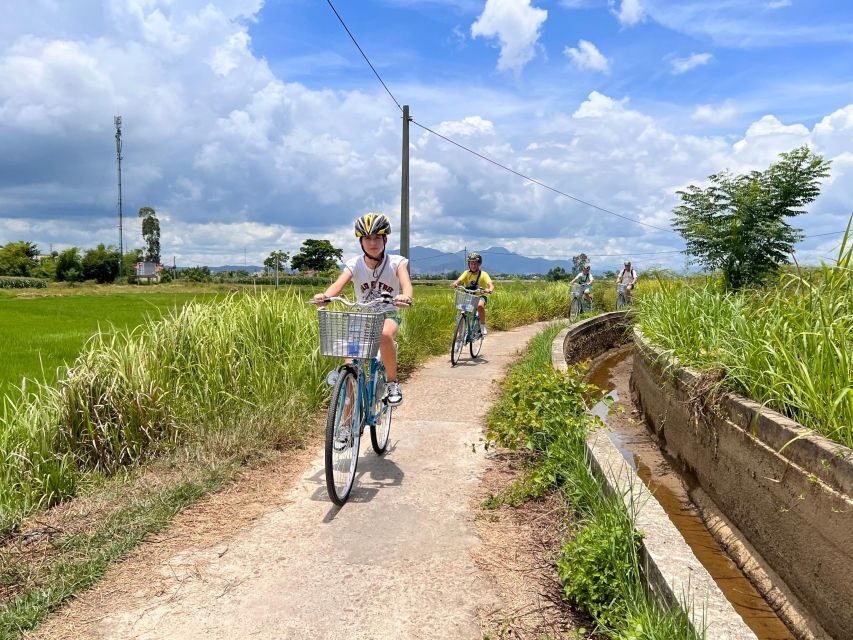
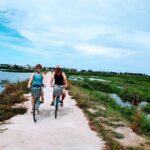
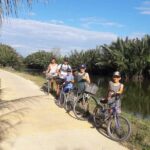
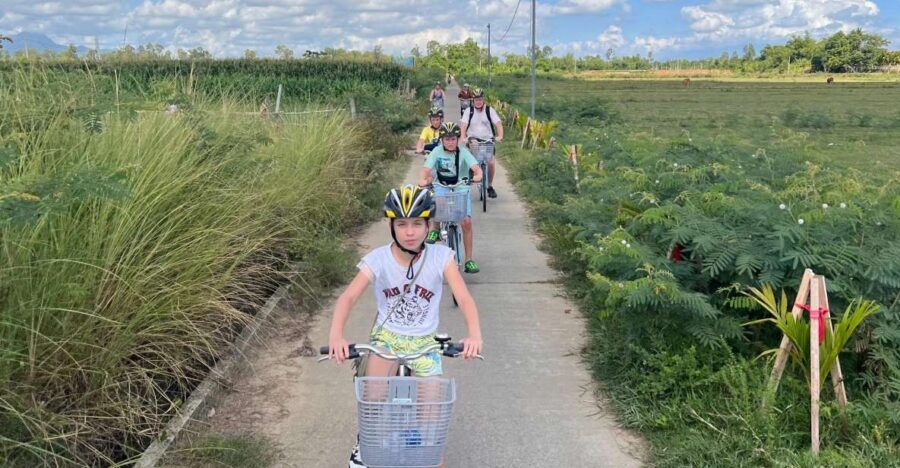
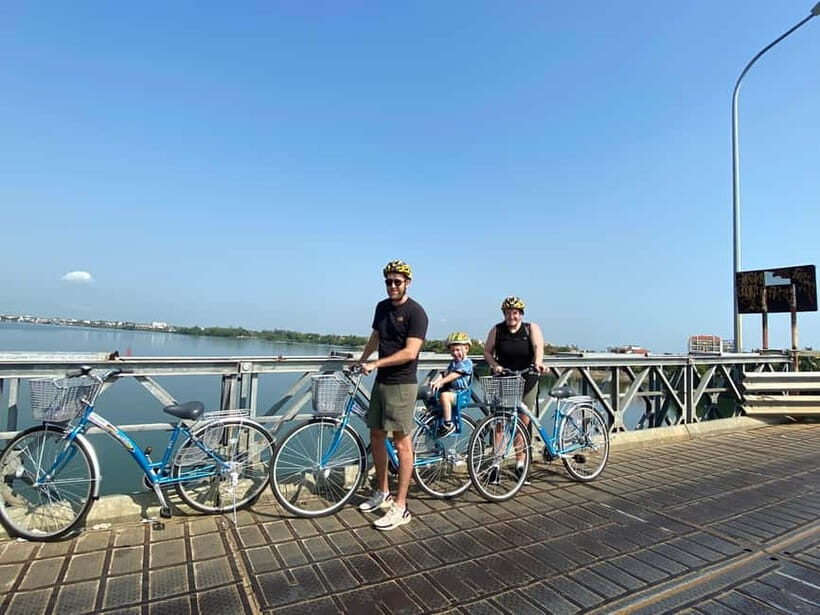
Hoi An is pretty, but it can get busy. This tour works because it sends you into the countryside quickly—starting with the ride across a scenic bridge to Cam Kim Island. Once you’re out there, the rhythm changes. The road feels quieter. You see prawn farms, paddies, and fishing village life in the way locals experience it, not the way a quick bus stop version would show it.
The bike ride itself is the backbone of the day. You’re not doing technical mountain cycling or anything like that, but you do pedal enough to feel like you’ve moved through the region. The guide keeps you oriented—translating, pointing out what you’re seeing, and steering the conversation when you stop at local homes. That makes the whole experience feel smoother and more human, especially if your Vietnamese is limited.
If you like a “slow travel” feel—where you stop, look, ask, and move on—this tour hits that sweet spot.
You can also read our reviews of more cycling tours in Hoi An


Cam Kim Island Village Stops: Fishing Life and Quiet Work
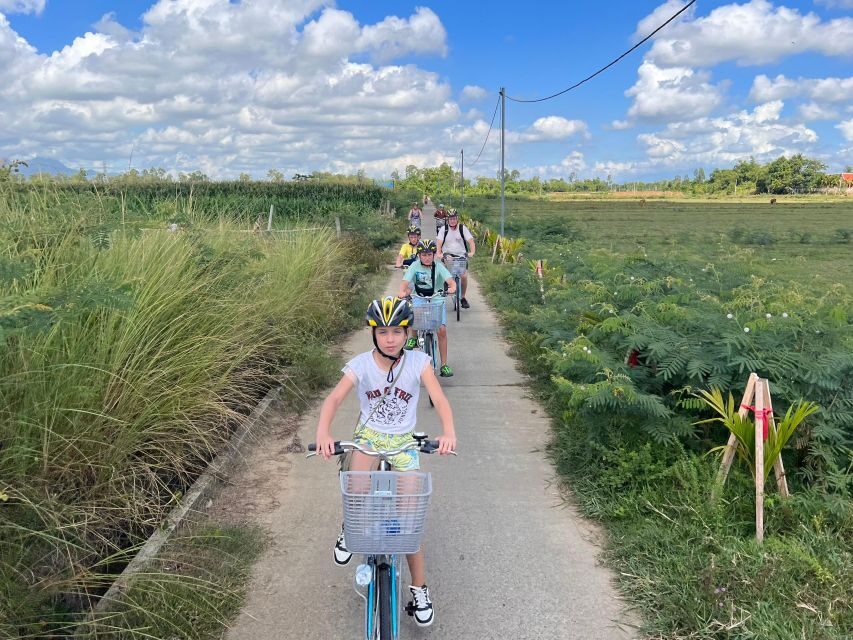
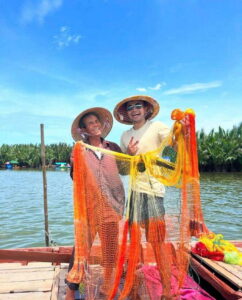
After the bridge, you’re in the river-island zone: fishing villages, rice fields, and prawn farms. These stops matter because they show a mixed economy—water work and farm work happening side by side. It’s easy to see why people here have built routines around the seasons and tides.
You’ll get chances to interact with locals during the different station stops. This is where the English-speaking guide earns their keep. Multiple guides on this tour have helped guests chat by translating at the homes you visit. That small detail changes everything. It turns a “watch them work” moment into a conversation where you can ask what the craft is used for, how long it takes, or what part is hardest.
A practical note: because you’re cycling between working areas and homes, expect real-life surroundings—sometimes dusty paths, sometimes uneven surfaces, sometimes the kind of simple yard setup you wouldn’t notice on a packaged city tour. Comfortable shoes really help here.
Rice Processing and Rice Paper: The Craft Behind the Staple
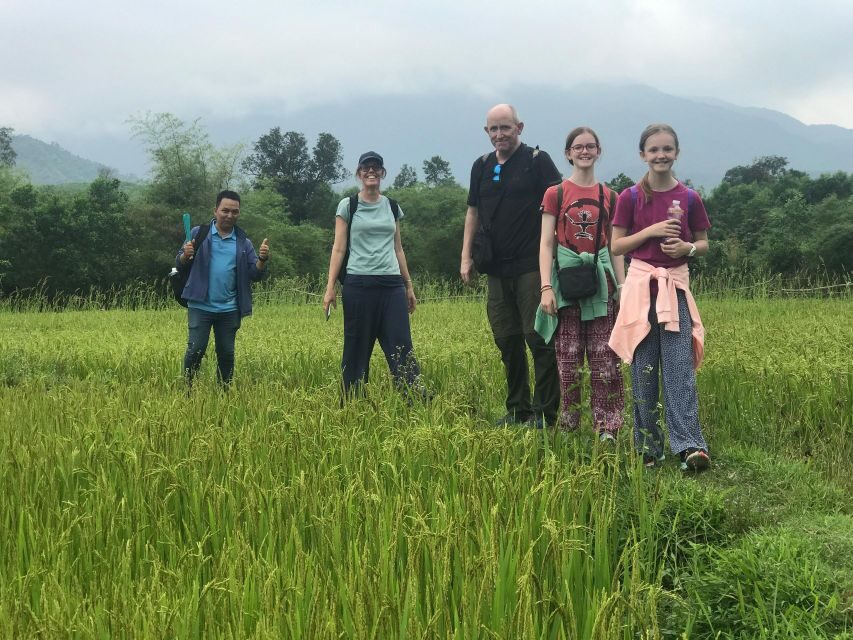
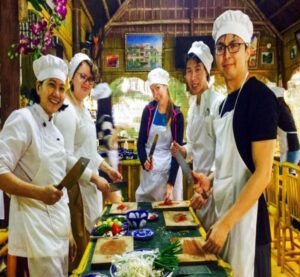
One of the most valuable parts of the day is the stop where you learn traditional rice processing and make rice paper. This is the kind of activity that sounds simple until you see the steps. You’ll grind rice, work through the process used in local kitchens or work areas, and then move toward rice paper production.
What I like about this stop is how it teaches you to connect ingredients with labor. Rice paper isn’t some factory product floating in from nowhere. It’s a chain of decisions and timing—how the rice is prepared, how it’s handled, and how it becomes something you can eat later in the day.
You’ll also get chances to sample local treats tied to the activity. Even if you’re not chasing food “experiences,” this kind of tasting is usually the fastest way to make the craft feel real. It’s one thing to watch. It’s another to taste what the process produces.
Don’t be shy about asking questions. If you’re wondering why a step matters or what’s different between families, this is a great moment to ask—your guide can help you communicate.
Rice Wine Making and Coffee: Small Tastings, Big Local Rhythm
Hoi An has its share of cafés, but this tour brings you into coffee and alcohol culture at the source level. You’ll learn about the process of rice wine making, and you might even get a taste depending on the stop that day. Even if you don’t drink much, it’s still a fascinating window into local production—how something for celebrations and daily life comes from a real set of steps.
Then there’s the coffee break. The tour includes Vietnamese coffee at a pit stop with a view, which is a smart pairing with all the hands-on work you’ve been doing. After rice processing and craft stations, sitting for coffee gives your legs a moment and lets your brain reset. It also gives you time to talk with your guide about what you’ve just learned.
This part of the day works well if you like texture: learning the practical process, then taking a pause to enjoy the results. It also helps you keep energy steady so the cycling doesn’t feel like the only event.
Tra Nhieu Straw Mats and the Whale Worship Temple
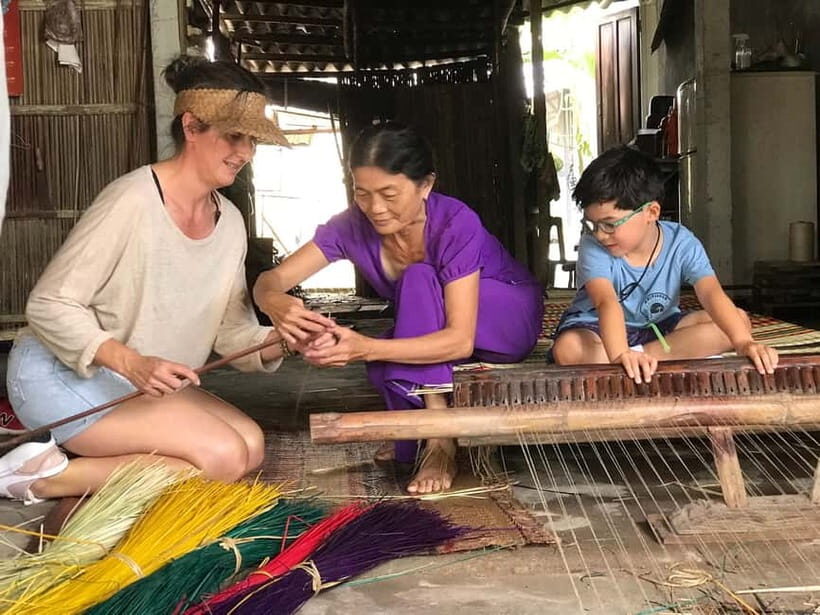
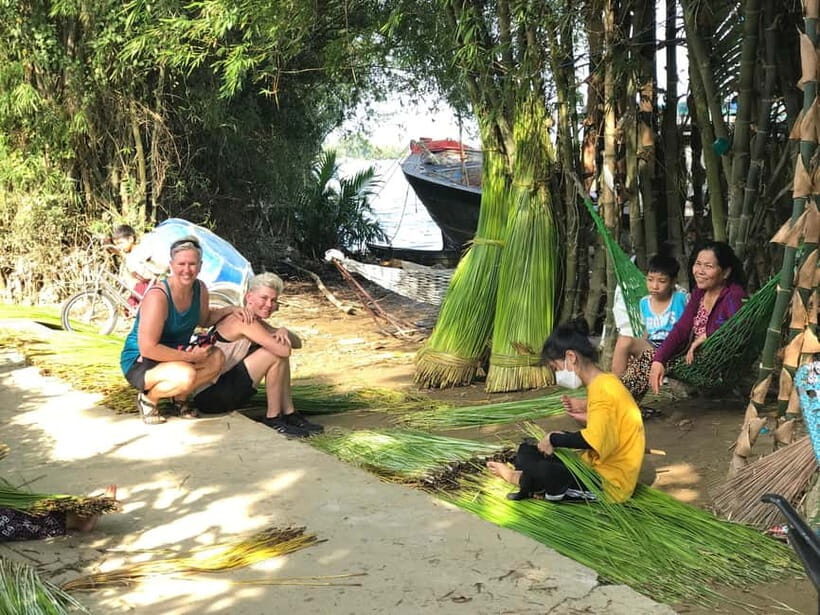
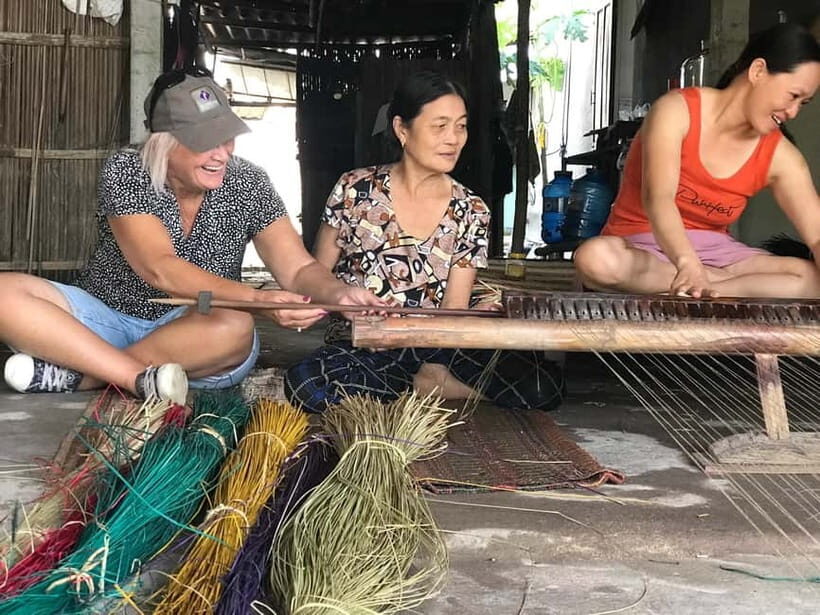
From rice and wine, the tour shifts to a craft that looks simple until you see the skill: weaving straw mats in Tra Nhieu. These mats are part of everyday life here—used for practical purposes—so it’s not just decorative handwork. You’ll watch how the reeds or straw are handled and woven into strong, functional pieces.
This stop tends to be a favorite because it’s visually satisfying. You can usually tell right away whether you’re looking at fast work or skilled work. And because you’re close enough to see the details, you’ll understand the “why” behind careful weaving even without perfect language.
The tour also includes a stop at a whale worship temple. That combo—work craft plus local spiritual tradition—gives you a fuller picture of how people connect daily labor to beliefs and community life. It’s a reminder that cultural sites aren’t separate from the everyday. They’re part of the same landscape of meaning.
If you’re traveling with kids or someone who gets restless, this stretch is also good. It gives visual variety: weaving, crafts, small religious stop, then back to cycling.
You can also read our reviews of more private tours in Hoi An



Kim Bong Carpentry Village: Wood and Seashell Craft Details
Next comes Kim Bong Carpentry Village, where you’ll see master artisans transform wood and create impressive pieces using materials that include seashell-style craft details. This is the other end of the spectrum from reed weaving: more rigid, more tool-driven, and more focused on shaping objects that can last for years.
Why this matters: it shows you the range of what “craft” means in this region. Straw mats are flexible and practical. Carpentry pieces are structured and often designed for display, storage, or sale. Seeing both gives you a better understanding of how different trades connect to markets, local needs, and tourism—without turning it into a sterile showroom.
This stop is also a good place to slow down with your camera. You’ll likely see close-up work that you’d never catch from a distance. Just remember the tour includes cycling and multiple stops, so keep your phone secured and be ready to move.
And yes, the artisans’ skill is the headline here—but the conversations with your guide make the difference between watching and understanding.
Returning to Town by Boat: A Nice Reset
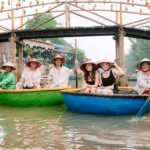
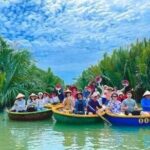
The day doesn’t end with only pedaling. You’ll enjoy a boat ride back to town, which is a smart break after the cycling and craft stops. It also changes the angle on the landscape—rivers and islands look different from water, and the pace feels more like travel than movement.
This is the kind of ending I recommend if you want your final moments to feel calm. It turns the “last leg” into a restful transition instead of a tired sprint back to base.
How Long, How Hard, and What You Should Pack
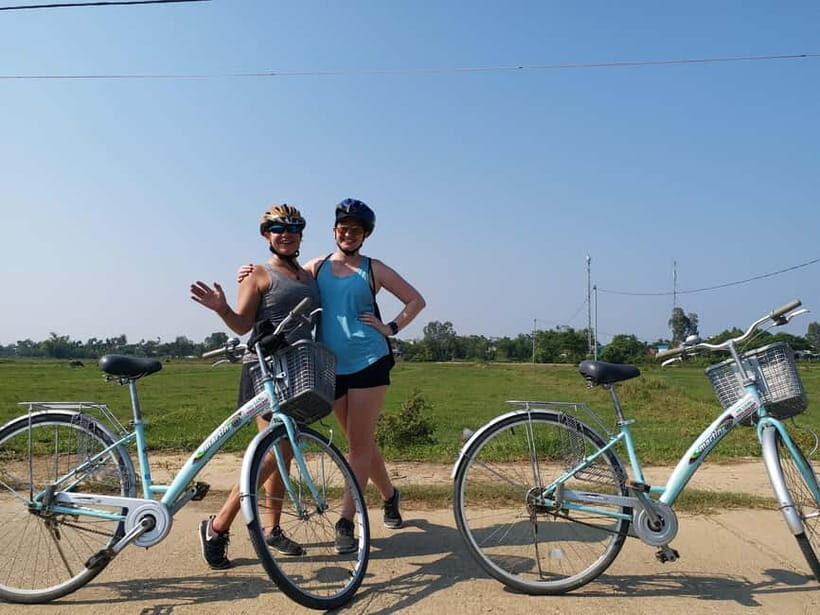
This is a half-day private tour, built around a cycling distance of about 17 km / 10 miles. The ride is described as easy-to-moderate, but it still needs a baseline of comfort with cycling. If you’re used to bikes and flat routes, you’ll likely find it enjoyable. If you don’t ride much, build in extra patience with yourself.
Timing: you can choose a 4-hour ride option, or add a meal for a full 5-hour experience. That meal option is worth considering if you’re the type who likes to stop thinking about logistics and just stay with the flow of the day.
What to bring:
- Comfortable shoes (not bare feet)
- Cycling clothing that won’t restrict your movement
- Sunscreen and a hat (you’ll be outside)
- A phone/camera for the craft stations and river views
What not to bring:
- Jeans, high-heeled shoes, oversize luggage
- Alcohol or drugs
- Bare feet
Because you’re visiting local homes and craft areas, the clothing rules aren’t just formalities. They help everyone stay comfortable and respectful.
Also pack common-sense readiness: if it’s sunny, assume you’ll get sun. If you sweat easily, bring water habits you’re comfortable with. The tour includes bottled water, which is helpful, but it’s still better to be prepared.
Price and Value: What $38 Actually Buys You
At $38 per person, the value here is mainly in the package you get, not just the bike ride. The tour includes:
- a good quality bike and helmet
- an English-speaking local guide
- taxes, tickets, and entrance fees (so you’re not nickel-and-diming your way through)
- donations at local homes
- bottled water
- the included or excluded meal option depending on the booking choice
For craft-focused travel, this matters. You’re paying for access: bikes, guidance, translation, and the opportunity to spend time at multiple working villages. You’re also getting a learning structure. Instead of hopping around alone, you have a guide who can explain what you’re seeing and help you ask questions.
Meal timing can affect your total cost, but the framework is simple: pick the 4-hour version if you want to keep the day light, or add the meal for a smoother finish. Either way, you’re not just “being delivered” to photos. You’re participating in craft steps like rice processing and rice paper preparation.
Tips are described as optional but appreciated, which is a fair and normal approach for small private guide-led experiences.
Who This Tour Fits Best (and Who Should Skip It)
I think this tour is a great match if you want:
- a rural Hoi An experience beyond the old town lanes
- hands-on cultural stops tied to food and crafts
- a guide who helps with conversation, not just facts
- a day that blends cycling with multiple short visits
It’s also a nice fit for people who enjoy meeting makers—whether that means rice paper producers, straw mat weavers, or carpenters shaping wood and craft details.
You might want to choose another option if:
- you dislike cycling or don’t feel comfortable with the 10-mile distance
- you prefer a fully car-based day
- you have difficulty with active walking between stops
If you’re close to the fitness line, you can still make it work if you pace yourself and take the stops seriously as breaks, not interruptions. But if cycling feels stressful, don’t force it.
Should You Book the Hoi An Biking River Islands, Village Crafts Tour?
If your idea of a good Hoi An day includes learning how local life works, this is an easy yes. The best moments come from the craft stations: rice paper making, rice wine process, straw mats at Tra Nhieu, and the carpentry work in Kim Bong. Add the translation support you’ll get from guides like Trung, Kha, and Lan, plus the coffee break and boat ride back, and you get a full-feeling half-day that doesn’t drag.
Book it if:
- you’re comfortable cycling about 17 km / 10 miles
- you want a private guide-led day with stops in real villages
- you like craft and food learning more than postcard-only sightseeing
Skip or reconsider if:
- you’re not confident with moderate cycling
- you want heavy comfort logistics like hotel pickup and long rest breaks
If you’re ready for a straightforward, active, culturally grounded ride in Hoi An countryside, this one earns its place.
FAQ
Where does the tour start?
It starts at the Local Buddy Tours Booking Office inside Song Thanh restaurant at 67 Tran Quang Khai street, Hoi An, Quang Nam 560000, Vietnam.
Is hotel pickup and drop off included?
No. Hotel pickup and drop off are not included, and the activity ends back at the meeting point.
How far do I cycle?
You should be comfortable cycling for about 17 kilometers / 10 miles.
How long is the tour?
You can choose a 4-hour ride option, or add a meal for a full 5-hour experience.
Are meals included?
Meals are optional. You’ll need to check the specific price and duration when booking to see whether a meal is included in your option.
What’s included in the price?
The tour includes a good quality bike and helmet, an English-speaking local tour guide, taxes/tickets/entrance fees, donations at local homes, bottled water, and the included meal option (depending on what you book).
Do I need to tip?
Tips are optional but appreciated.
What should I bring?
Bring comfortable shoes, sunscreen, a hat, and cycling clothing. You may also want your phone or camera.
What is not allowed during the tour?
Jeans, high-heeled shoes, oversize luggage, alcohol and drugs, and bare feet are not allowed.
What languages are spoken on the tour?
The tour is offered in English, Vietnamese, and French.
Is the tour suitable for wheelchair users?
No. It is not suitable for wheelchair users and is also not suitable for people with low fitness levels.