REVIEW · HOI AN
Hoi An Countryside Bicycle Tour : 25 Km Real Vietnam
Book on GetYourGuide →Operated by Heaven and Earth Bicycle Tours · Bookable on GetYourGuide
A morning bike ride turns into a front-row seat for rural Vietnam. This Hoi An countryside bicycle tour mixes a relaxing Thu Bon River boat ride with real workshops and daily-life stops. I love the way it stays small and calm, so you actually have time to ask questions, not just speed past them.
Two things I really like: you cycle 25 km (loop) along rice paddies and cross distinctive local bridges, and you get hands-on craft moments like making rice paper and weaving mats. The only drawback is that the day is stop-heavy, so if you want a long stretch with zero interruptions, this may feel a bit busy.
You’ll still end up with that rare combo: activity you can do with your legs, plus stories you’d never get from a quick bus tour. Just know the roads are rural and mostly flat, but you should bring the right sun protection and a light layer in cooler months.
In This Review
- Key Things You’ll Remember
- Meeting at 61 Ngo Quyen St. and Rolling Out at 8:00
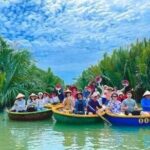
- A One-Hour Boat Ride on the Thu Bon River Sets the Tone
- 25 Km Loop Through Rice Paddies on Small, Safe Concrete Roads
- Bamboo Bridge, Ferry Crossings, and “Wait, How Do We Do That?”
- Hands-On Craft Stops: Rice Paper, Rice Mills, Mats, Boats, and Basket Boats
- Lunch at a Local Family House (Chicken, Fish, or Vegetarian)
- Temple Stories, Rice Wine Making, and Customs You Can Actually Understand
- Timing, Weather, and What to Pack for a 9-Hour Day
- Price and Value for a Small-Group Day in the Delta
- Should You Book Hoi An Countryside Bicycle Tour: 25 Km Real Vietnam?
- FAQ
- What time does the Hoi An countryside bicycle tour start and end?
- How long is the tour and how far do you ride?
- Is lunch included, and what food options are available?
- What’s included in the price?
- What language are the guides, and how large is the group?
- Can I cancel for a full refund?
Key Things You’ll Remember
- Small group (max 8) so the day feels personal instead of rushed
- Boat + bike: a one-hour Thu Bon River transfer before you start pedaling
- Hands-on delta skills, from rice paper to basket boat building and testing
- Crossings that change the pace, including a bamboo bridge and local ferry options
- Lunch with a local family house, with chicken, fish, or vegetarian choices
- Quiet, low-traffic cycling, using small countryside concrete roads and safe routes
Meeting at 61 Ngo Quyen St. and Rolling Out at 8:00
The day starts with a simple plan. You meet at 61 Ngo Quyen St. in Hoi An at 7:45 AM, and the tour departs at 8:00 AM. It’s a good setup because you get out early before the hottest part of the day grabs hold.
You’ll cycle a 25 km loop (often described as a “never the same road twice” route), and the focus is on safe, local roads rather than fast sightseeing. The bike and helmet are included, which matters more than you might think in a country where bike design can vary a lot.
One of the best parts here is the group size. Limited to 8 participants, the guide can actually pause when you want to ask about something you just saw—like how rice products are made or why certain houses are built a certain way. In past outings, guides such as Tran (also spelled Tram) have been praised for keeping the day organized and easy to follow, with assistant Kein helping run the stops smoothly.
You can also read our reviews of more tours and experiences in Hoi An.

A One-Hour Boat Ride on the Thu Bon River Sets the Tone
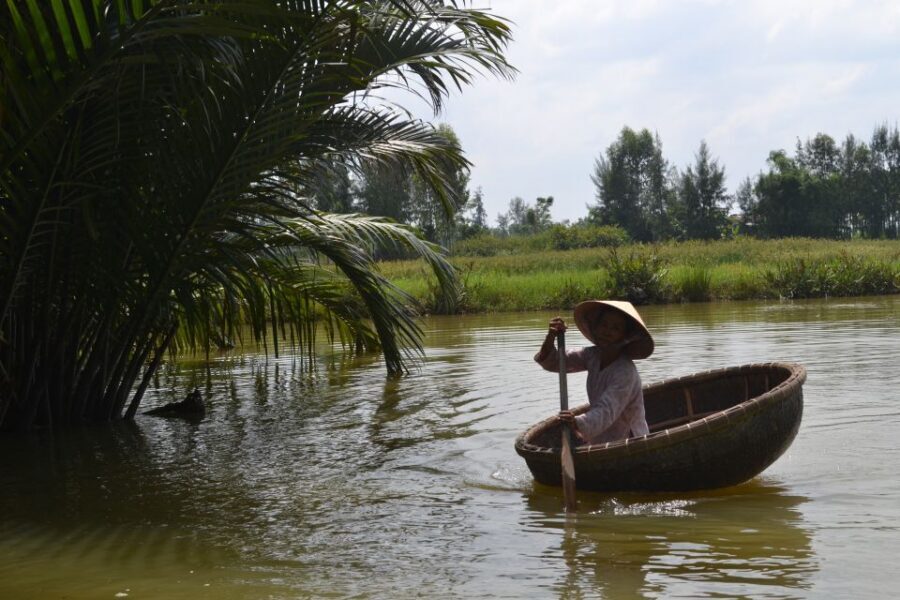
Before you touch the pedals, you get a one-hour boat transfer up the Thu Bon River to a small village in the delta. This is more than a scenic bonus. It’s a useful rhythm reset.
Think of it like this: the boat ride puts you into the delta mindset. You can look at how villages sit around waterways, how farmland stretches out, and why these communities rely on canals and rivers for daily movement. Then the bike part feels connected instead of random.
You’ll spend time in an area where the environment shapes everything. Rice fields, water crossings, and handmade goods all tie together. That link becomes obvious once you start moving through the countryside and see what people make and how they move goods.
25 Km Loop Through Rice Paddies on Small, Safe Concrete Roads
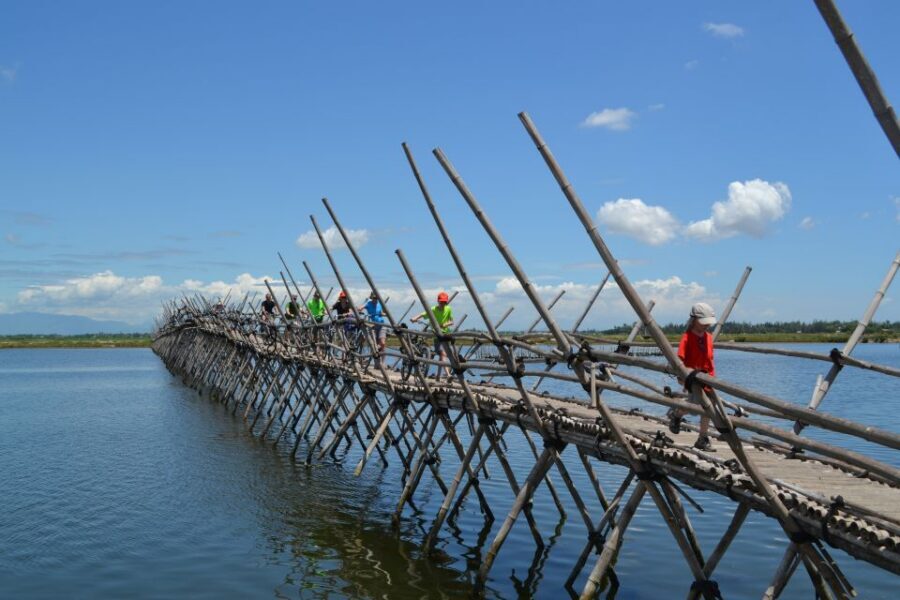
Once the boat part ends, your cycling begins—a loop trip covering about 25 km (15 miles). From October to February, plan for a slightly longer day at 28 km (17 miles).
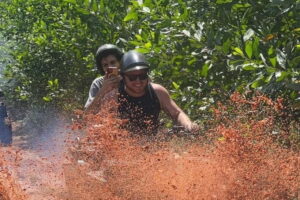
The cycling itself is designed to be manageable. You use small countryside concrete roads, kept flat and safe without traffic. That’s a big deal if you’re not training for a ride. It also means your brain can stay on the sights, not on dodging vehicles.
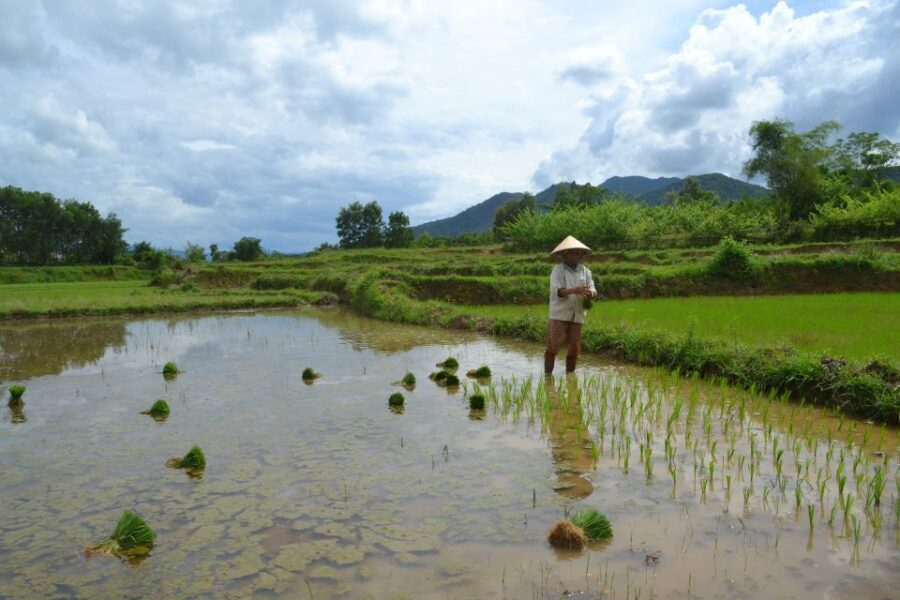
Here’s what I’d pay attention to: this route is built around changing scenery. You’re not just looping through one kind of view. Rice paddies open up around you, then the route pulls you toward different workshops and crossings. The day feels like it has chapters.
And because it’s a loop, you don’t spend the whole time thinking you’re trapped on the same road going out and back. The route avoids repeating the exact same roads, so you get a bit more variety for your effort.
Bamboo Bridge, Ferry Crossings, and “Wait, How Do We Do That?”
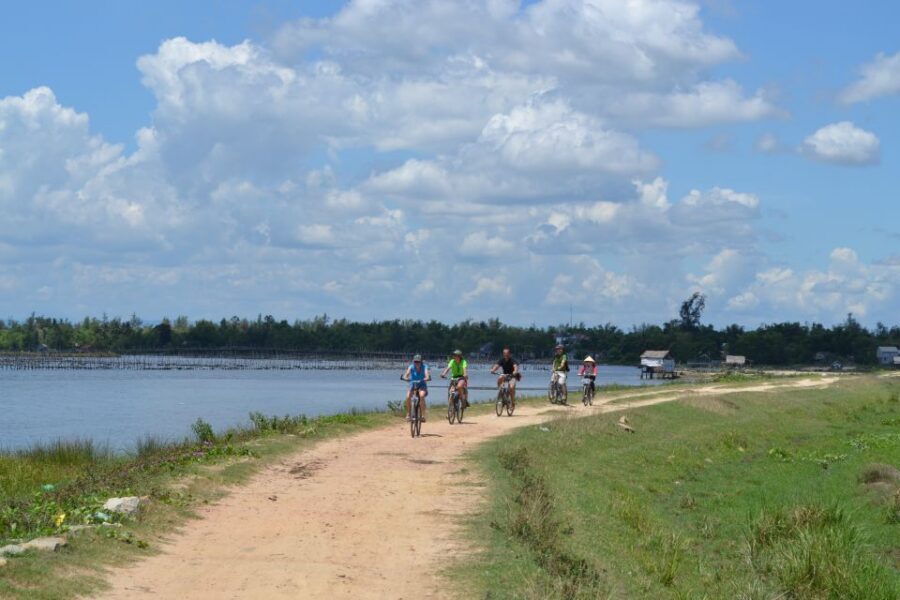
This tour keeps your pace interesting with a mix of crossings. Early on you’ll encounter the bamboo bridge, a signature moment that’s both practical and memorable. It also gives you a clear view of how movement works in wetland areas—where flexible crossings can matter more than heavy infrastructure.
You’ll also do a beautiful river crossing on a local ferry. That’s not just for drama. Ferries are part of real transportation patterns in delta regions, so this gives you a window into how people handle water distance as part of everyday life.
There may also be a floating bridge crossing when available. Since availability depends on conditions, don’t bank on it as guaranteed. But if it happens, it adds another layer to the day’s theme: living with water instead of trying to fight it.
Pro tip: bring a phone you can protect, or keep it away during crossing moments. Not because it’s a problem, but because water areas can feel damp and unpredictable, even when the ride is well managed.
Hands-On Craft Stops: Rice Paper, Rice Mills, Mats, Boats, and Basket Boats
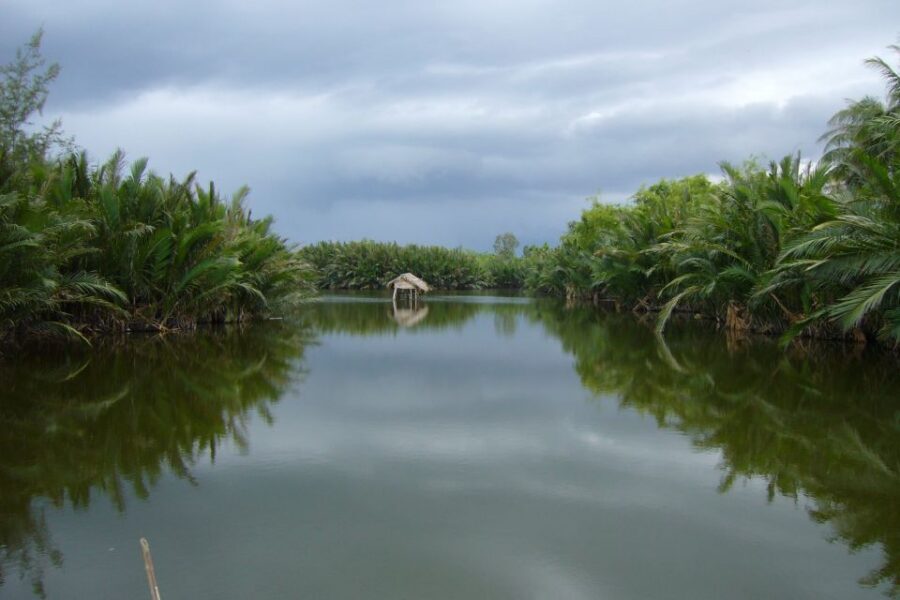
If you like travel that goes past photos, this is where the day earns its keep. The tour includes a long list of workshop-style visits where you learn how materials and products are made.
You’ll get to see and learn about:
- How to make rice paper
- A countryside rice mill for processing rice
- Traditional boat-building yards
- How to weave traditional sleeping mats
- A basket boat builder process
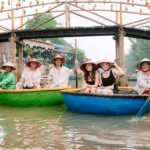
- Testing the basket boat (yes, you actually get to see it in action)
And that basket boat moment is a favorite for a reason. You’re not just watching tools at work; you’re seeing the craft evolve into something that moves on water. It’s the kind of thing that sticks in your mind long after the tour ends.
Also, the guided explanations help connect the dots. Rice paper, mats, boats, and basket craft aren’t random demonstrations. They show how people build their livelihoods around the same materials the countryside produces.
Practical note: you’ll have many stops during the day. That’s part of the structure. It can mean short waiting moments, and sometimes you’ll feel like you’re doing a “mini-tour” every hour. If that sounds exhausting, this may not be your ideal format. If you enjoy learning in small chunks, you’ll likely love it.
Lunch at a Local Family House (Chicken, Fish, or Vegetarian)
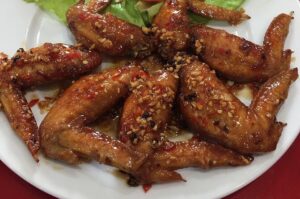
At some point in the middle of the day, you’ll break for lunch at a local family house. Lunch is included, along with water.
You can choose between chicken, fish, or vegetarian, which is a good range and easy to manage. Eating with a family house setting changes the mood of the day. Instead of rushing from one site to the next, you slow down, sit, and absorb the atmosphere a bit more.
One smart thing about this lunch arrangement: it supports local hosts directly. You’re not just paying for food; you’re participating in a community day that includes the people who live through these routines.
What to expect: you’ll likely feel warmer right after lunch, so it helps to stay hydrated and keep your sun protection on before the afternoon riding continues.
Temple Stories, Rice Wine Making, and Customs You Can Actually Understand
After craft stops, the tour turns more toward daily culture and family traditions. You’ll visit a traditional Vietnamese countryside house and hear about the story of the countryside family temple.
You may also learn about the process of rice wine family making. The key value here isn’t only the product—it’s the context. These are customs tied to land, seasons, and community relationships. The guide helps translate what you’re seeing so it doesn’t feel like a checklist.
Even if your Vietnamese vocabulary is limited, this part of the tour works because it’s observation plus explanation. You see how spaces are used, how families structure life, and how local traditions connect to countryside routines.
The day’s theme comes into focus: you’re moving through farmland and workshops, but you’re also stepping into a worldview shaped by rice, water, and home industries.
Timing, Weather, and What to Pack for a 9-Hour Day
This tour runs about 9 hours, typically returning by 5:00 PM. Expect a lot of brief transitions—bike to workshop, workshop to river crossing, then back to cycling.
Because you’re out in the countryside, pack for sun and comfort:
- Sunscreen, hat, sunglasses
- A windbreaker from November to January
The itinerary can be warm and bright. Even on a cloudy day, the delta sunlight can feel strong once you’re cycling. And while the roads are flat and traffic-free, you’ll still use your legs for hours.
If you get cold easily, bring a light layer. If you’re prone to sunburn, treat this as a full-day outdoor event.
You also have options if you need them:
- Tandem bike available on request (quantity limited)
- Baby seat available on request for children up to 23 kg
Price and Value for a Small-Group Day in the Delta
The price is $44 per person for a full day (9 hours). On paper, that’s simple. In real life, the value comes from what you’re getting for it.
You’re not just paying for a bike and a guide. The included items cover the major costs that make local experiences expensive elsewhere:
- English or French-speaking guide
- Bicycle and helmet
- One-hour boat transfer
- All visits included in the route
- Lunch at a local family house
- Water
Extra drinks and personal expenses are not included, and you’ll want your own travel insurance if you normally use it. Still, for the mix of transportation, instruction, and structured stops, this price feels aimed at giving you a real countryside day rather than a quick tourist loop.
The small group size also affects value. With only 8 people, the guide can keep answers specific and help you navigate the different activities without confusion.
Who gets the best match from this tour:
- You like learning by doing, not just looking
- You want a countryside day that still feels organized
- You prefer quiet roads over chaotic traffic scenes
- You’re happy with a schedule that includes many short stops
Should You Book Hoi An Countryside Bicycle Tour: 25 Km Real Vietnam?
I’d book it if you want a day that feels human and grounded: rice paddies, practical boat-and-bridge moments, and craft visits that explain how people actually make what they use.
I’d skip it only if your ideal trip is mostly one long uninterrupted ride or if you dislike stop-heavy schedules. The tour is structured around workshops and crossings. That’s the point.
If you’re flexible, bring sun protection, and go in with curiosity, you’ll likely come away with more than photos. You’ll understand how rice-based life links to transport, food, and family tradition in the Thu Bon delta.
FAQ
What time does the Hoi An countryside bicycle tour start and end?
You meet at 7:45 AM at 61 Ngo Quyen St., Hoi An. The tour departs at 8:00 AM and returns by about 5:00 PM, ending back at the meeting point.
How long is the tour and how far do you ride?
The tour lasts 9 hours. It covers 25 km as a loop. From October to February, the distance increases to 28 km.
Is lunch included, and what food options are available?
Yes. Lunch is included at a local family house, with a choice of chicken, fish, or vegetarian.
What’s included in the price?
The price includes all visits, the one-hour boat transfer, an English or French-speaking guide, bicycle, helmet, lunch, and water.
What language are the guides, and how large is the group?
The guide speaks English or French, and the group is limited to 8 participants max.
Can I cancel for a full refund?
Yes. You can cancel up to 24 hours in advance for a full refund.