REVIEW · HOI AN
Hoi An Ghosts, Death, Mystery Unveiled
Book on Viator →Operated by Momo Travel · Bookable on Viator
Death in Hoi An isn’t treated like a punchline. This 2-hour night walk turns the city’s beliefs about loss, spirits, and taboos into a story you can actually follow street by street, from the dark alleys to the Japanese Covered Bridge.
I like that the tour focuses on Vietnamese death customs and how living people stay connected to the dead, not just cheap scares. I also like the pacing: about 1.5 km covered on foot, so you get atmosphere without feeling like you’re on a fitness mission.
The main thing to consider is the theme. If you feel strongly uncomfortable with death-related topics, grim discoveries, or ghost-lore, this may be harder than a normal old-town stroll.
In This Review
- Key Highlights to Watch For
- A Night Walk Through Hoi An’s Death Rituals
- Price and Timing: A 6 pm Tour With Room to Breathe
- Start at Trần Hưng Đạo, End at the Japanese Covered Bridge
- Stop One: 200-Year-Old Graves, Ghost Alleys, and Lantern Mysteries
- The Murder of 108 Traders and the King’s Apology
- The Oldest House, a War That Emptied Homes, and Why Immigrants Left
- Locals Protect Houses From Dark Spirits (and You’ll Learn the Rules)
- What the Best Reviews Are Really Praising: Sanh’s Energy
- How to Get the Most From This Hoi An Night Tour
- Who Should Book Hoi An Ghosts, Death, Mystery Unveiled
- Should You Book This Tour?
- FAQ
- FAQ
- How long is the tour?
- How far do we walk?
- What time does the tour start?
- Where does the tour begin and end?
- Is this tour private?
- How much does it cost?
- Is the ticket mobile?
- What if the weather is bad?
- Is there free admission included?
- Are service animals allowed?
Key Highlights to Watch For
- Death rituals made practical: how families and communities relate to the dead, not just spooky myths
- A ghost-alley route in the old town: you’ll be shown specific darker corners and legend spots
- A medieval graveyard stop: the tour frames funerary ideas in a way you can understand
- Lantern mystery and local taboos: hints about what people avoid, especially around Full Moon
- Big Hoi An legends: including the murder of 108 traders and the King’s apology
- Guide energy matters: one frequently praised guide is Sanh, known for enthusiastic storytelling
A Night Walk Through Hoi An’s Death Rituals
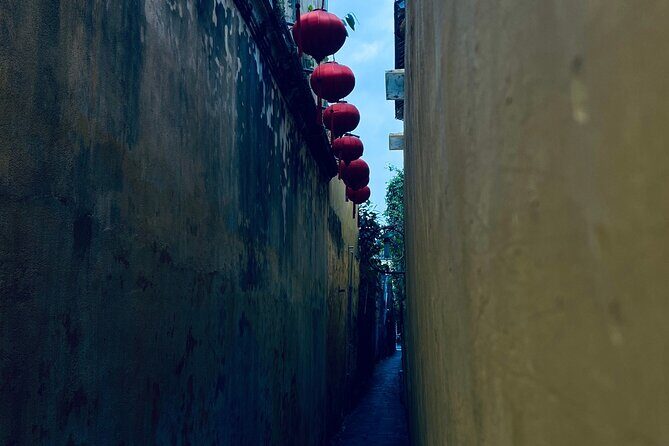
Hoi An at night has a special kind of stillness. This tour leans into that mood and uses it as a classroom for the taboo subject of death in Vietnam beliefs. You’re not meant to treat it like horror entertainment; you’re meant to understand the logic behind the rituals and the way the living handle loss.
The tone, from what the experience description emphasizes, is about connection. You’ll learn how people build respectful links with the dead, and how those beliefs show up in everyday behavior around houses, streets, and community spaces. That’s the big value here: it turns a cultural subject many visitors avoid into something you can see, hear, and make sense of in context.
And yes, you’ll also walk through darker alleys where ghost stories live. The trick is that the stories aren’t random. They’re tied to places and ideas—taboos, protection from dark spirits, and what people consider dangerous to do.
You can also read our reviews of more tours and experiences in Hoi An.



Price and Timing: A 6 pm Tour With Room to Breathe
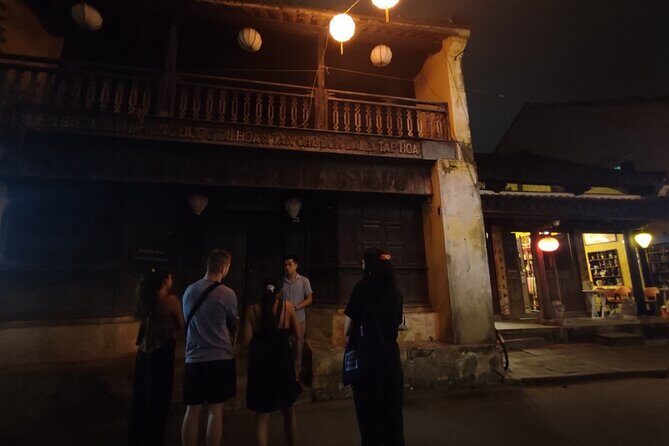
The price is listed at $19.58 per person, which is refreshingly approachable for a guided night experience. Given it’s about 2 hours and covers roughly 1.5 km (around a mile), you’re paying mainly for storytelling, route context, and the guide’s ability to connect legends to real locations.
It starts at 6:00 pm, a good time for Hoi An’s evenings to be fully awake without it turning into late-night chaos. Since it’s a night walk, you’ll want to dress for comfort and watch your footing in older lanes.
A small planning note: the tour is commonly booked about 19 days in advance on average. If you’re traveling during a busy stretch, I’d treat that as a signal to reserve early rather than assuming you can wing it.
Start at Trần Hưng Đạo, End at the Japanese Covered Bridge
Your walk begins at 40 Trần Hưng Đạo, Phường Minh An, Hội An. That area puts you in the old-town zone where the stories make sense right away—you’re close enough to the historic core that the atmosphere feels immediate.
You finish at the Japanese Covered Bridge (Nguyễn Thị Minh Khai, Phường Minh An, Hội An). Ending at a major landmark is practical. It gives you an easy “anchor point” to orient yourself afterward, whether you’re continuing on foot or catching a ride.
Because this is a private tour/activity limited to your group, you’re less likely to get lost in a crowd while the guide points out places. That matters on a ghost-and-taboo style route, where the details are the whole point.
Stop One: 200-Year-Old Graves, Ghost Alleys, and Lantern Mysteries

The walk centers on Hoi An’s old-town lanes and hidden spots, with the experience covering about 1.5 km total. Along the way, you’ll be shown several key scene types: a 200-year-old grave, a ghost alley, an ancient haunted house, and the mystery of lanterns, plus local taboos.
Here’s why that mix works. A lot of “spooky tours” skip the why and focus only on shock value. This one is built so the streets themselves become the curriculum. When you reach a graveyard or a house tied to stories, the guide’s job is to explain what the legend is really pointing toward—beliefs, fear rules, or social memory.
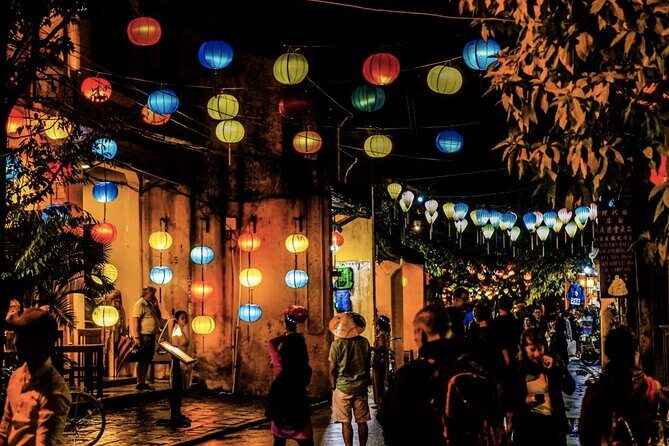
The lantern mystery element is especially smart for Hoi An. Lanterns aren’t just decoration here; they’re part of the town’s identity and rhythm. Even when the topic turns supernatural, lantern culture keeps it anchored in place.
What you should consider: because the theme includes death, grave sites, and grim discoveries, the tour may feel darker than a standard history walk. If you’re expecting pure fun, you’ll still get entertainment, but it’s the kind of fun that comes from learning taboo stories in a controlled, respectful way.
The Murder of 108 Traders and the King’s Apology
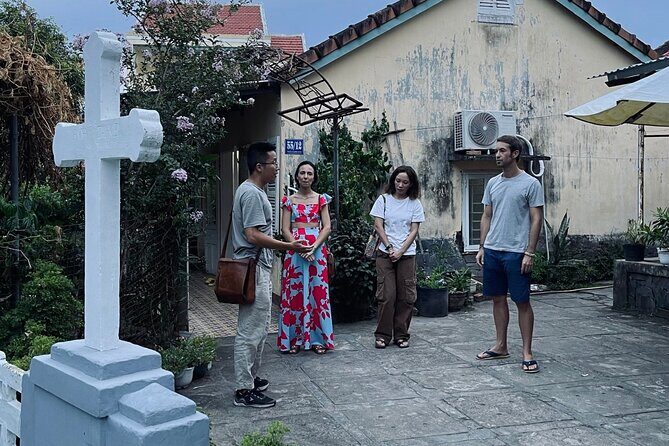
As you keep moving through the alleys, the tour storyline includes two memorable legend beats: the murder of 108 traders and the apology of the King. These aren’t just dramatic titles. They’re the kind of events that explain why certain places hold weight in local memory.
In a city like Hoi An—where older neighborhoods and family spaces overlap with centuries of trade and conflict—legends often function as community explanations. They tell you who suffered, who was responsible, and how reconciliation (or at least regret) becomes part of the story.
I like how this tour pairs grim events with a shift toward accountability. A King’s apology, even as a legend, creates a moral framework for the past. That turns the walk into more than ghost spotting; it becomes about how communities process wrongdoing and repair.



The Oldest House, a War That Emptied Homes, and Why Immigrants Left
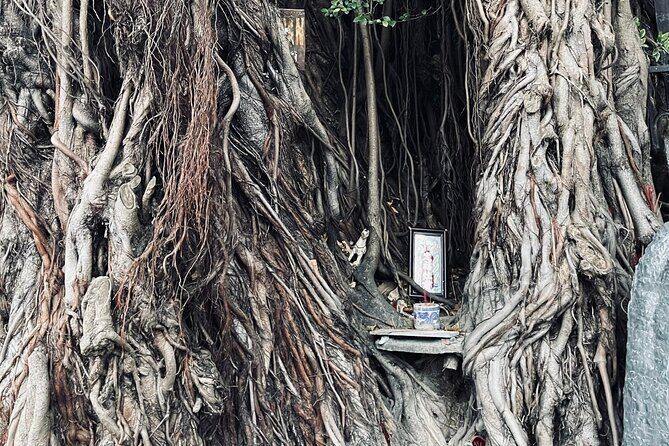
The route also includes a thread about the war that made immigrants abandon their houses, told in the shadow of what’s described as the oldest house in the old town. This is one of those moments where the tour’s spooky framing can still deliver history value—because it points you to the human impact of conflict.
Even if you only catch the story in summary form, you’ll get the point: when people are forced to leave, architecture and family spaces don’t just disappear. They get layered with new meaning, new neighbors, and new stories about what happened and why.
This is the “resident perspective” twist. Most visitors see old buildings as pretty backdrops. Here, the buildings act like memory containers. That’s what makes the walk feel different from a typical photo stop crawl.
Locals Protect Houses From Dark Spirits (and You’ll Learn the Rules)
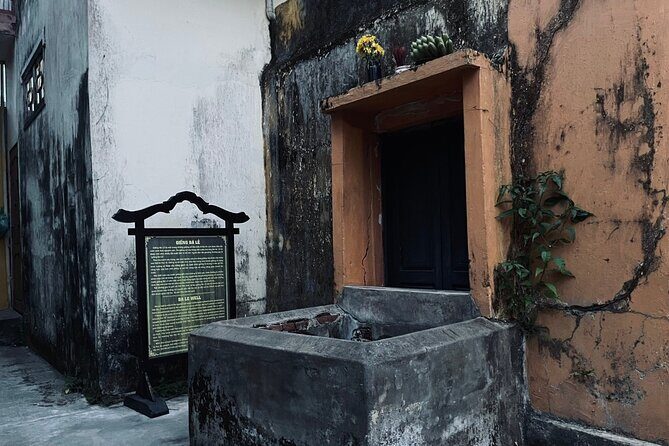
One of the most practical parts of this experience is the focus on everyday belief systems: how locals protect their houses from dark spirits, and the role of taboos—including things you are not allowed to do in Full Moon.
This is where the tour becomes more than entertainment. You start connecting folklore to behavior. People aren’t just afraid of ghosts; they have routines and boundaries designed to keep life orderly and safe. Learning those rules helps you understand why certain spaces feel sensitive or “off limits,” even when they look ordinary.
And because you’re walking, the lessons stick. The guide can point out why a lane, a doorway area, or a particular corner might carry extra caution in local belief. You don’t have to invent a mental map; the tour gives it to you piece by piece.
What the Best Reviews Are Really Praising: Sanh’s Energy
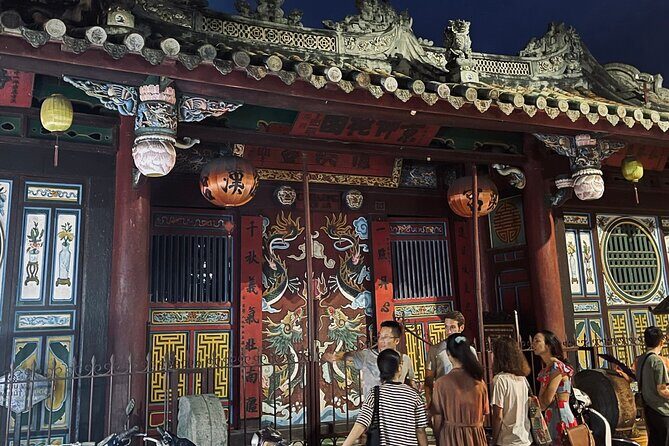
A theme in the strongest feedback is the guide’s performance—especially an enthusiast named Sanh. The big praise isn’t just that he tells spooky bits. It’s that he brings energy and clarity to the stories, making the history-and-ghost-lore mix enjoyable and easy to follow.
That matters. When a tour mixes taboos, death rituals, and legends like 108 traders, you need someone who can pace it. Sanh’s style, as described, is the kind that keeps you from getting lost in the mood. You get fun, but you also get context.
If you’re choosing this tour because you like the paranormal side, you’ll probably appreciate how the guide works. If you’re choosing it because you want culture without a lecture, the storytelling approach should also fit.
How to Get the Most From This Hoi An Night Tour
This is a walking experience at night with themes that skew darker than normal sightseeing. To enjoy it, I’d go in with two expectations: first, you’re learning beliefs; second, you’re watching for details the guide points out.
A few practical tips based on what the tour promises:
- Wear shoes you trust on uneven lanes. The walk is short, but old-town streets can be tricky at night.
- Bring a little patience with taboo topics. The tour’s purpose is to explain what people believe, not to offend or shock.
- If you’re sensitive to death imagery, decide up front how you’ll handle grave-and-ritual themes. You can still enjoy the route’s atmosphere, but you should be mentally prepared.
Also remember it’s weather-dependent. If conditions are poor, the tour may be offered on a different date or refunded.
Who Should Book Hoi An Ghosts, Death, Mystery Unveiled
I think this tour is a great match if you want:
- a night old-town experience that feels more meaningful than just photos
- ghost-lore told in a cultural frame (death rituals, taboos, home protection)
- a guided route that covers small, hard-to-notice spots like lanes and grave areas
It might be less ideal if you’re purely after light entertainment with zero grim content. The “dreadful discovery” and medieval graveyard elements mean you’re not running from the topic—you’re being guided through it.
Because it’s a private format for your group and starts at a clear time, it also fits well for couples or friends who want a calmer, more focused storytelling vibe instead of a big-traffic group tour.
Should You Book This Tour?
Yes—if you’re the kind of person who likes learning how people actually live with difficult beliefs. This tour’s value comes from the way it connects taboos, death rituals, and local legends to real places you can walk through, from a 200-year-old grave to the finish at the Japanese Covered Bridge.
If your ideal vacation night is all sunshine and street food only, you might feel heavier than you expected. But if you’re curious about how Hoi An’s residents understand death—and you’re fine with a spooky tone—the experience is good value for the price and a fun way to see the old town with a different lens.
FAQ
FAQ
How long is the tour?
The experience runs for about 2 hours.
How far do we walk?
You cover about 1.5 km (around a mile) on foot.
What time does the tour start?
The start time is 6:00 pm.
Where does the tour begin and end?
It begins at 40 Trần Hưng Đạo, Phường Minh An, Hội An, and ends at the Japanese Covered Bridge on Nguyễn Thị Minh Khai, Phường Minh An, Hội An.
Is this tour private?
Yes. It’s a private tour/activity, and only your group participates.
How much does it cost?
The price is $19.58 per person.
Is the ticket mobile?
Yes, you receive a mobile ticket.
What if the weather is bad?
The experience requires good weather. If it’s canceled due to poor weather, you’ll be offered a different date or a full refund.
Is there free admission included?
The admission ticket is listed as free as part of the experience.
Are service animals allowed?
Yes, service animals are allowed.