REVIEW · HOI AN
Hoi An: Vietnamese Coffee Making Course
Book on GetYourGuide →Operated by Hoi An Scooter Adventures · Bookable on GetYourGuide
Coffee in Hoi An has serious secrets. In a 90-minute class, you learn why the phin filter method tastes bold, and you get hands-on practice with Vietnamese specialties like egg, coconut, and salt coffee.
I really like the hands-on setup: you’re not just watching. You make the drinks yourself, then taste and compare, so the lessons actually stick. I also like that the instructor explains the how and why in English, and you leave with recipes you can use later.
One thing to plan for: there’s no hotel pickup, so you’ll need to make your own way to Tri Long coffee in Hoi An’s city center.
In This Review
- Key points worth your time
- First Stop at Tri Long Coffee: How the 90 Minutes Feel
- Roast Lessons That Actually Change How You Taste
- Vietnamese Phin Filter Coffee: The Slow-Drip Brewing Lesson
- Choose Your Specialty Coffee: Egg, Coconut, or Salt
- Egg Coffee: Creamy, Dessert-Like, and Not Complicated
- Coconut Coffee: Nutty Sweetness with a Vacation Vibe
- Salt Coffee: The Flavor Hack That Tames Bitterness
- Hands-On Brewing: What You’ll Make, Sip, and Take Home
- Price and Value: Why $22 Can Make Sense
- Who Should Book This Coffee Course in Hoi An?
- Quick Tips Before You Go (So You Enjoy It More)
- Should You Book Hoi An’s Vietnamese Coffee Making Course?
- FAQ
- How long is the Hoi An Vietnamese coffee making course?
- What kinds of coffee can I learn to make?
- Is the instructor able to teach in English?
- Where do I meet for the class?
- What’s included in the price?
- Is a private group option available?
Key points worth your time
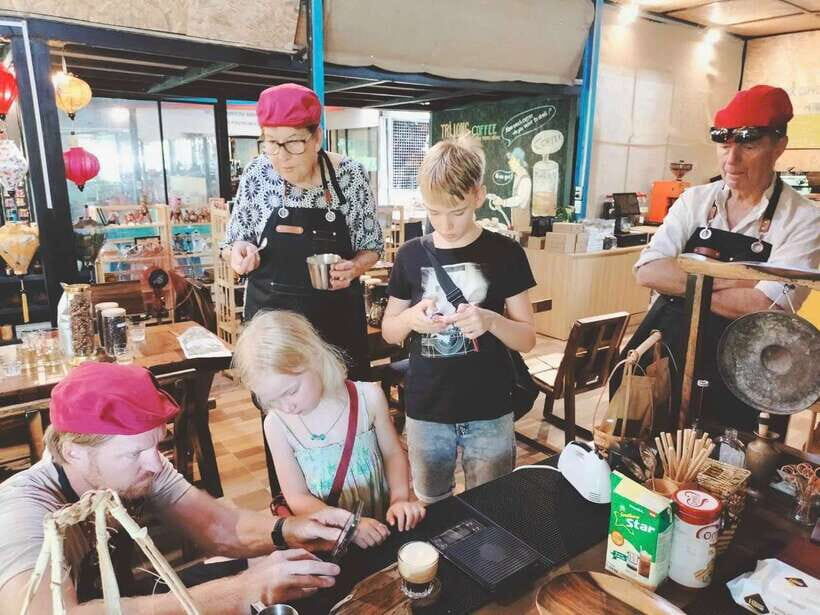
- Hands-on coffee making with tools, ingredients, and a coffee you make yourself
- Phin filter coffee taught as a slow-drip, bold-style brew
- Choose your specialty session: egg coffee, coconut coffee, salt coffee (plus the phin option)
- Roast-level lessons that show how roasting changes flavor
- English-speaking instructor and water provided during the class
- Take-home value: recipes at the end, and you may have a chance to buy beans
First Stop at Tri Long Coffee: How the 90 Minutes Feel
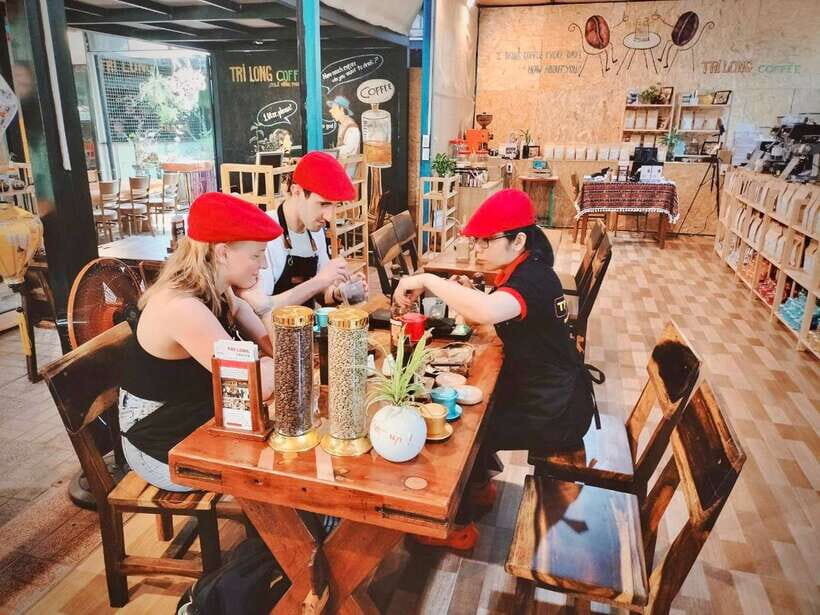
The class starts right in downtown Hoi An at Tri Long coffee. This matters because you’re not spending your time transferring between locations. You show up, get welcomed, and jump straight into coffee mode.
Timing is tidy. You’ll have about 90 minutes, which is long enough to learn a process and actually make something, but not so long that you lose steam. And the pace is built around practical steps: roasting concepts first, then brewing, then specialty drinks.
Because the instructor is English-speaking, you’re not stuck translating on the fly. That means you can ask basic questions like why one roast tastes more bitter or how the sweetness is balanced in Vietnamese coffee styles.
If you’re the kind of person who likes doing instead of observing, this is your match. The class includes water, and you’re guaranteed at least one cup you make yourself.
Practical note: plan your route to Tri Long coffee. With no hotel pickup, your day starts when you leave your hotel, not when the activity begins.
You can also read our reviews of more tours and experiences in Hoi An


Roast Lessons That Actually Change How You Taste
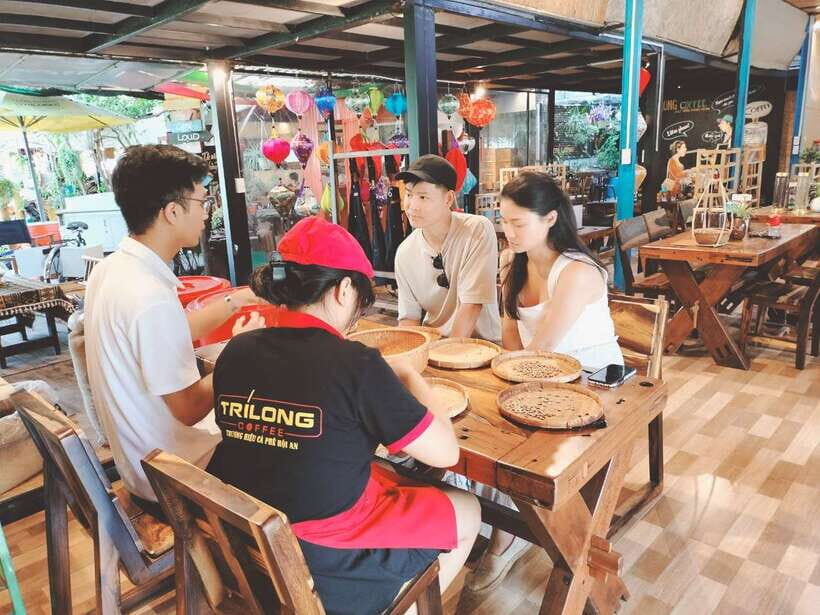
The coffee starts as beans, not magic. One of the most useful parts is the roasted coffee demonstration. You’ll learn the journey from raw beans to aromatic coffee, and how roast levels shift the flavor you end up with.
This is more than trivia. Roast level affects things like perceived bitterness, sweetness, and overall intensity. The class frames roasting as a controllable process, not a random outcome.
Here’s what you’ll likely appreciate if you’ve ever had coffee that tasted flat in one place and harsh in another: roasting helps explain why the same coffee origin can behave differently depending on how it’s roasted. Even if you’re not a coffee geek, the lesson gives you a mental checklist you can use later when you taste.
And since Vietnamese coffee is often known for its strong flavor, learning the roasting side helps you understand what’s behind that bold profile. You’re not just learning recipes—you’re learning what flavors the beans are built to deliver.
To make it stick, the class ties the roasting story to what you brew right after.
Vietnamese Phin Filter Coffee: The Slow-Drip Brewing Lesson
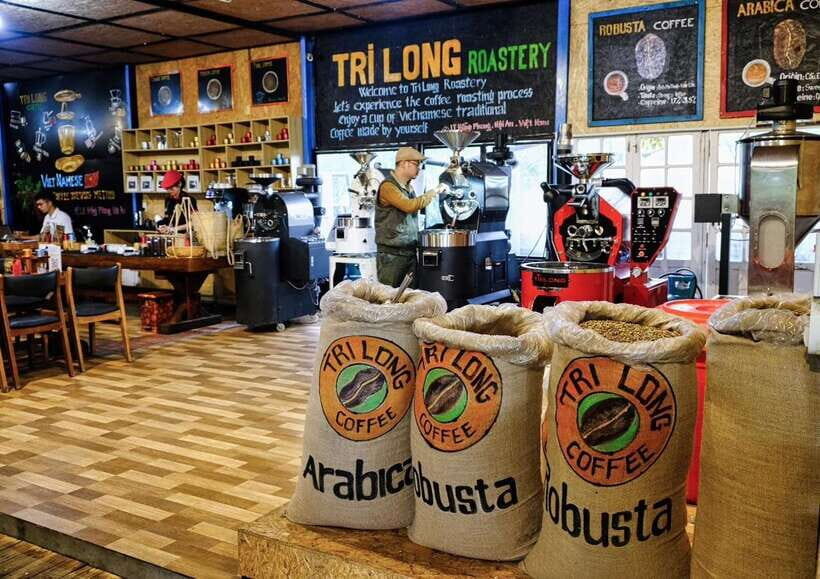
Then you get to the signature method: Vietnamese Phin filter coffee. The focus here is on the traditional slow-dripping process, which produces a brew that’s bold and robust.
The Phin approach is simple in concept, but it changes the taste in a meaningful way. Because the coffee drips slowly, you get a steady extraction rather than a quick pour-through. That tends to emphasize the heavier, deeper notes while still leaving room for sweetness—exactly why this style is so loved.
In class, you’ll see the Phin filter technique demonstrated, and you’ll understand the balance between bitterness and sweetness that makes Vietnamese coffee feel both strong and drinkable.
Why I think this section is worth your time: you can order Phin coffee anywhere in Vietnam, but it’s hard to understand what’s happening inside the cup until you watch the process and connect it to the flavor. Once you’ve seen the slow-drip method up close, you’ll taste with more awareness when you encounter it again on your trip.
Also, the Phin method is a practical skill. Even if you don’t buy equipment, you’ll understand what to look for when you taste: intensity, body, and that slower, more structured extraction.
Choose Your Specialty Coffee: Egg, Coconut, or Salt
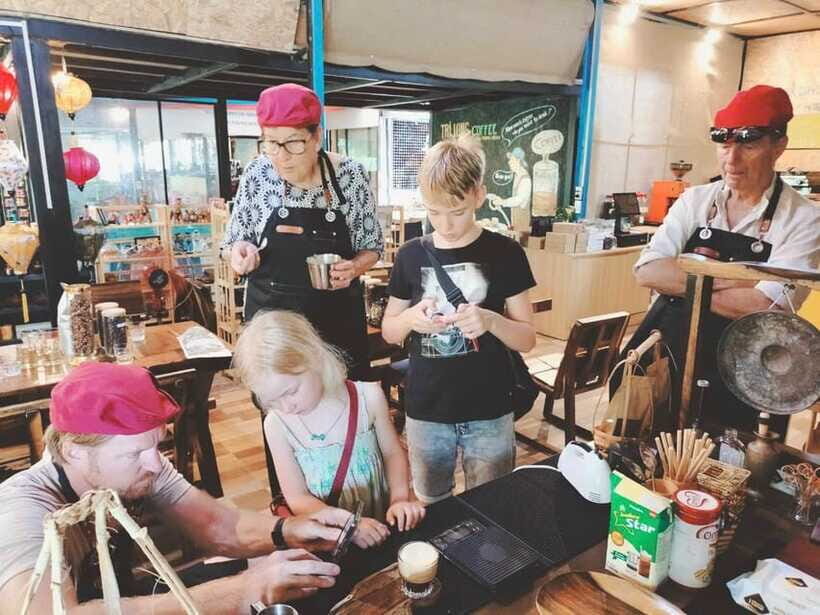
After the roast and Phin foundation, you choose which specialty you want to make. You can pick from egg coffee, coconut coffee, and salt coffee, and you can tailor how many sessions you do (2, 3, or 4 sessions). So you’re not locked into a one-size-fits-all tasting list.
This choice is a smart feature for different travel styles. Want something classic? Make the Phin and egg coffee. Want something tropical? Add coconut coffee. Curious about flavor tricks? Salt coffee gives you a real sensory surprise.
Egg Coffee: Creamy, Dessert-Like, and Not Complicated
Egg coffee is a Vietnamese specialty with a famously smooth texture. In the class, you’ll watch skilled baristas prepare it, and the ingredient logic is clear: coffee plus egg yolks, condensed milk, and sugar, whipped into a creamy blend.
What makes egg coffee fascinating isn’t just the flavor—it’s the texture. The drink feels almost like a dessert version of coffee, yet it’s still anchored by the coffee base. If you like coffee but also like things that feel indulgent, this is often the most satisfying option.




Coconut Coffee: Nutty Sweetness with a Vacation Vibe
Coconut coffee brings a different direction. You’ll learn how coconut gets infused into the drink, adding nutty sweetness and an aromatic, lightly tropical feel.
This is the one I’d recommend if you want a coffee experience that feels lighter and more refreshing. It’s also a great choice if you’re traveling with someone who finds traditional black coffee too intense. Coconut changes the profile, so even if you’re not a strong-coffee person, you might still enjoy the cup.
Salt Coffee: The Flavor Hack That Tames Bitterness
Salt coffee sounds weird until you understand the purpose: a pinch of salt can enhance coffee’s natural flavors and reduce bitterness. In class, you learn the science behind that balance and taste the result.
This is exactly the kind of coffee lesson that makes you look at everyday taste differently. Instead of trying to hide bitterness with extra sweetness, you learn how salt can shift the flavor perception. The drink lands in a more harmonious middle.
If you’re the type who enjoys food experiments—without going full mad scientist—salt coffee is a fun one. It also gives you something practical to remember when you make coffee at home and think it tastes too sharp.
Hands-On Brewing: What You’ll Make, Sip, and Take Home
The heart of the experience is simple: you make the coffee. The class includes a cup you make yourself, plus ingredients and tools, so you’re not hunting around for equipment or specialty items.
In a short, focused lesson, that hands-on time is what turns the information into something you can repeat. You don’t just learn about brewing ratios or methods in theory. You participate, taste, and adjust your understanding in real time.
The class also gives you take-home value. Recipes are provided at the end, so you can recreate the coffee styles later instead of letting it all fade after the trip.
One more practical bonus: there’s often an option to buy beans, and people specifically like that chance because it lets them continue exploring at home. If you liked the roast profile you sampled in class, grabbing beans while you’re in Hoi An can make your first follow-up cup taste much closer to the course.
And if you like comparing flavors, you’ll enjoy how the different specialty drinks behave. Egg coffee pushes creamy sweetness. Coconut coffee leans into nutty aromatics. Salt coffee adjusts bitterness and balance. Together with the Phin method and roast lessons, you end up with a stronger sense of what each ingredient is doing.
Price and Value: Why $22 Can Make Sense
At about $22 per person for 90 minutes, this course can be good value—especially because you’re not just paying for a tour. You’re paying for instruction, tools, ingredients, and a finished coffee you made yourself.
Here’s the value math that matters:
- Short format (90 minutes) means you’re not losing half a day to transportation.
- Included tools and ingredients remove extra costs and makes the class genuinely hands-on.
- English-speaking instructor lowers friction. You get explanations you can follow, not vague gestures.
- You can choose the specialties so your money goes toward the drinks you actually want to learn.
Compared with tastings where you only sip, this feels more like a skill-building workshop. And since you leave with recipes, you’re not just buying a memory—you’re buying a way to keep learning.
The main “trade-off” is also simple: there’s no hotel pickup. If you’re staying a distance away and you’ll spend extra time getting there, that reduces the value slightly. But if you’re already in or near downtown Hoi An, it’s an efficient use of time.
Who Should Book This Coffee Course in Hoi An?
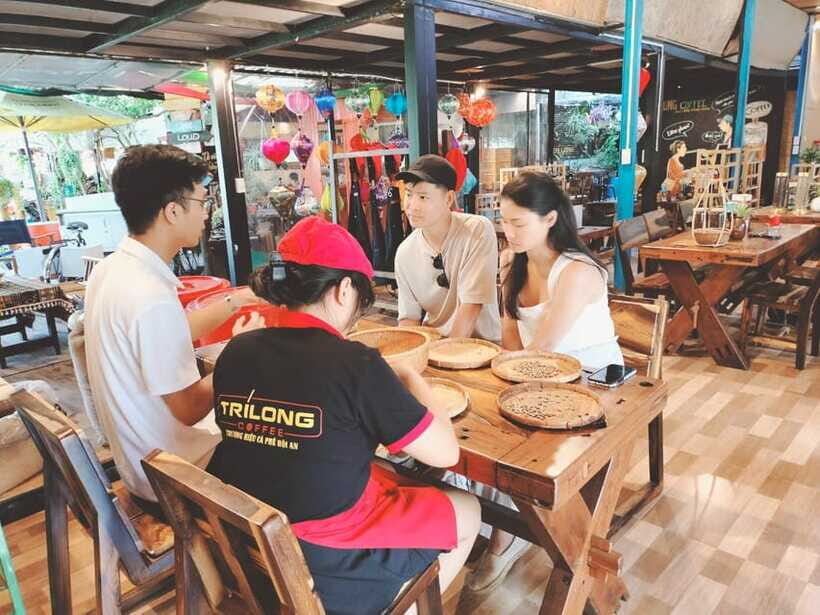
You’ll probably love this if:
- You want a hands-on food-and-drink lesson, not a passive tasting
- You’re curious about why Vietnamese coffee tastes the way it does
- You like learning through making—Phin filter method first, then specialties
It’s also a smart solo activity. You’ll still get an instructor and a class structure, and you’ll leave with something practical: recipes and a better idea of what to order next time.
If you’re a total coffee minimalist who wants only one style—say, only black coffee—this might feel like “too many directions.” Still, you can choose sessions so you’re not forced into flavors you don’t care about. The class format is flexible for that reason.
And if you’re traveling with a group, the option for private setup can help when you want fewer constraints around pacing and choices.
Quick Tips Before You Go (So You Enjoy It More)
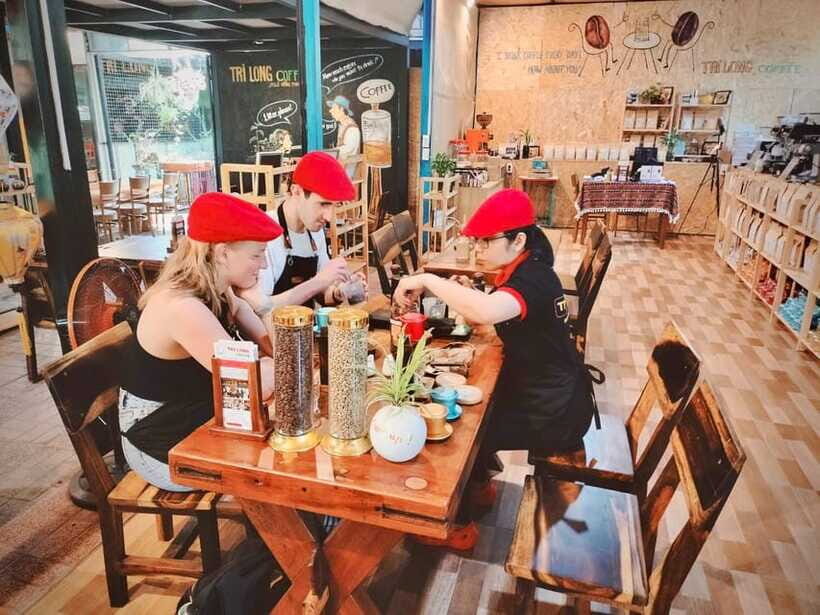
A few small moves make the class smoother:
- Arrive ready to choose. Think ahead about whether you want the egg, coconut, or salt coffee experience most.
- If you like variety, do more sessions. The structure lets you taste and compare, and comparison is where the learning clicks.
- Bring a curious mindset, especially for salt coffee. It’s easier to appreciate once you understand its role in balancing bitterness.
- Plan your trip to Tri Long coffee in advance since there’s no pickup.
Also, if you find yourself addicted to the smell of roasted beans, don’t fight it. Use that energy. Ask questions while you’re still in the moment.
Should You Book Hoi An’s Vietnamese Coffee Making Course?
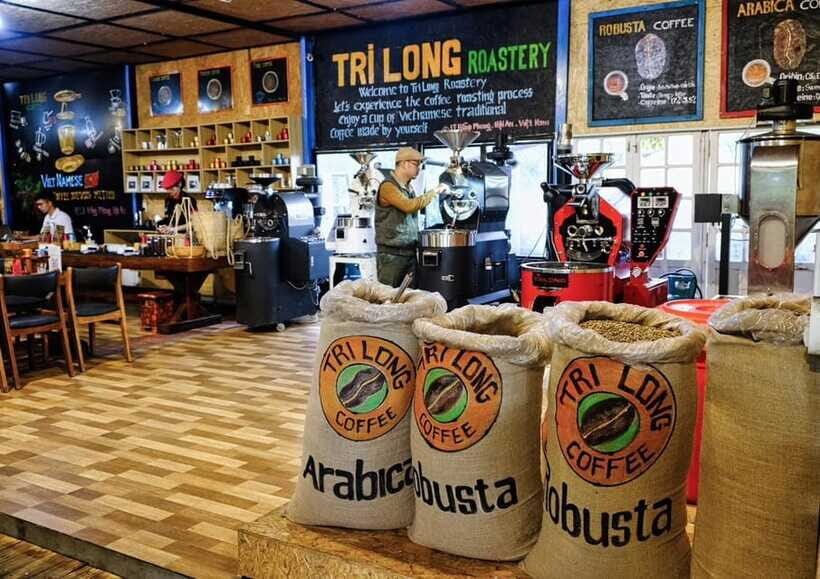
If you want an efficient, practical, and genuinely hands-on way to experience Vietnamese coffee, I’d book this. The combination of roast-level context, Phin filter technique, and specialty choices like egg, coconut, and salt coffee makes the course feel more grounded than a typical tasting.
Skip it only if you’re short on time and hate structured lessons. But if you’re in Hoi An for a few days and you enjoy food and drink that come with real process, this is one of the best ways to spend 90 minutes.
FAQ
How long is the Hoi An Vietnamese coffee making course?
The course lasts 90 minutes.
What kinds of coffee can I learn to make?
You can choose to make Vietnamese Phin filter coffee, egg coffee, coconut coffee, or salt coffee.
Is the instructor able to teach in English?
Yes, the course is taught by an English-speaking instructor.
Where do I meet for the class?
Meet at Tri Long coffee in Hoi An city. The instructor will welcome you there.
What’s included in the price?
Included are a cup of coffee made by yourself, the coffee making course, water, an English-speaking instructor, and the ingredients and tools.
Is a private group option available?
Yes, private group options are available. The class also lets you choose which coffee sessions you want to do.