REVIEW · HOI AN
Hoi An: My Son Ruins: Guide-Bus-Boat-Cultural Show-Lunch
Book on GetYourGuide →Operated by Dung Nga Travelling CO, LTD · Bookable on GetYourGuide
My Son ruins turn Central Vietnam into a time machine. This Hoi An–My Son day trip strings together temple-towers in a valley, a craft stop, lunch, and a Thu Bon River boat ride back toward the Old Town. I like the pace: you get guided history plus hands-on culture (rice paper making and brocade), without feeling rushed.
Two things really land well for me: the guided walk through My Son Sanctuary and the calm contrast of the boat ride after lunch. One thing to plan for: the My Son entrance ticket isn’t included, so budget that extra cost before you go.
In This Review
- Key Highlights to Look For
- Getting From Hoi An to My Son: Morning Timing and Transport That Actually Works
- Electric Car to the Temples: Why the Entrance Phase Feels Less Stressful
- My Son Sanctuary: Temple-Towers, Hindu Roots, and the Valley Setting
- Champa Culture Stops: Shows That Explain What You’re Looking At
- Craft Breaks at My Son Area: Rice Paper at a Local Home and Brocade Weaving
- Lunch at My Son: What You Eat and How to Make It Through the Day
- Thu Bon River Boat Trip: A Quiet Return to Hoi An City
- Price and Value: Why $15 Can Feel Like a Steal (and Where It Isn’t)
- What to Bring, What to Skip, and Weather Reality
- Who This Tour Fits Best (and Who Might Feel It Doesn’t)
- Should You Book This My Son + Hoi An Boat Day Trip?
- FAQ
- How long is the Hoi An to My Son tour?
- What time does hotel pickup start?
- Is lunch included?
- Does the tour include a boat ride?
- Are entrance tickets to My Son included?
- What’s included in the tour besides transport?
- Is this tour wheelchair accessible?
- How big is the group?
- What should I bring?
- Is there an option for people staying in Danang?
Key Highlights to Look For
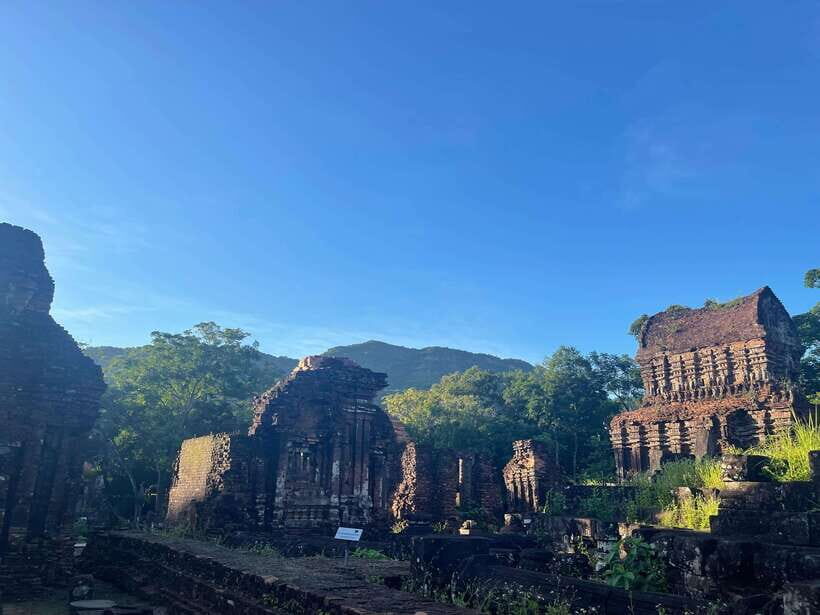
- My Son Sanctuary temple-towers: see the historic Hindu sites in a small valley setting
- Cultural shows: Champa Cultural stop plus an Apsara–Shiva dance performance
- Local crafts: rice paper making at a home and a brocade weaving workshop
- Easy site logistics: an electric car transfer helps you reach the temples comfortably
- Thu Bon River boat trip: return to Hoi An from the water, in daylight
- Small group size (max 14): more time with your English guide and fewer delays
Getting From Hoi An to My Son: Morning Timing and Transport That Actually Works
This is a classic early-day excursion from Hoi An. You get picked up from your hotel area between 7:15 and 7:45 AM (pickup can take up to 30 minutes if your area is spread out). Then you roll out in an air-conditioned vehicle with an English-speaking guide.
The format matters. A small group capped at 14 participants keeps the day from turning into a cattle-car shuffle. When you’re heading to a site that’s part ruins, part walking, and part photo stops, that smaller size helps you keep your footing and your schedule.
You’ll also get some Vietnam context en route—history and culture talk during the drive—so when you arrive, the temples aren’t just “cool old structures.” They’re part of a larger story.
If you’re coming from the Danang area, there’s an extra 270,000 VND one-way transfer fee for pickup. Or, you can join from a meeting point at 684 Hai Ba Trung St., Hoi An at 7:30 AM (the exact plan depends on where you’re staying).
Practical tip: start the day ready for humidity and sun. A sun hat and umbrella aren’t optional in the casual sense—they’re your comfort plan.
You can also read our reviews of more boat tours in Hoi An

Electric Car to the Temples: Why the Entrance Phase Feels Less Stressful
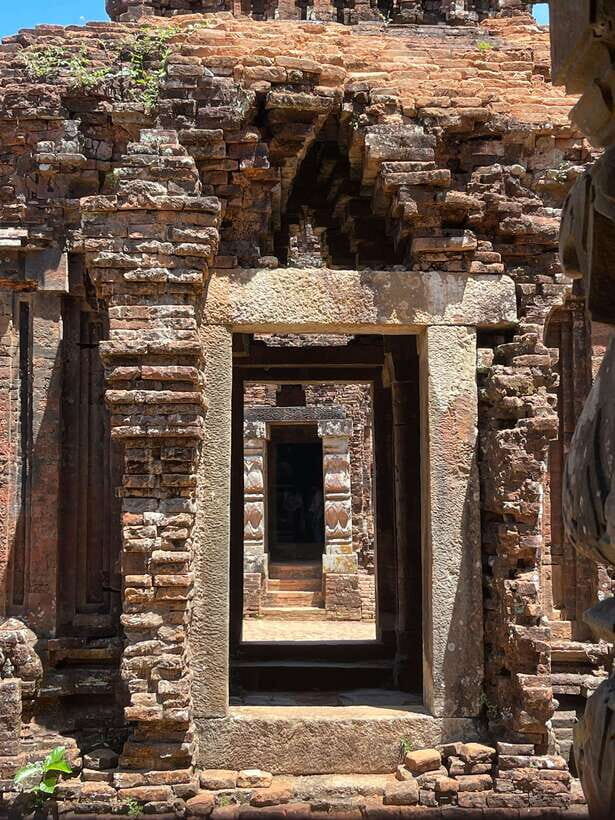
My Son Sanctuary is in a valley, and that setting comes with uneven walking and lots of changing light for photos. Your tour uses an electric car transfer to get you to the temple area, which helps you save energy for the parts that matter: viewing the towers and listening to the guide’s explanations.
Because the group is small and the transport is planned, the first phase of the day feels smoother than the typical “everyone piles out and figures it out” approach you see on some tours.
You’ll also have a guide doing the job of keeping everyone oriented. That’s especially helpful at My Son, where you’re looking at multiple temple towers and structures in one compact area, and it’s easy to lose track of what you’re seeing.
For comfort, wear comfortable shoes. You’ll be on your feet and on uneven ground in places, and you don’t want to spend your time thinking about your feet instead of the site.
My Son Sanctuary: Temple-Towers, Hindu Roots, and the Valley Setting
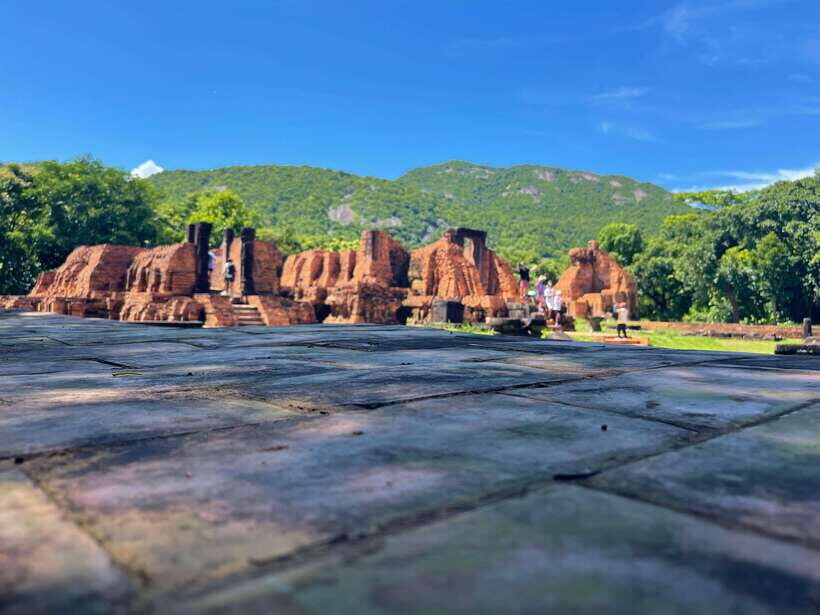
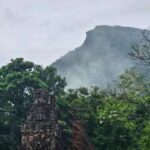
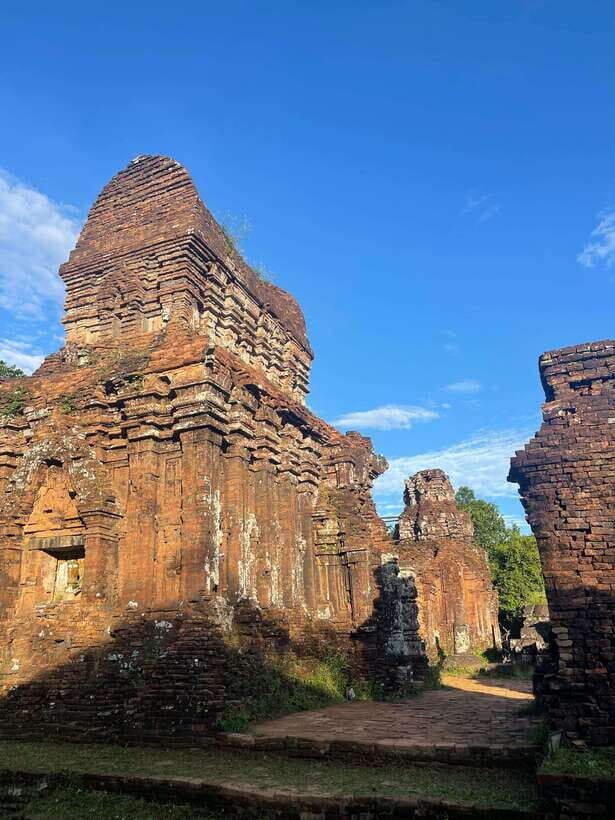
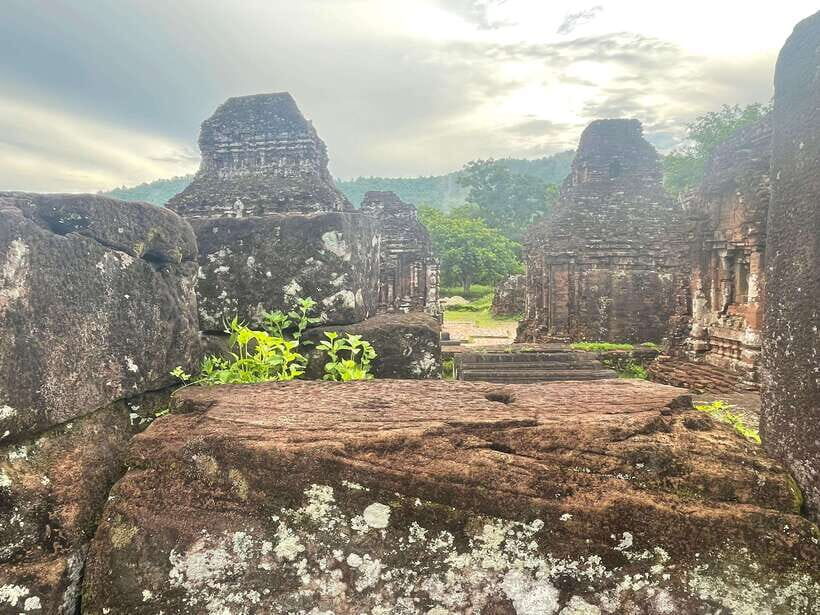
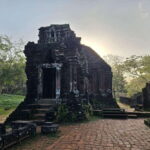
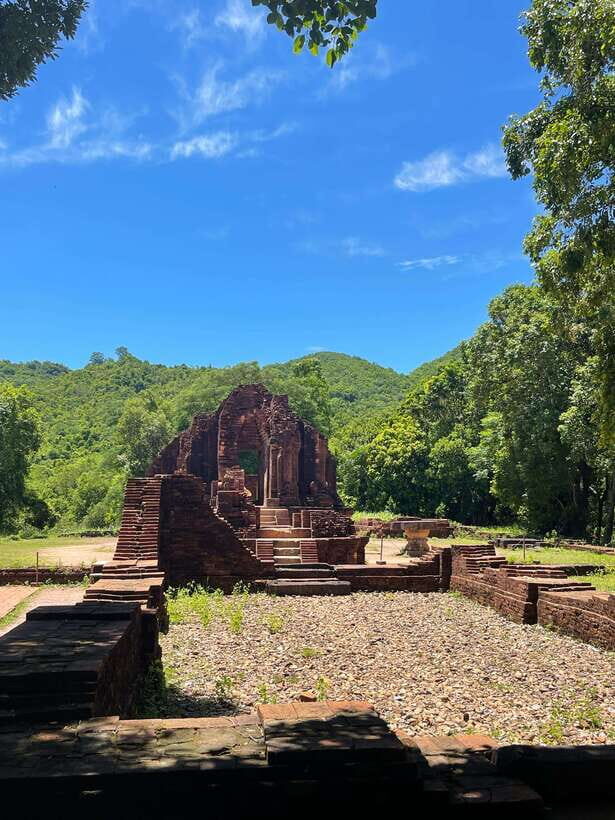
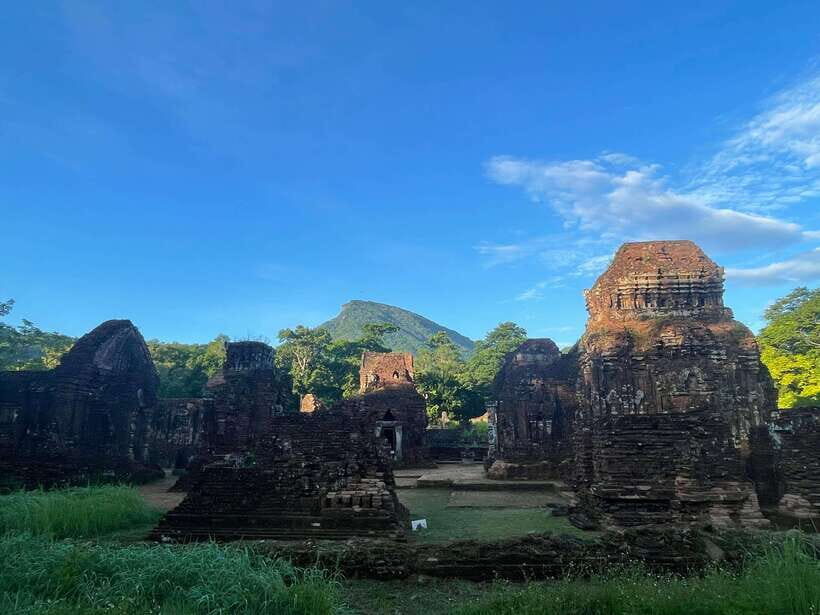
Now for the main event: My Son Sanctuary. This UNESCO-listed site is widely considered one of the most ancient Hindu temple clusters in Asia. The best part isn’t just what you see—it’s what your guide connects it to.
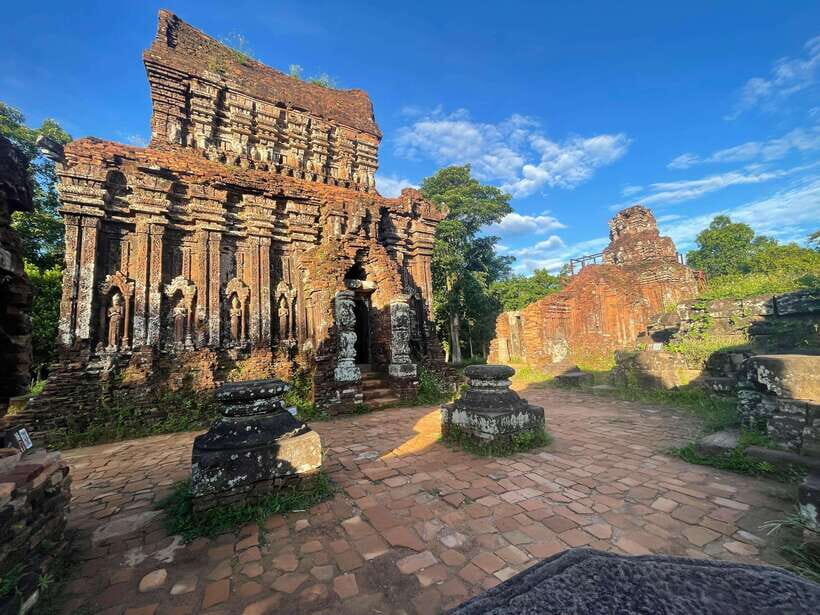
You’ll explore the historic temple-towers, with your guide explaining how the site fits into Vietnamese and Champa-era cultural life. My Son isn’t presented here as some sealed-off museum stop. It’s treated as a living cultural landscape that people have rediscovered, restored, and studied over time.
One detail I’d pay attention to in your guide’s story: My Son was hidden for centuries and only returned to wider attention after the French rediscovered it. That “how did a whole sacred complex vanish and then reappear?” arc makes the ruins feel more real.
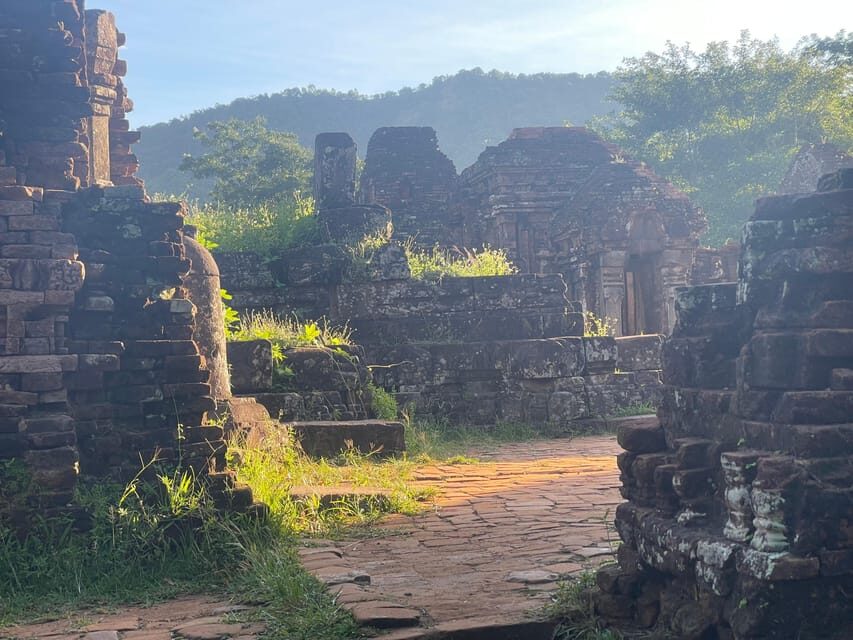
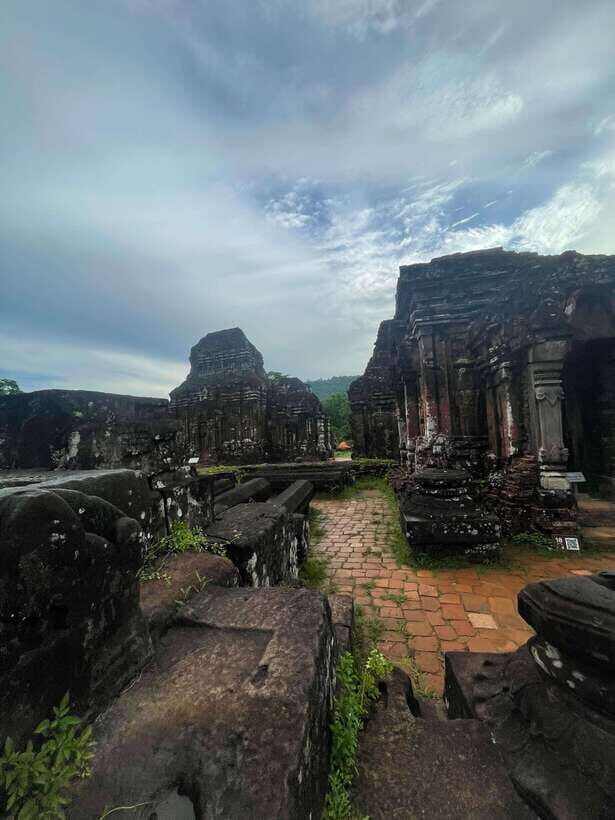
The valley location also changes your experience minute to minute. When the light shifts, the brickwork and tower shapes look different—more dramatic up close, more atmospheric from certain angles. If you get a bit of drizzle, don’t panic. One day with light rain still leaves plenty to enjoy; just keep your camera protected and watch your footing.
Photography tip: go for variety. You’ll likely be shown the best viewing spots, but even without a fancy camera, you can get strong results by changing your distance and angle—wide shots for the temple grouping, close-ups for details.
Champa Culture Stops: Shows That Explain What You’re Looking At
This tour builds in cultural performances so you’re not just looking at stone without context.
You may catch a Champa Cultural show along the way to My Son. The idea is simple: before you get surrounded by the towers, you get a taste of the performance traditions tied to the culture that built the sanctuary.
Then, at some point during the day, you’ll watch an Apsara–Shiva dance show. It’s a focused way to understand the symbolism behind the site’s religious connections. Even if dance isn’t usually your “thing,” this pairing works because it gives your brain an alternate entry point. You’re not only learning with facts; you’re learning with movement and story.
If you’re deciding what to prioritize in a day trip like this, I’d treat the show as part of the “meaning,” not entertainment time filler. It helps you interpret what you’re seeing back at the ruins—especially when your guide is explaining themes of worship and devotion.
Craft Breaks at My Son Area: Rice Paper at a Local Home and Brocade Weaving
If My Son is the big attraction, the craft stops are what make the day feel personal.
One of the most memorable included activities is rice paper making at a local home. This is a quick but real glimpse into a daily food tradition that many people in Vietnam grow up around. You’ll see how rice paper is made, and you’ll understand that it’s not just something you buy at a shop—it’s a process.
You might also have a moment to interact in a simple way during this stop, like feeding koi fish that gather around local areas (if the conditions allow). Don’t assume it every day, but this kind of small, casual moment is exactly why the activity matters.
Then there’s brocade weaving. The tour describes a stop at a brocade workshop located in the jungle area. Even if you’re not buying anything, watching the weaving process can reset your understanding of “souvenir.” Brocade is labor-heavy. The time and skill behind it makes the finished fabric feel earned rather than mass-produced.
For me, this is the best kind of cultural add-on: it’s short, structured, and you actually leave with the sense that you learned something practical about Vietnamese craft life.
You can also read our reviews of more guided tours in Hoi An
Lunch at My Son: What You Eat and How to Make It Through the Day
Lunch is included at a restaurant in My Son, served after you’ve explored the sanctuary and taken your photos.
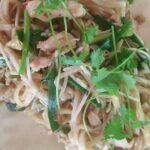
The meal is rice-noodles with options such as chicken, pork, shrimp, or a vegetarian choice. You’ll also get things like spring rolls and dessert. Drinks include tea with lunch and bottled water.
This matters because it sets you up for the next section of the day: the ride back and the river time. You’re not left hunting for food or guessing what’s open. You can focus on enjoying the sites rather than solving logistics.
If you’re sensitive to spice, tell your guide before lunch. The tour provides set menu items, so it helps to have any dietary preferences clearly communicated early. For most people, the included options should cover common needs.
Thu Bon River Boat Trip: A Quiet Return to Hoi An City
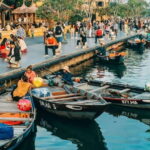
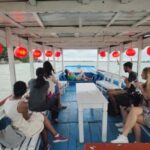
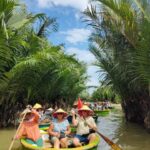
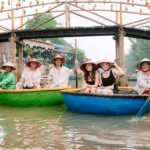
After lunch, you head back toward Hoi An. This is where the day shifts tone: instead of more ruins and walking, you get a boat trip on the Thu Bon River back toward the city.
This is a smart design choice. Boats break up travel fatigue. They also give you a different perspective on the area around Hoi An—daytime views from the water help you connect what you saw earlier with what you’ll see in town later.
The boat ride is also a nice buffer if the morning was humid or if you got a little drizzle. Sitting for a bit, looking out, and letting the scenery move past you is restorative.
Once you finish the boat portion, you’ll return by mini van to your hotel, ending the tour.
Price and Value: Why $15 Can Feel Like a Steal (and Where It Isn’t)
At around $15 per person for a 6-hour guided day, this tour can feel like good value—especially because it bundles transport, an English guide, lunch, a boat trip, and multiple cultural activities.
Here’s what drives the value:
- Guide + small group: you’re not paying only for a driver
- Electric car transfer: the site access is handled
- Lunch included: rice-noodles lunch with multiple protein options
- Boat included: the Thu Bon segment is a real highlight, not a short photo stop
- Craft activities: rice paper making plus brocade weaving are additional experience layers
Where value isn’t fully “all-in”:
- My Son entrance ticket is not included, so your real total will be a bit higher once you add that cost.
If you’re comparing day trips from Hoi An, this one stays competitive because it doesn’t force you to choose between “history” and “fun.” You get both, and the day is organized enough that you don’t spend time coordinating.
What to Bring, What to Skip, and Weather Reality
This tour has a simple packing list:
- Sun hat
- Umbrella
- Camera
Add to that: comfortable shoes for uneven ground around the sanctuary.
What’s not allowed includes bikes, alcohol and drugs, and baby carriages. If you rely on one of these, you’ll need an alternate plan.
Weather-wise, you can’t control the day. Light drizzle happened on at least one tour day. When it rains lightly, temples are still there. Just keep your camera gear protected and don’t wear slippery shoes.
Who This Tour Fits Best (and Who Might Feel It Doesn’t)
This is a good fit if you want:
- A single-day My Son plan without complicated scheduling
- A guided explanation of My Son Sanctuary plus cultural performances
- Craft stops you can see and talk about in plain language
- A relaxed ending via Thu Bon boat ride
It’s also helpful for people who prefer comfort:
- Wheelchair accessible is listed as supported
- Electric car transfer reduces the hardest approach parts of the day
It’s not suitable for babies under 1 year or for people over 95 years, based on the tour’s stated guidelines.
If you’re traveling solo, this still works because the small group and guide keep you from feeling isolated. If you’re with friends, the cap of 14 means you can still chat and compare photos without feeling lost in a huge group.
Should You Book This My Son + Hoi An Boat Day Trip?
I’d book it if you’re staying in Hoi An and you want a structured, efficient day that hits the best-known My Son experience plus two bonus culture elements: rice paper making and brocade weaving, followed by the Thu Bon River by boat.
I would pause and double-check if you’re mainly a “photo only” visitor. You’ll still see the ruins, but the value is in the guide-led meaning and the cultural stops. Also remember to budget for the My Son entrance ticket, since it’s separate.
If you like tours that balance history, food, and one real scenic ride back to town, this one makes a lot of sense for a first visit to My Son from Hoi An.
FAQ
How long is the Hoi An to My Son tour?
It runs for 6 hours.
What time does hotel pickup start?
Pickup is in the 7:15–7:45 AM window in the Hoi An area. Pickup can take up to 30 minutes.
Is lunch included?
Yes. Lunch at a restaurant in My Son includes rice-noodles with choices like chicken, pork, shrimp, or vegetarian, plus dessert.
Does the tour include a boat ride?
Yes. There’s a boat trip on the Thu Bon River back toward Hoi An.
Are entrance tickets to My Son included?
No. The My Son entrance ticket is not included.
What’s included in the tour besides transport?
You get an English-speaking guide, air-conditioned vehicle, lunch, tea and bottled water, electric car transfer to the temples, boat ride, rice paper making, and stops including brocade weaving and cultural shows.
Is this tour wheelchair accessible?
Yes, wheelchair accessibility is listed as supported.
How big is the group?
The tour is limited to 14 participants.
What should I bring?
Bring a sun hat, umbrella, and camera. Comfortable shoes are also recommended.
Is there an option for people staying in Danang?
Yes. If you’re staying in the Danang area, there’s an additional 270,000 VND one-way transfer fee, or you can join from a meeting point at 684 Hai Ba Trung St., Hoi An at 7:30 AM.