REVIEW · HOI AN
Hoi An: Half-Day Heritage Walking Tour
Book on GetYourGuide →Operated by Hoi An Express · Bookable on GetYourGuide
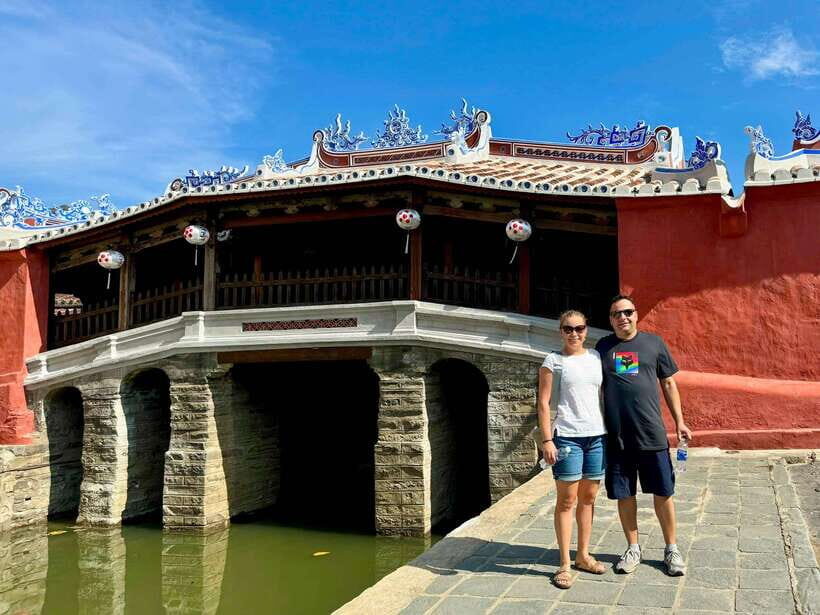
Hoi An rewards slow walking. This half-day route strings together the town’s Chinese, Japanese, and Vietnamese influences in an easy on-foot loop, with the Japanese Covered Bridge as a centerpiece and ancient houses that show how cultures mixed over centuries. I particularly like how the stops feel practical to see in one morning or afternoon.
I also love the push into everyday Hoi An at the Hoi An Market, where you get a guided look at local shopping and snack culture rather than only postcard views. One thing to consider: the experience can run shorter or feel more about scheduled stops (including an arts show and a flavor stop) than a strict history-only walk, so you’ll want to be okay with some pacing and variety.
In This Review
- Key highlights worth planning for
- A Practical Way to See Hoi An’s Chinese, Japanese, and Vietnamese Layers
- Pickup, Walking Time, and What 4 Hours Really Feels Like
- Hoi An Market Stop: Smells, Snacks, and How to Read a Stall
- Fujian Assembly Hall: A Quiet Lesson in Chinese Influence
- Traditional Art Performance Theatre: Culture Moment With a Timing Trade-off
- Hoi An Folk Museum and the Ancient Houses (Tan Ky Included)
- From the Japanese Covered Bridge to Everyday Faith
- Mót Hội An Herb Drink and Street Food: Quick Fuel Between Sights
- Price and Logistics: Is $33 Good Value?
- Rain, Heat, and Shoe Advice for This Route
- Who This Tour Fits Best
- Should You Book This Walking Tour?
- FAQ
- How long is the Hoi An half-day heritage walking tour?
- What’s included in the price?
- Is hotel pickup included, and where does it cover?
- What places will I visit?
- What language is the tour guide?
- What’s the cancellation policy?
Key highlights worth planning for
- Japanese Covered Bridge as your must-see photo and orientation point
- Hoi An Market walk focused on local flavor, stalls, and street-level reality
- Fujian Assembly Hall and other heritage buildings showing cross-cultural design
- Tan Ky Old House and other ancient houses that make architecture feel personal
- Traditional art performance theatre as a culture moment with a time trade-off
- Herb drink and local snacks stop for a quick, guided taste break
A Practical Way to See Hoi An’s Chinese, Japanese, and Vietnamese Layers
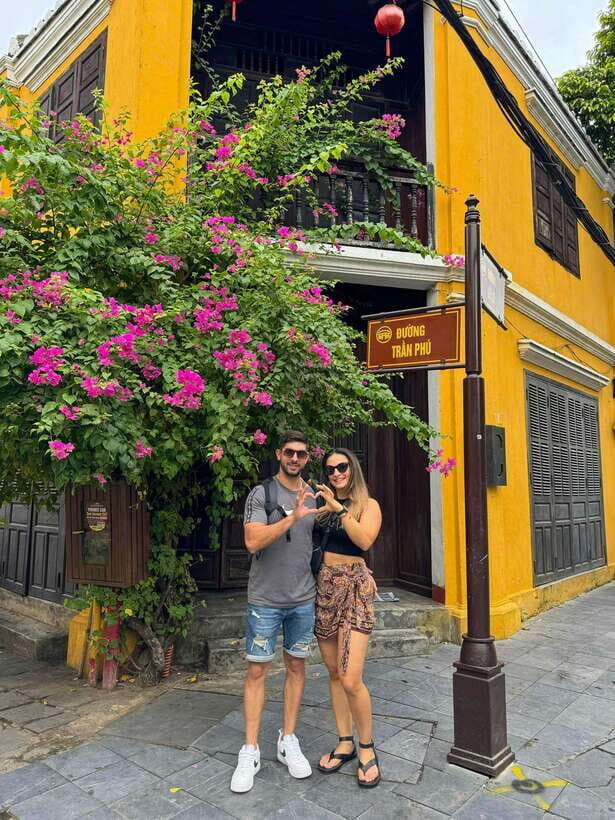
Hoi An works best when you slow down and look at details. This tour is built for that, using short walks between heritage buildings that reflect Chinese, Japanese, and Vietnamese styles side by side. You stop often enough to explain what you’re seeing, but you’re not stuck in a bus the whole time.
The best part is how the town’s mix becomes visible fast. Assembly halls, old merchant houses, and landmark bridges all tell the same story: this was a trading port, and the buildings show the connections.
You can also read our reviews of more walking tours in Hoi An



Pickup, Walking Time, and What 4 Hours Really Feels Like

The tour is listed as about 4 hours, with hotel pickup and drop-off in Hoi An City Center (but not the South Hoi An area). There’s also a bit of bus/coach time—think of it as getting you to the start and then moving you between clusters—so the walk is concentrated in the old-town core.
In a perfect world, that 4-hour window gives you a calm pace. The schedule includes time at the market, a couple of heritage interiors, and a traditional performance stop, plus a snack/flavor moment. On some days, timing can run tighter than advertised, so if you’re on a strict itinerary, I’d treat the 4 hours as a guide, not a guarantee.
Hoi An Market Stop: Smells, Snacks, and How to Read a Stall

One of the smartest parts of this tour is starting with the Hoi An Market. A guided walk through a busy market helps you understand what you’re looking at—ingredients, daily goods, and the small rhythms of buying and selling. It’s not just photo time; it’s the kind of stop where you learn the logic behind what locals use.
You’ll spend about 35 minutes here, which is long enough to move at walking speed, ask questions, and taste if you want. A key practical tip: wear clothes you don’t mind getting dusted with street life, and bring patience for crowds. Markets are where you’ll see the real Hoi An that doesn’t wait for tourists.
Fujian Assembly Hall: A Quiet Lesson in Chinese Influence
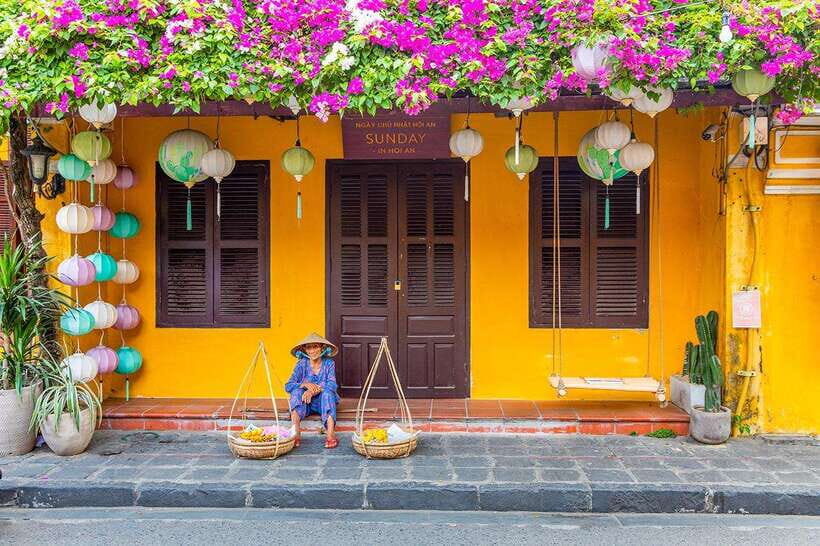
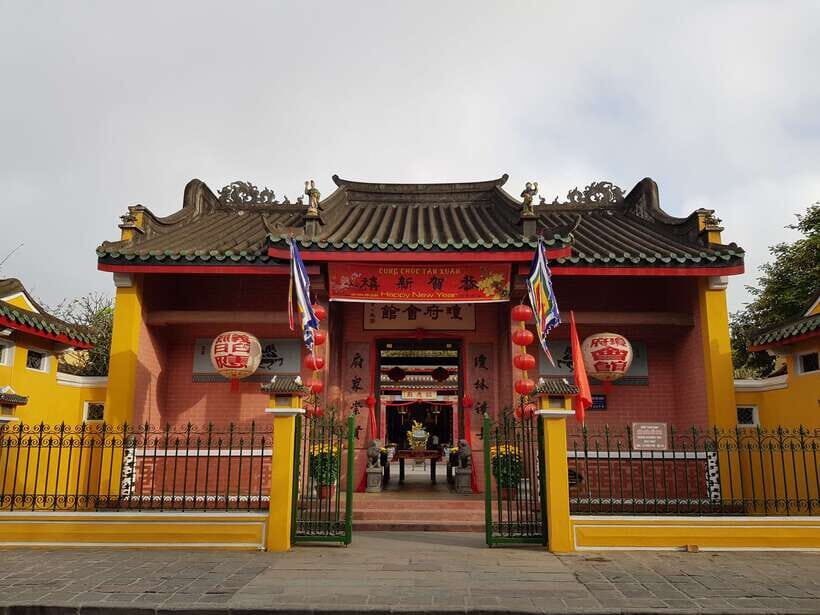
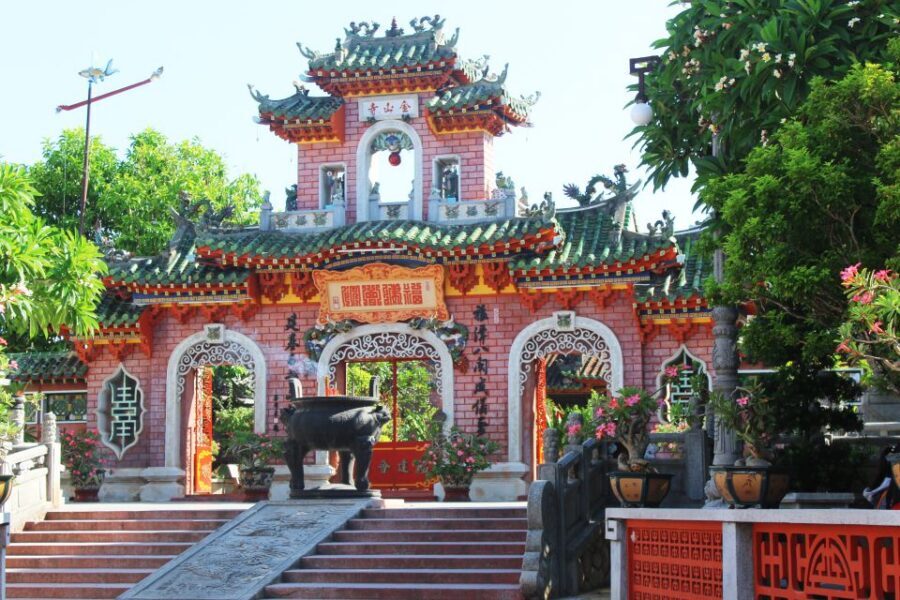
Next comes the Fujian Assembly Hall, one of the classic heritage stops for understanding Hoi An’s Chinese influence. These halls weren’t just pretty buildings; they were social and cultural centers for immigrant communities. That context matters, because once you know why these places existed, the architecture starts to make sense.
You’ll have about 20 minutes there, with guided explanation and time to look around. The best way to get value in that window is simple: slow down at doorways, carved details, and the way the buildings are laid out. Even if you don’t read every inscription, you’ll feel the craftsmanship and the purpose.
Traditional Art Performance Theatre: Culture Moment With a Timing Trade-off
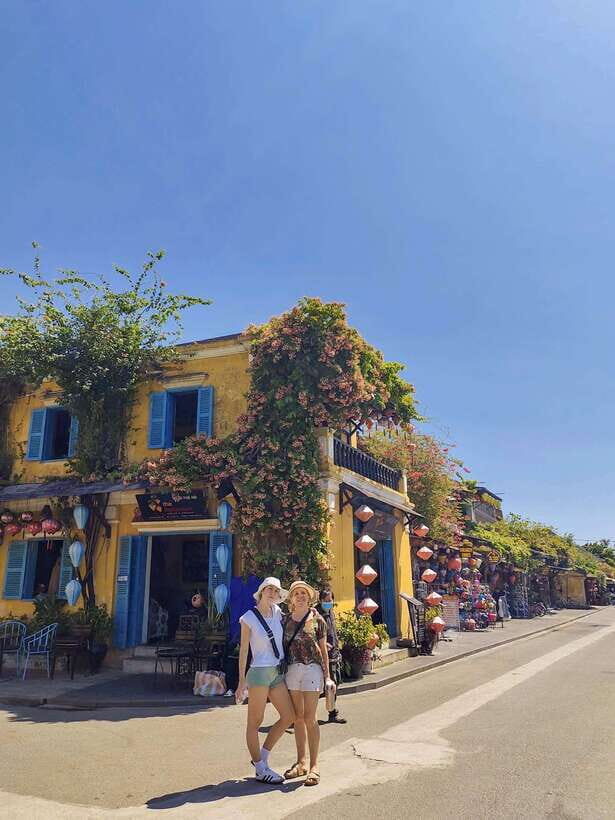
The tour includes a stop at the Hoi An Traditional Art Performance Theatre, with about 40 minutes for the visit and a dance show. This is one of those choices that can go either way depending on what you want from the tour.
If you like culture beyond buildings, it’s a good add-on. If your goal is purely history and architecture, the show can feel like it takes time you’d rather spend walking and learning street details. Either way, I’d see it as a taste of how heritage isn’t frozen in time—it’s performed, taught, and still part of community life.
You can also read our reviews of more historical tours in Hoi An





Hoi An Folk Museum and the Ancient Houses (Tan Ky Included)

After the performance, you’ll move into another heritage learning mode: museum-style interpretation and then private-house architecture. The schedule includes a folk museum stop (about 15 minutes) and then visits to important ancient homes, including the Old House of Tan Ky.
The Old House of Tan Ky is the kind of stop that rewards careful looking. These merchant houses show how families lived and prospered, and they often reveal how different cultural elements blended into the daily design of the home. You’ll get guided context (about 20 minutes), which is helpful because houses like this can look similar from the outside until someone explains what to notice.
Short museum and house stops also work for energy management. You’re not spending all day in one room, and you keep returning to the streets with new context. That pacing can be great if you’re traveling with people who get tired easily.
From the Japanese Covered Bridge to Everyday Faith
The tour saves one of the biggest icons for near the end: the Japanese Covered Bridge. Expect about 15 minutes for guided visit, sightseeing, and walking around. This is a photo magnet, yes, but it’s also a strong orientation point: the bridge sits at a crossroads where Hoi An’s trading identity becomes visible in stone and timber.
From there, you’ll also pass by a church related to Hội Thánh Tin Lành Việt Nam – Chi Hội Hội An. Even though the stop is brief, it adds a useful reminder: Hoi An isn’t only a preserved set piece. It’s still a living town with religious buildings and active communities.
Mót Hội An Herb Drink and Street Food: Quick Fuel Between Sights
You’ll have a quick stop at Mót Hội An – Nước Thảo Mộc Sả Chanh, which is tied to local snacks and a street-food style tasting moment (about 10 minutes). This is meant to keep you energized while you bounce between heritage sites.
Here’s the practical mindset: treat it as a chance to try a local flavor, not a full meal plan. Since the tour includes bottled water but does not spell out personal food costs, it’s wise to expect that only some items may be included and others might be extra. If you have dietary concerns, ask the guide what’s part of the tasting versus what you’d pay for separately.
Price and Logistics: Is $33 Good Value?
At $33 per person for about 4 hours, the value depends on two things: what you get out of a guided pace and how efficiently the tour hits its planned stops. The tour includes entrance fees, bottled drinking water, transfer/transportation, and an English-speaking guide (plus travel insurance). Those add-ons matter because you’re not just paying for walking—you’re paying for access and interpretation.
The strongest indicator of value is guide quality. This tour can shine when your guide is attentive and clear. In particular, there are guides like Emily, who was described as very attentive with an elderly mom, and Phan, who was praised for being punctual and giving clear, complete explanations while answering questions. That kind of guiding turns architecture from scenery into learning.
One caution to keep in your head: some people felt the tour ran shorter than expected, and another person felt a couple of stops leaned more commercial than historical. That doesn’t mean every day is like that, but it does suggest you should book with flexibility and be ready to enjoy variety.
Rain, Heat, and Shoe Advice for This Route
Hoi An can be unpredictable, and rain doesn’t stop this kind of old-town walking. One guided experience was still enjoyable even in the rain, which tells me this route is designed to keep moving and not cancel just because the weather changes. Still, you’ll want practical gear.
Bring comfortable shoes with grip. The streets around heritage zones can be slick when it’s wet, and you’ll be on your feet for multiple short stretches. A light rain jacket or compact umbrella helps too, because heritage stops often require short walks even between indoor spaces.
Heat and humidity can also turn a “quick walk” into effort. If you run hot, take the water provided, and don’t be shy about asking the guide for a slower pace.
Who This Tour Fits Best
This is a strong match if you want a guided way to see why Hoi An looks the way it does. You’ll like it if you enjoy architecture details, cross-cultural influence, and small cultural stops like a performance show.
It also works well for visitors who don’t want to plan routes alone—especially since the tour includes entrance fees and an English guide. If you’re traveling with someone who appreciates a slower pace (or someone with limited mobility), having an attentive guide can make a real difference; that’s been highlighted by people who needed extra care.
If your ideal day is pure history with minimal distraction, you may find parts of the schedule less aligned with that goal. In that case, you’ll still get the key icons and houses, but your expectations should include a bit of variety.
Should You Book This Walking Tour?
Yes, if you want an efficient way to see Hoi An’s most meaningful heritage highlights in one go—especially the Japanese Covered Bridge, Fujian Assembly Hall, and Tan Ky-style ancient-house stops—while also getting a guided look at daily life in and around the Hoi An Market.
Skip or adjust expectations if you hate non-history stops. Because the schedule includes an art show and a quick street-snack moment, this isn’t a museum-only route. And if timing is tight in your travel plan, ask the operator how the 4-hour plan usually runs on your specific day.
FAQ
How long is the Hoi An half-day heritage walking tour?
The tour lasts about 4 hours.
What’s included in the price?
The price includes transfer and transportation, entrance fees, bottled drinking water, an English-speaking tour guide (other languages available on request with a surcharge), and travel insurance.
Is hotel pickup included, and where does it cover?
Hotel pickup and drop-off are included in Hoi An City Center, except South Hoi An.
What places will I visit?
You’ll visit stops such as the Hoi An Market, Fujian Assembly Hall, Hoi An Traditional Art Performance Theatre, the folk museum, Old House of Tan Ky, Mót Hội An (for local snacks), the Japanese Covered Bridge, and you’ll pass by Hội Thánh Tin Lành Việt Nam – Chi Hội Hội An.
What language is the tour guide?
The tour is offered in English. Other languages may be available on request with a surcharge.
What’s the cancellation policy?
You can cancel up to 24 hours in advance for a full refund.