REVIEW · HOI AN
Da Nang: Half-day Hoi An Heritage Walk
Book on GetYourGuide →Operated by Hoi An Express · Bookable on GetYourGuide
Hoi An feels like time slowed down. This half-day walk connects Vietnamese, Chinese, and Japanese influences right where you can see them—on streets, doorways, and courtyards. I like the way the tour builds a clear picture fast, especially around the Japanese Covered Bridge and the town’s preserved old-house areas.
Two things I really like: you get a proper stop at the Hoi An Market (not just a quick glance), and you also spend time inside the town’s story-carrying buildings, from assembly halls to old homes. There’s a guided rhythm too, so you don’t spend the whole time guessing what you’re looking at.
The only drawback is simple: Hoi An gets busy, and it’s still a half-day. If you want hours of wandering at your own pace, plan to come back later—especially if the weather is nice.
In This Review
- Key points worth knowing
- Hoi An on Foot: Why This Half-Day Format Works
- The Cultural Mix You’ll Notice in Every Direction
- Stop-by-Stop: From Market Snacks to Tan Ky to the Covered Bridge
- Pickup and getting oriented in Da Nang
- Hoi An Market (about 30 minutes)
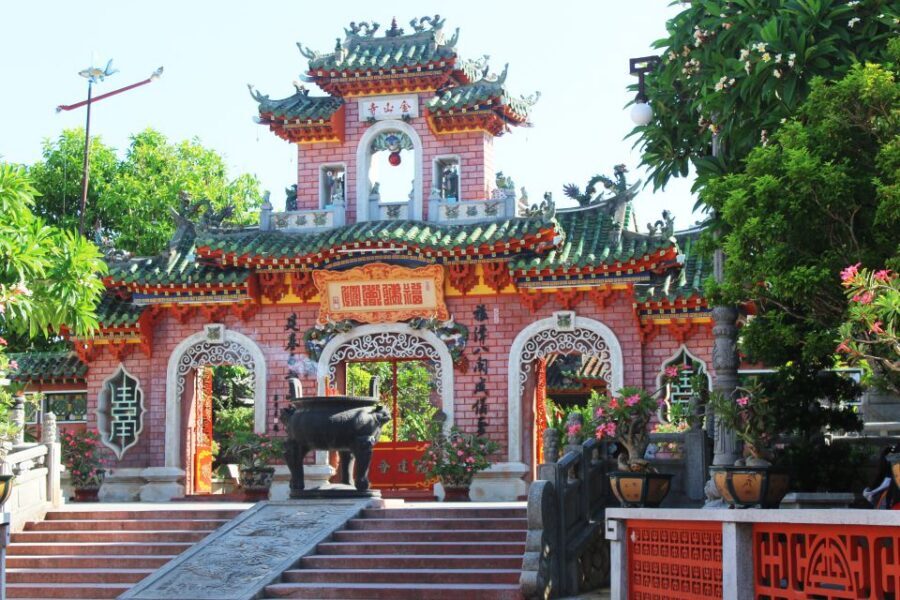
- Fujian Assembly Hall (about 20 minutes)
- Traditional dance show (about 40 minutes)
- Hoi An Folk Museum (about 15 minutes)
- Old House of Tan Ky (about 25 minutes)
- Japanese Covered Bridge (about 20 minutes)
- One more short photo-and-walk block (about 15 minutes)
- Back to Da Nang
- What to Look For on the Streets (Beyond the Big Names)
- Price and Value: Is $42 a Good Deal for This 5-Hour Walk?
- Who This Walk Fits Best (And Who Might Want More Time Elsewhere)
- Should You Book Hoi An Express’s Half-Day Heritage Walk?
- FAQ
- How long is the Hoi An Heritage Walk?
- Where does pickup happen?
- Is the guide English-speaking?
- What’s included in the tour price?
- Are there age limits?
- What if I need to cancel?
Key points worth knowing

- Japanese Covered Bridge stop with a guided explanation so your photos make more sense
- Fujian Assembly Hall photo-and-walk time focused on Chinese-influenced architecture
- Hoi An Market visit built in for local flavors and everyday street life
- Traditional dance show included, so the tour isn’t only buildings and photos
- Ancient houses like Tan Ky with enough time to look closely, not just pass by
- Hotel pickup in Da Nang City Center (excluding Son Tra Peninsula), which saves you hassle
Hoi An on Foot: Why This Half-Day Format Works

Hoi An Ancient Town is small enough that walking feels natural. But it’s also easy to get turned around if you’re following signs without context. On this tour, the walking pace feels intentional, with short guided stops and enough time at each place to actually look.
I like that the tour isn’t only about famous landmarks. You also get time for the in-between stuff—older streets, house fronts, and the small details that make Hoi An feel lived-in, not staged.
And yes, you’ll be in a popular tourist zone. That’s not a deal-breaker; it’s just why having a guide matters. You’ll move through faster, with less confusion, and you’ll know what to focus on.
You can also read our reviews of more walking tours in Hoi An



The Cultural Mix You’ll Notice in Every Direction

Hoi An’s big charm is the way cultures overlap in the built environment. You can see it in the architecture and in the overall “feel” of the place—Vietnamese life, Chinese influence in community buildings, and Japanese touches in key landmarks.
The tour highlights this cross-cultural mix through stops tied to specific styles. You’ll visit places shaped by Chinese culture, then jump to the Japanese Covered Bridge, and you’ll also see examples of mixed influences that go beyond one single tradition.
One detail I’d keep an eye out for: the town’s older houses often feature windflower trellises. It’s a small thing, but it’s the kind of visual clue that makes you understand the town isn’t just preserved stone—it’s still part of everyday routines.
Stop-by-Stop: From Market Snacks to Tan Ky to the Covered Bridge
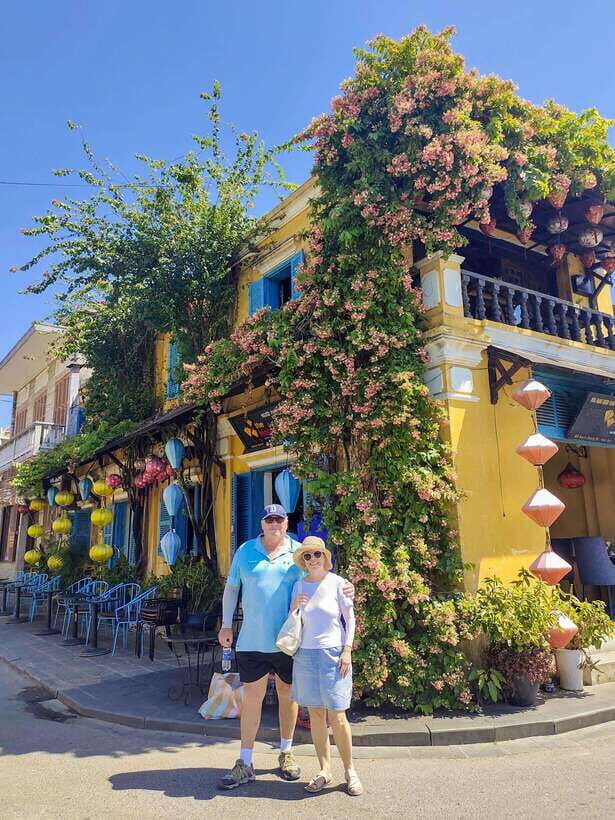
This walk runs about 5 hours and follows a logical route through the parts of Hoi An that tell the story best. The timings aren’t random either; the longer blocks are where you need a bit more time to look, learn, and recover from walking in warm weather.
Pickup and getting oriented in Da Nang
You’ll start with pickup from your hotel in Da Nang City Center. One practical note: pickup doesn’t include the Son Tra Peninsula, so if you’re staying there, you’ll need to double-check meeting logistics with the provider.
From there, you’ll head into Hoi An with transportation arranged as part of the itinerary. That’s a big value point for a half-day plan—less travel friction means more actual sightseeing.
Hoi An Market (about 30 minutes)
This is your first “you’re here for real life” stop. At the Hoi An Market, you’ll have a photo pause and guided time to see what locals are doing day to day, not just what tourists buy.
What you’ll like here is the sense of texture: stalls, movement, and the kind of local energy that makes the rest of the ancient town feel more grounded. You’ll also be walking, so it’s a good stop to stretch your legs before moving into slower, more architectural sights.
You can also read our reviews of more historical tours in Hoi An






Fujian Assembly Hall (about 20 minutes)
Next up is a Chinese-influenced stop, the Fujian Assembly Hall. Assembly halls matter in Hoi An because they reflect how community groups organized themselves and how cultural links showed up in public buildings.
In your guided walk time, you’ll get a better sense of what you’re looking at—especially any decorative and structural elements that look different from the Vietnamese residential houses. Even if you’re not a “details person,” the guide helps you notice what’s meaningful.
Traditional dance show (about 40 minutes)
This is one of the most useful inclusions in the whole tour. Buildings are great, but they can blur together if you only look at architecture for hours.
The traditional dance show gives you a reset. It also adds a performance lens, so you understand that heritage in Hoi An isn’t only about old wood and brick. It’s also living culture—something meant to be watched, not just photographed.
Hoi An Folk Museum (about 15 minutes)
The stop at the Hoi An folk museum is shorter by design. Think of it as a guided primer that gives you context before you move into the town’s famous older homes.
If you’re trying to learn quickly, this is the kind of stop that pays off later, because it gives you interpretive hooks. You’ll look at the next houses with better questions in mind.
Old House of Tan Ky (about 25 minutes)
Now you get to one of the star locations: the Old House of Tan Ky. This is where the architecture starts feeling personal—because an old home tells you how people lived, not just how they built.
The key value here is the guided visit time. Instead of walking up, taking a quick picture, and moving on, you’ll get time to look and understand why certain features were important. You’ll also have a photo stop, which helps you capture what you’d miss if you were rushing.
Japanese Covered Bridge (about 20 minutes)
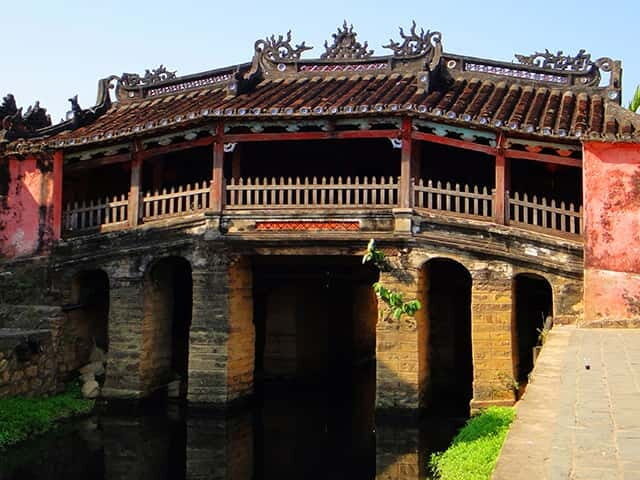
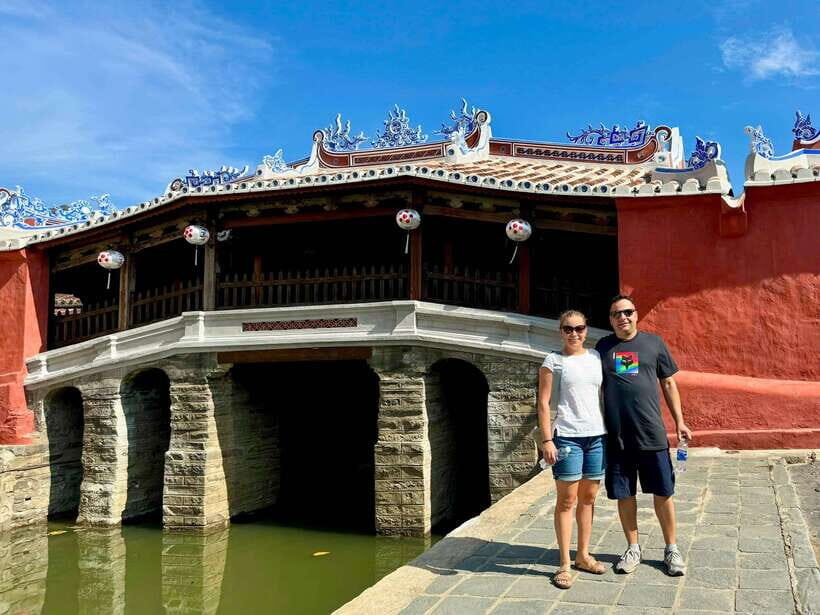
Then comes the landmark most people come for: the Japanese Covered Bridge. This stop is built as a photo-and-visit moment, so you can frame it properly and still get the cultural context behind it.
I like that you don’t just arrive at the bridge and move on. A guide helps you connect what you see back to the larger Japanese presence in the town’s historic fabric.
One more short photo-and-walk block (about 15 minutes)
There’s also an additional shorter stop later in the walk that includes guided tour and sightseeing with a photo pause. Since it’s part of the guided flow, it functions as a catch-up moment—extra context and another set of sights to keep the route interesting.
This is where you may start to notice patterns in what you’ve been shown: how the town shifts from community and market spaces into the quieter older streets, and how the details repeat across different building types.
Back to Da Nang
You’ll end with arrival back in Da Nang. Because it’s a half-day, you still have the rest of your day free.
And here’s a smart tip: plan to return to Hoi An on your own later—especially if the evening atmosphere suits you. The tour gives you the map and the meaning. Your later wandering is when you take it at your own pace.
What to Look For on the Streets (Beyond the Big Names)
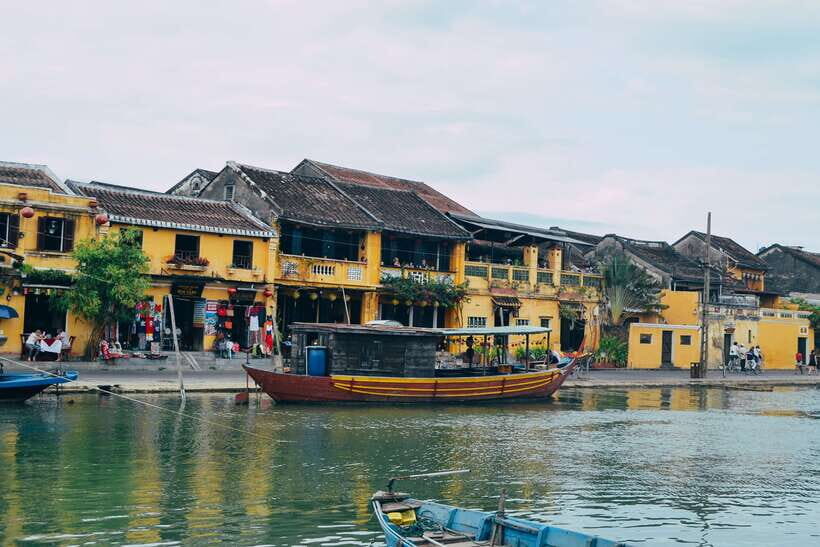
A walking tour is only as good as what it makes you notice. Here, the guide’s job is to point out what the cross-cultural story looks like in real space.
As you walk, keep your eyes on these practical things:
- House fronts and doorways: older architecture often changes how a street feels, even when nothing is moving
- Assembly halls vs. homes: they communicate community power in a different way than private residences
- Small decorations like windflower trellises: easy to miss if you’re only watching for the next landmark
- Transitions in atmosphere: market energy tends to fade into quieter streets as you move toward the older house area
Also, since there’s walking throughout, wear comfortable shoes. This is a good plan for people who like strolling and looking, but it’s not the right choice if you want long periods of sitting.
And if your timing overlaps with heat or sudden rain, don’t fight it too much. A guided route helps you keep moving at a sensible pace.
Price and Value: Is $42 a Good Deal for This 5-Hour Walk?
At $42 per person, this tour isn’t trying to be a bargain basement deal. It’s more like a time-saver: you’re paying for guided context plus the logistics that would slow you down on your own.
Here’s what you’re getting:
- Hotel pickup and drop-off in Da Nang City Center
- Transportation as part of the itinerary
- Entrance fees
- Bottled drinking water
- English-speaking guide (other languages available with surcharge)
- Travel insurance
When you add that up, the price starts to look fair—especially because Hoi An is compact, and you’re only committing half a day. You’re not paying for a full-day schedule, but you are paying for a guide-led route that hits the key parts without wasting time.
It’s also a solid value if you’re traveling with someone who likes architecture and someone who doesn’t. The tour has enough variety—market, museum, assembly hall, old house, bridge, and a dance show—that it keeps different interests fed.
Who This Walk Fits Best (And Who Might Want More Time Elsewhere)
I’d recommend this tour for:
- First-timers who want a clear, guided introduction to Hoi An
- People who like photo opportunities but also want explanations
- Travelers who don’t want to plan a route across multiple heritage stops
- Anyone who appreciates cultural connections between Vietnamese, Chinese, and Japanese influences
It might be less ideal if:
- You’re the type who wants to linger for hours in one spot
- You’re hoping to avoid tourist crowds entirely
- You’re mostly interested in one or two sites and nothing else
One practical insight from how this tour feels in practice: it’s structured for seeing a lot, not for long, slow living. So yes, take the tour for orientation. Then let your own time in Hoi An be the relaxing part.
Also, you should know it’s not set up for unaccompanied minors. Children need an adult with them, and you’ll want to plan tickets accordingly.
Should You Book Hoi An Express’s Half-Day Heritage Walk?

If your goal is to understand Hoi An quickly—through its market life, community architecture, and the famous cross-cultural bridge—this is a good fit. I also like that you get a dance show and a museum stop, so the tour doesn’t feel like a nonstop photo line.
Book it if:
- you want a guided route that reduces guesswork
- you like blending market energy with older streets
- you’d rather pay a guide than spend your time figuring out what matters
Skip it or add extra free time if:
- you know you want to spend more time just wandering the old town after the structured tour ends
- you prefer totally independent travel and don’t want pickup or guided stops
One last thought: if you happen to get a guide with energy—someone like the guide Hung, for example—you’ll likely find the storytelling keeps things fun and moving. That matters, because in a place like Hoi An, the difference between seeing and understanding is often just good pacing and a guide who knows how to point things out.
FAQ
How long is the Hoi An Heritage Walk?
The tour duration is 5 hours.
Where does pickup happen?
Pickup and drop-off are included for hotels in Da Nang City Center, except the Son Tra Peninsula.
Is the guide English-speaking?
Yes. The tour includes a live English-speaking guide. Other languages may be available upon request with a surcharge.
What’s included in the tour price?
The price includes hotel pickup/drop-off, transportation, entrance fees, bottled drinking water, an English-speaking guide, and travel insurance.
Are there age limits?
Unaccompanied minors are not allowed. Children must be accompanied by an adult, and adult tickets should be booked for additional children.
What if I need to cancel?
Free cancellation is offered up to 24 hours in advance for a full refund.