REVIEW · HOI AN
Ky Anh Tunnel & Cham Old Tower By Private Tour History of War
Book on Viator →Operated by Hung Le Travel-The Local Signature · Bookable on Viator
Tunnels make you hear history breathing. In this private Hoi An day trip, you’ll crawl into Ky Anh Tunnel, then shift gears to see a Champa-era Cham tower and Vietnam’s biggest Heroic Mother statue.
You’ll love the way the tunnel is presented as lived wartime space, not just a display, with low ceilings, zigzags, and manhole-like entrances you can actually step into. Two things I especially like are the English history-focused guidance and the included sticky rice lunch served in banana-leaf style, like people ate during the conflict.
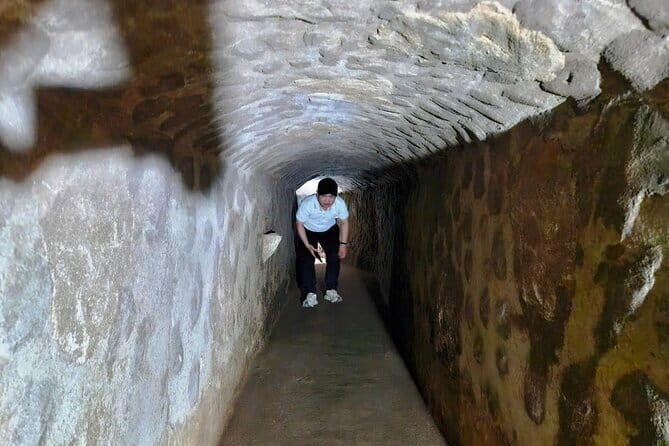
One key consideration: the tunnel is very tight—about 0.5 to 0.8 meters wide and 0.8 to 1 meter high—and the tour isn’t suitable for people with heart issues or high blood pressure.
In This Review
- Key things you should know before you go
- The practical start: drive time, pacing, and what to expect
- Ky Anh Tunnel: 32 km of zigzags, low ceilings, and hidden entrances
- What you’ll actually experience underground
- Two specific spaces that give the tunnel meaning
- Getting context from the people who witnessed it
- Chien Dan Cham Tower: relief panels from the Champa era
- What makes the tower worth your time
- How to enjoy it
- Vietnam’s Heroic Mother Statue and the war museum inside
- A practical heads-up about access
- Private tour reality: keeping the experience quiet when crowds happen
- Price and value: what $55 buys for a 5 to 6 hour history day
- The sticky rice banana-leaf snack: more than food
- Who this Ky Anh Tunnel and Cham Tower tour is best for
- Tips to make the tunnel visit easier and more meaningful
- Should you book this private tour?
- FAQ
- How long is the private Ky Anh Tunnel and Cham Old Tower tour?
- Where does the pickup happen for this tour?
- What’s included in the price?
- Are entrance tickets included for the tunnel and tower?
- Is the sticky rice lunch served every time?
- What about the Heroic Mother statue visit—can I always enter the museum inside?
- Is the tunnel tour suitable for everyone?
- Do you provide a ticket you can use on your phone?
Key things you should know before you go
- Ky Anh Tunnel runs 32 km and was built in 1965 as a hidden bomb shelter system.
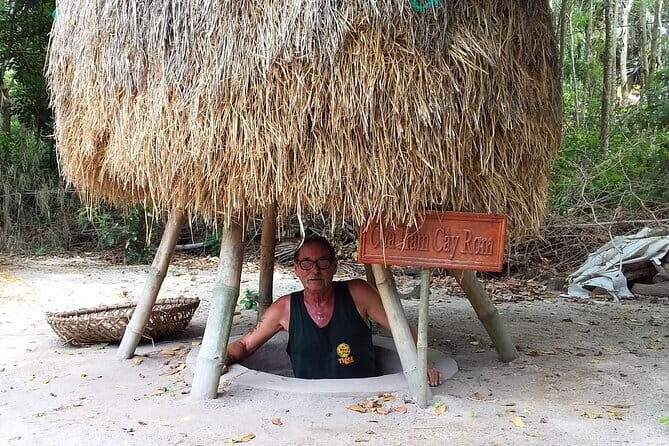
- Narrow wartime space: 0.5–0.8 m wide and 0.8–1 m high, with zigzags and manhole-like entrances.
- Wartime roles inside: one section served as a first-aid chamber and another as food storage.
- Chien Dan Cham Tower (late 10th to early 11th century) has carved relief panels with a style compared to Khmer art.
- Vietnam’s Heroic Mother statue is the biggest in the country, with a war museum focused on the sacrifice of Vietnamese women.
- Sticky rice snack timing matters: it’s served for morning tours only.
The practical start: drive time, pacing, and what to expect
Hoi An doesn’t give you many hints about Ky Anh Tunnel until you’re already out on the road. The transfer takes about an hour by car, and that’s part of the value: you’re not rushed. You arrive with time to get briefed, then move from the modern world into a wartime landscape.
This is built as a private car round trip with pick-up and drop-off in Hoi An or Da Nang. That matters because Ky Anh and the towers aren’t just “one quick stop” style sights. You need a calmer pace to process what you’re seeing, especially in the tunnel.
A good tip: dress for a day that includes tight, dusty, cooler-than-outside interiors and some walking outdoors. Wear clothes you don’t mind getting a little dusty, because the tunnel environment can be gritty.
You can also read our reviews of more private tours in Hoi An

Ky Anh Tunnel: 32 km of zigzags, low ceilings, and hidden entrances
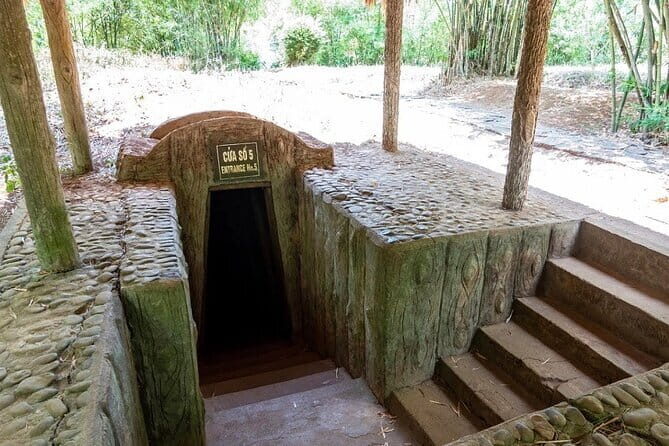
Ky Anh Tunnel is described as a system shaped along the village. It stretches for 32 kilometers, carved so it could stay hidden and functional when air attacks were a risk. Built in 1965, it wasn’t only for shelter; it also supported fighting logistics—used as a clinic and as a warehouse for operations against the American army.
Here’s what makes the visit click quickly: the tunnel doesn’t behave like a straight hallway. It zigzags around bends, and that design would’ve helped reduce harm if enemies fired into exposed sections. Along the route, there are bamboo clusters, bushes, and straw mounds around Thach Tan Village. Even without perfect historical details, you can feel the point of the layout: you’re meant to imagine how people moved under pressure.
What you’ll actually experience underground
You won’t just look at maps. You’ll step under the hidden tunnel to see its “routine” as soldiers had to. The entrances are manhole-like, which changes the whole feel of the site. Each access point is a reminder that coming and going wasn’t casual.
Also, this isn’t “big tunnel” tourism. It’s narrow and low:
- Width: about 0.5–0.8 meters
- Height: about 0.8–1 meter
That’s why this tour asks you to avoid it if you have heart issues or high blood pressure. Even fit people can feel cramped, and the low ceiling turns standing upright into an awkward goal. Go in with the mindset that you’ll move slowly, crouch when needed, and focus on what the space was built to do.
Two specific spaces that give the tunnel meaning
The tunnel visit highlights functional rooms, not just structure:
- A first-aid chamber used to treat wounded VC and NVA soldiers
- A section used for food storage
These details help you understand the tunnel as a working survival system. When you connect shelter + medical care + food storage, the architecture stops being abstract.
Getting context from the people who witnessed it
You’ll be guided by a local site guide who witnessed fightings at the tunnel. The tone stays serious, because the tour is explained in the spirit of wartime life, not as a casual attraction.
One other detail that’s quietly important: the tour includes mineral water drinking under the tunnel. That’s a small inclusion, but it helps because once you’re in low, enclosed spaces, you don’t want to feel dehydrated or flustered.
You can also read our reviews of more historical tours in Hoi An

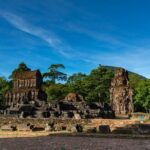

Chien Dan Cham Tower: relief panels from the Champa era
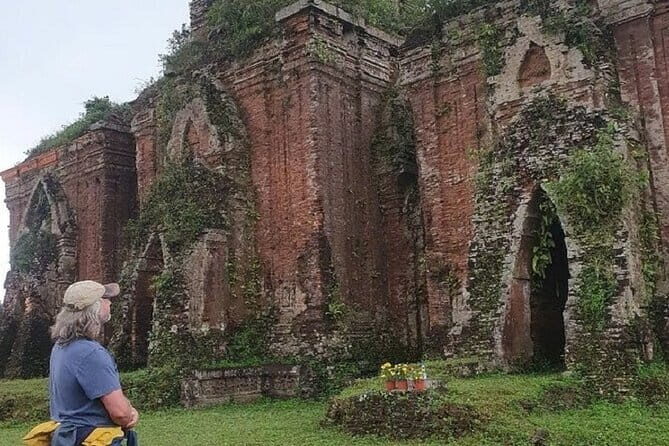
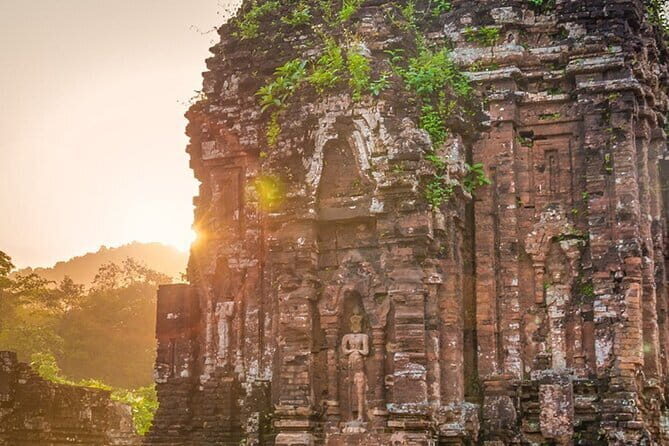
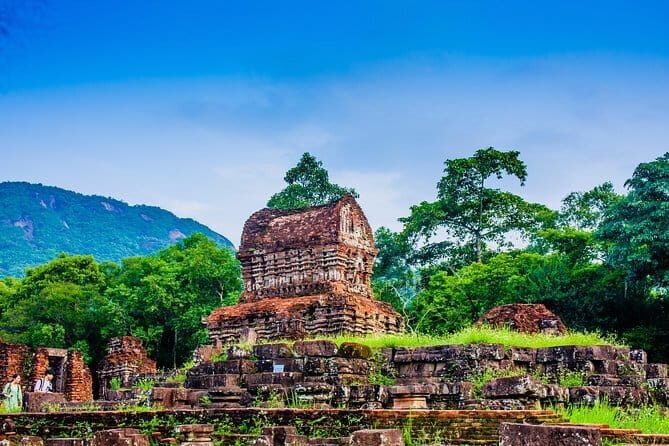
After the tunnel, you’ll shift from wartime survival to older, carved stone storytelling. The stop at Chien Dan Cham Tower is built around the Champa period, when the region was influenced by different kingdoms and artistic traditions.
This tower is dated to the late 10th and early 11th centuries, during a time when the capital shifted from Quang Nam to Binh Dinh under Yan Pu Ku Vijaya. That’s the kind of context that helps you read the carvings without turning the tower into a random pile of bricks.
What makes the tower worth your time
The tower’s appeal isn’t just age—it’s the relief work. The structure contains long, rectangular panels covered in figures carved in relief. The style is often described as classic and similar to Khmer art you might recognize from Angkor-era monuments.
And there’s a real-world advantage here: you visit the ancient towers without the usual heavy tourist circuit feeling. That can make the carvings easier to study calmly, especially after the tunnel’s intense emotional tone.
How to enjoy it
Spend a little time walking around to catch the reliefs from different angles. Relief sculpture is all about shadows and surface depth. If you rush, you miss what the artist managed to show with limited tools—faces, movement, and patterned detail.
Vietnam’s Heroic Mother Statue and the war museum inside
Now comes the emotional center of the trip: Vietnam’s Heroic Mother Statue, described as the biggest of its kind in Vietnam. You’re not just looking at a monument; you’re also visiting a war museum inside that focuses on the tearful sacrifice of Vietnamese women during the war.
This stop is powerful for one main reason: it doesn’t only talk about battles. It turns the camera toward the human cost, especially women’s endurance and sacrifice. If you like history that includes real people’s experiences, you’ll appreciate this.
A practical heads-up about access
There’s one major scheduling detail you should know: the inside portion of the giant Heroic Mother statue only opens for public events in Vietnam. Translation: your ability to go inside as planned depends on whether that public opening is happening during your visit time.
This doesn’t mean the stop is a waste. It means you should go in with flexible expectations and let your guide help you see what’s available on the day.
Private tour reality: keeping the experience quiet when crowds happen
This is a private tour, and that’s a big part of why it’s good value. Still, even with private transport and your own guide, you may find other large groups at the same sites, especially around tunnel entrances and major photo points.
One family noted that big groups can dominate space, making it harder to feel fully included. That’s a fair caution. If you’re picky about having room—if you hate feeling squeezed in tight, low tunnel areas—ask your guide to manage your timing and pacing. A small shift in when you enter can make the difference between cramped stress and calm focus.
If you want a smoother experience, morning timing can also help with comfort, since some of the included food is tied to morning tours.
Price and value: what $55 buys for a 5 to 6 hour history day
At $55 per person for roughly 5 to 6 hours, this tour is priced like a “full experience” rather than a quick sight-add-on. You’re paying for:
- Private round-trip car with pick-up/drop-off in Hoi An or Da Nang
- English-speaking guidance with history background (when you select the guided option)
- Entrance tickets for Ky Anh Tunnel and Chien Dan Cham Tower
- Sticky rice snack lunch (banana-leaf style)
- Mineral water during the tunnel visit
- A guide who provides on-site context and witnessed fighting history
For many travelers, the value comes from the friction it removes. You don’t have to organize transport, coordinate timing between sites, or figure out how to interpret what you’re walking into.
What’s not included is also clear: tips/personal expenses, travel insurance, and any meals or drinks outside the tour. If you’re the type who needs snacks between stops, bring a small buffer for after the tour ends.
The sticky rice banana-leaf snack: more than food
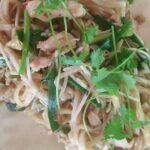
The included snack is sticky rice wrapped in banana leaves, described as eating like people did during the war. That’s not a gimmick. It’s a small bridge between the tunnel’s practical wartime life and the present-day visit.
One detail to plan around: sticky rice is served for the morning tour only because there’s no sticky rice for afternoon tours. If food is part of your day, pick your departure time carefully.
Who this Ky Anh Tunnel and Cham Tower tour is best for
This trip fits best if you’re the type who likes history with real structure and real human stakes.
You’ll be a good match if:
- You’re interested in Vietnam War-era history and how tunnels functioned as shelter, clinic space, and storage.
- You enjoy Champa-era art and architecture, especially carved relief styles linked to Khmer traditions.
- You want a day that combines serious history with cultural context, not just one theme.
You should think twice if you’re dealing with:
- Heart problems or high blood pressure, since the tunnel is narrow and low and the tour isn’t suitable for those conditions.
- Any strong discomfort with cramped spaces or slow, crouched movement.
Tips to make the tunnel visit easier and more meaningful
Ky Anh Tunnel isn’t about speed. It’s about understanding scale—how real survival had to fit inside a space you’d never call comfortable today.
A few smart moves:
- Wear shoes you trust for uneven ground. The tunnel experience involves changing terrain conditions.
- Keep your expectations realistic: you’ll likely crouch or duck, and that’s normal.
- Use the guidance: the site guide’s explanations help you connect details like first-aid and food storage to the tunnel’s design.
- Plan for a quieter mindset. This day includes a war museum stop, and rushing through it makes the emotional point harder to land.
If you’re sensitive to emotional content, give yourself a few minutes after the museum stop to step outside and reset.
Should you book this private tour?
Yes—book it if you want a structured, guided day that covers Ky Anh Tunnel, Chien Dan Cham Tower, and Vietnam’s Heroic Mother Statue with tickets, transport, and even a wartime-style sticky rice snack included. The main value is the combination of places plus the way the tunnel’s purpose is explained through details like first aid and food storage.
Skip or be cautious if you have heart issues or high blood pressure, since the tunnel size and conditions make it unsuitable. Also, if the Heroic Mother statue’s inside museum access is a must-have for you, keep in mind that it opens only for public events.
If you’re ready for history that’s serious and specific, this is the kind of trip you’ll remember long after you’re back in Hoi An.
FAQ
How long is the private Ky Anh Tunnel and Cham Old Tower tour?
It runs about 5 to 6 hours.
Where does the pickup happen for this tour?
Pickup and drop-off are included from Hoi An or Da Nang.
What’s included in the price?
The tour includes an English-speaking guide with history background (if you select the guided option), entrance tickets for Ky Anh Tunnel and Chien Dan Cham Tower, private car round trip, a sticky rice snack lunch wrapped in banana leaves, mineral water during the tunnel, and a local guide with on-site experience.
Are entrance tickets included for the tunnel and tower?
Yes, entrance tickets for Ky Anh Tunnel and Chien Dan Cham Tower are included.
Is the sticky rice lunch served every time?
No. Sticky rice is served for the morning tour only because there is no sticky rice for afternoon.
What about the Heroic Mother statue visit—can I always enter the museum inside?
The inside area of the giant Heroic Mother statue only opens for public events in Vietnam, so access can depend on the day.
Is the tunnel tour suitable for everyone?
It’s not suitable for people with heart problems or high blood pressure.
Do you provide a ticket you can use on your phone?
Yes, the tour features mobile tickets.