REVIEW · HOI AN
Cooking Class Hoi An – Organic Garden – Farming Tour-Handicrafts
Book on Viator →Operated by Caman Village Organic Garden · Bookable on Viator
Want lunch with a view—and dirt under your nails? Caman Village in Cẩm An is built around an organic herb and vegetable garden, so the day starts with calm, green walking instead of jumping straight to a recipe. You’ll cut herbs, learn plant benefits, and cook with local ingredients as you go.
What I love most is the hands-on, do-it-yourself feel: you’re not just watching. Another win is the food you make, especially rice paper making and herbal drink preparation, both tied directly to what’s growing in the garden.
One thing to consider: this experience runs about 3 to 4 hours, and it requires good weather. If you’re hoping for a flexible, all-conditions plan, plan around the forecast.
In This Review
- Key highlights you’ll actually use
- Caman Village’s organic garden: the calm start that changes the class
- The flow of the 3 to 4 hour experience in real time
- First stop: Caman Village activities, garden learning, and prep
- The kitchen part: learn 3–4 local dishes with instruction
- What you’ll learn from the garden (and why it matters later)
- Rice paper plus herbal drinks: the two hands-on moments people remember
- Rice paper making
- Herbal drinks
- Folk games and the “local life” feel you won’t get elsewhere
- Language support: English + Vietnamese and what that means for you
- Price and value in Hoi An: what $33.63 buys you in practice
- Logistics that matter: meeting point, transport, and timing
- Weather reality: why the forecast is part of your decision
- A smart add-on nearby: river views and a post-class snack
- Who this class is best for
- Should you book this cooking class in Cẩm An?
- FAQ
- FAQ
- How long is the cooking class and garden visit?
- What’s included in the experience?
- Do I cook dishes during the class?
- Is there rice paper making?
- What languages are spoken during the tour?
- Is this a private tour?
- Where do I meet for the tour?
- Is transportation included?
- Is it a mobile ticket?
- What happens if the weather is bad?
- Can I cancel for a refund?
Key highlights you’ll actually use
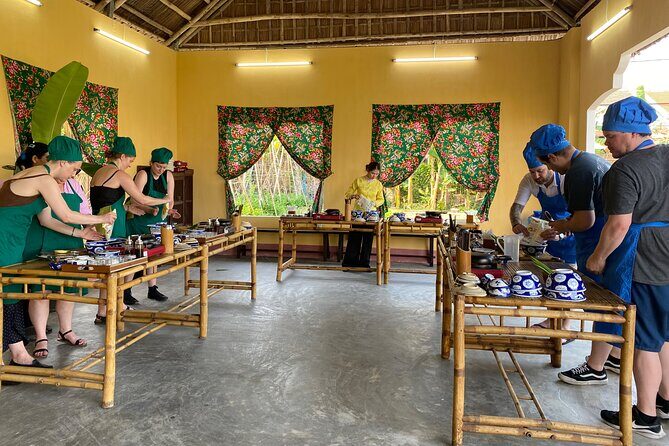
- Organic garden first, cooking second: you harvest herbs and learn their benefits before you cook
- Rice paper making: a step you don’t usually get in standard Hoi An classes
- Herbal drink making: you use garden ingredients, not a random bottle of mix
- Folk games included: part of the culture learning, not just food
- You cook 3–4 local dishes: chef guidance, plus a recipe handout at the end
- Private group: only your group participates, so it feels less chaotic
Caman Village’s organic garden: the calm start that changes the class
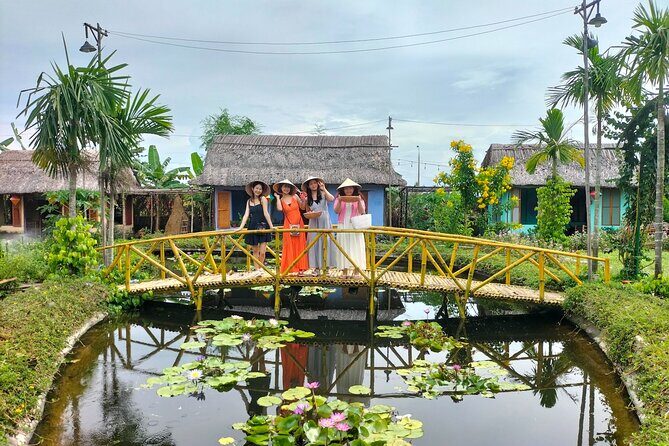
The setting is the opening act. This is Caman Village, in Cẩm An, with an airy layout for a walk-through that feels like you’re visiting a real neighborhood garden, not a staged “tour stop.” The space is full of big and small houses, and it’s set up like daily life—tools and equipment are ready where you’d expect a local kitchen or garden area to be.
The practical payoff for you is focus. When you begin with plants—seeing them grow, understanding which herbs get used and why—you start cooking with better instincts. It’s easier to remember flavors later, because you’ve connected them to something physical: leaf, stem, and aroma from the garden.
You’ll also get a guided feel to the plant learning. The team speaks English and Vietnamese, which matters here. You’ll catch the “what it’s for” part (plant benefits) instead of just pointing and hoping. If you like learning in a casual way—asking questions as you walk—you’ll feel comfortable.
You can also read our reviews of more cooking classes in Hoi An

The flow of the 3 to 4 hour experience in real time
This runs roughly 3 to 4 hours, with the garden-and-activities block taking about 2.5 hours. In practice, that means you won’t be rushed through the important parts, but you also shouldn’t expect a full half-day wandering with zero structure. There’s a rhythm: garden → hands-on prep → cooking instruction → finishing with what you learned.
Here’s what that rhythm feels like:
First stop: Caman Village activities, garden learning, and prep
You start at the main area in Caman Village. From there, your time splits between moving through the garden and doing small tasks that build toward cooking.
You can expect activities such as:
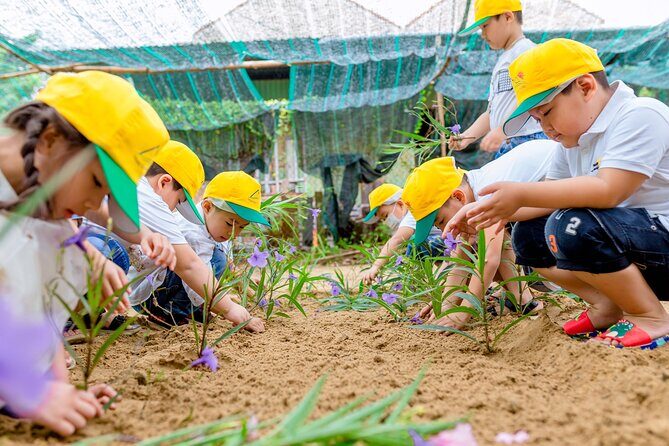
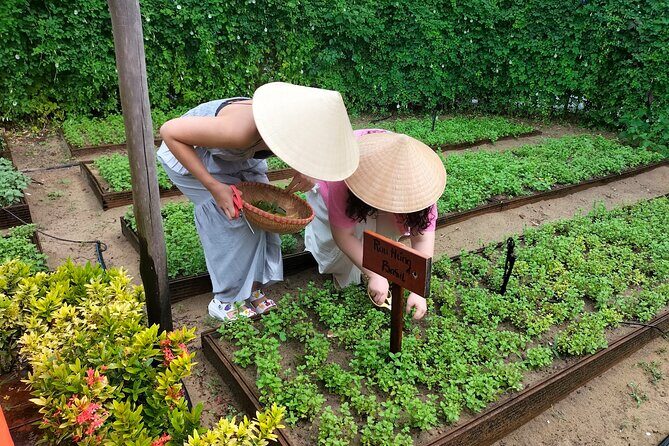
- walking around the organic vegetable and herb village and studying plants and their benefits
- cutting vegetables and herbs you’ll use in the class
- a gardening tour angle, with chances to act like a gardener
- playing traditional folk games
- learning and making herbal drinks using organic ingredients gathered from the garden
That mix is the difference-maker. Many cooking classes in Vietnam focus almost entirely on the kitchen. This one gives you context first. It’s still a cooking class, but it treats the garden like the source of the story.
The kitchen part: learn 3–4 local dishes with instruction
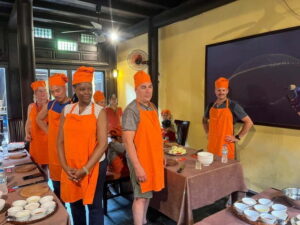
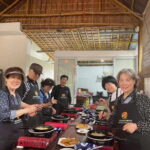
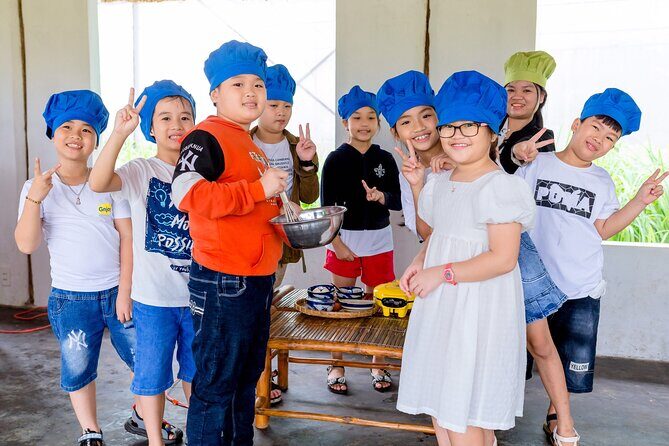
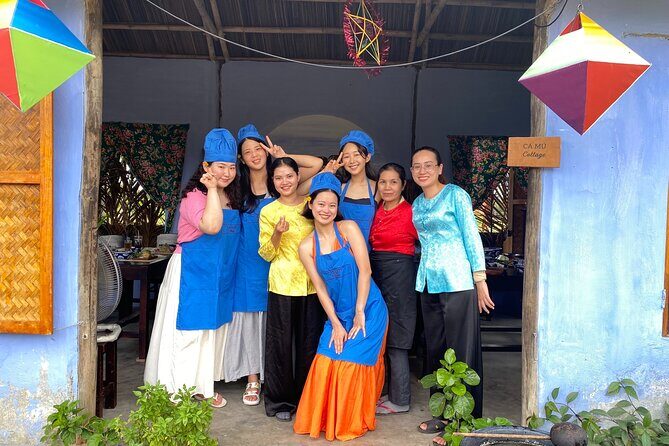
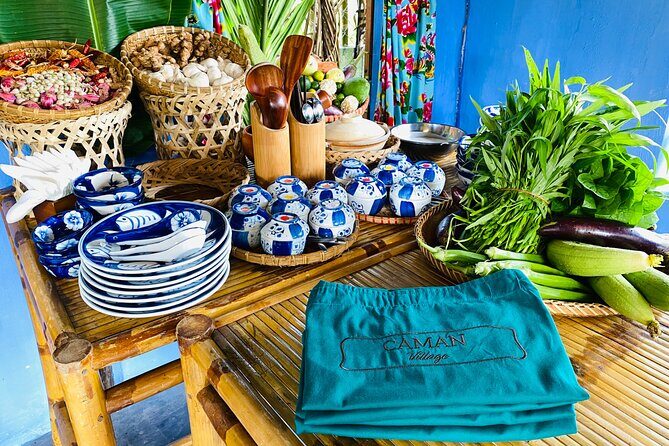
Once you switch from garden mode to cooking mode, the class gets practical. You’ll wear a chef hat and apron, and you’ll follow step-by-step instruction from the chef.
The goal isn’t just to make one dish. You’ll learn to cook 3–4 local dishes, which gives you more menu variety than the typical single-recipe format. For me, that’s good value: you leave with more flavor ideas you can actually replicate at home.
At the end, you’ll receive a cooking book and certificate of participation. Those aren’t just souvenirs. They make it easier to repeat the dishes later without guessing how the steps are supposed to go.
What you’ll learn from the garden (and why it matters later)
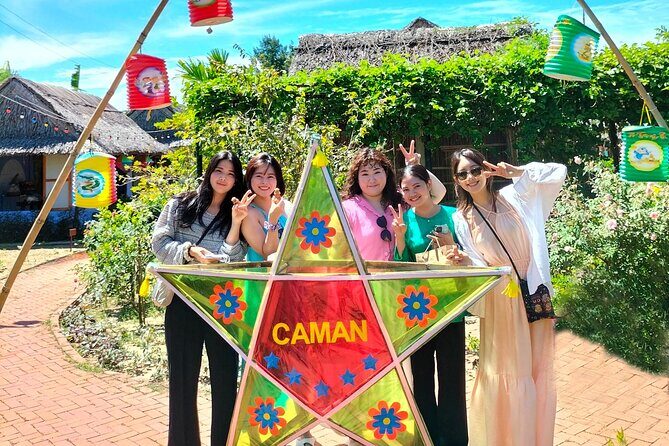
Plant knowledge can sound like fluff when it’s stuck behind a fence. Here, it connects to cooking.
You’ll study local herbs and plants and learn about their benefits. That can include practical flavor roles—what tastes fresh, what leans herbal, and what you’ll want to chop or use in drinks. Even if you don’t remember every name after you leave, you’ll remember how the plants behaved in your hands and how they changed the taste of the food.
There’s also a cultural angle. The class treats garden activity like part of everyday Vietnamese life. When you cut vegetables to make your own food as local people do, you get the sense that the kitchen starts outside.
And yes, the setting helps. If you’re doing this in the heat of Hoi An, having a big, airy space for walking beats standing in a cramped workshop. You’ll feel calmer—and you’ll cook better.
You can also read our reviews of more tours and experiences in Hoi An
Rice paper plus herbal drinks: the two hands-on moments people remember
If you want one reason to pick this class over the generic version, it’s the combination of rice paper making and herbal drink preparation.
Rice paper making
Rice paper doesn’t sound complicated until you’re the one handling the process. This class includes rice paper making, and that tends to be the memorable skill. It also forces you to pay attention to texture and timing, which is exactly how good cooking lessons work. You’re learning technique, not just flavor.
Herbal drinks
Herbal drink making uses organic ingredients collected from the garden. That’s huge for your brain, because you can smell the herbs, then taste them later in a drink form. You get a clearer mental link between plant choice and flavor result.
In other words, this isn’t herbs as decoration. It’s herbs as an ingredient line item.
Folk games and the “local life” feel you won’t get elsewhere
One of the most quietly smart inclusions here is folk games. You play traditional games as part of the experience, not just as an extra.
Why does that matter? Because it breaks the class out of the rigid tourist pattern. You’re moving, laughing, and interacting in a way that makes the rest of the learning feel less like a lecture. It also helps if you’re traveling with people who don’t want an all-kitchen experience.
You’ll likely feel the pacing is more relaxed overall. The village vibe is small and peaceful, and it doesn’t feel like a rush from one photo spot to the next.
Language support: English + Vietnamese and what that means for you
You’ll be helped by a team that speaks English and Vietnamese, which is ideal in a class setting. Cooking lessons depend on small instructions—when to add, what texture to look for, how to handle ingredients.
With language support, you’ll spend less time guessing. You’ll also feel freer to ask questions about what you’re cooking and why certain plants are used.
If you speak only basic English, this is still workable. If you speak Vietnamese, you’ll probably enjoy the cultural layer even more.
Price and value in Hoi An: what $33.63 buys you in practice
At about $33.63 per person, this isn’t the cheapest cooking class in Vietnam. But it is the kind of class where you can justify the price because you get more than a single recipe.
You’re paying for:
- time in an organic garden where you learn plant benefits
- hands-on garden prep like cutting vegetables and herbs
- herbal drink making using garden ingredients
- folk games
- cooking instruction for 3–4 local dishes
- chef tools (hat and apron)
- a cooking book plus a participation certificate
If you compare to classes that only teach one dish, the math tilts in your favor. Here, you leave with more skills and more recipe variety, which makes the experience easier to replay later at home.
Also, the private-group setup matters. Only your group participates, so the class doesn’t have to accommodate the widest range of schedules and attention spans that a larger public class would require.
Logistics that matter: meeting point, transport, and timing
You’ll meet at 01 Nguyễn Thành Ý, Cẩm An, Hội An, Quảng Nam, Vietnam, and the experience ends back at the meeting point.
Transport is not included, so you’ll want to plan how you’ll get there and back. The area is marked as near public transportation, which helps if you’re already moving around Hoi An without hiring a private driver.
Duration is about 3 to 4 hours. I suggest booking this for an afternoon when you don’t need to squeeze in another major activity afterward. You’ll likely be busy at the garden and cooking stations, and you’ll want time to cool down after.
Weather reality: why the forecast is part of your decision
This experience requires good weather. If conditions are poor, it can be canceled and you’ll be offered a different date or a full refund.
So if you’re visiting in peak rain season and your plans are tight, keep flexibility in mind. Cooking in wet weather can become less pleasant, and this organizer treats the outdoor garden setting seriously.
A smart add-on nearby: river views and a post-class snack
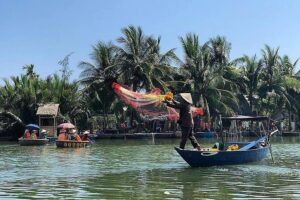
There’s a 5-star resort next to Caman Village by the river. That’s a nice option for a slow snack and a cold beer by the pool after class, especially if you want to stretch the afternoon.
I’d treat it as an optional reward, not part of the class itself. If you’re hungry, you’ll have your cooking work—but after a few hours of garden walking, you may appreciate the downtime.
Who this class is best for
I’d point you toward this if you:
- want a Hoi An cooking class that starts in an organic garden, not a classroom
- like hands-on food skills like rice paper making
- enjoy learning about ingredients and plant benefits
- want an activity that feels cultural (folk games included)
- prefer a private setup for your group
It may not be your best match if you only want a fast, strictly kitchen-based cooking session. This one’s about the full chain: garden → prep → drinks → cooking → take-home recipes.
Should you book this cooking class in Cẩm An?
If you’re choosing between a basic cooking workshop and one that connects food to the garden that grows it, I think this is an easy “yes.”
Book it if you care about technique and want a class that feels like local life—hands in herbs, plant learning, rice paper, herbal drinks, and a few Vietnamese dishes you can actually repeat later. The price lines up with the bigger skill set you get.
Skip or reconsider if you hate outdoor walking in bad weather, or if you’re looking for a very short, purely indoor class. Otherwise, this is a strong afternoon plan in Hoi An.
FAQ
FAQ
How long is the cooking class and garden visit?
It lasts about 3 to 4 hours.
What’s included in the experience?
You get a welcome drink, a visit to the Caman organic garden, herbal drink making, playing folk games, a chef hat and apron, instruction to cook 3–4 local dishes, plus a cooking book and certificate of participation.
Do I cook dishes during the class?
Yes. You learn to cook 3–4 local dishes with the chef’s instruction.
Is there rice paper making?
Yes, rice paper making is part of the experience.
What languages are spoken during the tour?
The team speaks English and Vietnamese.
Is this a private tour?
Yes. Only your group participates.
Where do I meet for the tour?
You meet at 01 Nguyễn Thành Ý, Cẩm An, Hội An, Quảng Nam, Vietnam, and it ends back at the same meeting point.
Is transportation included?
No. Private transportation is not included.
Is it a mobile ticket?
Yes, you’ll receive a mobile ticket.
What happens if the weather is bad?
The experience requires good weather. If it’s canceled due to poor weather, you’ll be offered a different date or a full refund.
Can I cancel for a refund?
Yes. You can cancel up to 24 hours in advance for a full refund.