REVIEW · HOI AN
Hoi An walking Tour – Private Tour
Book on Viator →Operated by Local Life Hoi An · Bookable on Viator
Hoi An feels made for slow walking. This 2–3 hour private route links the town’s big landmarks to real people and practical trade stories, starting at the Hoi An History Museum and ending at Tan Ky Ancient House. I especially liked how the stops are spaced for an easy pace and how the guide’s explanations turn stonework and street corners into something you can actually picture. One thing to consider: since it’s a walking tour, warm weather and crowds can add strain, so wear good shoes and plan for breaks.
You’ll also get to cover the essentials—Quan Thang House, Phuc Kien Assembly Hall, the Japanese Covered Bridge (Chùa Cầu), and Tan Ky—without wasting time guessing what you’re looking at. The max group size of 10 helps keep it personal, even if you’re not traveling with a huge crew. The setup includes pickup if you want it and a mobile ticket, which makes the start smoother than most “find your guide” experiences.
After the tour, you’re left with the rest of the afternoon to do your own thing in Hoi An. That’s a nice balance: structured enough to give you context, flexible enough to follow your curiosity.
In This Review
- Key highlights you’ll care about
- Getting Your Bearings in Hoi An on Foot
- Hoi An History Museum: The Map Before the Streets
- Quan Thang House: An 18th-Century Merchant Home
- Phuc Kien Assembly Hall: Thien Hau and Community by the Sea
- Japanese Covered Bridge (Chùa Cầu): A Real Trade-Era Meeting Place
- Tan Ky Ancient House: Typical Architecture, Strong Character
- Using the Free Afternoon Wisely
- Price and Value: Why $69 Can Make Sense
- Who Should Book This Tour
- Final Call: Should You Book This Hoi An Walking Tour?
- FAQ
- How long is the Hoi An walking tour?
- What does the tour cost?
- Is pickup included?
- Is it a small group tour?
- What are the main stops on the route?
- Do I need a printed ticket?
- Where does the tour start?
- Is there a cancellation option if plans change?
- What happens if the weather is bad?
- Is the tour suitable for most travelers?
Key highlights you’ll care about
- Small group, max 10: easier questions, less rushing, and more time at the best photo spots.
- Hoi An History Museum first: you get the big-picture background before you walk.
- Classic merchant-era stops: Quan Thang House, Phuc Kien Assembly Hall, Japanese Covered Bridge, Tan Ky House.
- Sea-goddess stop with real meaning: Phuc Kien Assembly Hall is dedicated to Thien Hau (Thiên Hậu).
- Comfort-focused pacing: the route is built for a relaxed walk rather than a sprint through monuments.
Getting Your Bearings in Hoi An on Foot
Hoi An is easiest when you stop trying to conquer it and start trying to understand it. This tour is designed for that mindset. The total time runs about 2 to 3 hours, and you’ll be walking through the parts of the old town that make the biggest impact when you see them in order.
You can usually expect a pickup offered start, which helps if you’re staying outside the most walkable areas. The meeting point is in Hội An, Quảng Nam, and the tour is described as near public transportation, so you won’t feel locked in if you’re on your own schedule. The small size—up to 10 travelers—matters. It keeps the group tight enough for the guide to answer your questions without constant “okay, everyone back up” moments.
Bring water, even if you’re not told it’s included. One review snippet mentions water and lunch included, but the official tour summary you’re working from doesn’t spell that out, so I’d treat it as a possible add-on and confirm if it matters to your plans.
Most travelers can join, which is helpful if your trip includes other day tours and you’re not sure how much walking your body will tolerate.
You can also read our reviews of more walking tours in Hoi An



Hoi An History Museum: The Map Before the Streets
Starting at the Hoi An History Museum is smart. You’re not dumped into the old town with zero context. Instead, you begin with an overview of the historical process—how the town developed, and why the culture here looks the way it does. You also meet at a “security meeting” point in the museum area, which is basically the practical step of getting everyone ready before you begin.
This part of the tour is the difference between seeing buildings and understanding them. When you learn the broad story first, the later stops stop feeling like random sights. The museum sets you up to recognize the themes of Hoi An: trade routes, community halls, merchant houses, and the way different groups influenced the architecture.
If you’re the type who likes to ask Why is this here? this museum stop gives you enough background to ask better questions on the walk that follows. Even if you don’t love museums, consider this a quick “orientation lesson” so the street-level details make more sense.
Quan Thang House: An 18th-Century Merchant Home
Next you’ll visit Quan Thang House (77 Tran Phu), built in the 18th century. It’s described as originally owned by a Chinese captain and merchant. That detail matters because Hoi An’s story is tied to maritime trade, not just local village life.
This stop gives you a close look at how merchant families lived—how the house functioned, not just how it looked. When a home is linked to a specific era and owner category (captain/merchant), you can start imagining the daily rhythm: arriving goods, hosting business contacts, managing money and networks.
One practical benefit here: a good guide can point out architectural cues you’d normally miss, like how space was planned and how the house reflects contact with outside communities. If you tend to speed past old houses when you travel, this is the one stop where you’ll probably slow down.
Potential drawback: since it’s a private walking route through multiple historic sites, you’ll want to pace yourself through indoor/outdoor transitions. Wear layers if you’ll be walking in heat, because museum areas can feel cooler than the street.
Phuc Kien Assembly Hall: Thien Hau and Community by the Sea
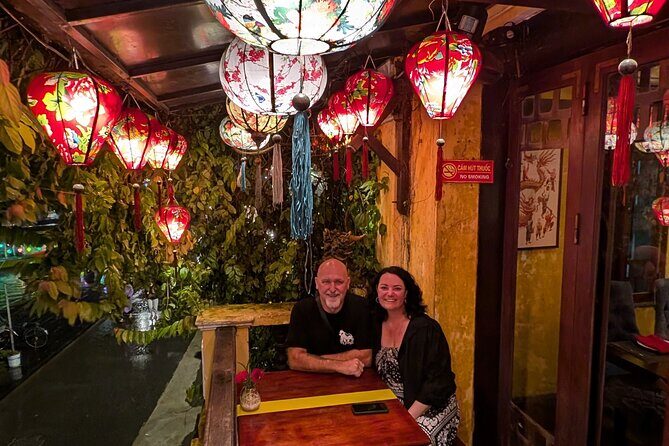
Then comes Phuc Kien Assembly Hall (46 Tran Phu St), dedicated to Thien Hau, the goddess of the sea. If you’ve ever wondered why trading cities build community spaces that aren’t just houses, this is your answer.
The sea connection is the key. Hoi An’s merchants weren’t only selling goods; they were taking risks on journeys and relying on shared beliefs and support systems. Assembly halls like this are where communities gathered, celebrated, and sought protection and luck connected to travel and maritime life.
This stop also helps you understand the “social map” of the old town. The hall is not just a building to admire. It’s a clue to how groups organized themselves—especially people tied to regional identity (Phuc Kien / Fukien).
If you’re the kind of traveler who loves symbolism, pay attention to how Thien Hau ties into the town’s trade past. If you prefer facts only, you can still use this as a grounding moment: it explains why religious and cultural sites show up again and again in merchant neighborhoods.
Japanese Covered Bridge (Chùa Cầu): A Real Trade-Era Meeting Place
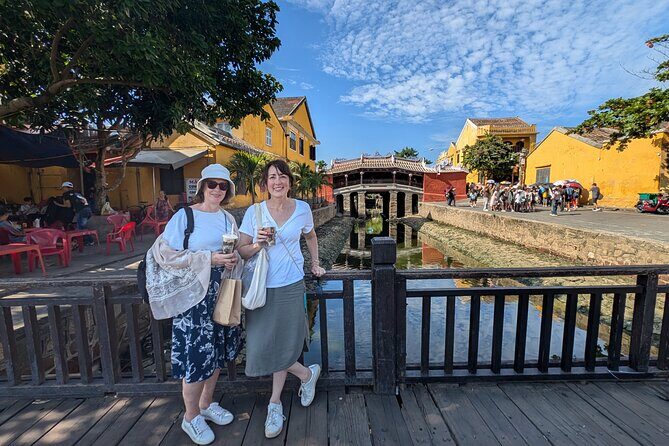
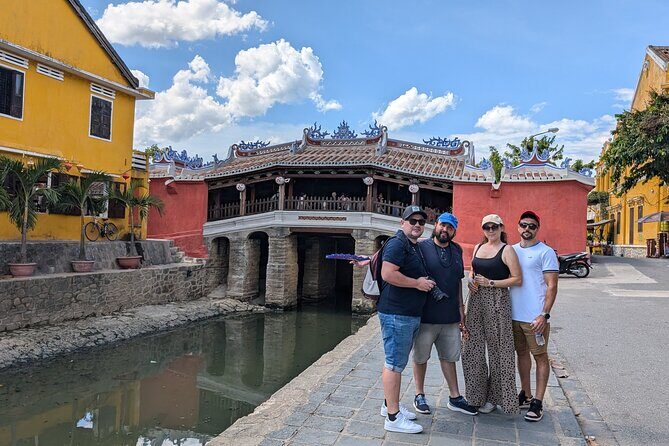
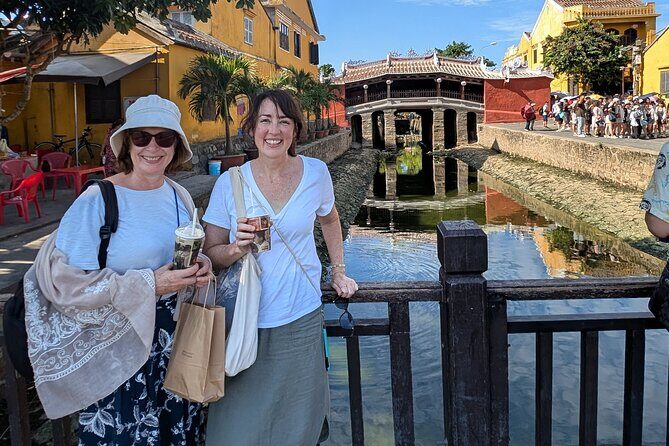
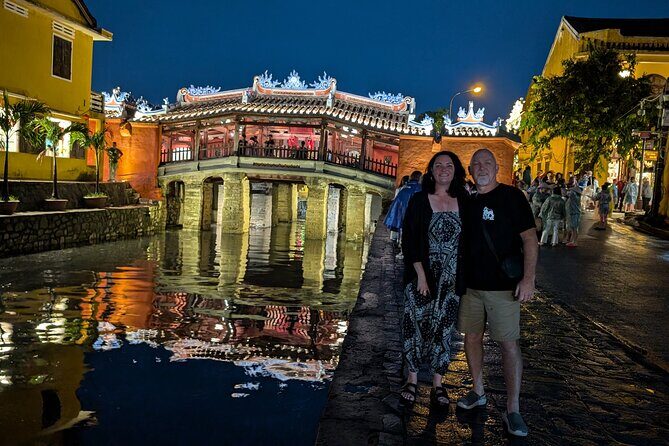
The Japanese Covered Bridge, also called Chùa Cầu or the Pagoda Bridge, is the stop most people recognize—but the guide framing is what makes it more than a postcard. It was built by Japanese craftsmen who were part of the larger Japanese merchant community active in Hoi An.
Here’s why this matters for your understanding: the bridge is a visible reminder that Hoi An wasn’t isolated. It was a network city. When you see this bridge after the museum and family-house stops, it stops being just a landmark and becomes a piece of evidence.
Take your time at Chùa Cầu, even if you only have a couple minutes. It’s one of those places where the details reward slow looking: the fact that it’s covered, the bridge’s role in daily movement, and the way multiple cultures left physical marks on the same streets.
A note on expectations: because it’s famous, it can be busy. The benefit of a small group is that you can usually pause without feeling like you’re constantly dodging a tour bottleneck.
You can also read our reviews of more private tours in Hoi An






Tan Ky Ancient House: Typical Architecture, Strong Character
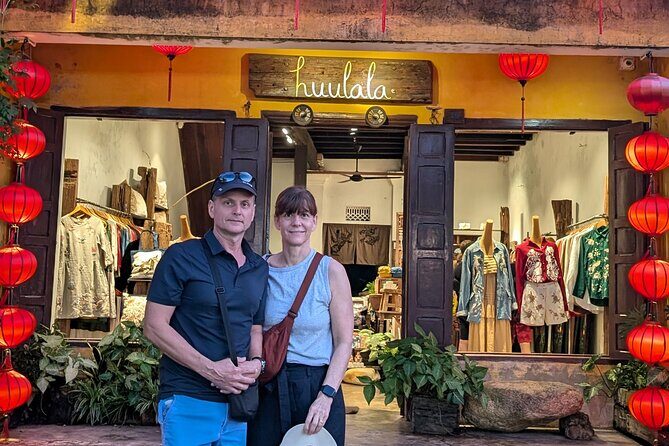
Your last architectural stop is Tan Ky Ancient House. It’s not described as the oldest house in Hoi An, but its architecture is among the most typical—another way of saying it’s a solid example of how homes in this era were built and used.
This is a good “wrap-up” stop. After you’ve seen Quan Thang and then the covered bridge, Tan Ky brings it back to what everyday life and wealth looked like in built form. It’s less about a single standout story and more about pattern recognition: you start noticing what’s common and what’s distinctive across merchant houses.
If you like taking photos, this is also a practical time to do it. By the end of the tour, you’ll know what to look for: doorways, interior layout logic, and the way the building connects to the street and neighborhood flow.
Then you’re done—meaning you get to keep the day in your control.
Using the Free Afternoon Wisely
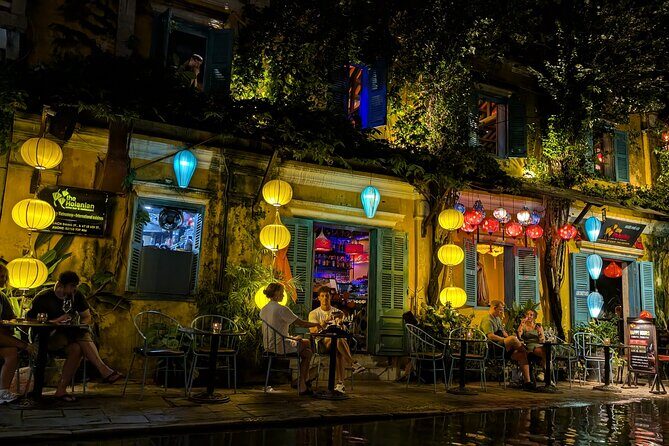
Once the tour ends, you have the afternoon free. That’s not a throwaway detail. It’s one of the best reasons to choose a walking tour like this instead of a full-day plan you can’t adjust.
Here’s how I’d use the leftover time:
- Return to any stop that clicked for you and look longer on your own terms.
- Walk the streets at a slower tempo to notice shopfront details and street layout—now that you understand the big themes.
- Keep your evening flexible. Hoi An rewards open time.
Because the tour gives you context first and then leaves space, you’re less likely to feel like you “missed everything.” Instead, you leave with a mental map and a few stronger favorites.
Price and Value: Why $69 Can Make Sense
At $69 per person for 2–3 hours, the price isn’t just for walking. It’s for guide time plus a curated set of stops that match the town’s story arcs: trade-era background, merchant housing, community hall, and a multicultural landmark.
What improves the value here:
- You’re not doing this solo. A good guide changes how you read the buildings.
- The route hits major categories (museum context, merchant home, assembly hall, cross-cultural bridge, another classic house) instead of only famous photo spots.
- Pickup offered and a mobile ticket add to the “frictionless” feel.
One thing to confirm if you care: some feedback includes mentions of water and lunch, but your tour summary doesn’t explicitly guarantee it. If meals are part of your budget planning, ask before you go so there are no surprises.
Also note the small group size limit of 10. When groups are larger, you usually pay for quantity, not attention. Here, the attention is the point.
Who Should Book This Tour
This works best if you:
- Want a structured introduction to Hoi An without spending the whole day on rigid schedules.
- Like history that ties directly to real buildings and community spaces.
- Prefer a comfortable pace over racing from stop to stop.
- Enjoy asking questions and getting context as you walk.
It’s also a decent fit for first-time visitors who feel overwhelmed by Hoi An’s many streets and want a clear mental framework.
If you’re only in town for a short time and you don’t want to pick sights at random, this kind of guided route can prevent decision fatigue. If you hate walking, be honest with yourself: this is a walking tour, and it’s designed for sightseeing on foot.
Final Call: Should You Book This Hoi An Walking Tour?
I’d book it if you want a smart, small-group overview that connects Hoi An’s famous sights to the people behind them. The order matters here: museum context first, then the house and community locations that explain how trading communities lived and organized themselves. If you pick just one guided experience early in your trip, this is the type that pays off later when you wander on your own.
Skip it (or think twice) if you have a low tolerance for walking or if you’re traveling at a time when heat and crowd levels will make sitting still a fantasy. Also keep an eye on weather: the experience is listed as requiring good weather, and if it’s canceled due to poor weather, you’ll be offered a different date or a full refund.
If you like your travel with a clear story line and practical stops you can revisit after, this tour is a solid value at $69.
FAQ
How long is the Hoi An walking tour?
It lasts about 2 to 3 hours.
What does the tour cost?
The price is listed as $69.00 per person.
Is pickup included?
Pickup is offered, though you may want to confirm the pickup details for your specific start point.
Is it a small group tour?
Yes. The experience has a maximum of 10 travelers.
What are the main stops on the route?
The tour visits Hoi An History Museum, Quan Thang House (77 Tran Phu), Phuc Kien Assembly Hall (46 Tran Phu St), the Japanese Covered Bridge (Chùa Cầu), and Tan Ky Ancient House, plus free time in the afternoon.
Do I need a printed ticket?
You’ll use a mobile ticket.
Where does the tour start?
The meeting point is Hội An, Quảng Nam, Vietnam.
Is there a cancellation option if plans change?
You can cancel for a full refund if you cancel up to 24 hours in advance. If you cancel within 24 hours, the amount paid isn’t refundable.
What happens if the weather is bad?
The experience requires good weather. If it’s canceled due to poor weather, you’ll be offered a different date or a full refund.
Is the tour suitable for most travelers?
It’s described as suitable for most travelers and it’s near public transportation.