REVIEW · HOI AN
Hoi An Ghosts, Death, Mystery Unveiled
Book on GetYourGuide →Operated by Momo Travel Limited Company · Bookable on GetYourGuide
Death has its own lanterns in Hoi An. On this first Hoi An ghost tour in Vietnam, you’ll walk the quieter corners of the old town and learn how local people think about death, spirits, and respect for what can’t be seen—without the usual tourist gloss. Ghost alleys and real cultural rituals are the point.
I love how the tour connects death rituals to everyday life, especially through the way people use incense and behave around graves. I also love the storytelling energy—guides like Nhat and Kun are specifically praised for calm, clear English and for turning history into something you can actually picture.
One thing to consider: it’s rain or shine, and you’ll cover around 1.5 km (about a mile) on foot while visiting graves and ancient houses. If you hate uneven, shadowy streets or long standing moments, plan for that.
In This Review
- Key things to know before you go
- Why a death-themed tour makes sense in lantern-town Hoi An
- Meeting by the 400-year-old tree near Starbucks Hoi An
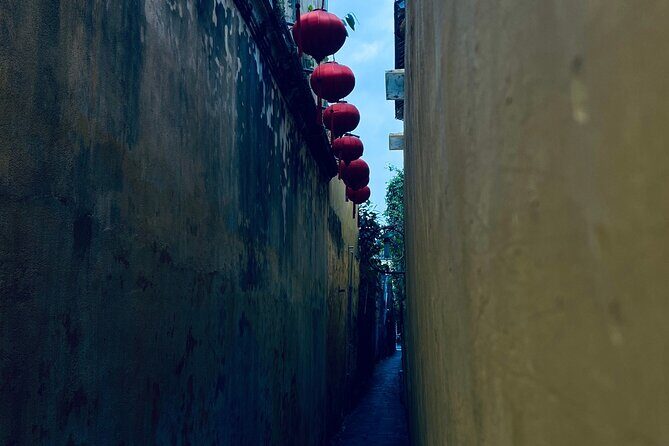
- How the route uses shadowy alleys to tell real stories
- The grave stop: incense, ritual, and the living-dead connection
- The story of 108 traders and the apology of the King
- Old houses and the shadow of conflict: immigrants and abandonment
- How locals protect homes from dark spirits and taboos
- The mystery monster living in Hoi An
- Rain or shine, but keep your feet comfortable
- Small group energy: why the max of 10 matters
- Price and value: is $20 fair for a 2-hour ghost-and-history walk?
- Who this tour is best for (and who should skip it)
- Final verdict: should you book this Hoi An Ghosts, Death, Mystery Unveiled tour?
- FAQ
- How long is the Hoi An Ghosts, Death, Mystery Unveiled tour?
- Where do I meet the guide?
- Is the tour in English?
- Does the tour run in bad weather?
- What will we walk to during the tour?
- How many people are in a group?
Key things to know before you go
- Meeting by the 400-year-old tree near Starbucks Hoi An: you’ll start right where the host is easy to spot.
- Small group of up to 10 people: the atmosphere stays conversational, not lecture-style.
- A spirituality-focused ghost tour: the tone is about beliefs and rituals, not jump scares.
- A grave in the middle of town: this is where you understand how living people connect with the dead through incense.
- Hoi An stories with specific dark chapters: expect legends tied to the murder of 108 traders and an apology of the King.
- Taboos tied to Full Moon and New Moon: you’ll hear what people avoid and why.
Why a death-themed tour makes sense in lantern-town Hoi An
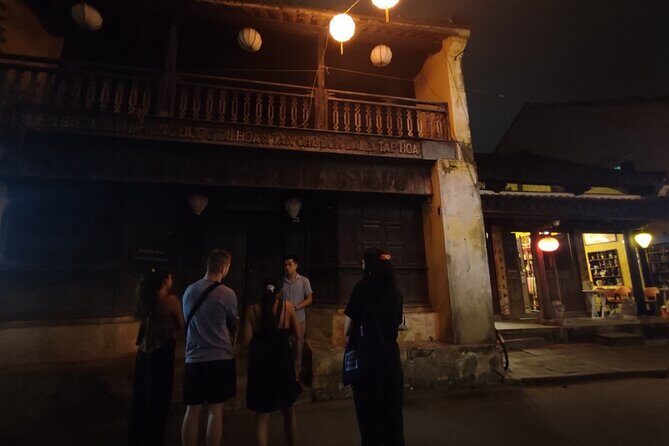
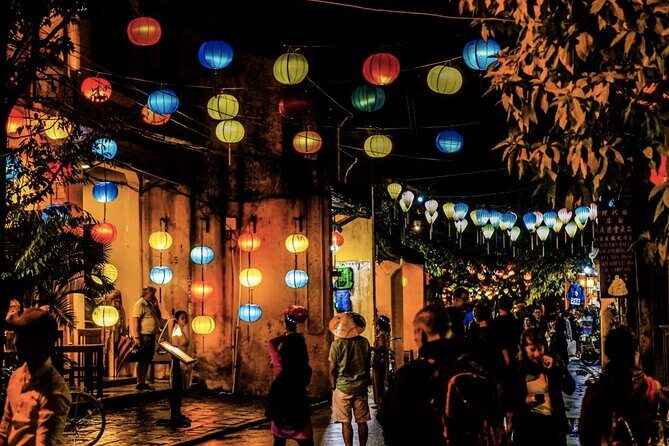
Hoi An markets itself with lanterns. This tour takes you to the other side of that culture—where people don’t treat death like a closed subject.
What I like is the way the tour frames the unseen. Instead of trying to scare you, it explains the logic of beliefs: respect, ritual, and careful behavior. You come away with a better sense of why Hoi An looks the way it does, not just what it’s famous for.
This is also a history walk, but with a different lens. You’ll hear how the city’s past shaped homes, neighborhoods, and even local rules about spirits and timing.
You can also read our reviews of more tours and experiences in Hoi An.



Meeting by the 400-year-old tree near Starbucks Hoi An
You’ll meet your host next to a 400-year-old tree beside Starbucks Hoi An. That matters more than it sounds: it’s a clear landmark, and you don’t waste time hunting for your group.
From the start, the tour sets expectations as a walking experience. You’re looking at roughly 1.5 km total distance (about a mile) and about 1.5 hours of walking time, wrapped into a 2-hour experience. So think “stroll with stops,” not “sit and learn.”
Also note the tone: you’ll be led into darker alleys and cultural sites. Even if you’re not a horror fan, this is the kind of walk that asks you to slow down and pay attention to local signs and stories.
How the route uses shadowy alleys to tell real stories

The route is built around contrast: bright old-town landmarks are the obvious version of Hoi An; these streets show the quieter edges.
You’ll move through alleys that feel less curated, the kind locals use for daily life rather than photo ops. Along the way, your guide connects stories to places, including some locations linked to dreadful discovery and burial practices.
This part of the experience is also practical for your understanding. When you’re physically in the area—close enough to see the details—you’ll grasp what the stories are really pointing at: fear, memory, and respect for unseen forces.
If you’re sensitive to eerie atmospheres, you’ll still be fine. The tour is structured as culture first, mystery second.
The grave stop: incense, ritual, and the living-dead connection
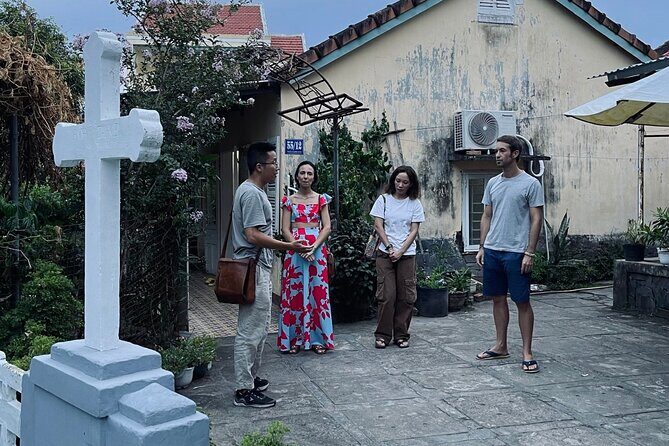
One of the best anchors of the tour is the stop at a grave in the middle of town. That’s where the whole theme becomes understandable: local people don’t just mourn and forget. They maintain relationships with the dead through routine respect and ritual.
The tour focuses on the death ritual and the idea that living people connect with death through incense. Even if you don’t share the belief system, you’ll likely recognize the human side—how communities hold onto memory and meaning.
This stop also helps you read the city differently. After hearing it, you’ll notice that what looks like “just another old place” can carry a moral weight. The tour trains your eye for that.
The story of 108 traders and the apology of the King
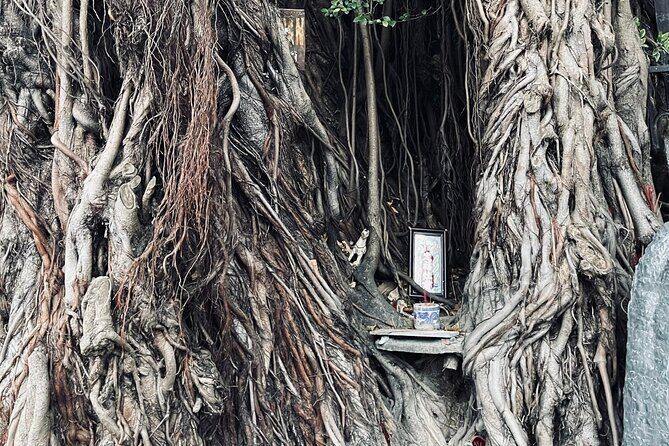
Then comes one of those Hoi An legend moments that’s specific enough to stick. You’ll hear about the murder of 108 traders and the apology of the King as the guide leads you through the alleys.
Whether you treat it as literal history or folklore, it’s still useful. Stories like this explain why communities build caution into their memories. They also give you a way to understand how power, trade, and conflict left marks on the city’s identity.
What makes this stop work on a tour like this is placement. You aren’t hearing it as a random plot twist. You’re being shown the locations so the story has a physical home.



Old houses and the shadow of conflict: immigrants and abandonment
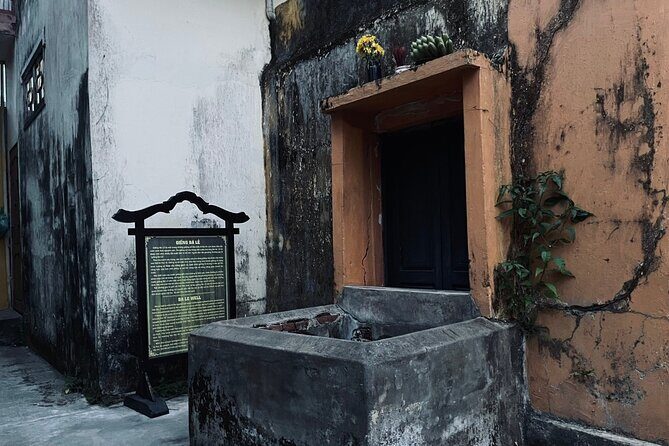
Next, the tour shifts to domestic history. You’ll learn about the war that made immigrants abandon their houses and you’ll visit places tied to the old-town past—especially around what’s described as the shadow of the oldest house in the old town.
This is where the tour stops being just spooky and becomes grounded. You start to see how survival and displacement shape architecture, neighborhoods, and the emotional map of a place.
Guides also tend to bring this section to life with personal storytelling style. In past groups, people highlighted guides such as Sanh for calm, intimate explanation and Tom for entertaining storytelling. If your guide is similar, you’ll get the context without feeling lectured.
How locals protect homes from dark spirits and taboos
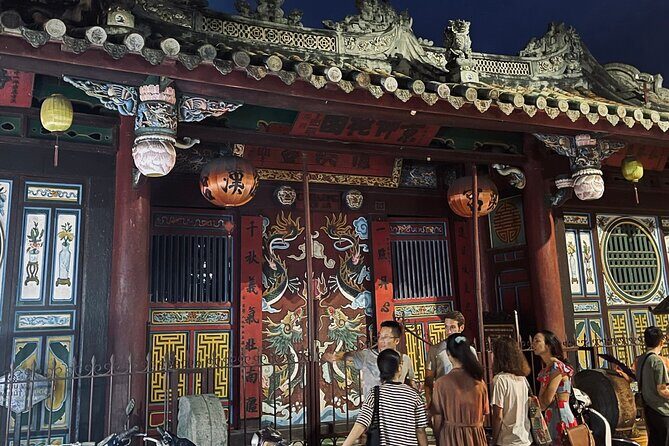
One of the most practical parts of this experience is also one of the most cultural: you’ll see how locals protect their houses from dark spirits and how taboos affect behavior.
You’ll be told about rules tied to timing—especially what people avoid during Full Moon and New Moon. That detail matters, because it shows how belief isn’t only about big ceremonies. It can show up in daily habits and household choices.
You might also notice the tour’s overall method here. It doesn’t just say “they believe this.” It connects belief to visible behavior and local restrictions. That’s what makes it feel authentic rather than like a spooky theme park.
The mystery monster living in Hoi An
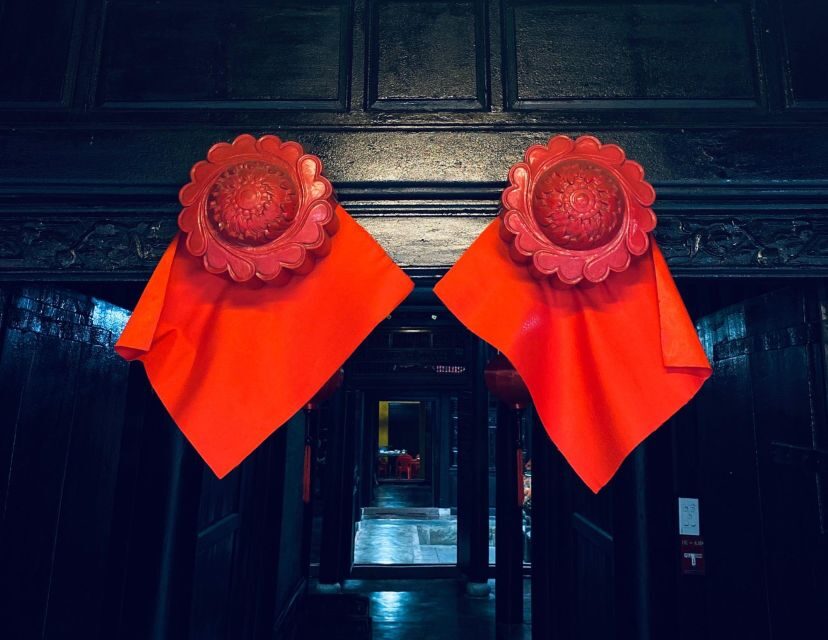
Then you get to the portion that sounds most supernatural: the tour includes the mystery monster living in Hoi An.
Even if you’re the type who wants “proof,” this section is still worth your attention. Monsters in folklore are often symbols for fear, danger, or moral lessons. Hearing it alongside the rest of the beliefs about spirits and taboo gives the story a clearer emotional job.
Also, the tour’s pacing keeps it fun. Multiple guide styles got praised for humor and warmth, including comments about dad jokes from one guide experience and friendly conversation from others.
So if you want dark stories but still want to leave smiling, this format can fit.
Rain or shine, but keep your feet comfortable
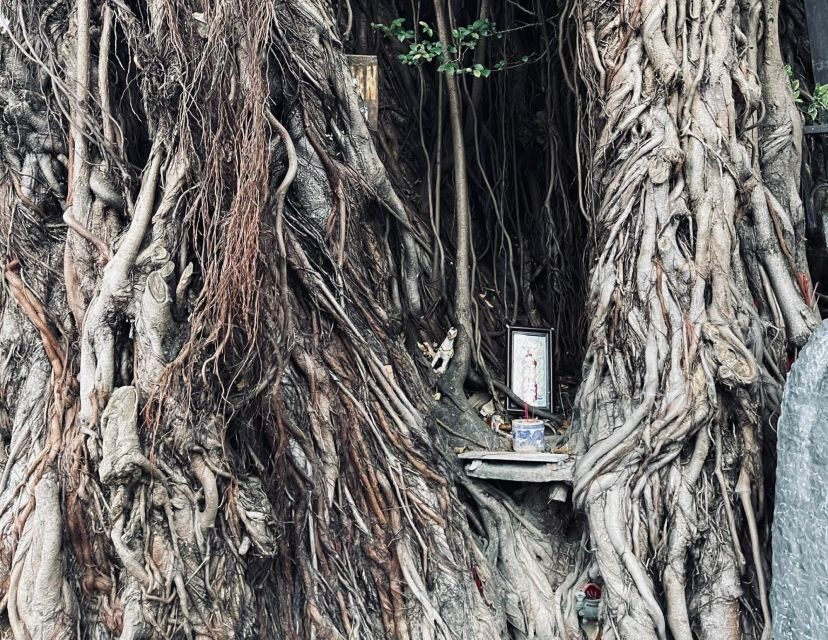
The tour runs rain or shine, so plan like it’s a walking day. You’ll cover around 1.5 km, and the route includes cultural stops such as graves, ancient houses, and ancient wells.
Here’s your practical takeaway: wear shoes you trust. Some areas described as alleys can feel uneven or dim, and you’ll be standing at stops long enough to listen.
Because it’s a walking tour with cultural sites, it’s not ideal if you want a purely indoor, climate-controlled itinerary. But if you’re okay with weather and walking, you’ll likely enjoy how close the tour puts you to the city.
Small group energy: why the max of 10 matters
This is limited to 10 participants, and that changes the tour feel. In small groups, you get more back-and-forth, and it’s easier for your guide to answer questions without rushing.
That’s also where the reviews’ themes make sense: people consistently pointed out guides’ calm energy, kindness, and depth of answers. Names that came up include Nhat, Kun, Sanh, Sinh, and Vinh, each praised for communication and storytelling.
Even if you don’t remember every legend, you’ll likely remember how questions were handled—because the guide can tailor explanations to what you care about, whether that’s spirituality, local culture, or Hoi An history.
Price and value: is $20 fair for a 2-hour ghost-and-history walk?
The price is $20 per person for about a 2-hour experience with an English-speaking guide. At this rate, you’re mostly paying for three things: guided context, access to quiet places, and the storytelling that turns locations into meaning.
For value, the key points are:
- Small group size (up to 10), which usually means more attention per person.
- A focused theme that’s different from the typical lantern-only Hoi An experience.
- A human guide, not audio-only explanations.
You’re not paying for transportation or hotel pickup—so you’ll want to plan to get yourself to the meeting point. But that’s also why the cost stays reasonable.
If your goal is a supernatural scare show, this likely won’t be the best match. If your goal is understanding Hoi An through the culture of death and respect, $20 can feel like a bargain.
Who this tour is best for (and who should skip it)
This is a strong fit if you:
- Want culture and beliefs, not just ghost stories for entertainment
- Enjoy walking tours with specific stops and local context
- Like history, including how conflict shapes communities
- Appreciate tours where questions are welcome
It may be less ideal if you:
- Hate graveyards or places associated with death rituals
- Want bright, family-friendly sightseeing only
- Need full wheelchair-friendly routes that are guaranteed to avoid uneven alleys (the tour is listed as wheelchair accessible, but the route includes dark alleys and older areas)
If you’re unsure, consider what you want from Vietnam. Hoi An is beautiful, yes. But this tour helps you understand the culture underneath the beauty.
Final verdict: should you book this Hoi An Ghosts, Death, Mystery Unveiled tour?
I’d book it if you want something memorable in Hoi An that’s still respectful. This tour’s biggest strength is that it treats death beliefs as part of daily life—through incense, taboos, homes, and stories tied to real locations.
Skip it only if you’re looking for a jumpy horror show or you can’t handle a walking route to graves and ancient sites, even when the tone stays culture-focused.
If you love learning by being in the place, and you like mysteries with meaning, this is a very solid use of two evenings in Central Vietnam.
FAQ
How long is the Hoi An Ghosts, Death, Mystery Unveiled tour?
The tour lasts about 2 hours. It includes roughly 1.5 hours of walking time and covers around 1.5 km (about a mile).
Where do I meet the guide?
Meet next to a 400-year-old tree beside Starbucks Hoi An, where the host will be waiting.
Is the tour in English?
Yes. The guide speaks English, and the experience is described as an English-language tour.
Does the tour run in bad weather?
Yes. It takes place rain or shine.
What will we walk to during the tour?
You’ll visit cultural sites such as graves, ancient houses, and ancient wells, plus areas described as ghost alleys.
How many people are in a group?
It’s a small group with a limit of 10 participants.