REVIEW · HOI AN
My Grandma’s Home Cooking Class in Hoi An
Book on Viator →Operated by Heaven & Earth Bicycle Tours · Bookable on Viator
A boat ride sets the mood. You’ll start in Hoi An, cruise about 35 minutes across the river delta, and spend the day in a real family kitchen learning Vietnamese comfort-food techniques. You’ll love the hands-on rice paper part, not just watching from the sidelines, and you’ll also get a small-group experience that feels personal. The one thing to think about first: this class is built around a lot of food, so arrive hungry and don’t plan a big breakfast beforehand.
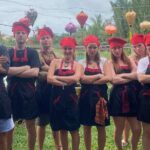
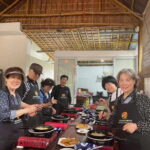
At the center of it all is the home setting. The guide, often described as Thom (and her family), leads you through the process step by step, and you cook alongside a small crew with clear instruction. From there, the day flows into a garden meal where you’re not just tasting dishes, you’re eating them right where they were made.
One possible drawback is timing and fullness. The schedule is long enough to feel like a full morning-to-afternoon outing, and the portions add up fast, so you may end the meal very satisfied, maybe even too full.
In This Review
- Key Points to Know Before You Go
- A Morning That Starts With the River Delta (Not a Classroom)
- From Meeting Point to Island Kitchen: How the Flow Works
- What You’re Really Learning: Rice Paper and Local Technique
- The Dishes on the Menu (Plus What to Expect in Each)
- Bánh Xèo: Small Crepes With Big Flavor
- Pork Brochettes With Special Sauce
- Green Papaya Salad: Crunch, Acid, and Freshness
- Local Fish: Learning the Recipe Rhythm
- The Garden Meal: Lunch Included, Plus Pumpkin Soup and Xí Mà
- Vegetarian Options Without the Usual Compromises
- Price and Value: What $35 Actually Covers
- Logistics That Actually Affect Your Day
- Who This Experience Is Best For
- Should You Book My Grandma’s Home Cooking Class in Hoi An?
- FAQ
- FAQ
- Where does the class start in Hoi An?
- What time does the experience run?
- How long is the cooking class?
- How do you get to Grandma’s island home?
- What’s included in the $35 price?
- What dishes will you learn to make?
- Is there a vegetarian menu?
- How many people are in the group?
- Does the experience include insurance?
- What happens if weather is poor?
Key Points to Know Before You Go
- 35-minute boat trip across Hoi An’s river delta to reach the island village home
- Small group up to 12 people for more personal attention while you cook
- Rice paper making and classic Hoi An dishes, not just a casual food demo
- Cook, then eat in Grandma’s garden, including pumpkin soup and xí mà dessert
- Vegetarian menu available on request, with specific dish swaps
- Recipe book included, so you can recreate the dishes at home
A Morning That Starts With the River Delta (Not a Classroom)
This experience begins in Hoi An at 61 Ngô Quyền, in the neighborhood of Phường Minh An. The start time is 9:30 am, and the day runs until about 3:00 pm, so you’re planning a full half-day to full-day block of your schedule.
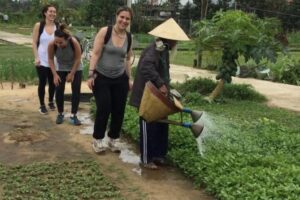
The first “wow” moment is the boat ride. You’ll take a boat for about 35 minutes to reach Grandma’s small island village home, in the peaceful river delta around Hoi An. It’s a gentle change of pace from the city. You’re moving through calm water, not stuck in traffic, and you arrive ready to learn rather than already tired.
You can also read our reviews of more cooking classes in Hoi An

From Meeting Point to Island Kitchen: How the Flow Works
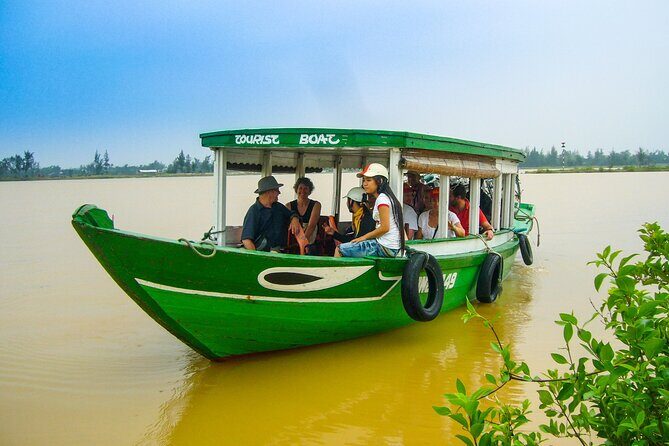
After you meet at 61 Ngô Quyền, you’ll be transported by boat to the family’s village on the island. While the ride is long enough to feel like part of the day, it’s also short enough that it doesn’t drag.
Once you arrive, you start with a welcome drink: fresh fruit juice, described as a typical Vietnamese fruit-based drink. This is a small but smart move—by the time you’re sitting down, you’re warmed up and settled, and the class doesn’t start with a hard jump into technique.
Then you’ll get time to learn about countryside life and meet Grandma. One review detail that’s useful to know: Grandma may not come out as much due to her age. Even so, the day still centers on her recipes and family stories, and you’ll understand that this is more than a staged performance.
What You’re Really Learning: Rice Paper and Local Technique
The cooking lesson happens in Grandma’s home, and that’s where the experience separates itself from typical “cook with someone” classes. The focus is on local methods and real ingredients—especially the rice paper used for fried eggroll style dishes.
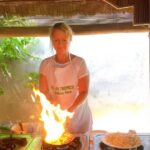
You’ll learn how rice paper is prepared, then you’ll use what you learn to cook several regional dishes. The way the class is set up matters: participants cook at their own stations, so you’re not just taking turns watching someone else. It also helps that the guide is described as speaking strong English, which makes the steps easier to follow when you’re working with unfamiliar Vietnamese ingredients.
The Dishes on the Menu (Plus What to Expect in Each)
You’ll cook and eat a full meal that mixes hot, fresh, and savory dishes. The core set of dishes listed for the class is:
- Bánh Xèo (small rice flour crepes), a Hoi An specialty
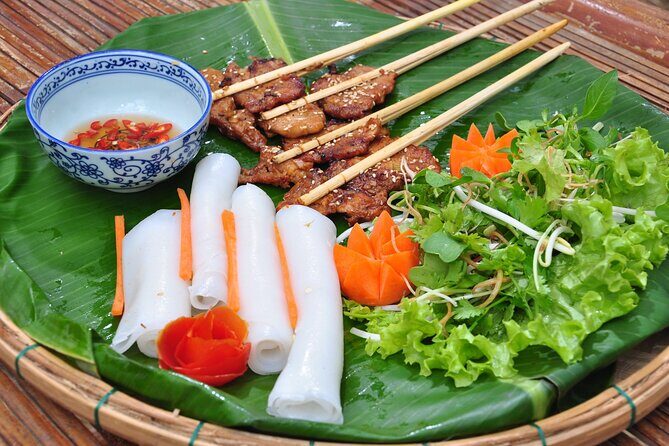
- Grilled, marinated pork brochettes with a special sauce
- Green papaya salad
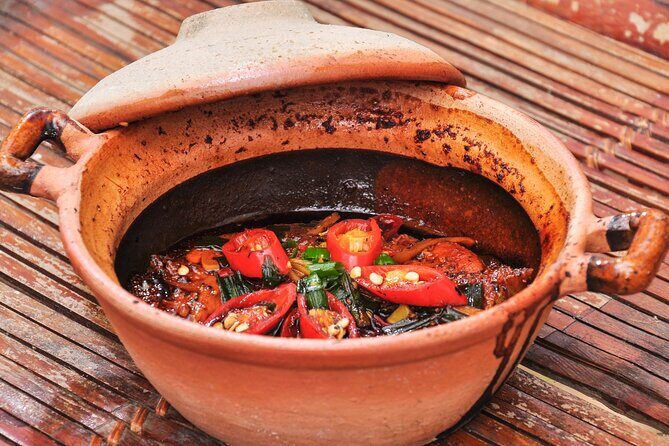
- Fish prepared using a local recipe
Here’s how each one fits the day.
Bánh Xèo: Small Crepes With Big Flavor
Bánh Xèo is a great dish for a class because it teaches both timing and balance. You’re working with batter (rice flour) and learning what texture you’re aiming for. It also gives you that classic Hoi An feel right away—this isn’t a generic “international crepe” lesson.
You can also read our reviews of more tours and experiences in Hoi An


Pork Brochettes With Special Sauce
The pork dish helps you understand Vietnamese flavor structure: marinating plus a sauce finish. Expect the class to emphasize the way the marinade builds flavor before heat hits the meat. Since you’re cooking it yourself, you’ll leave with a clearer sense of what to prioritize at home—salt, sweetness, acidity, and the timing of grilling.
Green Papaya Salad: Crunch, Acid, and Freshness
Papaya salad is the dish where you’ll notice the difference between taste theory and actual mixing. The balance of crunchy texture and sharp dressing is where Vietnamese home cooking shines. Even if you don’t cook it perfectly on the first try, the lesson gives you a roadmap for getting it close.
Local Fish: Learning the Recipe Rhythm
The fish is prepared according to a local recipe, which adds variety beyond pork and salads. If you’re used to eating fish but not cooking it Vietnamese-style, this is a valuable part of the day. It rounds out the meal and helps the class feel like a real family lunch, not just a demo of multiple unrelated dishes.
The Garden Meal: Lunch Included, Plus Pumpkin Soup and Xí Mà
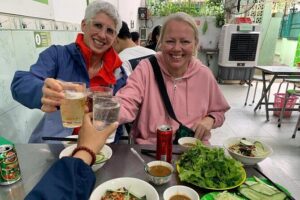
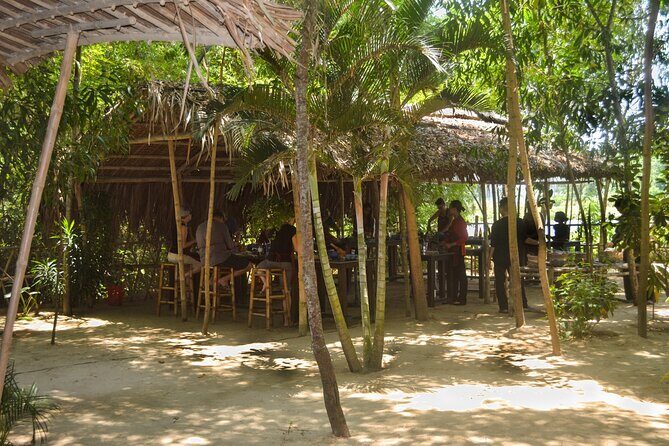
Once your cooking is done, you eat what you made. You’ll enjoy the meal in Grandma’s garden, which is exactly the right setting: you’re surrounded by the same calm island feeling you started with, and you’re not rushing off to the next stop.
The meal includes more than the main dishes. You’ll also be served:
- Pumpkin soup
- Xí Mà, a black sesame dessert
This is where the experience becomes cultural, not just culinary. Cooking skills are great, but tasting the full meal—soup, main dishes, and dessert—turns the class into something you can remember.
And yes, it’s a lot. Multiple comments point to the quantity. So take the “come hungry” advice seriously. If you already ate a heavy breakfast, you may find the later courses harder to finish.
Vegetarian Options Without the Usual Compromises
If you want vegetarian food, you can request a vegetarian menu in advance. The listed vegetarian option includes:
- Bánh Xèo
- Grilled eggplant
- Green papaya salad
- Mushroom and tofu clay pot
This matters because you’re still eating a Vietnamese meal, not a fallback plate of plain sides. The menu keeps the variety—crisp, savory, fresh, and warm—so it doesn’t feel like you’re missing the point.
Price and Value: What $35 Actually Covers
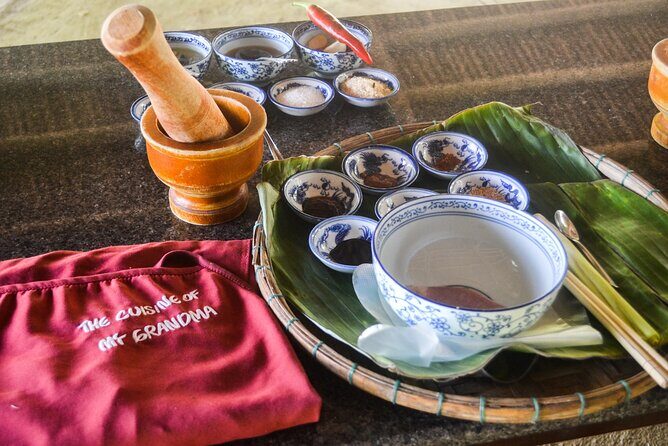
At $35 per person, this class can feel like a bargain because it’s not only the cooking instruction. The price includes:
- Lunch
- Bottled water
- Boat trip
- Welcome drink
- Recipes book
When you add that up, you’re paying for a full half-day experience with transport, food, and a take-home guide. Many cooking classes cost less on paper but don’t include the broader “day out” pieces like the boat ride and the full meal components.
Also, the group size cap of 12 people is part of the value. Smaller groups typically mean more chances to get your questions answered while you’re actively cooking.
Logistics That Actually Affect Your Day
A few practical points can make your experience smoother.
Timing: The tour runs from 9:30 am to about 3:00 pm. Plan for a later lunch and possibly skip a big afternoon snack right after, because the meal portion size adds up.
Meeting point: 61 Ngô Quyền is the start, and the activity ends back at the same meeting point. You’re not doing a complicated route across town.
Weather: This experience requires good weather. If it’s canceled due to poor weather, you’ll be offered a different date or a full refund. On a bright day, the boat ride and garden meal feel more comfortable and relaxed.
Mobile ticket: You’ll use a mobile ticket, which keeps things simple on the day.
Who This Experience Is Best For
This is a strong pick if you want Vietnamese home cooking in a real family setting. It’s ideal for you if:
- You love hands-on cooking and want to learn techniques like rice paper
- You want a Hoi An experience that goes beyond the old town streets
- You like small-group activities and clearer instruction
- You want vegetarian options that are still “full menu” quality
It may not be the best fit if:
- You have a very limited schedule and can’t spare a longer morning-to-afternoon block
- You’re not comfortable with being outside more than a short stop (boat + garden meal)
- You don’t want a meal with substantial portions
Should You Book My Grandma’s Home Cooking Class in Hoi An?
If you want something authentic, hands-on, and not overly staged, I’d book it. The combination of the boat ride to the island home plus cooking in that family space makes the day feel like it has a beginning, middle, and end, not just a rushed cooking session. The food lineup is also a solid snapshot of Hoi An tastes, especially the rice paper and Bánh Xèo focus.
My only hesitation is the amount of food and the length. If you’re the type who likes to snack through your day, this meal might push you past your comfort zone. Fix that by skipping breakfast or keeping it light. If you do that, you’ll get the full payoff: technique you can repeat at home, and a meal you’ll actually remember.
FAQ
FAQ
Where does the class start in Hoi An?
It starts at 61 Ngô Quyền, Phường Minh An, Hội An, Quảng Nam, Vietnam.
What time does the experience run?
Start time is 9:30 am, and it returns to the meeting point around 3:00 pm.
How long is the cooking class?
The duration is about 5 hours 30 minutes.
How do you get to Grandma’s island home?
You travel by boat for about 35 minutes to reach the island village.
What’s included in the $35 price?
The price includes lunch, bottled water, the boat trip, a welcome drink, and a recipes book.
What dishes will you learn to make?
The class includes Bánh Xèo, grilled marinated pork brochettes with a special sauce, green papaya salad, and fish prepared using a local recipe.
Is there a vegetarian menu?
Yes. Vegetarian menu on request includes Bánh Xèo, grilled eggplant, green papaya salad, and a mushroom and tofu clay pot.
How many people are in the group?
The maximum group size is 12 people.
Does the experience include insurance?
No, insurance is not included.
What happens if weather is poor?
This experience requires good weather. If it’s canceled due to poor weather, you’ll be offered a different date or a full refund.