REVIEW · HOI AN
Private Boat to Hoi An Craft Villages-Pottery, Carpentry village
Book on Viator →Operated by TTP Henry Travel Hoi An · Bookable on Viator
Craft villages feel like stepping off a postcard. This private trip mixes a Thu Bon River boat ride with hands-on craft time at Thanh Ha pottery and Kim Bong carpentry—so you see how old Hoi An was built, not just how it looks. You’ll also spend time riding and walking through working village lanes, which is where the real rhythm of daily life shows up.
I especially like the mix of “watch” and “make” elements. You’re not just looking at finished souvenirs; you get time focused on decorative pottery (teapots, cups, vases, bowls) and the chance to create something for yourself. I also enjoy the human side: an English-speaking guide who keeps the craft stops clear and makes the ride between them feel like a story.
One consideration: there’s biking around the village plus walking, so it’s best if you’re comfortable with light activity and the outdoor pace. Also, because it’s only 3 to 4 hours, you’ll get a strong overview rather than a deep, slow workshop day.
In This Review
- Key highlights at a glance
- Boat to craft villages: the Thu Bon River shortcut to real work
- Thanh Ha Pottery Village: decorative wares with ties to old buildings
- Kim Bong Carpentry Village: furniture and carvings rooted in boat-building
- Biking and village lanes: weaving mats and rice noodle making
- What’s included (and why the $40 feels fair for a private craft route)
- Pace, timing, and what you’ll actually feel in 3–4 hours
- Who this tour suits best (and who should choose differently)
- Should you book this craft-village boat tour?
- FAQ
- How long is the private boat to Hoi An craft villages tour?
- What time does the tour start?
- Is hotel pickup and drop-off included?
- Is this tour private?
- What craft villages do you visit?
- Are entrance tickets included?
- What’s included in the tour price?
- Is there a boat ride?
- Does the tour depend on weather?
- What is the cancellation policy?
Key highlights at a glance
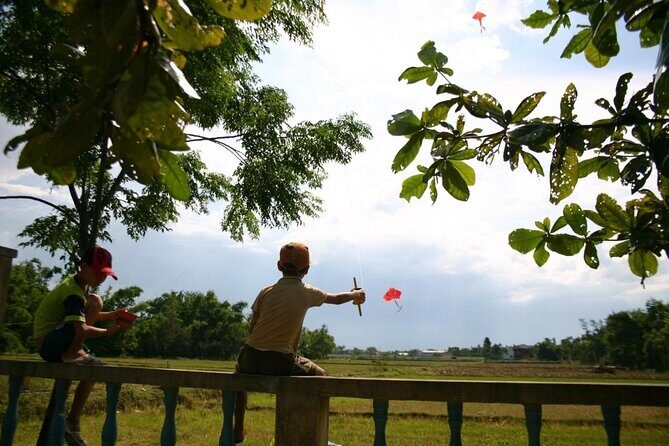
- Local-style boat ride through the waterways near Hoi An
- Thanh Ha pottery ties to historic construction materials
- Kim Bong carpentry shows how traditional wooden fishing boats are made
- Time to create a pottery product especially for you
- Village stops for weaving mats and rice noodle making
- Private group feel with hotel pickup and drop-off
Boat to craft villages: the Thu Bon River shortcut to real work
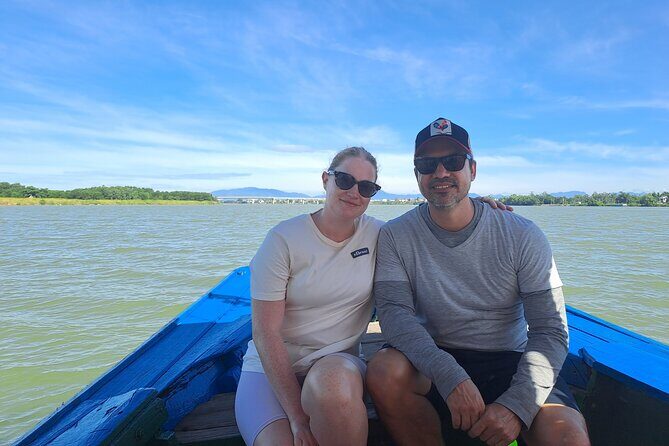
This tour gives you one of the smartest ways to experience rural Hoi An: you start on the water. A local-style boat carries you from the Hoi An area to nearby craft villages, which means less time on traffic and more time noticing how communities connect by waterways.
The river part matters more than it sounds. It sets a slower tempo, and you’re already in “village mode” before you reach the workshops. Even when you’re only there for a few hours, you’ll feel the geography—water first, roads second—because the crafts are built around that daily flow.
You’ll join either an 8AM morning departure or a 2PM afternoon departure. The timing is useful: mornings often feel calmer for photos and walking, while afternoons can be a nice change if you want this as a second-day activity.
You can also read our reviews of more boat tours in Hoi An



Thanh Ha Pottery Village: decorative wares with ties to old buildings
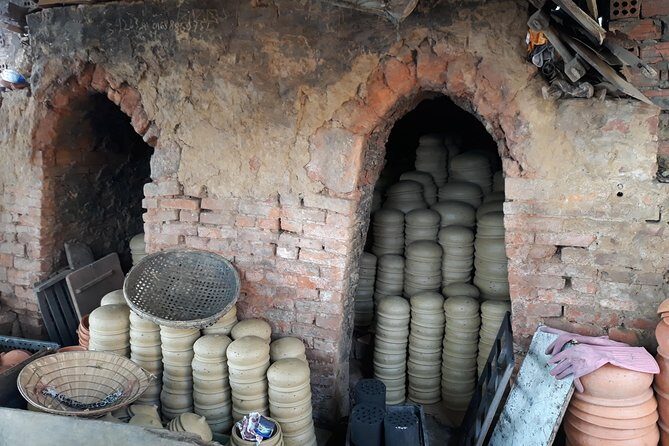
At Thanh Ha Pottery Village, you’ll spend about an hour in the pottery-focused zone. Thanh Ha was a thriving village centuries ago, known for earthenware sold across central Vietnam. What I like here is the practical link to construction: Thanh Ha villagers made bricks, tiles, and floor slabs for old buildings in Hoi An and the surrounding areas.
That context turns “pottery village” from a craft-shop stop into something more grounded. You see why fired clay wasn’t just for decoration—it was part of how people built their homes, shops, and public spaces. When you understand that origin, the decorative pottery you watch being made feels more meaningful, not just decorative.
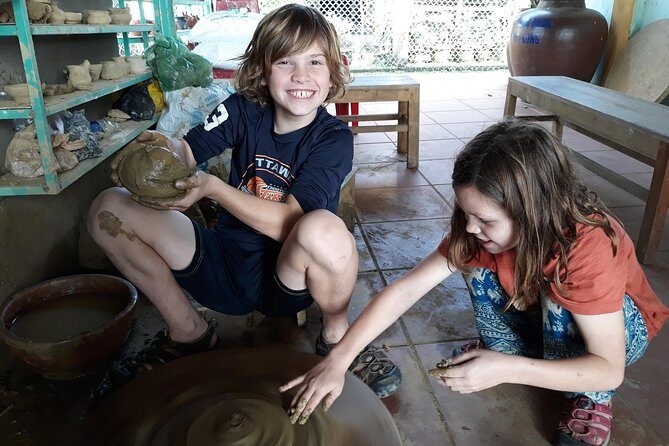
During your visit, you’ll see hand-crafting of decorative pottery such as teapots and cups, plus vases and bowls. The tour includes time to have a product made especially for you. That’s the moment that often makes this stop memorable, because you go home with more than a picture of a workshop.
What to watch for: focus on the steps—shaping, finishing, and how the final form comes together. If you’re asking questions, this is the best place to do it, since the craft style is the star of the hour.
Kim Bong Carpentry Village: furniture and carvings rooted in boat-building
Next comes Kim Bong Carpentry Village, located at Cam Kim Hamlet, with about two hours on this side of the tour. Kim Bong is famous for carpentry, and the tour framing makes it clear why the craft has staying power: many pieces of Hoi An’s older architecture were produced by the village’s ancestors when Hoi An thrived as a major seaport.
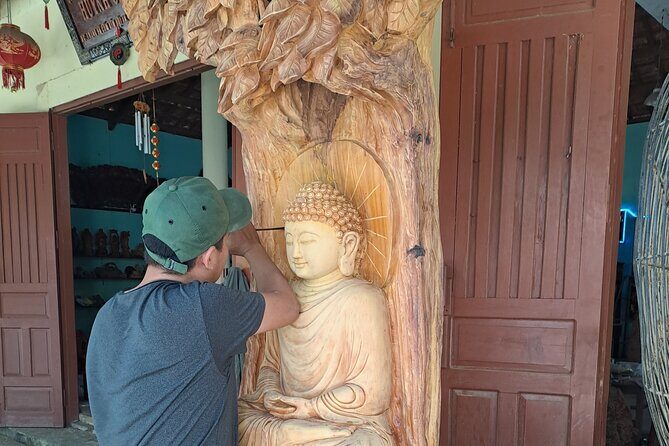
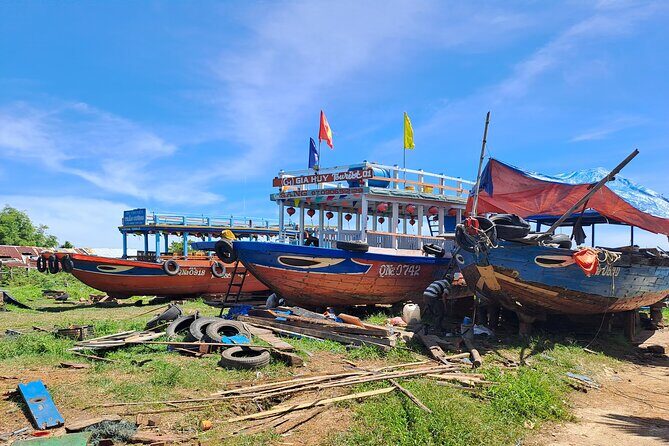
But the craft focus isn’t abstract. You’ll watch how traditional wooden fishing boats are made, and that’s a huge deal if you like hands-on engineering. Boat-building requires joinery that can take stress from water and wind. When you see that skill applied to boats, it explains the quality behind furniture and carvings you might notice in town later.
While you’re there, you’ll see carpenters create handcrafted furniture and carvings. This stop is also a good reset from pottery’s clay-and-firing rhythm into wood-and-precision work. Even if you don’t know carpentry terms, you can still “read” what’s happening—tools, measurements, and the way pieces fit together.
Small drawback to keep in mind: carpentry demos can be more visually subtle than pottery. If you’re the type who loves immediate mess-and-motion, take your time here and ask your guide what to look for in the joinery or shaping.
Biking and village lanes: weaving mats and rice noodle making
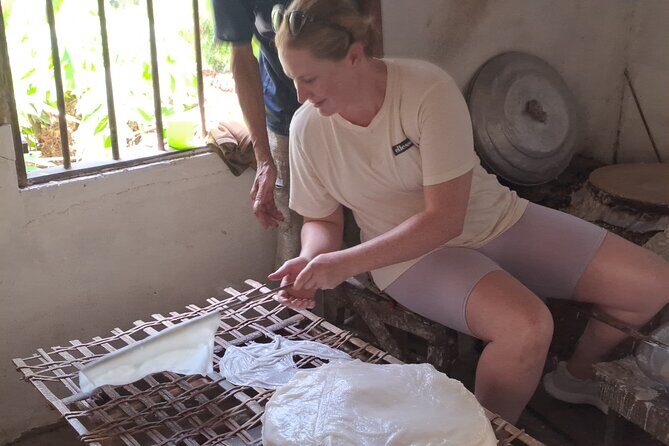
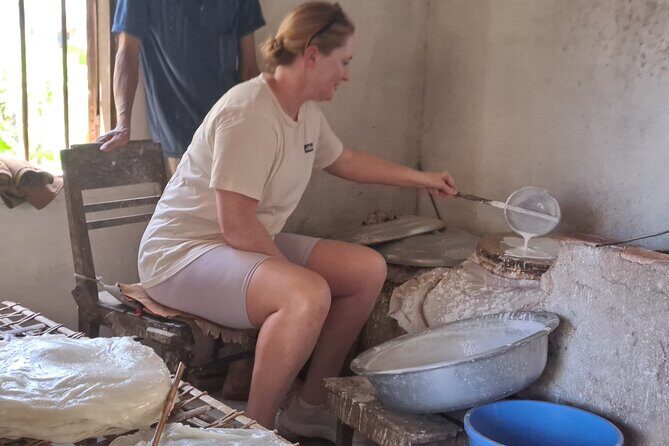
Between and around the main craft stops, you’ll bike through village areas and walk around to see everyday production. The tour mentions weaving mat making and rice noodle making as part of the village experience. This is where your trip stops feeling like a museum route and starts feeling like you’ve been granted a window into how people earn a living.
The biking component is part of the charm. You don’t just arrive, watch, and leave—you move through the place. That movement helps you connect the crafts to the local setting: where materials might come from, where people gather, and how the village layout supports both work and life.
One of the standout moments from past visitors is the rice element. Even though the tour describes it as watching rice noodle making, the food side clearly lands well. If you’re the type who enjoys a “learning + tasting” combo, this is one of the best portions to lean into. You’ll get a stronger sense of the local food system, not just the craft system.
Tip for the bike portion: keep an eye on your comfort level. It’s not described as extreme, but it is active. If you’re prone to getting sore quickly, plan to slow down a bit during the walk sections and focus your energy on the craft stops.
What’s included (and why the $40 feels fair for a private craft route)
The price is $40.00 per person for a private tour that runs about 3 to 4 hours. For that, you get hotel pickup and drop-off, an English-speaking tour guide, entrance tickets, and bottled water. You also get a mobile ticket, which is handy when schedules change slightly.
Value-wise, I think this is strongest for two reasons. First, the itinerary includes real entry tickets and guided access to two craft villages, not just a scenic ride. Second, it’s private—meaning your group controls the pace more than a typical shared tour.
If you’re traveling as a small group (family or friends), private often beats “cheap group tour” because you’re less stuck waiting and more able to ask questions. Also, group discounts are mentioned, which can make the per-person cost drop further depending on your situation.
And yes, the boat portion is part of the value. Boat rides are rarely free, and they’re also one of the easiest “wow” factors in this region. You’re paying for transportation plus a focused guide-led route through crafts you’ll likely want time in to understand.
You can also read our reviews of more private tours in Hoi An






Pace, timing, and what you’ll actually feel in 3–4 hours
You’re looking at a compact run: about one hour at Thanh Ha, roughly two hours at Kim Bong, plus travel and village time in between. That structure is ideal if you want craft depth without losing an entire day.
I like this pace because it keeps your brain in “learning mode” rather than “wandering mode.” With multiple stops, you’re constantly connecting themes—how materials are shaped, how skill is passed down, how daily production supports the town’s economy.
One practical note: the tour requires good weather. If conditions are rough, you’ll either be offered a different date or a full refund, so don’t plan it as an only option if you have fixed tickets elsewhere.
Who this tour suits best (and who should choose differently)
This is a great fit if you want a craft-focused day but still like scenery and movement. You’ll enjoy it most if you care about traditional making—pottery details, woodwork, and the daily production side like weaving mats and rice noodle making.
It also works well for families. One highlight from past visitors was a parent-and-child experience where the practical making and food part kept the energy up. If you have kids, this kind of “watch how it’s made” plus a short interactive moment often beats a long lecture-style outing.
If you’re the type who wants a slow artisan workshop where you can take home a large, complex project, you might find this tour too short. Still, for many people, short and focused is exactly the point.
Should you book this craft-village boat tour?
Book it if you want the best mix of scenery + traditional craft learning in half a day. The Thanh Ha and Kim Bong pairing is smart because it covers both the decorative side (pottery and products) and the structural side (carpentry and boat-building). Add in the village biking and food-making stops, and you get a rounded sense of how crafts live inside everyday life.
Skip it (or pick another option) if you dislike any outdoor activity like biking and walking. Also, if your idea of “craft experience” means spending hours in a workshop finishing something elaborate, this is more of an overview with hands-on moments, not a full custom studio day.
If you like practical, real-world travel—watching people work and learning what’s behind the goods—this private craft route is a strong use of your time in Hoi An.
FAQ
How long is the private boat to Hoi An craft villages tour?
It runs about 3 to 4 hours.
What time does the tour start?
You’ll meet in the hotel lobby at 8AM for the morning tour or 2PM for the afternoon one.
Is hotel pickup and drop-off included?
Yes. The tour includes hotel pick-up and drop-off.
Is this tour private?
Yes. It’s private, so only your group participates.
What craft villages do you visit?
You visit Thanh Ha Pottery Village and Kim Bong Carpentry Village.
Are entrance tickets included?
Yes. Entrance tickets are included.
What’s included in the tour price?
Included items are hotel pickup/drop-off, an English-speaking tour guide, entrance tickets, and bottled water.
Is there a boat ride?
Yes. You take a local-style boat ride on the waterways from the Hoi An area to the craft villages.
Does the tour depend on weather?
Yes. Good weather is required. If it’s canceled due to poor weather, you’ll be offered a different date or a full refund.
What is the cancellation policy?
You can cancel up to 24 hours in advance for a full refund. If you cancel less than 24 hours before the experience’s start time, the amount paid is not refunded.