REVIEW · HOI AN
Private cooking class tour with Master Chef
Book on GetYourGuide →Operated by Lantern restaurant and cookingclass · Bookable on GetYourGuide
Your dinner starts at the market. This one-day class in Central Vietnam turns local shopping into real cooking skills, not just a hands-on meal. I like that you learn how to deal with sellers and pick the right ingredients, and I love the small private group setup that keeps the coaching personal. The only catch to note: the menu can change based on ingredient availability, so don’t expect every ingredient to be identical on every day.
You’ll have a simple, structured flow to follow: pickup in Hoi An, a market stop (if you choose the market-and-garden option), then cooking with a professional chef and eating what you make. Expect classic dishes like Hoi An crispy spring rolls, green mango with prawn salad, and a choice between Hanoi beef noodle soup or chicken noodle soup, finished with mixed fresh fruit. If you’re picky about allergens or you’re traveling with young kids, plan carefully since the class isn’t suited for children under 9 and food allergies need to be handled in advance.
In This Review
- Key things I’d circle before you book
- Why this Hoi An class starts with shopping, not just chopping
- Choosing between cooking-only and the market-plus-garden program
- At the market: learning ingredient names and how to buy them
- The organic garden stop and why it changes your cooking mindset
- Your master chef lesson: technique, timing, and sauce balance
- The menu you’ll cook: sweet-sour chili, mango prawn salad, and spring rolls
- Hanoi-style beef or chicken noodle soup, plus fruit dessert
- Private group pacing and English guidance that keeps you confident
- Price and time: is $39 per person good value?
- Who should book (and who should skip)
- Should you book it: the best-fit call
- FAQ
- What time options are available?
- What dishes will I be cooking?
- Is the market tour included?
- Do I get hotel pickup in Hoi An?
- What should I bring?
- Is it suitable for kids or people with allergies?
Key things I’d circle before you book
- Market practice that teaches how to shop, not just what to buy
- Organic garden time so flavors make sense later in the pan
- A menu with real Vietnamese targets: spring rolls, mango prawn salad, sweet-sour chili sauce
- Chef-led technique built around taste, timing, and sauce balance
- Private group pacing so you get help when your hands get stuck
- A full meal at the end using dishes you cooked, not a quick tasting
Why this Hoi An class starts with shopping, not just chopping
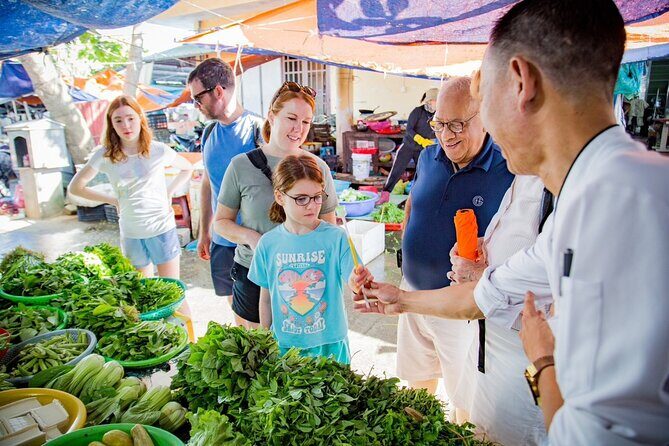
A cooking class can be two things: a nice dinner story, or a practical skill-building session. This one leans practical. Before you touch a stove, you learn how ingredients are actually bought and talked about in the market. That matters in Vietnam, where the difference between good and great often comes down to freshness, ripeness, and the right herbs for the dish you’re aiming to make.
I also like the way the experience balances structure and freedom. You’re not just watching a chef perform. You’re choosing ingredients (when you opt for the market portion), cooking your own dishes, and eating them as a complete meal. That makes the lesson stick, because you taste the result immediately and can connect it to what you did.
One more thing: the class runs in English with a live guide, so questions don’t get lost in translation. And because it’s private, you don’t have to “hope” the instructor notices you’re struggling.
You can also read our reviews of more private tours in Hoi An



Choosing between cooking-only and the market-plus-garden program
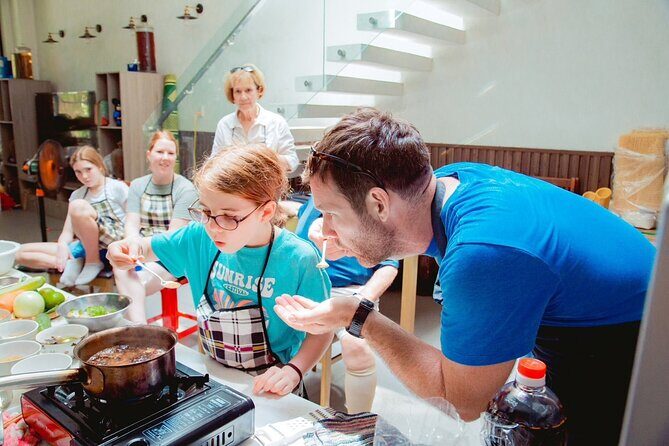
You have two ways to build your day, and it changes the feel a lot.
Option 1: Only Cooking
This is best if your schedule is tight or you already know Hoi An markets well. You’ll do pickup from your hotel in Hoi An and then jump into cooking. Times offered include a morning window (10:30am to 12:30pm), an afternoon window (15:30pm to 17:30pm), and an evening window (18:00pm to 20:00pm).
Option 2: Local market and organic garden
Pick this if you want the full food-nerd experience: market browsing and learning how to deal with local sellers, plus a visit to an organic garden. Morning timing runs 9:00am to 12:30pm, and afternoon runs 14:30pm to 17:30pm. Pickup is arranged by car or motorbike.
If you’re the type who likes to understand where flavors come from, Option 2 is the better match. If your main goal is simply to cook and eat, Option 1 is efficient and still feels complete.
At the market: learning ingredient names and how to buy them
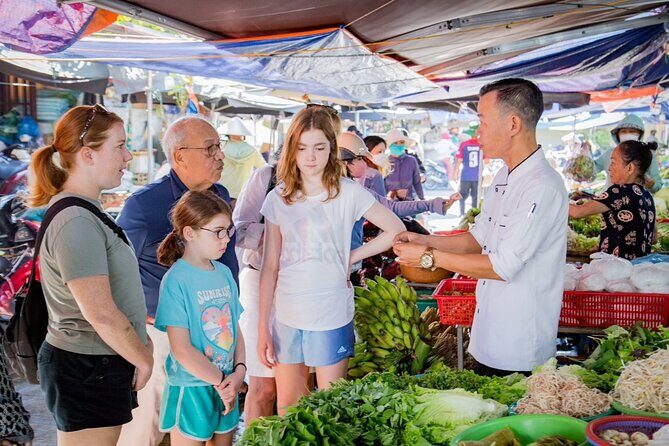
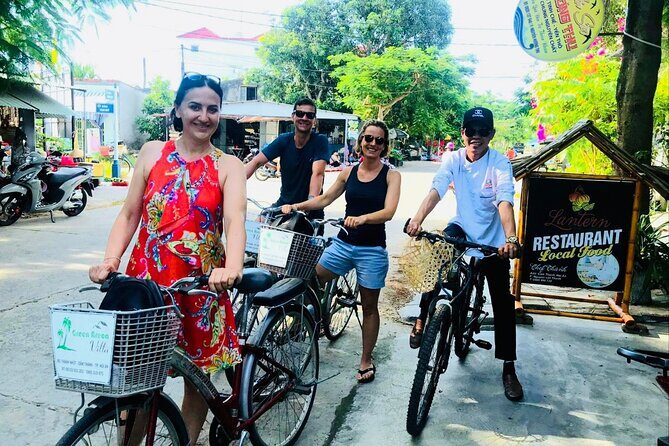
When you choose the market option, you’ll head to a local market in Hoi An and learn how to handle the seller side of buying ingredients. That’s more useful than it sounds. In a cooking class, ingredient confusion is common: you think you’ve bought one herb, but you’ve actually picked a close cousin that behaves differently in sauce.
The market portion is also where you start seeing the logic behind the recipes. You’re not just memorizing steps. You’re learning what these ingredients look like, how to recognize them, and how to ask for what you need in a real setting.
One small practical note: timing can affect market energy. For example, during Tet, the market may feel quieter than usual, but the ingredient walkthrough still helps you identify key vegetables and components you’ll later cook with. So even if the atmosphere isn’t nonstop, you still get the learning payoff.
The organic garden stop and why it changes your cooking mindset
The organic garden visit is the part that makes your later plate feel more connected. When you see herbs and vegetables growing, you start to understand why certain dishes depend on fresh leaves, crunchy textures, or the right fruit ripeness.
It also turns “Vietnamese ingredients” from a list into something you can picture. When the chef later talks about a salad’s balance or a roll’s herbs, you’ll have a mental reference point. And if you’ve ever tasted a dish that felt like it was missing something, you know how valuable that clarity is.
In some sessions, the garden host is part of the personal touch, and you’ll likely hear explanations that connect plant to flavor. That’s the kind of knowledge you can actually use later, even when you’re cooking away from Vietnam.
Your master chef lesson: technique, timing, and sauce balance
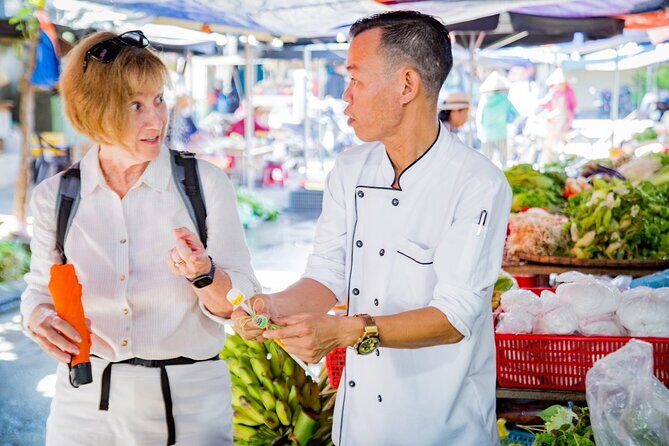
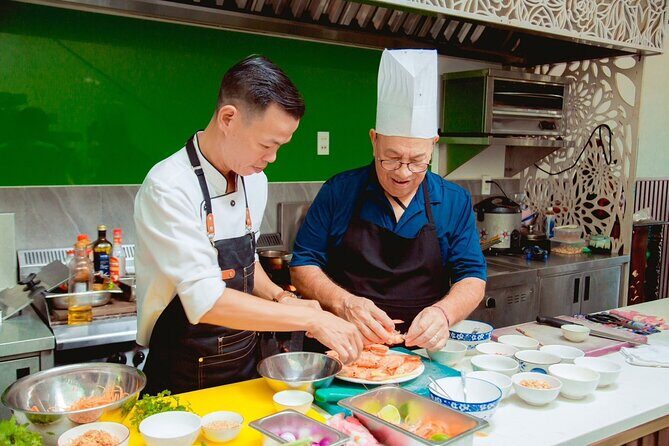
This is led by a professional chef with many years of experience in Vietnamese cuisine, and the teaching style is practical. The class focuses on both traditional and modern Vietnamese dishes, but it never feels like a lecture. You learn, you try, you correct, and then you move on.
From what you’ll experience firsthand, chef patience is a big part of the value. You’ll get step-by-step guidance and advice that helps you avoid the most common mistakes, like overcooking, under-seasoning, or getting sauce thickness wrong. In some sessions, the cooking leader is Chef Thanh (also referred to as Thang), and that sort of patient, hands-on coaching is exactly what makes a cooking class worth doing.
You’ll also learn the “why” behind certain moves. For example:
- sauces are built to balance sweetness and tang before they ever reach the plate
- herbs and crunchy vegetables are added with the dish’s texture in mind
- noodle soups rely on the feel and timing, not just the ingredients
Even if you only cook occasionally at home, that kind of guidance transfers. It’s not about becoming Vietnamese-home-kitchen perfect in one day. It’s about getting better results when you cook similar dishes later.
You can also read our reviews of more cooking classes in Hoi An



The menu you’ll cook: sweet-sour chili, mango prawn salad, and spring rolls
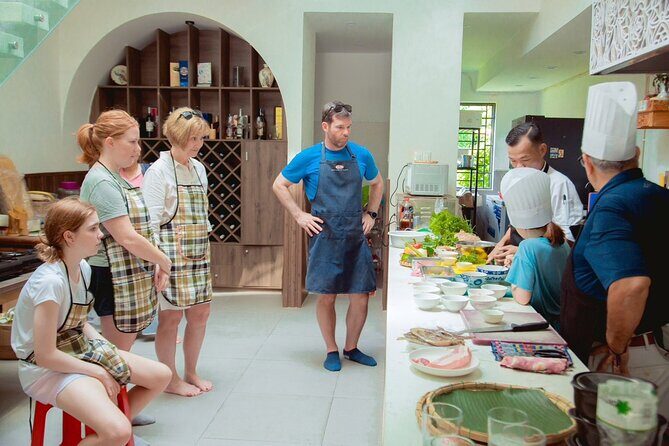
The menu is built like a tour through Vietnamese flavor categories. You’ll make multiple dishes that teach different techniques.
Sweet and sour chili sauce
This is the kind of foundational recipe that shows up in different forms across Vietnam. You’ll learn how to get the right balance so it tastes lively instead of one-note. It’s also one of the easiest ways to see your progress during the class—if your sauce tastes sharp, sweet, and lightly sticky in the right way, the rest of the meal starts falling into place.
Green mango with prawn salad
This dish is a lesson in ripeness and texture. Green mango needs to bring tang and crunch, while the prawns add softness and sweetness. The chef will guide you on combining them so the salad doesn’t just taste like separate components.
Hoi An crispy spring rolls
Spring rolls can be tricky, and that’s why they’re such a good class choice. You’ll learn how to roll and cook them so they stay crisp rather than turning greasy. The goal is that shatter-and-crunch texture you want when you bite in.
Expect the chef to work with you on execution, not just recipe reading. If you’re the kind of traveler who loves cooking but hates being rushed, a private group format helps a lot here. You can move at your pace and still get feedback fast.
Hanoi-style beef or chicken noodle soup, plus fruit dessert
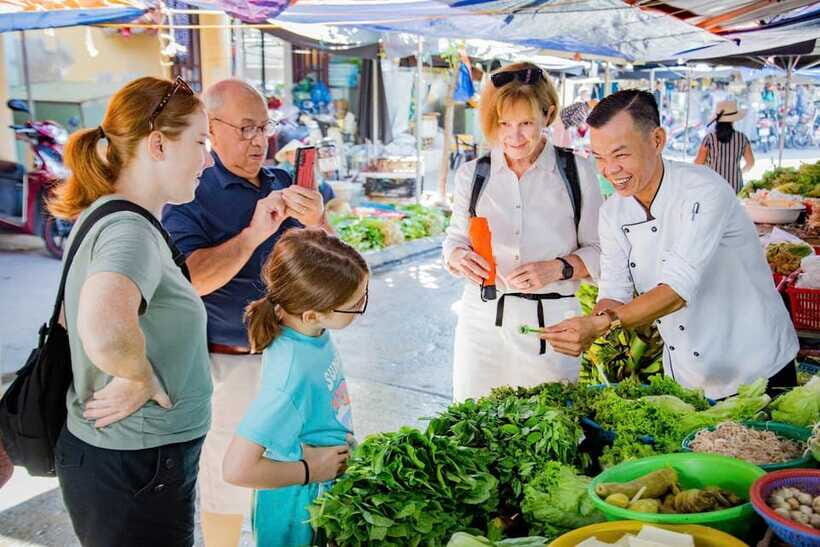
For the main course, you’ll cook a choice between Hanoi beef noodle soup or chicken noodle soup. That choice is nice because it matches different preferences. If you want something deeper and beef-forward, go Hanoi beef. If you want lighter and still deeply comforting, chicken noodle soup is a great pick.
This is also where Vietnamese cooking shows its calm confidence. Noodle soups aren’t usually about complicated tricks. They’re about building a tasty base and then getting the details right: timing, seasoning, and the final balance so the broth tastes finished.
Then comes the part that makes the whole day feel worth it: you sit down and enjoy the meal you prepared. You’ll finish with mixed fresh fruit, which keeps the dessert simple and refreshing instead of heavy.
Private group pacing and English guidance that keeps you confident
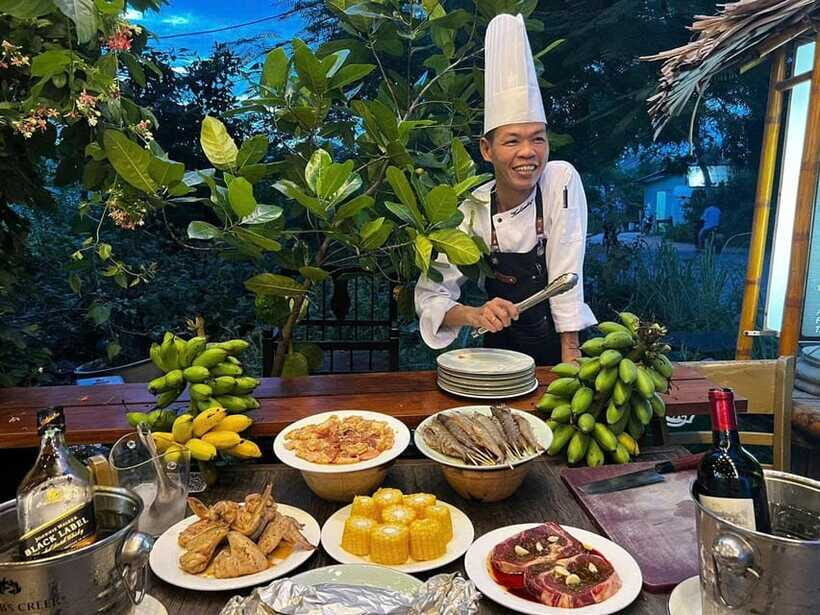
A private group is not just a nicer label. It changes how the lesson feels. You’re not waiting your turn while the chef moves ahead. You can ask questions and get corrected without feeling like you’re slowing down the class.
English guidance helps too. The chef’s instructions include practical tips, and the market/garden portion also gets explained in a way that makes the ingredients easier to remember. In some sessions, the guide is named Thue, and that kind of personable, friendly hosting style can really help you relax and focus on cooking rather than worrying about what you’re doing wrong.
If you get nervous in kitchens, this is a safer bet than a big group cooking workshop.
Price and time: is $39 per person good value?
At $39 per person for a one-day experience, the value comes from what you actually get: a professional chef guide, cooking instruction, ingredients, market learning when you choose the market option, an organic garden visit when you choose it, and then a full meal made by you.
It’s not only the cooking. It’s the full loop:
1) see and learn ingredients
2) cook dishes with coaching
3) eat the results
That loop is why the price feels reasonable. You’re paying for expertise and the ingredients used during the class, not just a meal out.
Time-wise, the experience is designed to fit into a day in Hoi An. Morning, afternoon, and evening options exist for cooking-only, and the market-and-garden timing is longer because of the extra stops.
If your schedule is flexible, I’d steer you toward the option that includes the market and organic garden. If you’re on a tight plan, the cooking-only option still gives you a full, satisfying menu.
Who should book (and who should skip)
This experience is a strong fit if you want:
- a hands-on Vietnamese cooking day in Hoi An
- ingredient learning that goes beyond recipe cards
- coaching in English with a professional chef
- a private group pace instead of a crowded class
It’s not suitable for:
- children under 9
- people with food allergies
If you have any allergies, notify the host in advance. The menu can change depending on ingredient availability, so you’ll want confirmation that your needs can be handled safely.
Should you book it: the best-fit call
Book this class if you want a practical cooking experience where you learn Vietnamese flavors at the source, not just at the stove. The biggest reason to go is the combination of market ingredient practice, chef-led technique, and a full meal you cooked.
Skip it if you need a class that’s fully allergy-safe or kid-friendly under age 9. And if your main goal is only a quick food experience with zero cooking, the market option is more than you need.
FAQ
What time options are available?
There are multiple time windows. For cooking-only, you can choose 10:30am to 12:30pm, 15:30pm to 17:30pm, or 18:00pm to 20:00pm. For the market-and-organic-garden option, the times are 9:00am to 12:30pm or 14:30pm to 17:30pm.
What dishes will I be cooking?
The class menu includes salad and appetizer dishes, main courses, and dessert. You’ll cook items such as sweet and sour chili sauce, green mango with prawn salad, Hoi An crispy spring rolls, and either Hanoi beef noodle soup or chicken noodle soup, plus mixed fresh fruit for dessert.
Is the market tour included?
A market tour is available as part of the experience. You can choose the program that includes the local market and an organic garden, or you can choose the cooking-only option.
Do I get hotel pickup in Hoi An?
Pickup is included depending on the option. For the cooking-only program, pickup from your hotel in Hoi An is included. For the market-and-garden program, the provider notes hotel pickup by car or motorbike.
What should I bring?
Bring a camera, water, comfortable clothes, and cooking equipment.
Is it suitable for kids or people with allergies?
It isn’t suitable for children under 9. People with food allergies should notify the provider in advance, and the menu may change based on ingredient availability.