REVIEW · HOI AN
Private Traditional Silk Process in Hoi An Silk Village
Book on Viator →Operated by Bay Mau Tour · Bookable on Viator
Worms to silk in one hour. I like how this stop gives you silkworm feeding and the cocoon-to-thread process in plain language, plus you learn why Hoi An’s mulberry genetics matter to silk quality. The catch: the tour moves at a brisk pace, so if you want slow, quiet craft time, it may feel a bit showroom-fast.
I also like that you get an English-speaking guide for a truly private visit. In particular, guide Luni is a name that comes up for keeping the story grounded and practical, not just salesy. You’ll finish with an exhibition that helps you tell pure silk from fake silk, which is useful if you’re planning tailoring.
One more thing to consider: the weaving portion happens close up in small rooms, and some people may find that vibe a little staged—like you’re watching production rather than joining a workshop. If that would bug you, go in with the right expectations.
In This Review
- Key things that make this silk process tour worth your time
- From Mulberry to Silk: The 45-Minute Reality
- The Tourist House Stop: Welcome Drink and Sericulture Basics
- Mulberry Gardens and Silkworm Breeding House
- Unraveling House and Weaving Demonstrations
- Pure Silk vs Fake Silk: How the Exhibition Helps Your Shopping
- Price, Logistics, and Value for Your Tailoring Plans
- Who should book this private silk process tour?
- Should you book this private traditional silk process tour?
- FAQ
- How long is the private traditional silk process tour?
- What’s included in the $10 per person price?
- Where do I meet for the tour?
- Is this tour truly private?
- Do I need hotel pickup or drop-off?
- Can I cancel for a full refund?
- Is the tour ticket mobile?
Key things that make this silk process tour worth your time
- Mulberry to silk, not just shopping: you actually see the chain of steps behind the fabric.
- Silkworm feeding up close: you learn what the worms need before anything else.
- Cocoon-to-thread explanation: the unraveling process is the science you can see.
- Unraveling house and weaving house in sequence: it helps everything click in your head.
- Pure vs fake silk exhibition: you leave with a shopping filter.
- Private format with an English guide: easier questions, less wandering.
From Mulberry to Silk: The 45-Minute Reality
This is a short, focused tour built around the real workflow of making traditional silk garments in Hoi An. Think of it less as a long cultural “museum visit” and more like a guided walk through the steps—mulberry, silkworms, cocoon unraveling, and then weaving.
You’ll be there about 45 minutes, and admission plus a bottle of water are included. For $10 per person, the value is mostly in what you get to see and understand, not in extra bells and whistles. It’s also a mobile ticket setup, so you can keep things simple.
The private part matters. You’re not stuck following a big group’s pace while you’re trying to ask questions like: Why does silk quality vary? What should I look for later when I shop?
If you’re the type who likes a hands-on feel, this tour is closer to that than most add-on stops. But if you’re hoping for a long, behind-the-scenes workshop where you touch everything and stay for ages, this is too short. It’s designed for clarity, not lingering.
You can also read our reviews of more private tours in Hoi An



The Tourist House Stop: Welcome Drink and Sericulture Basics
The tour starts at Silk Village Hoi An – The Tourist at 28 Nguyễn Tất Thành, Tân An, Hội An, Quảng Nam, Vietnam. Your guide greets you with a welcome drink, and then the story begins inside a traditional-style house.
This first stop is where you get the big picture: how traditional silk garments are made through sericulture (the farming and raising part) and the craft that comes after. You’ll hear the craft story connected to the region’s tradition of cultivating silkworms and producing silk.
What I like about this kind of start is that it gives you context before you walk into the more technical rooms. You can look at mulberry trees and silkworm housing and actually understand what you’re seeing. Otherwise, it’s easy to treat it like a quick photo stop.
A practical tip: during this opening portion, ask your guide what they think most people misunderstand about silk. The exhibition later helps, but the guide can tune the way you look at fabric from the start.
The downside is time. Since you only have about 45 minutes, you’ll get essentials rather than a full class. If you love details for their own sake, you may wish the tour stretched longer.
Mulberry Gardens and Silkworm Breeding House
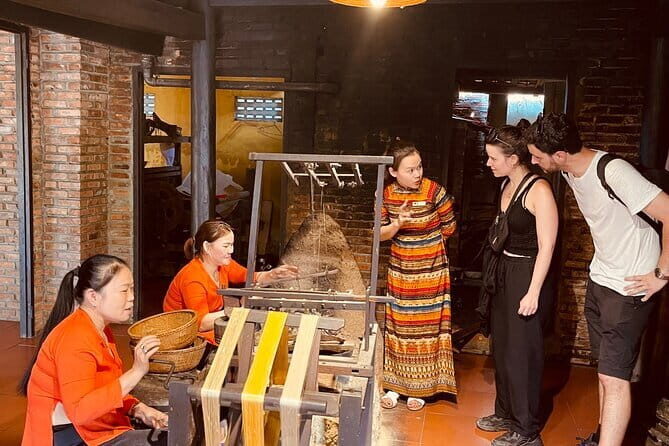
Next comes one of the most important parts of the silk story: the ancient mulberry gardens and the silkworm breeding house.
Here’s why this is more than a pretty courtyard. Mulberry isn’t just a plant you pass on the way to silk. It’s the core food source that supports healthy silkworms, and silk quality depends on conditions through the process. The tour also highlights that this site is known for having valuable genetic sources of mulberry, which is a strong reason the place is worth visiting even if you’re not a plant nerd.
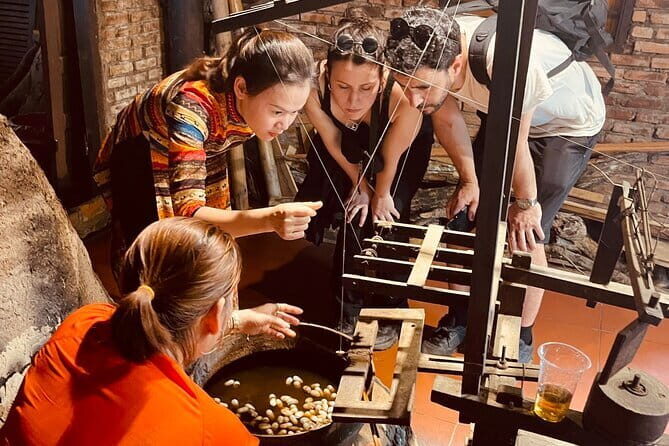
In the breeding house, you’ll learn how to feed the silkworms. This is the moment where silk becomes less abstract. You can connect the idea of fabric to a living routine: worms eat mulberry, worms grow, and their cocoons become the raw material for silk thread.
You’ll likely notice that the rooms feel functional. That’s part of the deal. Don’t expect a fancy, museum-clean vibe. You’re walking through the living steps of a craft.
One more expectation check: because this is a tourist-facing craft site, the demonstrations may feel like they’re timed for visitors. If you hate “on-demand performance,” keep that in mind. Still, seeing silkworm feeding explained in real time helps you understand the process better than any postcard ever will.
Unraveling House and Weaving Demonstrations

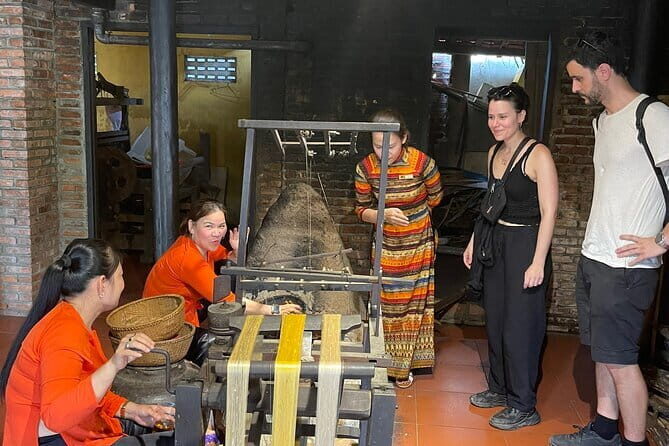
After silkworms and cocoons, the tour shifts from living steps to materials and technique. This is where you’ll visit the Unraveling House, the part that makes silk feel magical and mechanical at the same time.
You’ll learn how to get a silk thread from the cocoon to produce woven fabric. The key value here is learning the logic of the process. When you see how cocoons translate into usable thread, you start understanding why silk can be expensive—and why cheap alternatives can be sold in its place.
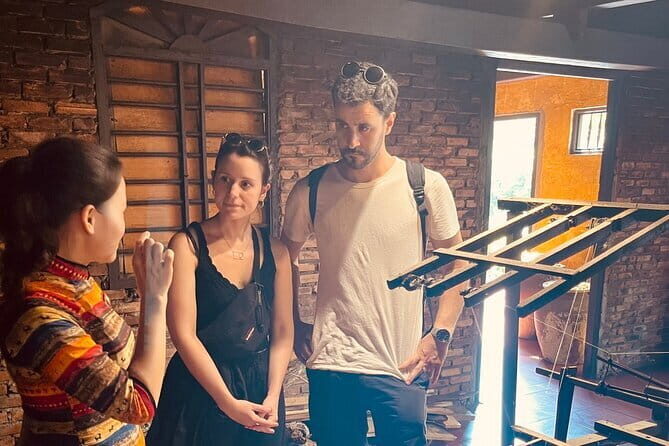
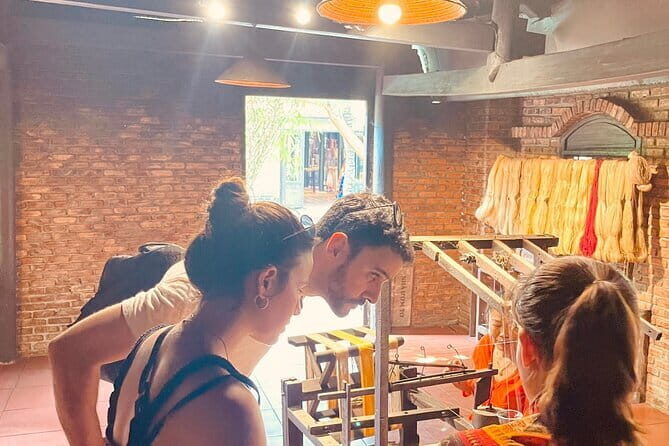
Then you move into the weaving side. The tour focuses on traditional textile making linked to Champa and Dai Viet-era traditions. In the weaving house, you’ll see how the fabric is made and how the craft is preserved through handmade methods.
This is also where tailoring interest kicks in. The tour includes time to show the variety of textiles and silk products available later for shopping and tailoring needs. That means you can walk away with more than memories—you can walk away with better questions to ask when you shop.
Balance point: some visitors may find the small-room experience a bit cramped, and the weaving may be staged in short bursts rather than a long “stay and watch” flow. If you prefer learning by hanging out for hours, this tour might feel too fast. If you want a compact, guided education, it lands well.
If you’re lucky enough to have a guide like Luni (that name has a good reputation in the guidance style people remember), you’ll likely find the explanations stay practical. That matters because silk craft can turn technical quickly if nobody translates it well.
Pure Silk vs Fake Silk: How the Exhibition Helps Your Shopping
The final portion is built for a very real Hoi An need: shopping. Silk is one of the big-ticket purchases here, and the problem is that not all silk is what it claims to be.
In the exhibition, you’ll learn the difference between pure silk and fake silk fabric. This part is valuable because it changes how you handle the shopping moment. Instead of buying based on vibes, you can compare materials with a basic framework.
The tour also positions the site as a good place for shopping and potential tailoring demand, since it shows a range of silk products. If you’re planning to get something made while you’re in town, doing this tour earlier gives you a head start. You’ll know what to ask for and what to be careful about before you spend money elsewhere.
My practical advice: go into the exhibition and treat it like a cheat sheet. Touch the fabrics the way your guide suggests, and ask how to tell quality in person. Even if you don’t buy right away, the education helps you spot red flags later.
There’s one more nuance. This is still a craft village and a retail space. Even when the explanations are good, you’re in a place where selling is part of the experience. That doesn’t automatically make it bad—it just means you should keep your expectations grounded and your questions sharp.





Price, Logistics, and Value for Your Tailoring Plans

At $10 per person for about 45 minutes, you’re paying for a guided pathway through the silk-making chain. What you get included is important: an English-speaking guide, entrance fee, and a bottle of water. Hotel pickup or drop-off isn’t included, so plan to meet at the listed address and handle your own getting there.
The “private” label is meaningful for value. Even with a short tour, having your own guide time can help you ask direct questions about silk quality, fabric differences, and tailoring choices. It’s the kind of clarity that can save you money later—because better understanding often prevents impulse buys.
Is it worth it? If your goal is learning and then shopping smarter, yes. If your goal is deep hands-on crafting with lots of time in one workshop, the short duration is a limitation. Still, for many people in Hoi An, that trade-off is exactly right.
One small logistics note: the tour ends back at the meeting point, so you’ll need a plan for your next stop in town. If you’re pairing it with an Old Town day, I’d schedule it early. Start with knowledge, then let shopping be the easy part.
Who should book this private silk process tour?
This tour is a good fit if you:
- Want a compact, guided introduction to traditional silk production in Central Vietnam
- Plan to buy silk or get something tailored and want a better basis for judgment
- Prefer learning through a sequence of steps—mulberry → silkworms → cocoon thread → weaving → fabric differences
It’s also a solid choice for people who like straightforward explanations rather than long lectures. The English-speaking guide format is built for that.
Who might skip? If you dislike craft demonstrations in small rooms or you strongly prefer slow, quiet, purely observational visits, the short and tourist-facing format may feel a bit tight. In that case, you could still learn from other experiences, but you might want something longer and less structured.
Should you book this private traditional silk process tour?

Yes—if you want silk education that helps your shopping. The strongest reason to book is the sequence: you don’t just enter a shop. You see silkworm feeding, learn the cocoon-to-thread idea, and finish with an exhibition focused on pure silk versus fake silk.
Book it especially if you’re planning tailoring. Walking into those decisions with a basic quality filter makes the whole trip feel more confident.
If you’re mainly chasing a long, immersive craft workshop, don’t expect that here. This is a fast, guided walkthrough designed to teach you the essentials and get you moving.
FAQ
How long is the private traditional silk process tour?
It lasts about 45 minutes.
What’s included in the $10 per person price?
The tour includes an English-speaking guide, entrance fee, and a bottle of water.
Where do I meet for the tour?
You start at Silk Village Hoi An – The Tourist, 28 Nguyễn Tất Thành, Tân An, Hội An, Quảng Nam, Vietnam, and the tour ends back at the meeting point.
Is this tour truly private?
Yes. It’s described as private, and only your group participates.
Do I need hotel pickup or drop-off?
No. Hotel pick up and drop off are not included, so you’ll need to get to the meeting point yourself.
Can I cancel for a full refund?
Yes. Free cancellation is available. You can cancel up to 24 hours in advance of the experience start time for a full refund.
Is the tour ticket mobile?
Yes. The tour uses a mobile ticket.