REVIEW · HOI AN
Sunset photo tour with the farmers
Book on Viator →Operated by Hoi An Photo Tour & Workshop · Bookable on Viator
Rice fields at sunset sound peaceful.
This 4-hour small-group photo tour turns that peace into practical shooting time, with an expert photographer guiding you from Hoi An’s meeting point to nearby farming villages for planting, ploughing, and harvesting in the warm late-day light. You’ll also get a night photography workshop back in the Old Quarter, where reflections and lights give you real contrast to work with. Sunset light does the heavy lifting, and the small group (max 8) keeps you from getting lost in a crowd.
What I like most is the hands-on coaching that works for different skill levels. One guide, Etienne, is noted for explaining the basics in a way that helps beginners get moving fast, while still making room for more experienced shooters. Another highlight is the farm-village access, supported by long relationships with the people there, so you’re not just snapping at scenery—you’re photographing work and daily life with context and care.
The main drawback to plan around is that the experience is weather-dependent. If conditions aren’t good, it may be rescheduled or refunded, and since the schedule runs from late afternoon into night, you’ll want flexibility.
In This Review
- Key things to know before you go
- Why Hoi An sunset turns into a photo lesson
- The 3:00 pm flow: from Hoi An to the rice paddies
- Farming-village photo stops: workers, rice, and real movement
- Entering a traditional village along the river (and doing it right)
- The Old Quarter night workshop: lights, reflections, and practical control
- Price and value: what $55 buys you in real time
- Who this tour fits best (and who might want to skip it)
- The guides: Etienne, Jean, Andy, and how they shape the day
- Quick practical tips to get better photos without stress
- Should you book this Sunset Photo Tour with the Farmers?
- FAQ
- What time does the sunset photo tour start in Hoi An?
- How long is the tour?
- How much does the tour cost?
- Where is the meeting point?
- Will I get a ticket for the tour?
- How big is the group?
- Do I need to be an experienced photographer?
- What will I photograph during the daytime part?
- Is there a night-time component?
- What happens if the weather is bad?
- Can I cancel for free?
Key things to know before you go
- Small group attention (up to 8 people) means quicker feedback and less waiting.
- Expert-led photo tips cover the basics through all camera types, from smartphones to DSLRs.
- Farming-village scenes in warm light give you natural timing for portraits of work: planting, ploughing, harvesting.
- Traditional river-side village access is strengthened by relationships built over years, not one-off visits.
- Old Quarter night workshop helps you tackle low light and reflections when the streets glow.
- Starts at 3:00 pm and runs about 4 hours, so you’ll shoot both sunset and night within one outing.
Why Hoi An sunset turns into a photo lesson
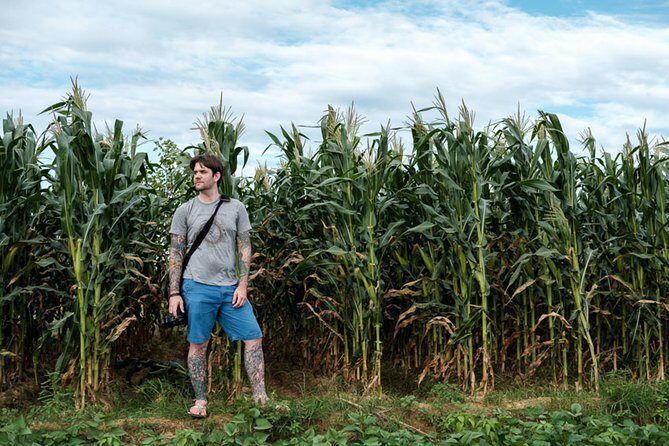
Hoi An at sunset isn’t just pretty. The late-day glow changes how skin tones look, how faces stand out against darker backgrounds, and how reflections behave in water and wet surfaces. That matters because good photos usually come from two things: timing and direction, not just a nice camera.
This tour uses that reality. You’re out during the warm afternoon window when rice paddies and workers have softer shadows, then you roll into the Old Quarter as lights come up. That gives you a rare one-two punch: daylight color you can trust, then night conditions where you’ll learn how to handle light sources and darker streets.
And you’re not wandering alone with vague advice. The tour is built around photography guidance from a photographer on the ground with you. You’ll get tips in the moment—how to frame moving subjects, how to aim for storytelling rather than random shots, and how to adjust when the light shifts fast.
You can also read our reviews of more evening experiences in Hoi An
The 3:00 pm flow: from Hoi An to the rice paddies
The tour meets at 42 Đường Phan Bội Châu, Cẩm Châu, Hội An starting at 3:00 pm, and it loops back to the same meeting point at the end. The total time is about 4 hours, so it’s paced for real shooting instead of long transfers.
You’ll ride out to the farming villages with the photographer and the rest of the group. Because the group is capped at 8 travelers, you’re more likely to get direct help—especially when you’re figuring out exposure, composition, or simply how to approach a scene respectfully.
A practical upside of this timing is that it reduces decision fatigue. You don’t need to plan your own route across town and then guess where the light will land. Instead, the tour gives you a schedule that hits sunset while there’s still usable light for photos of people working.
One small consideration: because it runs into the night, you should be comfortable staying out and shooting after the sun goes down. If you get tired easily in low light, bring a calm mindset and plan to ask your guide for specific help when the settings change.
Farming-village photo stops: workers, rice, and real movement
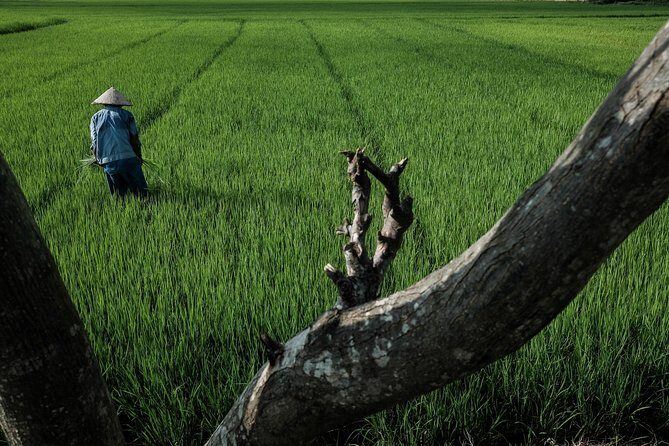
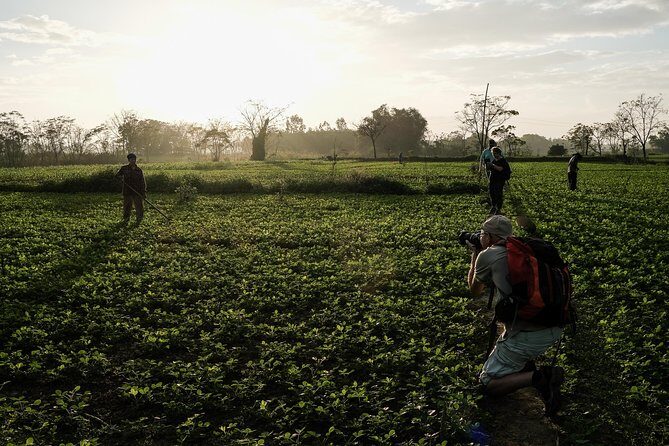
The core of the tour is photographing work in the fields—planting, ploughing, and harvesting—with the guidance of an expert photographer. This is where the tour earns its name: you’re not just capturing scenery, you’re capturing the rhythm of daily labor.
What makes this valuable for your photos is that the subjects are active and the environment offers layers. You’ve got foreground textures (rice plants and paddies), mid-ground action (workers moving through the scene), and background context (village elements and water). That gives you depth without needing fancy gear.
The coaching also matters. Beginners often get stuck on technical problems—wrong focus, too-dark frames, or shooting at the wrong angle. Etienne is specifically mentioned as someone who helped with photography basics, even for a beginner, and that’s a big deal. You can ask for simple, clear steps rather than vague inspiration.
If you’re more advanced, the same stops can still be productive. You can push composition and timing: waiting for a gesture, using the row lines of fields, or capturing the moment a tool hits water or soil. The advantage of being guided is that you don’t waste time guessing what to prioritize.
Also, because the tour focuses on moments of work, you’ll likely get better storytelling photos than you would by trying to photograph rice paddies as static landscapes. You end up with images that feel like they belong in a photo essay, not a generic postcard.
Entering a traditional village along the river (and doing it right)
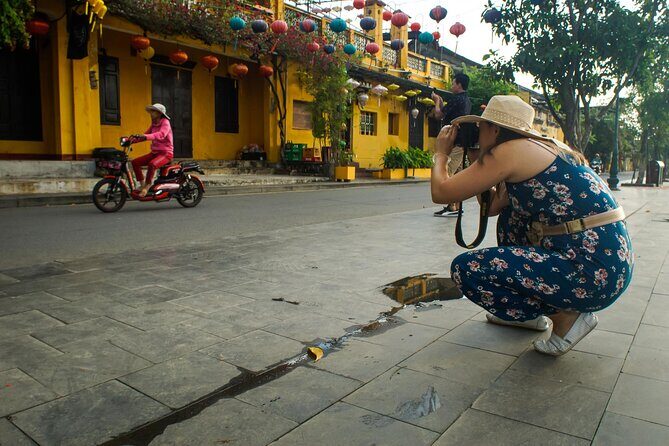
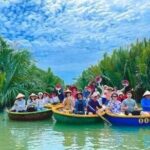
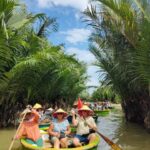
After the farm shots, the experience includes time in a traditional village along the river. The tour emphasizes that there’s a strong relationship with the people there built over the years, which is a quiet but meaningful difference.
That kind of connection tends to change your experience in two ways. First, it often makes the atmosphere more relaxed and respectful, because you’re not treating the place like a staged backdrop. Second, it can help you understand what you’re photographing—why people work in a certain way, and how the river-side setting shapes daily life.
For your camera, river-side villages bring another photo ingredient: reflective surfaces and changing light. Even when the scene is calm, the water can add brightness where you don’t expect it. That can be tricky, but it’s exactly the sort of problem a guide can help you handle on the spot.
One thing to keep in mind: this is a village experience, not a theme park. You’ll get better photos if you slow down, ask questions if appropriate, and focus on capturing genuine moments instead of rushing to get a shot. The best images usually come from patience.
The Old Quarter night workshop: lights, reflections, and practical control
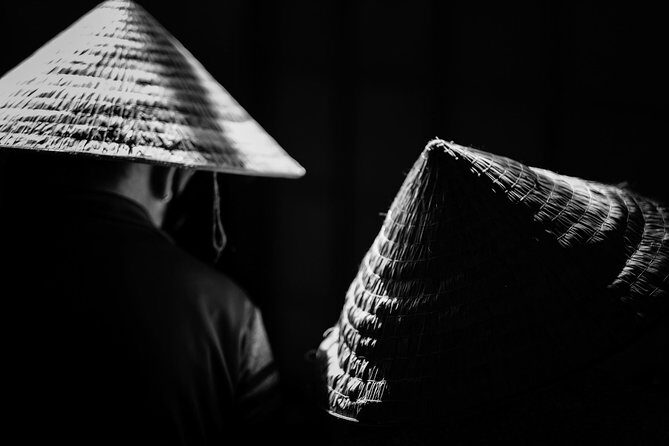
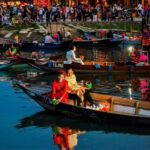
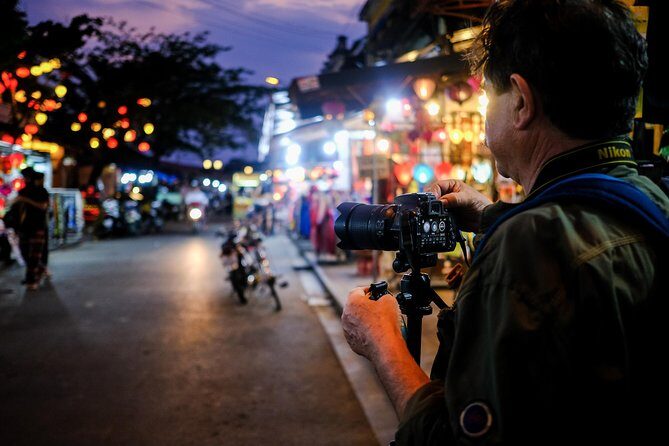
As sunset fades, the tour shifts into the old town for a night photography workshop. The description calls out the magical lights of the Old Quarter, and the workshop is where you learn how to capture them without your photos turning into blobs of color.
Night work is where many people struggle, especially if they haven’t shot after dark much. Streetlights can blow out highlights, and reflections can trick your exposure. A workshop format helps because the guide can show you how to think through low light rather than just pointing and hoping.
You’ll benefit from having already shot in the fields earlier. Your camera will be in a rhythm by then, and you’re less likely to panic when the light changes. Then you can focus on learning: how to frame the glow of shopfronts or lantern-like light sources, how to keep subjects clear, and how to manage the balance between the street environment and the people within it.
One more plus: because this tour is structured, you’re less likely to waste time wandering for night scenes. You get a guided path into the Old Quarter when the streets are lit enough to matter.
You can also read our reviews of more photography tours in Hoi An





Price and value: what $55 buys you in real time
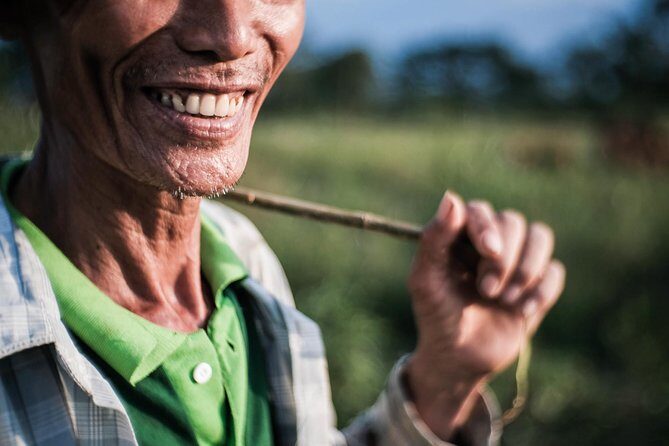
At $55 per person for about 4 hours, this isn’t the cheapest activity in Hoi An—but it also isn’t trying to compete with cheap entertainment. The value comes from three things you don’t easily recreate on your own:
- Expert photographer time during two different lighting conditions: warm afternoon and night.
- Small-group format (max 8), which makes it easier to get personal feedback.
- Guided access and context in farming villages and a traditional river-side village, supported by long relationships with local people.
There’s also a timing signal in the booking pattern. This tour is often booked around 47 days in advance, which usually means people know it’s a straightforward way to get quality photos without doing planning heavy lifting.
If your goal is to improve your photos, or if you want photos with people doing something meaningful (not just empty streets), the cost can feel fair. If you’re only looking for general sightseeing photos and you don’t want photography coaching, you might find the value depends more on your interest in learning than on the destination itself.
Who this tour fits best (and who might want to skip it)
This is ideal if you want a guided way to photograph Hoi An’s contrast: working countryside plus glowing Old Quarter streets. It also fits well if you’re starting out. One of the standout themes in the feedback is that beginner photographers don’t get left behind. Etienne’s focus on basics is specifically called out as helpful, which suggests the coaching is explained clearly.
It also works if you’re a solo traveler. One visitor described going for a private one-on-one option when there weren’t enough people to form a full group, and they felt it was the right call. If you’re traveling alone and hate waiting for others, that flexibility can be a plus.
On the other hand, you might think twice if you want a long, slow cultural tour where the pace is mostly conversation and strolling. This is photo-led, with stops designed around shooting opportunities. You’ll likely be busy with your camera and decisions.
You should also be ready for the fact that it requires good weather. Since sunset and night depend on conditions, plan to stay flexible.
The guides: Etienne, Jean, Andy, and how they shape the day
Part of why this tour gets strong marks is the human side. You’re not just hiring a vehicle and a route—you’re hiring someone who cares about your results and the place.
Etienne is described as a cool guy and someone who blends friendliness with useful photo teaching. The feedback also notes support for beginners and a feeling that private arrangements can be a good solution when there aren’t enough people.
Jean (including Jean Ramiere) comes up as both responsive and culturally knowledgeable. That matters because photographing farming villages and river-side life isn’t only a technical exercise. If you understand the culture behind what you see, your photos often improve automatically.
Andy Barker shows up with a different strength: stories and practical recommendations. One note highlights a recommendation for a restaurant after the tour, which hints that the guide isn’t only focused on the photo session—they also share local guidance to extend your trip.
If there’s one caution from the real world, it’s that once in a while things go wrong. There is at least one reported case where the operator did not show up on time, later explained by a pickup issue involving a moped fall and a broken smartphone. It’s not something you can predict, but it’s a reminder to keep your expectations calm and your phone charged in the late afternoon when plans shift.
Quick practical tips to get better photos without stress
You’ll likely get the best results if you treat the tour like a guided practice session, not a passive ride.
- Ask for one clear goal before each stop (for example, portraits of workers, or framing the paddies). That helps you stop shooting random frames.
- Pay attention to pacing cues. Since the light changes quickly, your guide’s timing suggestions can save you from missing the best moments.
- Use what you already have. The group can include smartphones and DSLRs, and the teaching appears to adapt to different levels.
- Keep an eye on the switch to night. Don’t assume your daylight settings will work the same way. The night workshop is there for a reason—lean on it.
The tour gives you a lot to shoot in a short window, so a little organization helps: keep your camera settings ready, wipe your lens if needed, and think about framing before you press the shutter.
Should you book this Sunset Photo Tour with the Farmers?
If you like the idea of photographing people working—not just landscapes—this is a smart match. The combination of expert guidance, a small group, real farming scenes, and a night workshop in the Old Quarter is exactly the kind of structured experience that turns a camera hobby into noticeable improvement.
Book it if:
- you want hands-on instruction that works even if you’re new
- you’re excited by sunset light and then switching to night street scenes
- you want a respectful, village-focused day with strong local relationships
Consider skipping or rethinking if:
- weather sensitivity will be a problem for your schedule
- you want mostly sightseeing with minimal photography direction
Overall, for the price, you’re paying for time with a photographer plus two very different lighting environments in one efficient half-day. If your goal is better photos with real human moments, this tour is a solid bet.
FAQ
What time does the sunset photo tour start in Hoi An?
It starts at 3:00 pm, with the activity ending back at the meeting point.
How long is the tour?
The duration is about 4 hours (approx.).
How much does the tour cost?
The price is $55.00 per person.
Where is the meeting point?
The meeting point is at 42 Đường Phan Bội Châu, Cẩm Châu, Hội An, Quảng Nam 564070, Vietnam.
Will I get a ticket for the tour?
Yes, the tour uses a mobile ticket.
How big is the group?
The tour has a maximum of 8 travelers.
Do I need to be an experienced photographer?
No. The tour is described as suitable for different photography levels, and beginners are supported with basics.
What will I photograph during the daytime part?
You’ll photograph farming village scenes, including workers planting, ploughing, and harvesting rice, in warm afternoon and sunset light.
Is there a night-time component?
Yes. After exploring the farming areas, the tour includes a night photography workshop in the Old Quarter.
What happens if the weather is bad?
The tour requires good weather. If it’s canceled due to poor weather, you’ll be offered a different date or a full refund.
Can I cancel for free?
Yes. You can cancel up to 24 hours in advance for a full refund.