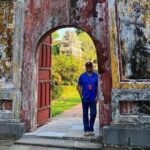
A market, a bike ride, then real cooking. This Hoi An experience with the Spring Onion Family Tour starts with local produce and plant know-how, then rolls you out to Tra Que Vegetable Village for quiet countryside views and home-style lessons that feel more like helping family cook than taking a show. I love the way you learn ingredients from the ground up, and you end up with herbal foot massage included, plus playful extras like pancake juggling and a fire pan moment.
The main consideration is that cycling is part of the day. It’s on small winding roads (not heavy traffic), but if you dislike bikes or want a fully low-energy pace, you may find the physical bit a little more than you expected.
In This Review
- Key Highlights You Should Care About
- Why This Hoi An Class Feels More Like a Family Day
- Market Morning: Produce Names and Plant-Medicine Uses
- Cycling Out to Tra Que: Buffalo, Rice, Shrimp, and Ducks
- Traditional Craft Village + How Organic Growing Works
- In the Kitchen at a Local’s House: Four Dishes and Table Styling
- Herbal Foot Massage and the Fun Parts You Didn’t Expect
- Included Lunch: A Real Meal, Not Just a Taste
- Price and Value: Why $35 Can Actually Make Sense Here
- Who This Tour Suits Best (and Who Might Feel Mismatched)
- Getting the Most Out of the Day
- Should You Book This Cooking-and-Countryside Day?
- FAQ
- What time does the experience start?
- How long is the tour?
- Is pickup included?
- How many people are in the group?
- What language support do you get?
- What food is included in lunch?
- What drinks are included?
- Do you get any relaxation or wellness extras?
- Does the class include activities beyond cooking?
- What’s the cancellation rule?
- FAQ
- What should I bring to this tour?
- Is a mobile ticket provided?
- Is coffee, tea, or alcohol included?
- Is the tour flexible for kids?
- What’s the meeting point like?
Key Highlights You Should Care About
- Market stop that teaches fruit/veg names and how locals use plants for medicine
- Tra Que countryside cycling on quiet back roads with buffalo, rice fields, and farm life
- Garden and vegetable-growing lessons, including organic fertilizers and pesticide practices
- Table decoration skills using produce like carrots and tomatoes
- Hands-on cooking of four typical Vietnamese dishes in a local home kitchen
- Herbal foot massage plus showy extras like fire pan and pancake juggling
Why This Hoi An Class Feels More Like a Family Day
Hoi An has no shortage of cooking classes, but this one aims for a specific vibe: learn the rhythm of local food, not just the steps. The hosts are young farmers, raised in the countryside, who spent over 10 years working in restaurants to build a teaching style that’s practical and clear. That matters, because you’re not just watching someone plate food. You’re moving through the day as if you live nearby.
You also get a small group size, capped at 10 people, so the day doesn’t turn into a rushed conveyor belt. That smaller size is where the real value shows up: you can ask questions about ingredients, get help with cutting and timing, and actually understand what you’re making.
One more thing I like: the day isn’t only about cooking. You cycle through farmland, learn about vegetable growing, decorate the table, then finish with food plus a herbal foot massage. It’s a full sensory day, but still focused on food.
You can also read our reviews of more tours and experiences in Hoi An.

Market Morning: Produce Names and Plant-Medicine Uses
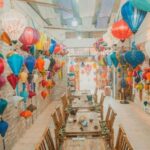
You start by hitting the local market, and this is the part that helps the cooking class click. Instead of treating ingredients like mysterious props, you’re introduced to common fruits and vegetables and how they’re used in day-to-day cooking.
The standout detail here is the plant-medicine angle. You’ll learn how locals use certain plants as part of traditional health practices. Even if you don’t plan to self-treat anything, it changes the way you see the herbs and greens you normally recognize from a menu. You start to understand why something tastes the way it does and why people keep reaching for the same leaves, roots, and greens.
This market segment also sets you up for the countryside portion afterward. When you later see vegetable plots and hear about growing methods, you’ll connect the dots between what you bought (or recognized) and what the farmers cultivate.
Cycling Out to Tra Que: Buffalo, Rice, Shrimp, and Ducks
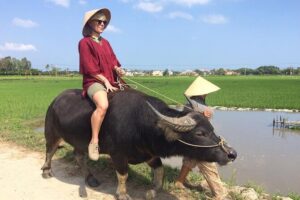
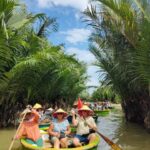
After the market, you cycle on small roads with very little commotion. The focus is scenery and farm life: buffalo grazing, rice fields, and people working the land. You may also spot farms raising shrimp and ducks, which is one of those local details that makes Hoi An feel less like a postcard and more like a living food system.
Tra Que Vegetable Village is the highlight. This is one of the best-known vegetable areas around Hoi An, and the setting helps you understand why local cuisine leans so hard into fresh herbs, greens, and crunchy vegetables. You’re not just learning how to cook; you’re learning what locals consider normal ingredients.
A practical note: because this part includes cycling, it’s smart to dress for a warm day and light movement. Bring water (the tour includes bottled water, but you’ll still feel better with a comfortable outfit), and plan for the sun. The roads are described as quiet with no busy traffic, which is reassuring if you’re not a confident cyclist, but it still counts as active time outdoors.
Traditional Craft Village + How Organic Growing Works
The countryside lesson continues with a garden and traditional craft village stop. The craft village part is described as one of four long-standing traditional villages, so you’re not guaranteed a single specific name ahead of time. What you will get is the sense of how food and local craft traditions share the same rural world.
In the vegetable area, you’ll learn manual growing methods and how farmers use organic fertilizers and pesticides. That sounds technical, but in practice it’s about respect for ingredients. When you know a bit about how greens are grown, you notice things like bitterness, crispness, and fragrance more clearly during the cooking process.
This portion is a great value add because it helps you cook with better intuition later. You might not remember every farming term, but you’ll remember the lesson: the taste starts in the soil, and locals treat vegetables as a core ingredient, not a garnish.
In the Kitchen at a Local’s House: Four Dishes and Table Styling
Now for the part you’ll probably remember at home: cooking with a local family setup. You’ll learn table decoration first—making flowers from carrots and tomatoes. This isn’t just for looks. It trains you to slow down and treat produce as something you can shape and present, which makes home cooking feel special again.
Then you’ll move into cooking four typical dishes. The included lunch dishes listed for the day give you a clear picture of the menu, and the flow is built around learning, not just eating:
- Vietnamese pancake
- Hoi An spring roll
- Green papaya and banaba flower salad
- Chicken in clay pot
- Morning glory stir-fried with garlic
- Rice and dessert
Even if you never plan to cook clay pot chicken at home, you’ll come away with technique: portioning, balancing flavors in salads, and timing items so everything hits the table together. And because it’s taught by people who’ve spent years in both farming and restaurant work, the instructions tend to focus on practical steps.
One detail I really like from the program vibe: guides can adjust the schedule for hungry kids. If you’re traveling with children, that flexibility can mean less stress and a more enjoyable day for everyone.

Herbal Foot Massage and the Fun Parts You Didn’t Expect
This day finishes with relaxation that’s tied to the same countryside theme. You get a foot massage using herbal leaves such as lemongrass, ginger, and basil leaves. That matters because it’s not a random add-on spa stop. It’s connected to the plants you learned about earlier, and it gives the whole day a neat loop: herbs you saw, herbs you learned, herbs you experience again.
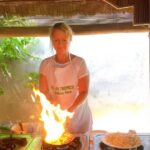
The program also includes playful elements like a fire pan performance and juggle pancakes. These parts aren’t essential to the learning, but they do make the experience memorable. And when a class feels fun instead of formal, people actually pay attention. You end up remembering how to do a step because it was explained during a moment you enjoyed.
Included Lunch: A Real Meal, Not Just a Taste
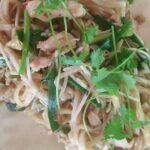
You’re not just sampling bites. Lunch is included and substantial. You’ll eat Vietnamese pancake, Hoi An spring roll, green papaya & banaba flower salad, chicken in clay pot, morning glory stir-fried with garlic, rice, and dessert. Bottled water is included, and there’s a welcome drink too.
This kind of meal makes the value of the day easier to justify. At $35 per person, you’re getting transportation, a private setup, a guide, a full cooking session, and a full lunch spread built from the dishes you learned. It’s the difference between paying for a workshop and paying for a day out.
Just note what’s not included: coffee or tea, alcohol, and soda/pop. If you like a specific drink after the class, plan to pick it up separately.
Price and Value: Why $35 Can Actually Make Sense Here
At $35 per person for about 1 day and roughly 3 hours, this is priced like a focused local experience rather than a long sightseeing tour. The good news: the price includes things that usually cost extra elsewhere—private transportation, fees and taxes, an English-speaking guide, cold towels, and the foot massage.
More importantly, the value is in the structure. You start with the market, then farm countryside cycling, then gardening and craft context, then table decorating and four dish cooking in a local kitchen. You’re not paying only for food flavor; you’re paying for guidance that turns local ingredients into repeatable skills.
The group limit (10 people) helps here too. Larger groups often mean you do less hands-on work. A smaller group means you can get more help when you need it and spend less time watching.
Who This Tour Suits Best (and Who Might Feel Mismatched)
This class is a strong fit if you want:
- A countryside-style food day outside central Hoi An
- A cooking lesson you can actually repeat later
- Hands-on learning paired with a relaxing herbal finish
- A group size that stays small enough for real interaction
It’s less ideal if:
- You want a strictly slow, walk-only format
- You don’t enjoy biking at all
- You expect Western-style restaurant pacing and menus (this is rural home cooking and local plant-forward cuisine)
If you’re bringing kids, the experience seems to work well because the program can be adjusted when the group gets hungry. That doesn’t make it a babysitting service, but it’s a good sign that the hosts think on their feet.
Getting the Most Out of the Day
A few simple choices make this better:
- Wear clothes you’re okay getting a little messy. You’ll handle produce and cook.
- Expect sun during the countryside cycling stretch.
- Use the included cold towels and bottled water to reset during the active parts.
- Pay attention during the market and plant-medicine talk. That’s where the ingredients become more than names.
Also, if you care about language support, the guide is described as local English speaking, and multiple guests mention the friendly, easygoing teaching style. Names like Duyen and Hai come up in feedback as part of the experience’s warmth and humor, which helps when you’re learning by doing.
Should You Book This Cooking-and-Countryside Day?
If you want a Hoi An cooking class that’s tied to where the ingredients come from—market, Tra Que countryside, garden growing methods, and then a home kitchen—you’ll probably love this. The best parts are the full flow: you’re learning the food culture, then eating the result, then unwinding with herbal foot massage.
Book it if you value authenticity, hands-on teaching, and a small group. Consider skipping or asking questions first if you strongly dislike bikes or want a very low-movement pace. Otherwise, this is one of those day trips where $35 buys you more than a meal. It buys you context you can carry into your next grocery run back home.
FAQ
What time does the experience start?
It starts at 9:00 am.
How long is the tour?
The duration is about 1 day and 3 hours (approx.).
Is pickup included?
Pickup is offered, and private transportation is included.
How many people are in the group?
The tour has a maximum of 10 travelers.
What language support do you get?
There is a local English speaking guide.
What food is included in lunch?
Lunch includes Vietnamese pancake, Hoi An spring roll, green papaya & banaba flower salad, chicken in clay pot, morning glory stir with garlic, rice, and dessert.
What drinks are included?
Bottled water is included, and there is a welcome drink. Coffee/tea and soda/pop are not included.
Do you get any relaxation or wellness extras?
Yes. You get a foot massage using herbal leaves such as lemongrass, ginger, and basil leaves.
Does the class include activities beyond cooking?
Yes. You visit a local market, cycle in the countryside, learn about vegetable growing methods, decorate the table, and there are also performance-style extras like fire pan and juggle pancakes.
What’s the cancellation rule?
Cancellation is free, and you can cancel up to 24 hours in advance for a full refund.
FAQ
What should I bring to this tour?
The tour includes bottled water and cold towels, but you should bring comfortable clothes for outdoor cycling and hands-on cooking.
Is a mobile ticket provided?
Yes, the tour uses a mobile ticket.
Is coffee, tea, or alcohol included?
Coffee and/or tea, alcohol, and soda/pop are not included.
Is the tour flexible for kids?
The program can be adjusted; one provided comment notes the schedule was changed for hungry kids.
What’s the meeting point like?
There is a start point at 9:00 am and it’s near public transportation.