REVIEW · HOI AN
Vietnamese Cooking Class with Local Family in Hoi An
Book on GetYourGuide →Operated by GJ Travel Viet Nam · Bookable on GetYourGuide
If you like food that feels local, this class delivers. You cook Vietnamese favorites with a step-by-step English-speaking chef, then eat what you make in a family-style setting. The most interesting part is that it isn’t a cold demo kitchen.
I love how practical the lesson feels: you follow clear instructions and leave with recipes you can actually repeat at home. I also like the social angle, with time to share and compare what everyone cooked over a proper meal.
One possible drawback: you’ll be in a hands-on class format, so if you want a quiet, low-touch sightseeing activity, this may feel a bit busy. Also, while vegan/vegetarian options exist, you should flag allergies early so ingredients can be adapted.
In This Review
- Key Things Worth Knowing Before You Go
- Why a Coconut Village Cooking Class Feels Different Than a Restaurant Meal
- Getting There Smoothly: Pickup to Cam Thanh
- Welcome Drink, Brief Reset, Then Cooking Begins
- Meeting the English-Speaking Chef: Giang, Ha, and Thuong Are Big Names
- The Main Lesson: Four Dishes You Can Actually Recreate
- Dish by Dish: What Each One Teaches You
- Hoi An Rice Pancake
- Hoi An Spring Rolls
- Papaya Salad (Papaya, Carrots, Basil)
- Fish in Clay Pot with Steam Rice (or Cao Lau)
- Vegan and Vegetarian Options: What Can Change and What Stays
- After You Cook: The Meal, the Chat, and the Best Part of the Group
- How Long It Really Takes (and How to Fit It Into Your Day)
- Price and Value: Why $24 Can Make Sense Here
- Who This Is Best For (and When You Might Skip It)
- Should You Book This Vietnamese Cooking Class in Hoi An?
- FAQ
- What dishes do I cook in this Hoi An class?
- Does the class include lunch or dinner?
- Is there a vegetarian or vegan option?
- Can the chef adjust for allergies or gluten-free needs?
- Is pickup available?
- How long is the experience?
- What language is the chef?
- Are children welcome?
Key Things Worth Knowing Before You Go
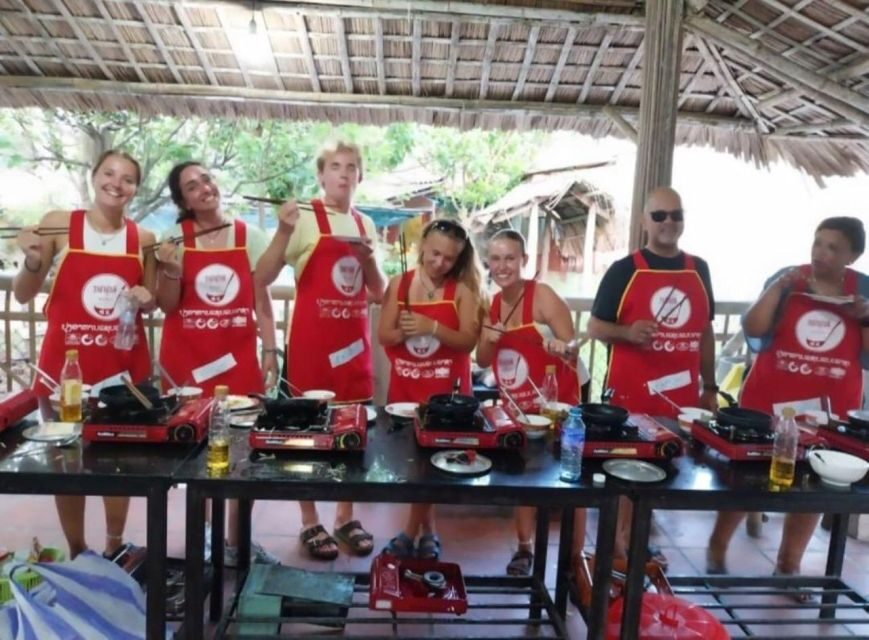
- Coconut village setting at Cam Thanh: you’re cooking in the area people actually associate with rural Hoi An life.
- English-speaking chef-led class: you get step-by-step guidance while you cook, not just watch.
- Four dishes included: Hoi An rice pancake, Hoi An spring rolls, papaya salad, plus clay pot fish/steam rice or Cao Lau.
- Family-style meal at the end: you eat your food, then chat and sample each other’s plates.
- Diet swaps are planned: vegan/vegetarian options and adaptations for preferences like gluten-free and allergies are offered.
- Pickup and drop-off from Hoi An city center: the routine is simple and easy to fit into an evening or morning plan.
Why a Coconut Village Cooking Class Feels Different Than a Restaurant Meal
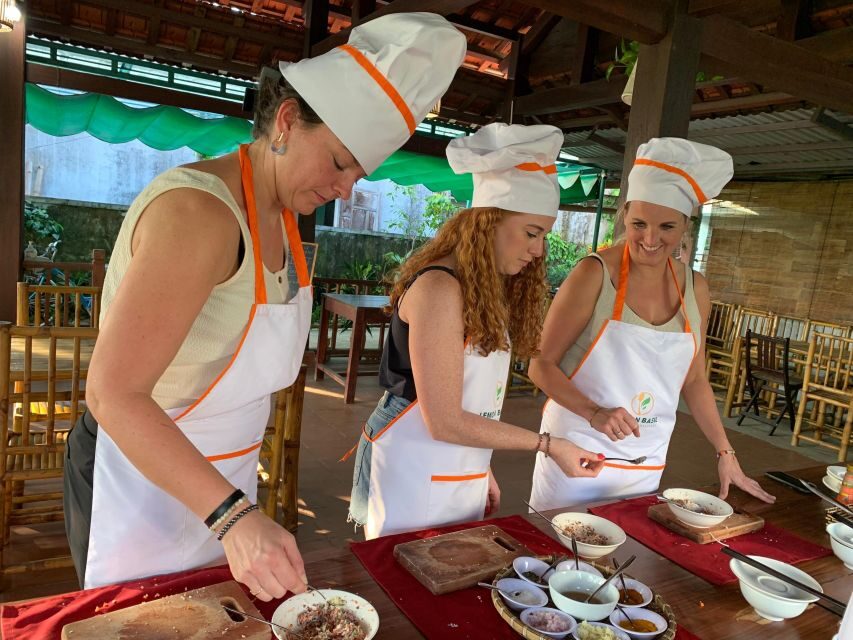
Hoi An has plenty of great food, but this experience targets something else: understanding the food-making process. When you learn how spring rolls, rice pancakes, and papaya salad come together step by step, restaurant dishes start making more sense on your next meal out.
The coconut village area (Cam Thanh) also changes the mood. Instead of being a “look, eat, leave” setup, it’s a more grounded place where rural rhythms make sense. That’s a big reason people leave saying it felt fun, friendly, and real.
You can also read our reviews of more cooking classes in Hoi An

Getting There Smoothly: Pickup to Cam Thanh
You’ll start with hotel pickup and transfer to the Cam Thanh Coconut Village area. The goal is to get you there without fuss, and the experience is designed around that flow—arrive, settle in, then get cooking.
Once you’re in the area, you move into the cooking experience at the coconut village. You’ll also get a welcome drink and a chance to rest at a restaurant before the class begins. That small buffer matters because Hoi An can be hot, and you’ll want your energy when you start chopping and frying.
Welcome Drink, Brief Reset, Then Cooking Begins
This class doesn’t throw you straight onto a hot stove. After pickup, you’ll have a welcome drink and a short pause in a restaurant setting. For me, that’s a smart pacing choice, especially if you’re planning this as your main activity for the day.
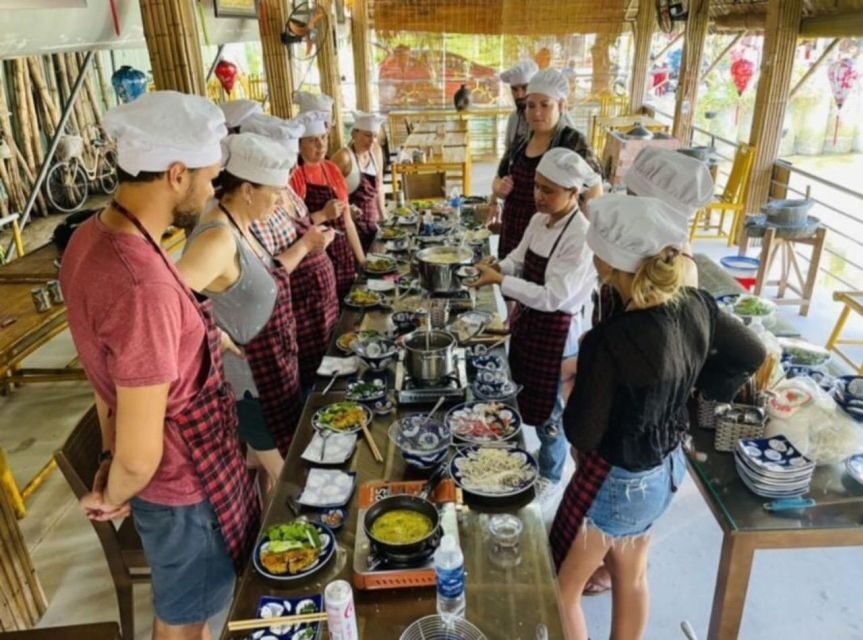
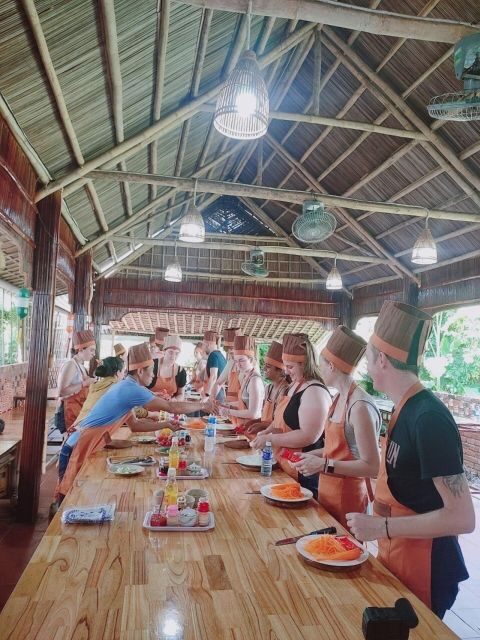
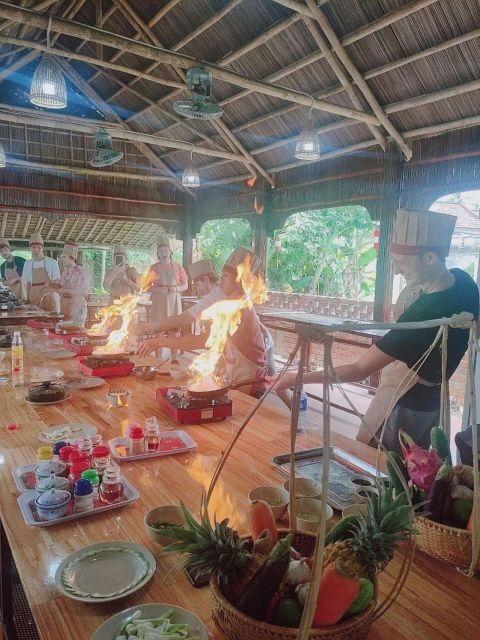
Then the group heads into the cooking portion, where the chef gives instructions while you work. You’re not just learning recipes; you’re learning the rhythm of making them—prep, cook, adjust, and taste.
Meeting the English-Speaking Chef: Giang, Ha, and Thuong Are Big Names
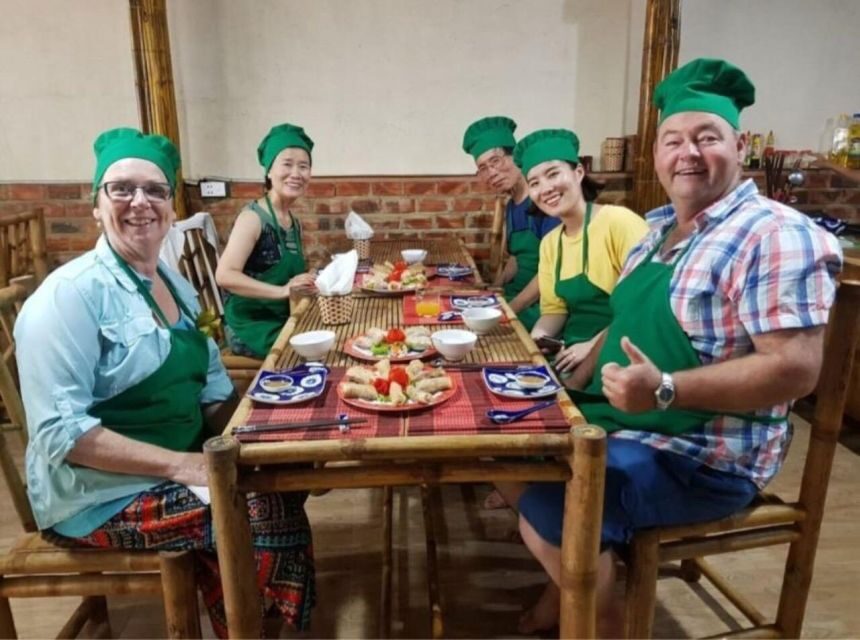
The chef is the heart of the class. Multiple instructors are mentioned by name in the feedback—Giang, Ha, and Thuong—and the consistent theme is teaching that’s both practical and light-hearted.
An English-speaking chef-led session is especially valuable in Vietnam because cooking terms can vary by region. Here, you’re guided in a way that’s meant for real understanding, not guessing. And if you learn better by asking questions (or laughing while you ask them), this style usually works.
The Main Lesson: Four Dishes You Can Actually Recreate
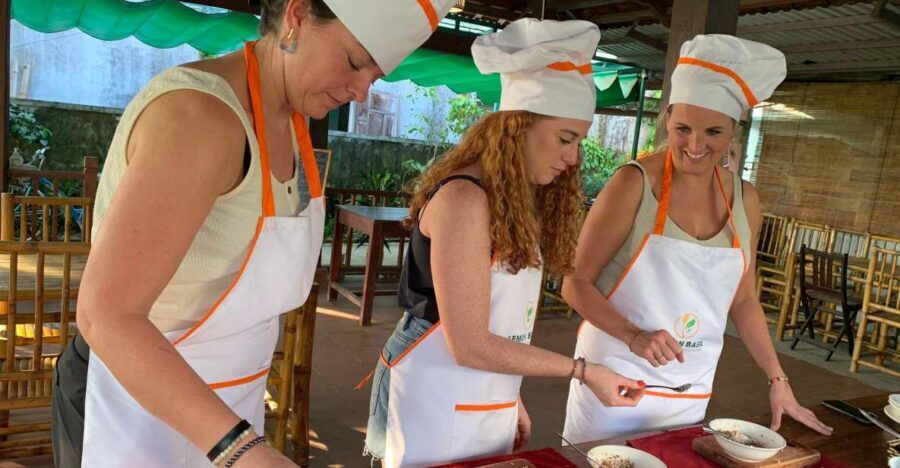
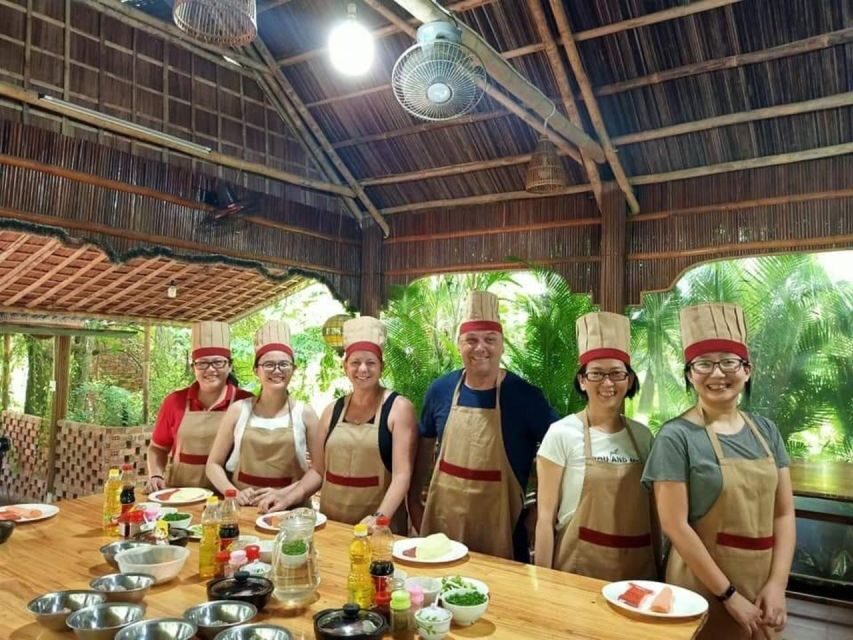
You cook four local dishes during the session. That number is key: it’s enough variety to cover different flavors and techniques, but not so many that the class turns into a rushed factory line.
Here’s what you’ll learn:
- Hoi An rice pancake
- Hoi An spring rolls
- Papaya salad
- Fish in clay pot with steam rice (or Cao Lau, depending on the session)
Each dish has a different “job” in the Vietnamese flavor story. The pancakes teach texture and balance. Spring rolls show rolling and filling technique. Papaya salad trains your seasoning instincts (sweet, sour, salty, and fresh). And the clay pot dish—or Cao Lau—anchors the whole meal with something comforting and savory.
You can also read our reviews of more tours and experiences in Hoi An


Dish by Dish: What Each One Teaches You
Hoi An Rice Pancake
Hoi An rice pancakes are a classic local choice, and the lesson format usually makes the key steps clear. You learn how to work with batter and cook for the right texture rather than just “making food.” This is one of those dishes where knowing timing matters, and the chef’s step-by-step approach is what you’ll lean on later.
Hoi An Spring Rolls
Spring rolls are deceptively tricky because the rolling part can make or break the final bite. In a class like this, you’re paying attention to technique as much as ingredients. When you get it right, the result is much better than the typical restaurant version because you control the filling and wrapping consistency.
Papaya Salad (Papaya, Carrots, Basil)
Papaya salad is where your taste sense starts to matter. The ingredients are clearly part of the teaching—papaya, carrots, basil—and you’re building the dressing-style flavors that define the dish. Expect the chef to emphasize balancing sour and sweetness, and getting the final seasoning to your preference.
Fish in Clay Pot with Steam Rice (or Cao Lau)
This part is about comfort food and Vietnamese cooking style. Clay pot cooking is known for depth, and pairing it with steam rice gives you a complete eating experience at the table. For some sessions, you may see Cao Lau included as the alternative option mentioned for this component.
Vegan and Vegetarian Options: What Can Change and What Stays
If you prefer vegan or vegetarian, the class can adapt. The provided vegan/vegetarian menu option lists tofu in clay pot with steam rice, plus the papaya salad, spring rolls, and Hoi An rice pancake.
Important practical note: ingredient adaptation is stated as flexible for vegan/vegetarian, and also for gluten-free preferences and allergies. If you have food restrictions, send them ahead of time so the chef can plan substitutions without scrambling during service.
After You Cook: The Meal, the Chat, and the Best Part of the Group
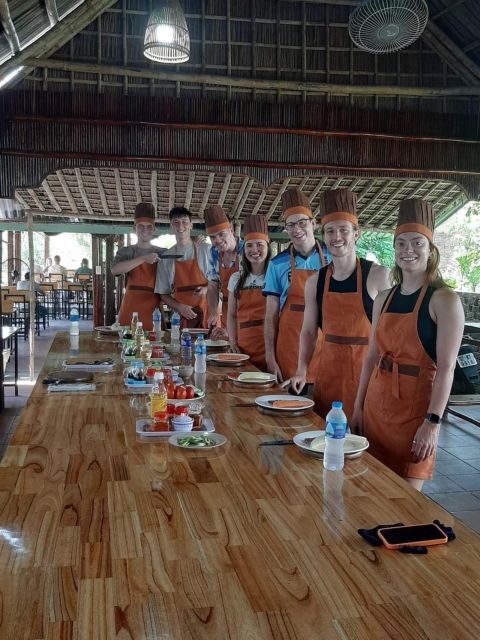
Once everyone finishes cooking, you eat. This isn’t just a “here’s your plate, goodbye” approach. You’ll share the meal together and sample each other’s cooking, which is a sneaky-smart learning moment.
Even if two people follow the same recipe, technique and personal seasoning choices change the final result. Tasting other plates helps you understand what “good” looks like and gives you clues for adjusting at home.
How Long It Really Takes (and How to Fit It Into Your Day)
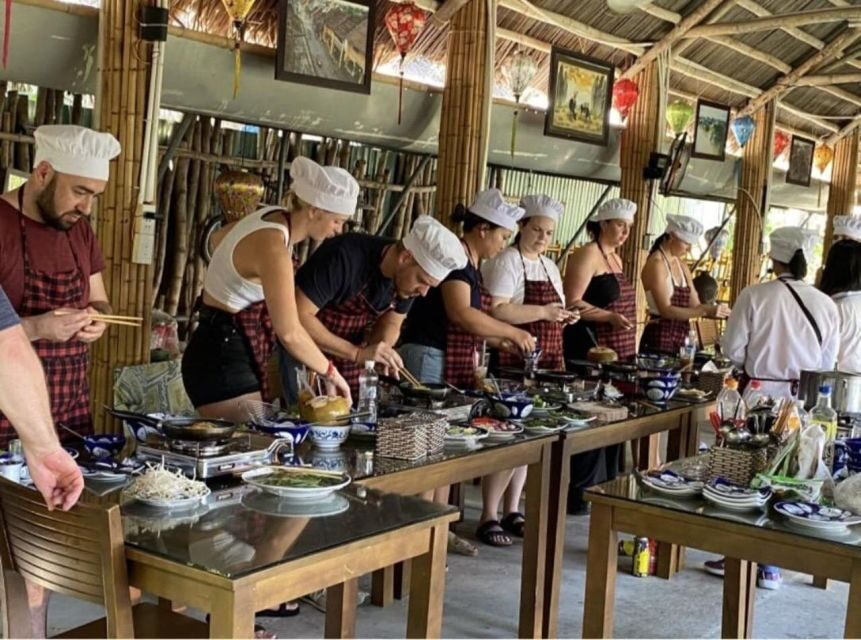
The experience runs about 3 hours (270 minutes). That makes it a solid activity window in Hoi An—long enough to learn, not so long that it hijacks your whole day.
The class also comes in different time slots, with lunch for a morning slot and dinner for an afternoon slot. If you’re deciding between mornings and afternoons, pick what matches your energy level. Cooking in heat can be tiring, so if you’re sensitive to warm weather, a calmer time window may suit you better.
Price and Value: Why $24 Can Make Sense Here
At $24 per person, the value comes from more than the price tag. You’re getting:
- Hotel pickup and drop-off
- An English-speaking chef
- All ingredients
- And a meal (lunch or dinner depending on slot)
Drinks aren’t included, so budget for that separately. But when you factor in the pickup, ingredients, and meal, the cost starts looking fair for a structured, hands-on food lesson—not just a ticket to watch someone cook.
For me, the best value signal is that the cooking format is meant to be doable. Feedback highlights dishes that aren’t overly complicated, and the overall tone is friendly and organized. That matters because cooking classes can be either empowering or frustrating. This one aims for the former.
Who This Is Best For (and When You Might Skip It)
This class is a great fit if you:
- Want authentic local dishes you can repeat later
- Prefer a smaller, food-first experience over long sightseeing
- Like a fun group vibe with a chef who teaches clearly
- Have dietary needs and want planned adaptations (as long as you communicate them)
You might skip it if you:
- Want a quiet, mostly observational tour
- Have very limited mobility or stamina for hands-on cooking tasks (the class is participatory)
- Are only interested in tasting food, not learning technique
Should You Book This Vietnamese Cooking Class in Hoi An?
If you want the best “take-home” souvenir from Hoi An, I’d book it. Four dishes in a structured, English-speaking class format, plus pickup and a meal included, is a practical setup. And the coconut village setting gives the experience a sense of place beyond the plate.
Book it especially if you learn by doing. This is the kind of class where you’ll leave understanding how flavors come together, not just memorizing what you ate. If you have allergies or a specific diet, reach out early so the chef can adapt ingredients smoothly.
FAQ
What dishes do I cook in this Hoi An class?
You’ll cook four local dishes: Hoi An rice pancake, Hoi An spring rolls, papaya salad, and fish in clay pot with steam rice or Cao Lau, depending on the session.
Does the class include lunch or dinner?
Yes. It includes lunch for a morning slot and dinner for an afternoon slot.
Is there a vegetarian or vegan option?
Yes. A vegan/vegetarian menu option includes tofu in clay pot with steam rice, papaya salad, Hoi An spring rolls, and Hoi An rice pancake.
Can the chef adjust for allergies or gluten-free needs?
Yes. Ingredient choices can be adapted depending on vegan/vegetarian preferences, gluten-free preference, and allergies. Let the provider know your needs.
Is pickup available?
Yes. Hotel pickup and drop-off are included, and pickup is available in Hoi An city center.
How long is the experience?
It runs about 3 hours (270 minutes).
What language is the chef?
The chef speaks English.
Are children welcome?
Children under 3 years old are free of charge and won’t join in the cooking; they share services with their parents.