REVIEW · HOI AN
Village Adventure Private Tour by Electric Car
Book on Viator →Operated by HoiAnGO · Bookable on Viator
If you want village crafts without the hassle of getting a motorbike, this Hoi An private electric-car loop is a smart pick. You start with a scenic drive over Cam Kim Bridge for big Thu Bon River views, then move through rural Cam Kim for short, focused stops: traditional woodworking at Kim Bong, basket boat making (coracle style) at Ong Sau, mat weaving with natural dyes at Kim Bồng, and fresh rice noodle craft at Lò Mì Quảng Bà Tiễn. My two favorite parts are the mix of hands-on craft watching and the smooth, easy ride for a tight schedule. One consideration: each craft stop is brief, and you should expect small entrance fees at most stops since not all admission is included.
What also helps is the private setup. You’re not stuck with a crowd, and your driver can help with practical details like photo moments and pacing; names like Dung, Lê Văn NGO, Tien Tai, and Thân Trong Nghia have come up as standout drivers for friendliness and photo help. If you’re the type who hates any surprise detours, keep control of the route and confirm any add-ons before you go.
In This Review
- Key things to know before you go
- Getting to the Electric-Phố Cổ pickup point
- Why Cam Kim Bridge is worth it (even before the crafts)
- Cam Kim neighborhoods: seeing life as it happens
- Kim Bong carpentry village: traditional woodworking, up close
- Ong Sau coracle boats: basket-boat making you can track
- Kim Bồng mat weaving: natural dyes and handwork
- Lò Mì Quảng Bà Tiễn: watching My Quang take shape
- Back over Cam Kim Bridge and into Old Town mode
- Price and value: what $31.67 buys you
- The driver factor: photo help and practical pacing
- A word of caution about add-ons and side stops
- Who this tour is best for
- Should you book Village Adventure by Electric Car with HoiAnGO?
- FAQ
- How long is the Village Adventure tour?
- Is this a private tour?
- What does the price include, and what doesn’t?
- Where do I meet and where does the tour end?
- Do I need good weather?
- Can I cancel for free?
Key things to know before you go
- Cam Kim Bridge photos first: A scenic Thu Bon River warm-up sets the tone before the workshops.
- Short stops by design: Plan on quick 5-minute-style craft visits, not long lessons.
- Car-friendly and easy on your feet: The electric car reduces walking in hot or rainy weather.
- Rice noodles are ticket-free: The Lò Mì Quảng Bà Tiễn stop lists admission as free.
- Some admission fees likely: Carpentry, coracle boats, and mat weaving are marked as not included.
- Watch for add-ons: One complaint mentioned unexpected side costs and a shop stop, so set expectations early.
Getting to the Electric-Phố Cổ pickup point
The tour meets at Xe Điện Phố Cổ – HoiAnGO Parking Station 1, at 1B Hoàng Diệu, Cẩm Châu, Hội An, Quảng Nam. The day starts here and ends back at the same meeting point, which makes the logistics easy if you’re basing yourself in or near the old town area.
This is listed as private, meaning it’s only your group in the vehicle. That matters more than it sounds. In a place like Hoi An where schedules can feel chaotic, having a dedicated ride plus driver time helps you keep things moving without waiting around.
You’ll also get a mobile ticket, and confirmation comes at booking. The operator allows service animals, and the tour is described as a good fit for most people. If you’re traveling with limited mobility, the electric car helps, but the craft stops still require you to move around at each workshop area.
You can also read our reviews of more private tours in Hoi An



Why Cam Kim Bridge is worth it (even before the crafts)

You begin with a drive across Cam Kim Bridge, with exceptional views over the Thu Bon River. This isn’t just a transfer. It’s your first “you’re in the countryside now” moment.
In practice, a river view at the start helps in two ways. First, it sets expectations that this tour is about real daily life outside the tourist center, not only a checklist of workshop names. Second, it gives you a quick photo payoff before the stops get busy and hands-on.
If your trip timing is flexible, I’d aim for softer daylight rather than peak sun. The bridge views are the kind you’ll want a clean shot for, not a squint-and-sweat photo. And because you’ll come back over the bridge at the end, you effectively get a second chance to catch different light.
Cam Kim neighborhoods: seeing life as it happens
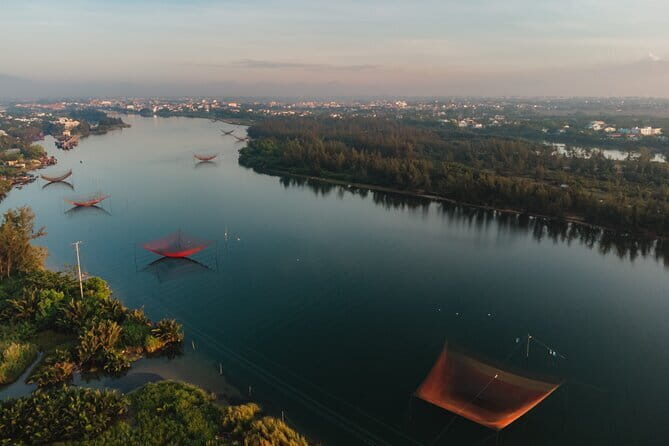
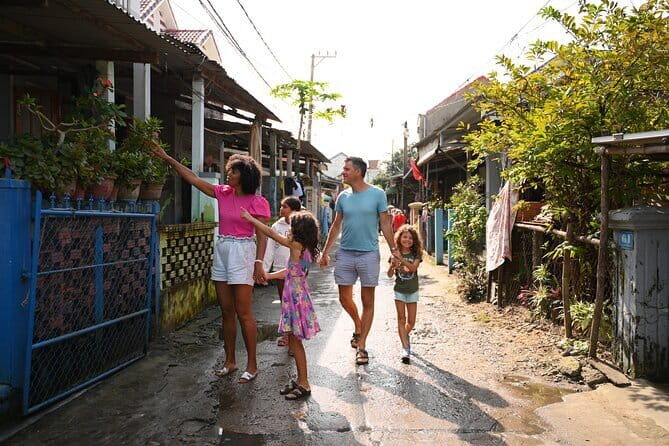
After the bridge, you pass through Cam Kim rural neighborhoods. The tour description focuses on everyday village life rather than staged scenes. Even if you don’t speak Vietnamese, you’ll see how daily routines shape the landscape: small streets, workshop-adjacent homes, and the rhythm of people going about their work.
This part is subtle, but it’s also the most authentic feeling piece for many people. It’s not one single attraction you can buy a ticket for. It’s a moving “look around” while you’re still fresh, seated, and ready to absorb what the crafts mean in context.
The catch is time. You won’t get long walks here. Think of it as a moving introduction that prepares you for what you’ll watch at the next stops.
Kim Bong carpentry village: traditional woodworking, up close
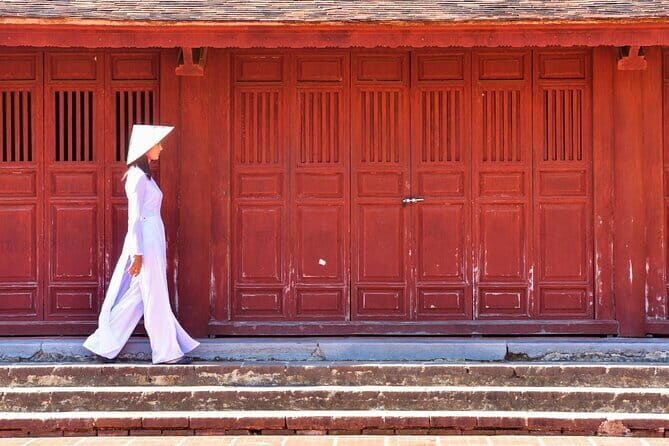
Your first craft stop is the Kim Bong carpentry village. The key idea here is watching artisans practice traditional woodworking techniques. This is short—about 5 minutes on the schedule—and admission is not included.
Even with that quick time window, carpentry tends to leave an impression fast. Woodwork is tactile and visual. You’ll likely notice tool use, joinery methods, and the way craftsmen work with the material rather than treating it like a display.
Practical advice: if you care about process, come ready with one or two questions. A short stop rewards smart questions more than long wandering. If you want more explanation, consider the optional guide with licence. It’s not included, but it can help you understand what you’re seeing instead of just photographing it.
Drawback to plan around: because the visit is brief, you may not be able to linger for the exact step you’re most curious about. If that’s your style, you might prefer a longer, separate carpentry-focused visit in Hoi An.
Ong Sau coracle boats: basket-boat making you can track
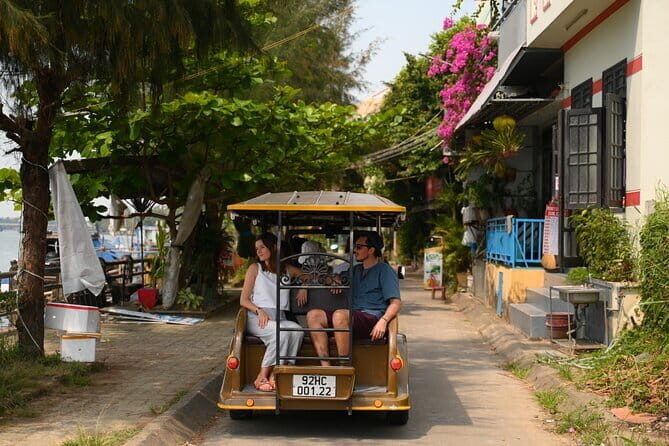
Next up is coracle boat making, connected to the traditional villages area (Ong Sau). The schedule again lists a short stop and notes admission is not included.
Coracle-style basket boats are a fascinating craft because you can follow the logic quickly. The materials, shape, and weaving method all matter for how the boat behaves on water. Even if you only watch for a few minutes, you can often tell the difference between decorative weaving and structure-building weaving.
Also, this craft tends to bring out questions like:
- How is strength built into the weave?
- What materials are used and why?
- How do they test shape and sturdiness?
Because your stop is short, ask your driver for help if you want the explanation. If you booked without a licensed guide, you can still get value from the demonstration—just be aware you might not get deep background on each step.






Kim Bồng mat weaving: natural dyes and handwork
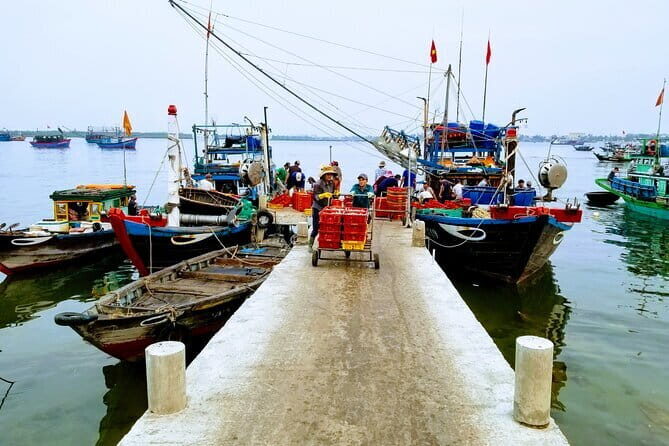
Then you’ll reach the Khu Dệt Chiếu Kim Bồng / Kim Bong traditional mat weaving workshop. Again, time is tight (about 5 minutes), and admission is not included.
The part that makes this stop worth it is the color and the method. The tour description points to colourful mats made using natural dyes and traditional hand-weaving. That combination is important: natural dyes usually mean a different look and a different production story than industrial pigments, and the hand-weaving angle means you’re seeing labor that can’t be rushed without changing the final texture.
In a short stop, I recommend you focus on two things:
- how the weave pattern forms as strands are guided
- how the dyed materials hold color and contrast
If your goal is to understand craftsmanship rather than just watch activity, this is a strong stop. But if you want a long hands-on workshop where you make your own item, this schedule may feel too quick.
Lò Mì Quảng Bà Tiễn: watching My Quang take shape
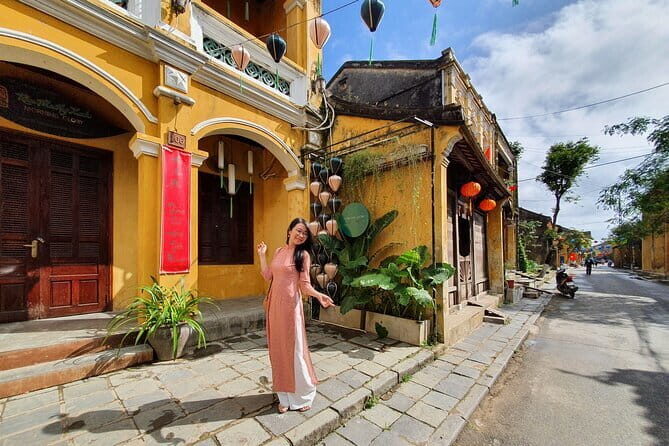
The rice noodle stop is Lò Mì Quảng Bà Tiễn, and it’s the most practical-feeling demonstration of the day. Carefully steamed rice flour is turned into My Quang right before your eyes, and the schedule states admission is free here.
This is a standout because it connects directly to what you’ll eat in Hoi An. My Quang is common, but watching the process helps you understand why it has its specific texture. Also, food demos tend to stay interesting even if you’re not fluent in the language—because your eyes can follow the steps.
A “works well for families and first-timers” note: if your group includes kids, this stop usually lands well. Food-making is easy to engage with, and it gives you something to remember beyond workshop photos.
Like the other stops, it’s brief. But because it involves a clear process, it often feels longer than the time on paper.
Back over Cam Kim Bridge and into Old Town mode
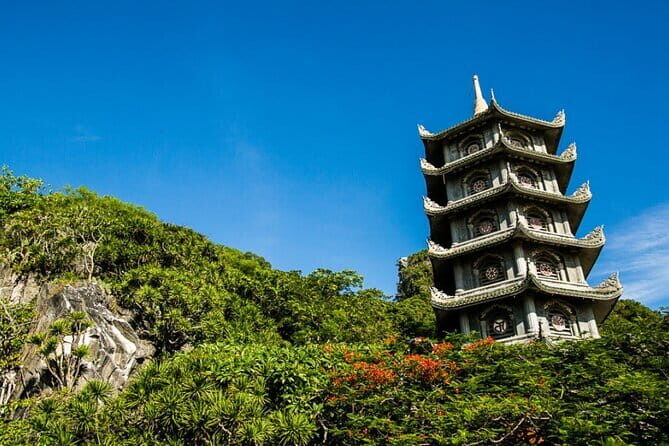
After the last workshop stop, you return and get another picturesque viewpoint from Cam Kim Bridge. This gives you a finish that feels balanced: you started with river views, you end with river views, and in between you got craft watching instead of only driving.
This return also helps you transition back to Hoi An Old Town mood. Once you’re done, you’ll be dropped back at the meeting point.
If you’re planning what to do after, think about pairing this tour with a casual meal near the Old Town. The noodle and mat-weaving craft watching makes it easier to order with better context. You’ll see the food theme you just watched, and you’ll understand that these village crafts aren’t random souvenirs. They’re part of how livelihoods connect to daily life.
Price and value: what $31.67 buys you
At $31.67 per person, this tour is built for value through time and transportation. You’re paying for private transportation by electric car plus guided movement between multiple craft points, without needing to arrange separate rides for each stop.
The “value” part is really your schedule efficiency:
- You hit several craft styles in a compact 1.5 hours.
- You get scenic bridge views without extra planning.
- You avoid long walks with an electric-car ride.
The tradeoff is that the craft visits are short. You’re not buying an all-day immersion in one workshop. You’re buying a curated “taste” that’s good if you want variety and a quick understanding of what the region is known for.
Also, remember the admission note: some stops list admission tickets as not included. That means the final out-of-pocket can be slightly more than the base price. Still, the structure is generally straightforward, and the rice noodle stop is marked free.
If you want the most value, come with a plan:
- prioritize which craft you’ll pay attention to most
- ask questions during each stop so the short time pays off
- keep expectations aligned about time limits
The driver factor: photo help and practical pacing
One of the best parts of this kind of private tour is the human factor. In the experiences shared, drivers like Dung, Lê Văn NGO, Doān, Tien Tai, Long An, and Thân Trong Nghia came up for being friendly, punctual, and helpful with photos.
That matters because you’re moving between rural points where your phone camera might not catch what you want without a pause. A driver who knows when to stop and how to frame a shot can turn a quick craft visit into a memorable one.
Practical advice: tell your driver early what matters to you. For example, if you care about carpentry details, ask for a stop that lets you see tools and process clearly. If you care about river views, ask for a good photo moment at the bridge. Private means you can steer the comfort and pacing.
A word of caution about add-ons and side stops
There is one concern to treat seriously. One customer reported feeling scammed after being charged a high extra amount (over 300,000 VND) for another personal add-on activity and a souvenir shop they said they didn’t ask for.
I can’t say this is the norm, but I can say this is a clear signal: if you want a strict craft-and-bridge route, confirm that you are only doing the listed stops. Before you start, ask directly about any additional costs beyond what you expect for entrance tickets. If you’re offered a detour, decide then and there whether you want it.
This doesn’t mean you shouldn’t book. It means you should manage expectations like a pro.
Who this tour is best for
This Village Adventure by electric car suits you if:
- you want variety in a short time (multiple crafts, not one long workshop)
- you prefer low-effort logistics around Hoi An
- you like watching hands-on work even if you don’t speak the language
- your group includes people who would struggle with long walking
It may be less ideal if:
- you want deep, long explanations at each workshop (the stops are very short)
- you dislike any possibility of side shopping or add-ons (confirm route expectations)
- you’re searching for a fully hands-on class where you make items yourself (the schedule is observation-focused)
Should you book Village Adventure by Electric Car with HoiAnGO?
I’d book it if you want a fast, practical taste of Cam Kim village crafts with an easy ride and two good bridge photo moments. The format is simple: hop from bridge to workshop to workshop, then back to the meeting point. If your time in Hoi An is tight, this is exactly the kind of tour that helps you see more without exhausting yourself.
I’d think twice if you need long guided storytelling at each stop or if you expect every workshop to feel like a full lesson. This is short-stop craft viewing. It’s also worth going in with a clear mind about extras: confirm route and costs up front so you stay in control.
FAQ
How long is the Village Adventure tour?
The tour runs for about 1 hour 30 minutes, and that total time includes the travel between stops.
Is this a private tour?
Yes. It’s private transportation for your group only, so you won’t be mixed with other tour groups.
What does the price include, and what doesn’t?
Private transportation is included. Entrance fees are not included (except the rice noodle stop at Lò Mì Quảng Bà Tiễn, which is listed as free). An optional licensed guide is also not included.
Where do I meet and where does the tour end?
You start at Xe Điện Phố Cổ – HoiAnGO Parking Station 1B Hoàng Diệu, Cẩm Châu, Hội An, Quảng Nam, Vietnam, and the tour ends back at the same meeting point.
Do I need good weather?
The experience requires good weather. If it’s canceled due to poor weather, you’ll be offered a different date or a full refund.
Can I cancel for free?
Yes. Free cancellation is available. You can cancel up to 24 hours in advance for a full refund; within 24 hours, the amount paid is not refunded.