REVIEW · HOI AN
Authentic Vietnamese Coffee Making Experience in Hoi An
Book on Viator →Operated by Hoi An Scooter Adventures · Bookable on Viator
There’s nothing like building your own cup. This Hoi An coffee-making experience teaches you the craft behind Phin filter coffee and three iconic Vietnamese styles, then lets you actually make what you’re curious about. It’s short, hands-on, and designed for both coffee newbies and people who already know their way around a café menu.
I love that you choose two kinds of coffee to make, not just watch a show. And the class comes with the tools, an English-speaking instructor, a certificate, and the recipe for the coffees you prepare, so the learning doesn’t end when you leave the table.
One practical consideration: there’s no pick-up or drop-off, so you’ll want to plan how you’ll get to 88, Đường Đ. Phan Chu Trinh, Phường Minh An, Hội An, Quảng Nam. Also, if you’re booking midday, I’d aim to avoid the hottest part of the day, since heat can make any short activity feel longer.
In This Review
- Key highlights you’ll care about
- What You Actually Make: Choose 2 Vietnamese Coffees in Hoi An
- Phin Filter Coffee: The Slow Drip That Tastes Like Vietnam
- Egg Coffee: Creamy, Rich, and Learnable in Real Steps
- Salt Coffee and Coconut Coffee: Flavor Tweaks With a Purpose
- Instructor-Led Class Style: Friendly, Not Rushed
- Duration and Timing: A 2-Hour Plan That Fits Hoi An Days
- Location and Getting There: Meet at 88, Phan Chu Trinh Street
- What’s Included (and Why It’s Better Than Paying for Just a Drink)
- Price and Value: Is $18 a Good Deal?
- Who This Coffee Class Is Best For
- Should You Book This Hoi An Vietnamese Coffee Class?
- FAQ
- How much does the Hoi An Vietnamese coffee-making experience cost?
- How long is the coffee class?
- Do I make coffee or only watch?
- What types of Vietnamese coffee can I choose from?
- Is pick-up and drop-off included?
- What’s included in the price?
- Is there a group size limit?
- Can I cancel for a full refund?
Key highlights you’ll care about
- Choose 2 coffees: you pick from Phin filter, egg coffee, coconut coffee, and salt coffee.
- Hands-on tools and instruction: you use the equipment yourself with an English-speaking instructor.
- Four Vietnamese specialties are covered: even though you make two, you learn what makes each one different.
- Recipes to take home: you get the method for the coffees you make, not just a memory.
- Small-group feel: capped at 50 travelers, which helps keep things friendly and unhurried.
- Includes coffee and/or tea: you won’t leave on an empty stomach or thirsty.
What You Actually Make: Choose 2 Vietnamese Coffees in Hoi An

This is a 2-hour class that centers on Vietnamese coffee techniques, not just tasting. You’ll learn how coffee gets brewed and flavored in Vietnam, then you’ll choose two styles to create from the menu of four: Phin filter coffee, egg coffee, coconut coffee, and salt coffee.
Here’s what each option means in real, practical terms. The Phin is the classic Vietnamese slow-drip style, where gravity does the work and the coffee comes out bold and robust. Egg coffee is the famous creamy version, made with coffee plus egg yolks, condensed milk, and sugar for a smooth, rich texture. Coconut coffee adds nutty sweetness and aroma, turning your cup into something lighter and more tropical. Salt coffee uses a small pinch of salt to adjust flavor balance—especially to reduce the sense of bitterness that can show up in darker brews.
What makes this format valuable is choice. If you’re the type who wants one safe win and one adventurous option, you can. If you already know you want egg coffee (it’s a must-try in Vietnam for a lot of people), you can build your second pick around it, like salt.
You can also read our reviews of more tours and experiences in Hoi An


Phin Filter Coffee: The Slow Drip That Tastes Like Vietnam
The class starts with Vietnamese Phin filter coffee, and it’s the best anchor for understanding everything else. You’ll see the traditional Phin filter method and learn why this brew is different from espresso-based styles you might be used to.
In simple terms, the Phin slows the drip so the water pulls flavor gradually. That means less harshness and more “body” in the cup—think bold and sturdy rather than sharp or thin. It also gives you something useful for later: once you understand the role of the filter and the drip time, you stop treating Vietnamese coffee like a mystery and start treating it like a method.
This part of the experience matters even if you don’t end up choosing Phin as one of your two made-to-order coffees. It’s the baseline. After learning it, the later flavor twists (egg, coconut, and salt) make more sense because you know what the coffee tastes like before the extras.
Egg Coffee: Creamy, Rich, and Learnable in Real Steps
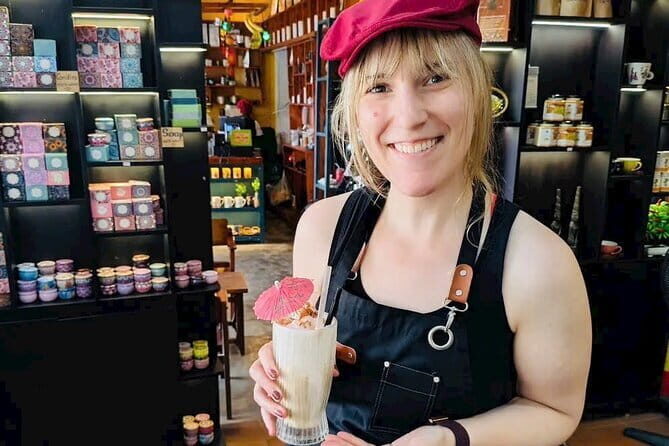
Egg coffee is one of those Vietnamese specialties people talk about because it sounds unusual. Then you try it and realize it’s not weird—it’s just well made. In the class, you’ll watch skilled baristas prepare it, then you’ll learn the logic behind the ingredients and texture.
Egg coffee typically combines coffee with egg yolks and condensed milk, sweetened with sugar. The yolks get whipped to create a creamy foam, so the coffee ends up smooth rather than gritty or watery. The result is velvety, rich, and dessert-like, without needing you to be a dessert person.
Why I like this section for beginners: it’s not about tasting notes or complicated brewing gear. It’s about technique you can copy. You’ll get the course certificate and the recipe for the coffee you make, so you’re not left guessing how much of each ingredient went into your cup.
Also, the egg coffee pick shows up a lot in people’s favorite combinations. Many couples and coffee fans choose egg alongside a more surprising counterpart, like salt, because the flavors play off each other.
Salt Coffee and Coconut Coffee: Flavor Tweaks With a Purpose
Even if you’re only making two coffees, you’ll learn the idea behind the other styles in the class. Two of the most interesting are salt coffee and coconut coffee, because both are about adjusting the coffee experience rather than hiding it.
Salt coffee uses a pinch of salt to change how the coffee tastes. The goal isn’t to make your drink savory. It’s to enhance natural flavors and reduce the perception of bitterness. In a cup that might otherwise taste a little harsh, salt can make the coffee feel rounder and more balanced.
Coconut coffee is the opposite direction—more aroma and sweetness. You learn how coconut flavor works in the cup, and how that nutty, slightly tropical profile can make Vietnamese coffee feel lighter for a warm day.
If you’re choosing your two coffees based on how “different” you want the experience to feel, egg coffee plus salt coffee is a classic pair: creamy meets balanced. If you’d rather go toward something softer and aromatic, coconut paired with either Phin-style coffee or egg coffee can feel more playful.
Instructor-Led Class Style: Friendly, Not Rushed
This is run as an instructional session with an English-speaking instructor, and that matters more than it sounds. When you’re learning hands-on techniques, you need explanations you can follow without mental translation.
From past experiences shared by guests, the teaching style is consistently described as friendly and fun, with the sense that nobody is rushing you out the door. That matches what you want from a 2-hour workshop: you want time to ask questions, handle the tools, and actually understand what you’re doing.
Two instructor names came up in the feedback: Van and David. Both are credited with clear explanation and a relaxed pacing, which is a big deal if you’re bringing a partner or you’re not the confident type in kitchens.
The group size cap is 50 travelers. That’s large enough for a lively atmosphere, but still small enough that you’re likely to get attention when you need it—especially since you’re making coffee yourself.




Duration and Timing: A 2-Hour Plan That Fits Hoi An Days
Plan on about 2 hours. That’s helpful because it’s long enough to learn technique and make two drinks, but short enough to fit into a sightseeing day without turning your schedule into spaghetti.
This also means you should treat the session like a purposeful stop, not a casual wander. If you show up late or hungry, you’ll feel it, since the class moves through steps for each coffee type you learn and make.
There’s also a timing tip worth taking seriously: one review specifically suggests going when it’s not too hot. Hoi An can get intense in the sun, and even if the space is comfortable, you’ll still feel better if you avoid peak heat.
Location and Getting There: Meet at 88, Phan Chu Trinh Street
The meeting point is 88, Đường Đ. Phan Chu Trinh, Phường Minh An, Hội An, Quảng Nam, Vietnam. The experience ends back at the same spot, so you’re not dealing with a one-way route across town.
The class is near public transportation, which helps. But because pick-up and drop-off aren’t included, you’ll want to plan your own arrival. The good news is that this kind of local meeting point is often easier than getting bused out to a workshop on the edge of town.
A simple practical move: send your WhatsApp number when booking. The tour notes this requirement, and it’s the easiest way to keep coordination smooth so you don’t get stuck hunting for the group at the last second.
What’s Included (and Why It’s Better Than Paying for Just a Drink)
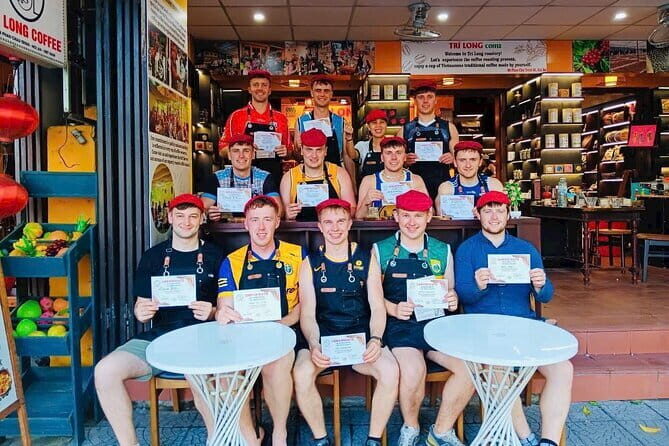
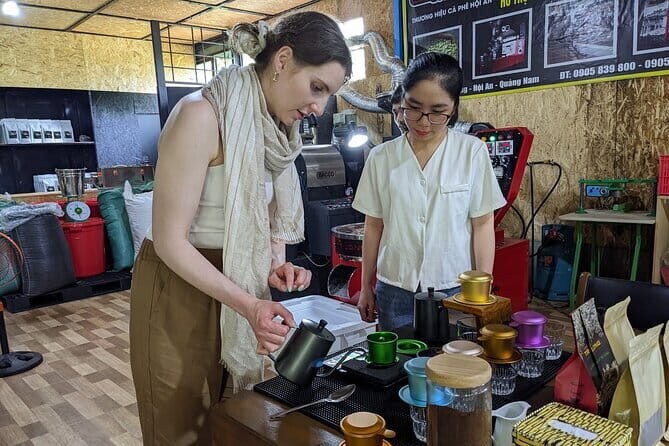
You get more than a tasting here. Included items are the tools you need to make coffee, an English-speaking instructor, a Vietnamese coffee making course certificate, and the recipe for the coffees you make. You’ll also have coffee and/or tea.
That package is part of the value. If you only paid for coffee at a café, you’d still get flavor—but you wouldn’t get the method, and you wouldn’t come home with step-by-step instructions. Here, you get enough guidance to recreate egg coffee, salt coffee, or Phin filter coffee on your own.
The certificate is a fun add-on for travel-day memories, especially if you’re doing activities like this with a partner or as a short “learn something” stop. It’s not required for enjoyment, but it’s consistent with the way the class is run: this is a real course, not a quick demo.
Price and Value: Is $18 a Good Deal?
At $18 per person, this class is priced for tourists who want hands-on experiences without a big splurge. The value comes from what’s bundled into that $18: two coffees you choose, the tools, an instructor who explains in English, and the recipes you take home.
You’re also paying for time—2 hours is enough to learn a process, not just sample flavors. That instruction piece is what turns the experience from tasting to skill-building.
If you love coffee and you hate the idea of paying to watch other people work, this is one of the better-value formats around. You don’t just sip; you participate, then you leave with instructions you can use later.
Who This Coffee Class Is Best For
This is a great fit if you:
- want a hands-on Hoi An coffee experience that’s short and schedule-friendly
- like Vietnamese specialties such as egg coffee, salt coffee, and coconut coffee
- enjoy practical travel classes where you leave with a recipe, not just photos
- are visiting as a couple or small group and want an activity that feels social but not chaotic
It’s also solid for beginners. The main “skill” is learning technique, not already knowing coffee terminology. And since you choose two coffees, you can steer the experience toward what you actually want to drink.
You might skip it if you only want a quick café stop, or if you don’t enjoy experimental flavors like egg coffee foam or the idea of salt adjusting bitterness. In other words: this class is for people who are open to tasting and learning, not just people who need caffeine.
Should You Book This Hoi An Vietnamese Coffee Class?
I think you should book it if your goal is to understand Vietnamese coffee through real method—especially if you’re curious about egg coffee or you want to see how Phin filter brewing creates the base flavor for everything else. The best reason is the combination of hands-on making, recipe take-home, and the option to choose two coffees.
I’d reconsider if you’re relying on pick-up and drop-off, since the class starts and ends at the same meeting point and doesn’t provide transportation. Also, if you’re visiting at the hottest time of day, plan your arrival time so the short session stays pleasant.
If you like learning by doing, this one is easy to recommend.
FAQ
How much does the Hoi An Vietnamese coffee-making experience cost?
It costs $18.00 per person.
How long is the coffee class?
The experience runs for about 2 hours.
Do I make coffee or only watch?
You make two coffees of your choice during the class, using the provided coffee making tools.
What types of Vietnamese coffee can I choose from?
You can choose from Vietnamese Phin filter coffee, egg coffee, coconut coffee, and salt coffee.
Is pick-up and drop-off included?
No. Pick up and drop off are not included, and the activity ends back at the meeting point.
What’s included in the price?
Included are the coffee making tools, an English-speaking instructor, a Vietnamese coffee making course certificate, the recipe of the coffee you make, and coffee and/or tea.
Is there a group size limit?
Yes. The tour/activity has a maximum of 50 travelers.
Can I cancel for a full refund?
Yes, there is free cancellation. You can cancel up to 24 hours in advance for a full refund.