REVIEW · HOI AN
Cooking School from Hoi An/ Da Nang
Book on Viator →Operated by Hoi An Food Tour - Private Day Tours · Bookable on Viator
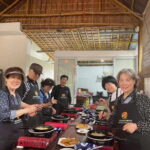
Hoi An turns dinner into a lesson. This hands-on class teaches you how to cook four Vietnamese favorites, then you get to eat what you make.
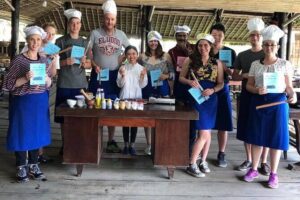
I like the practical setup: hotel pickup and drop-off mean you spend your time cooking, not navigating. I also love that it is a small group (max 20), so the English-speaking guide can actually keep an eye on what you’re doing.
One thing to consider: some menus lean fried, so if you want a lighter meal, you may want to go in with the right expectations.
In This Review
- Key Highlights You’ll Notice Fast
- Two Cities, One Cooking Class: Hoi An vs Da Nang Pickups
- What You’ll Cook: The Four-Dish Plan That Actually Teaches
- Hoi An Timing and the Cam Thanh Village Kitchen Flow
- Da Nang Schedules and the Day-Dependent Menu Choices
- How the Class Works: Hands-On Teaching, Not Just Food
- Food Comfort, Timing, and Small Real-World Tips
- Price and Value: Why $22 Feels Fair Here
- Who Should Book This, and Who Might Want Another Option
- Should You Book This Cooking Class in Hoi An or Da Nang?
- FAQ
- Is hotel pickup and drop-off included?
- How long is the cooking class?
- What dishes do you learn to cook in Hoi An?
- Which dishes might you cook in Da Nang?
- Are there morning and afternoon options?
- Do you get recipes to take home?
- How big is the group?
- Is cancellation free, and are tips included?
Key Highlights You’ll Notice Fast
- You cook four dishes yourself (not a sit-and-watch demo)
- Hoi An includes Cam Thanh Village cooking with a clear morning or afternoon flow
- Da Nang dishes depend on the day with two different menu sets
- You leave with recipes and techniques you can recreate later
- English-speaking hosts like Lily and Quan get singled out for teaching and patience
- Portions are big and there’s a mix of fried and fresh dishes
Two Cities, One Cooking Class: Hoi An vs Da Nang Pickups
This experience works because it’s simple. You’re picked up from the central area of Hoi An or Da Nang, taken to a local cooking home, then returned to your hotel when you’re finished. No long detours, no complicated planning on your end.
In Hoi An, the pickup is scheduled at 10:15 AM or 4:15 PM, and you head out to the cooking house in Cam Thanh Village. In Da Nang, pickup is from Da Nang City Centre at 9:15 AM or 3:15 PM. Either way, you get transfers, an English-speaking guide, and even a bottle of water to keep you comfortable while the class gets going.
The smartest reason to pick this format is time. Cooking classes often turn into half a day or more just getting there. Here, the structure is tight, and you end up with real food skills plus a full meal.
You can also read our reviews of more cooking classes in Hoi An


What You’ll Cook: The Four-Dish Plan That Actually Teaches
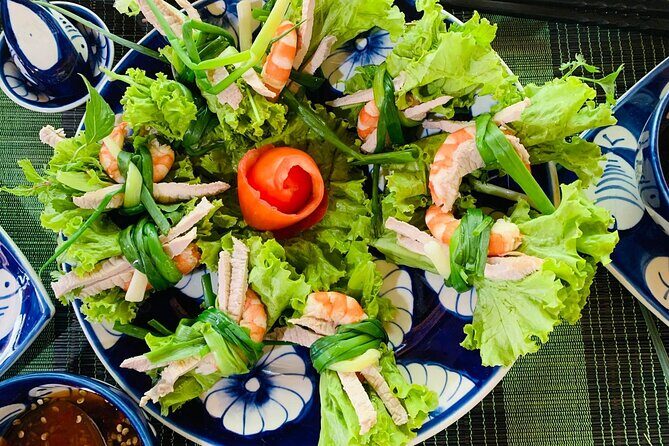
The Hoi An menu is consistent, and I love that. You learn a broad, very real slice of Vietnamese cuisine:
- Beef Noodle Soup (you’ll see this style referred to as pho)
- Deep-fried spring roll
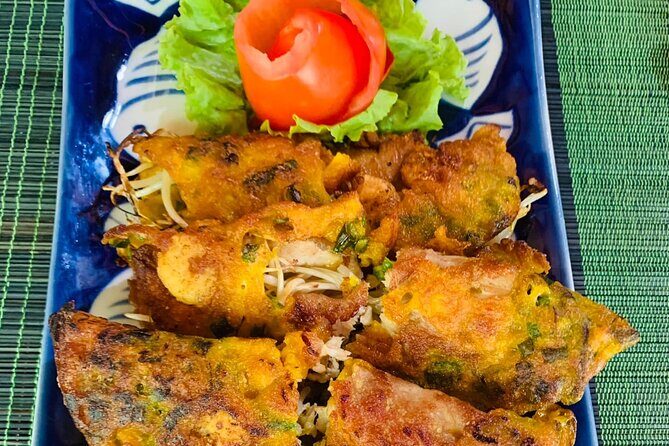
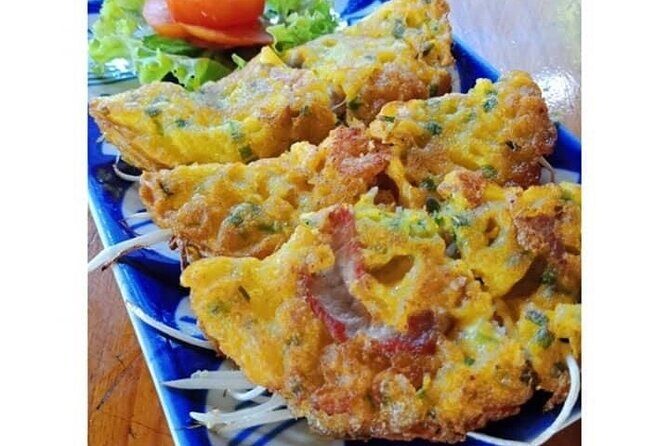
- Hoi An Pancake (Bánh Xèo) with pork and prawns
- Papaya salad (a green, tangy salad with crunchy texture)
That mix matters. You’re not just repeating one cooking method. You’re working with soup fundamentals, learning how fillings and wrappers behave for spring rolls, getting the pancake technique (thin batter + hot pan + toppings), and mastering a salad that depends on the right balance of sweet, sour, salt, and crunch.
In Da Nang, you might cook something slightly different depending on the day. There are two menu sets:
Da Nang Menu 1 (Mon, Wed, Fri, Sun)
- Quang noodle
- Fish sauce chicken wing
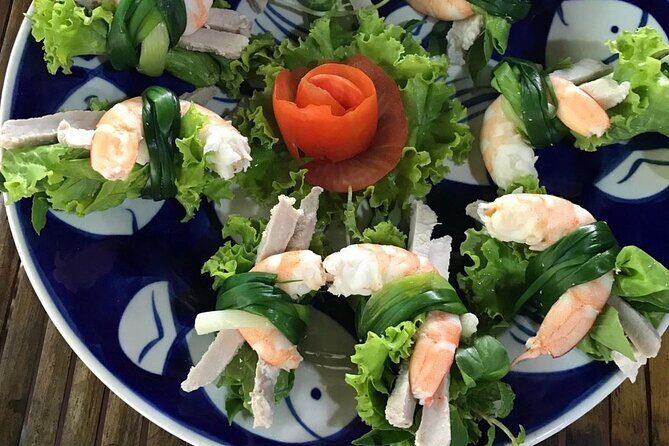
- Green papaya salad with shrimp
- Deep-fried spring rolls
Da Nang Menu 2 (Tue, Thur, Sat)
- Beef noodle soup (pho)
- Crispy Vietnamese pancakes (Bánh Xèo)
- Green mango salad with shrimp
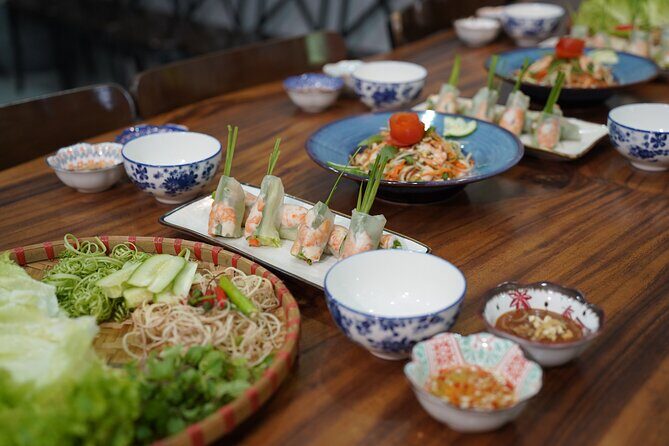
- Fresh spring roll
So you get variety either way. If you’re the type who likes to compare how regions treat similar ingredients, Da Nang is a nice option. If you want a guaranteed set of dishes, Hoi An is the straightforward choice.
Hoi An Timing and the Cam Thanh Village Kitchen Flow
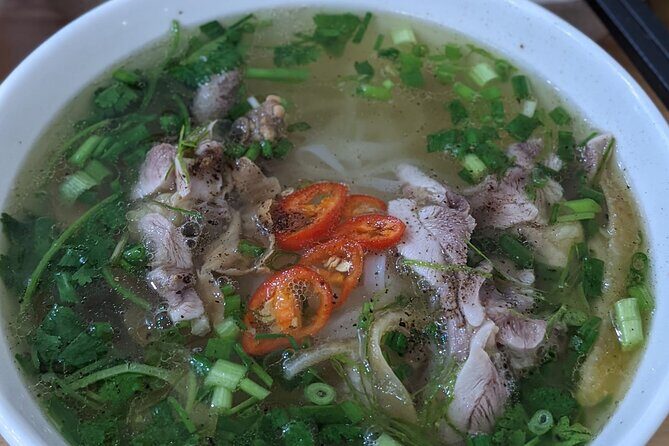
If you choose the Hoi An option, your day is built around a smooth rhythm.
From Hoi An, you’ll be picked up at 10:15 AM (morning) or 4:15 PM (afternoon). Then you head to the cooking house in Cam Thanh Village and spend the cooking time working through the four dishes. After the meal, you’re back to your hotel area at 12:30 PM (morning) or 6:30 PM (afternoon).
Why this is a good plan: it slots neatly into real travel days. Morning fits well if you want an earlier lunch or a lighter afternoon. Afternoon works if you don’t want to rush sightseeing right before dinner. In both cases, you end with a meal you helped make, which beats the usual “snack and leave” feeling some classes give.
Also, the class doesn’t just feel like cooking—it feels local. The setting in Cam Thanh Village makes it different from the more touristy kitchen-in-a-building style. You’re cooking in a real home-based environment, which shows up in how the day is paced.
One practical note: one review mentioned the activity can be outdoors at certain times of year. If you’re traveling in warmer seasons, pack mosquito repellent and dress for humid weather. It’s a small thing that makes a big comfort difference.
Da Nang Schedules and the Day-Dependent Menu Choices
Da Nang gives you two options per week, and that detail actually helps you plan.
Pickup is at 9:15 AM or 3:15 PM from Da Nang City Centre. The activity wraps around 12:00 noon or 6:00 PM, and you return to your hotel.
The menu depends on which day you go:
- Mon/Wed/Fri/Sun: Quang noodle, fish sauce chicken wing, green papaya salad with shrimp, deep-fried spring rolls
- Tue/Thu/Sat: pho, Bánh Xèo, green mango salad with shrimp, fresh spring rolls
If you’re a pho person, you’ll probably prefer the second menu. If you want something a bit less expected than pho, Quang noodle is the one to look for. Either way, you’re still getting that blend of noodles, fried items, and fresh fruit-leaning salads that Vietnamese meals do so well.
My practical advice here: check which day you’re already in Da Nang. Then pick the cooking class menu that best matches what you want to eat that night. It’s the easiest way to get the most satisfaction from the experience.
How the Class Works: Hands-On Teaching, Not Just Food
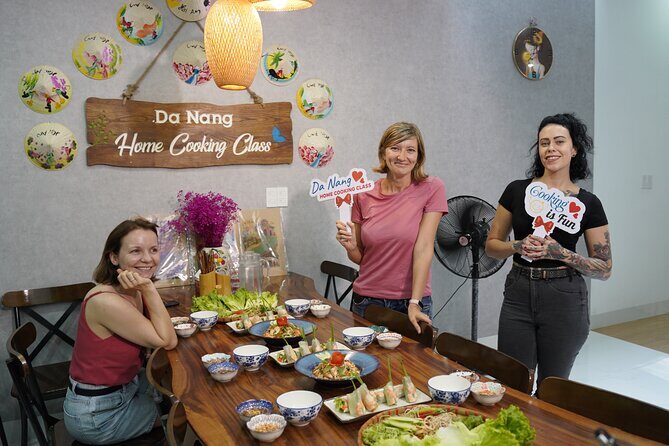
This class earns its high marks because it’s genuinely interactive. You’re not just watching someone else cook while you take photos.
You’ll be guided step-by-step by an English-speaking host. Names like Lily and Quan come up in feedback as teachers who explain ingredients clearly and keep things fun. One key thing I’d tell you to watch for: pay attention during the early steps. Many Vietnamese dishes depend on timing and technique—how hot the pan is, how you handle herbs and aromatics, and how you balance the salad dressing. Those small moves are exactly what turns a dish from “good” into “I can really make this again.”
A lot of people love that the class gives you recipes at the end. That matters more than it sounds. If you’ve ever tried to recreate a dish later with only memory, you know how quickly it falls apart. Written recipes help you reproduce the flavors accurately—especially for salads, dipping sauces, and pancake batter.
You also get plenty of food. Multiple reviews highlight that the portions are huge and filling. So go hungry, but also go ready to slow down. It’s easy to rush when you’re excited about tasting what you made.




Food Comfort, Timing, and Small Real-World Tips
This is a cooking class, but it still behaves like a practical tour day. Here are the small comfort factors that make a difference:
- You’ll likely be sweating a bit. Even if the cooking area is clean and well organized, you’ll be near heat while cooking.
- Bring mosquito repellent if you’re doing it during warmer seasons, since the activity may be outdoors in some settings.
- Use your appetite as planning. This isn’t a light tasting. You’re making enough to eat a full meal.
- Expect some frying. Reviews mention that there are plenty of fried options. If you prefer a healthier feel, you can still enjoy it, but adjust your expectations before you arrive.
One nice touch: the cooking areas are described as clean, with hand-washing available. So you can focus on cooking without feeling grossed out.
Price and Value: Why $22 Feels Fair Here
At $22 per person, this class is good value because you’re getting several things that normally cost extra on their own:
- Hotel pickup and drop-off (big deal in Hoi An and Da Nang)
- An English-speaking guide
- A hands-on cooking session
- A meal based on the dishes you prepared
- Take-home recipes
- A bottle of water during the class
For many similar tours, either the transportation isn’t included, or you’re left with less than you can realistically recreate later. Here, the takeaway recipes help justify the price. You’re not paying only for an enjoyable meal—you’re paying for usable skills.
There’s also a cap of 20 travelers, which matters for cost. A smaller group size can mean less crowding at stations and more time to ask questions. If you enjoy cooking actively, that improves your experience.
Tips aren’t included, so set a small amount aside if you want to reward the guide. But even with tips, the base value is still strong.
Who Should Book This, and Who Might Want Another Option
This cooking class is a great match if you:
- Want a hands-on food experience instead of a sightseeing-heavy tour
- Like learning techniques you can repeat at home
- Care about getting recipes, not just eating dinner
- Travel with family and want an activity that works for kids (one review mentioned a 9-year-old loved it)
It might be less ideal if:
- You’re very sensitive to fried foods. Some menus include deep-fried spring rolls and other fried elements.
- You’re hoping for a perfectly upbeat teacher every day. One review flagged a grumpy teacher experience. That doesn’t mean it’s the norm, but it’s a reminder that teaching style can vary.
Should You Book This Cooking Class in Hoi An or Da Nang?
Yes, I’d book it if your goal is to leave with real cooking skills and a satisfying meal. The biggest reasons: you cook the dishes, you get recipes to take home, and you don’t have to handle transport. For a short trip, that blend is hard to beat.
Choose Hoi An if you want the fixed four-dish set (beef noodle soup, deep-fried spring roll, Bánh Xèo, and papaya salad) and a schedule that lands cleanly at lunch or dinner time. Choose Da Nang if you want the day-dependent menu options and you’d like Quang noodle or mango salad as part of the mix.
And if weather is questionable, this experience is weather-dependent, so make sure you stay flexible. With free cancellation available up to 24 hours before start time, you’ve got an easy safety net.
FAQ
Is hotel pickup and drop-off included?
Yes. Pickup and drop-off are included from the hotel center area in Hoi An or Da Nang, depending on the option you choose.
How long is the cooking class?
It runs about 2 hours 30 minutes (approx.).
What dishes do you learn to cook in Hoi An?
In Hoi An, the class includes four dishes: beef noodle soup, deep-fried spring roll, Hoi An pancake (Bánh Xèo) with pork and prawns, and papaya salad.
Which dishes might you cook in Da Nang?
In Da Nang, there are two menu options depending on the day:
- Menu 1: Quang noodle, fish sauce chicken wing, green papaya salad with shrimp, deep-fried spring rolls
- Menu 2: pho, crispy Bánh Xèo, green mango salad with shrimp, fresh spring roll
Are there morning and afternoon options?
Yes. You can choose a morning or afternoon session in either Hoi An or Da Nang.
Do you get recipes to take home?
Yes. Recipes and techniques are included, and you take them with you after the class.
How big is the group?
The experience has a maximum of 20 travelers.
Is cancellation free, and are tips included?
Tips are not included. You can cancel up to 24 hours in advance for a full refund.