REVIEW · HOI AN
Da Nang/Hoi An: Market & Old Town Private Tour with Transfer
Book on GetYourGuide →Operated by Hoi An Life Cycle · Bookable on GetYourGuide
Hoi An is small, but the stories move fast. This private tour is built for getting your bearings quickly, starting at the Central Market and pairing everyday life with the city’s most recognizable landmarks.
Two things I really like about it are the local-market focus and the way the route threads together major stops in a tight, 3-hour loop. One consideration: the pace is efficient, so you’ll want comfortable shoes and you may not have much time for long, slow detours.
What also makes this tour feel worth it is the human factor: the guide (based in Hoi An) is set up to point out what to look for, not just recite facts. That matches the reviews well, with people praising how the guide connects locations to daily life. If you’re hoping for long free time between stops, this is more of a guided-and-done itinerary than a wander-at-will day.
In This Review
- Key Points You’ll Notice Right Away
- A 3-Hour Private Plan That Starts In The Right Place
- Entering Old Town Through The Central Market
- Phuc Kien (Fujian) Assembly Hall: Worship And Community Life
- Japanese Covered Bridge: The City’s Signature, Explained Like a Local
- Tan Ky Ancient House: 18th-Century Household Architecture
- Folk Museum, Art Stops, And How the Old Town Reads Today
- Silk Weaving Workshop: The Craft Behind the Look
- Traditional Music And Dance At A Local House (10:15 Or 15:15)
- Leaving Old Town: Your Return To Da Nang Or Hoi An
- Price and What You’re Getting for $40 Per Person
- Timing Tips for a Smooth 3-Hour Loop
- Who This Private Tour Is Best For
- Should You Book This Hoi An Market & Old Town Tour?
- FAQ
- How long is the tour?
- Where does the tour start?
- What is included in the price?
- What places will we visit?
- Is the performance included, and when does it happen?
- Do I need to bring anything?
- Can I cancel or change plans?
Key Points You’ll Notice Right Away
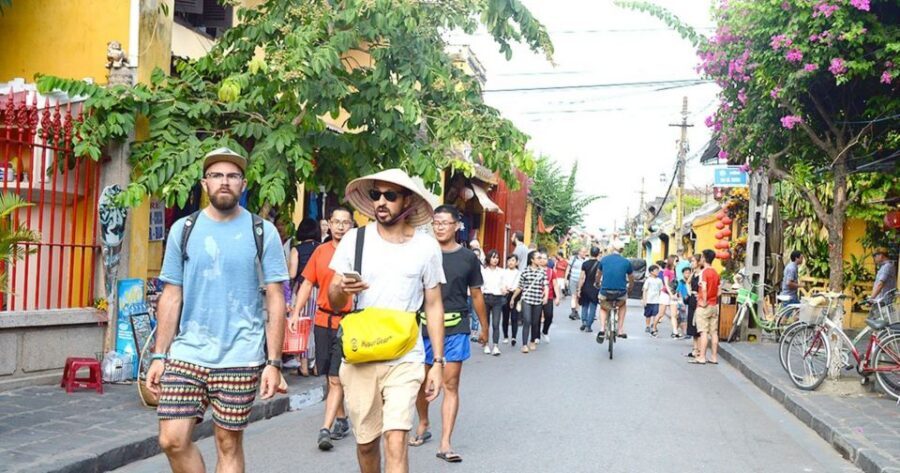
- Central Market start (around 8:00): see the trading rhythm early, before the day gets crowded
- Phuc Kien/Fujian Assembly Hall and Tan Ky: worship and household life in one route
- Japanese Covered Bridge symbolism: it’s treated as the city’s signature landmark, not a quick photo stop
- Old houses with age: you’ll spend time looking closely at preserved architecture said to be 400+ years old
- Silk weaving workshop: you’ll learn what’s behind Hoi An’s famous textiles
- Traditional music and dance (10:15 or 15:15): a scheduled cultural break inside the tour flow
A 3-Hour Private Plan That Starts In The Right Place

This is a private, English-guided tour (3 hours) that fits neatly into your first day in Hoi An or as a structured add-on while you’re based in Da Nang. You get pick-up and drop-off at your hotel lobby in Hoi An or central Da Nang, plus a private car transfer to keep the logistics simple.
The big value here is that you’re not just “seeing famous sights.” The schedule is designed to move from public life (market and assembly hall) to built history (Japanese Bridge and ancient houses), then to craft and performance (silk weaving and music/dance). If you want the fastest route to understanding what makes Hoi An tick, this format helps.
Also, because it’s private, you’re not squeezed into a big group rhythm. That matters on narrow old-town streets where a slower pace can quickly turn frustrating.
You can also read our reviews of more private tours in Hoi An



Entering Old Town Through The Central Market
The tour begins at Hoi An Central Market around 8:00. This is a smart opening, because the market gives you context for how Hoi An works beyond its tourist postcards.
You’ll experience the market’s everyday energy and learn about how locals trade and purchase goods in the traditional setting. I like this start because it trains your eyes right away: when you later visit historic areas, you can connect the architecture and culture to real daily routines, not just old stones.
Practical note: markets can involve uneven walking surfaces and crowds. You’ll be happier with comfortable shoes, especially if your feet aren’t used to slick or patchy sidewalks.
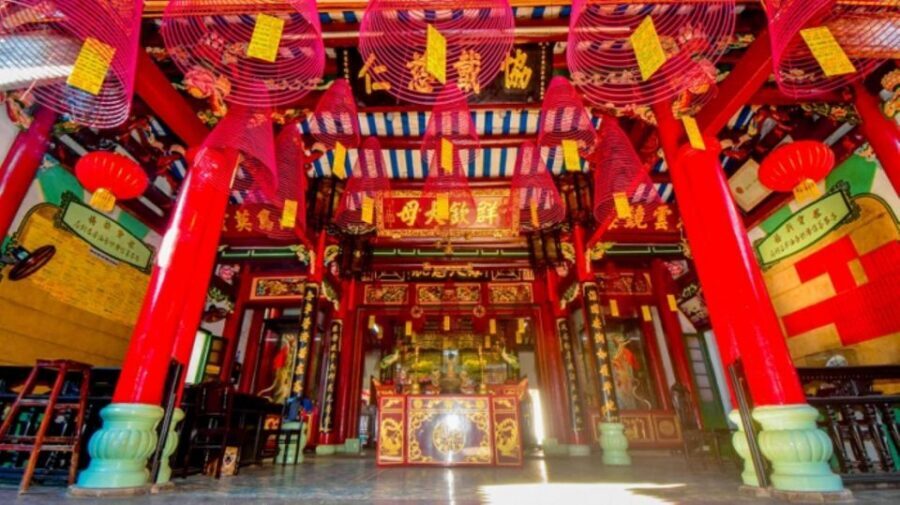
Phuc Kien (Fujian) Assembly Hall: Worship And Community Life
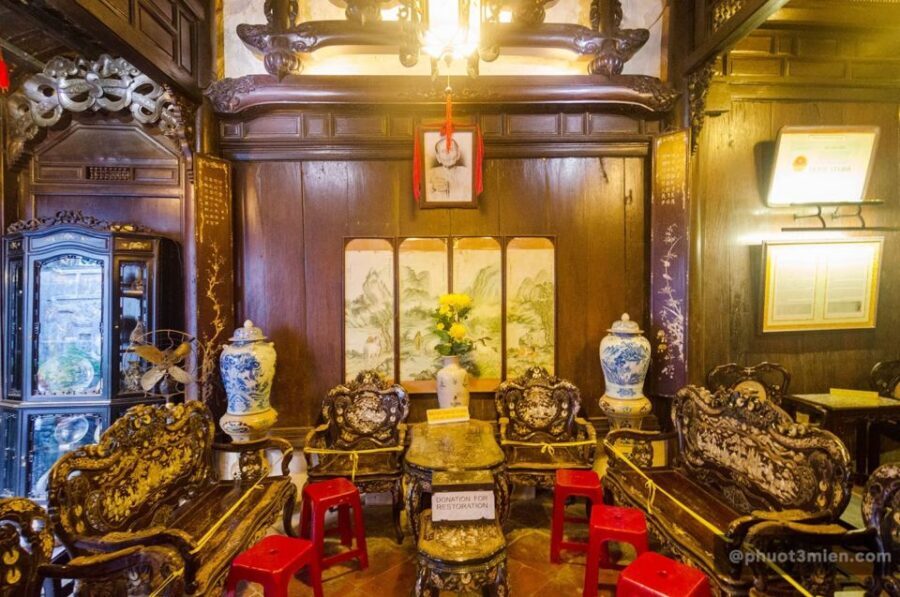
Around 8:30, you visit the Phuc Kien Assembly Hall. The focus here isn’t just the building. The tour explains the living and worshiping culture tied to the people connected with the hall.
This stop is valuable because it shows how immigrant communities historically shaped Hoi An’s identity. You’re not just looking at decorative details; you’re learning how community spaces functioned as places to gather, honor traditions, and maintain ties.
If you’re the type who likes to understand the “why” behind a landmark, this is one of the better points in the route. It turns a stop on a map into a functioning cultural story.
Japanese Covered Bridge: The City’s Signature, Explained Like a Local
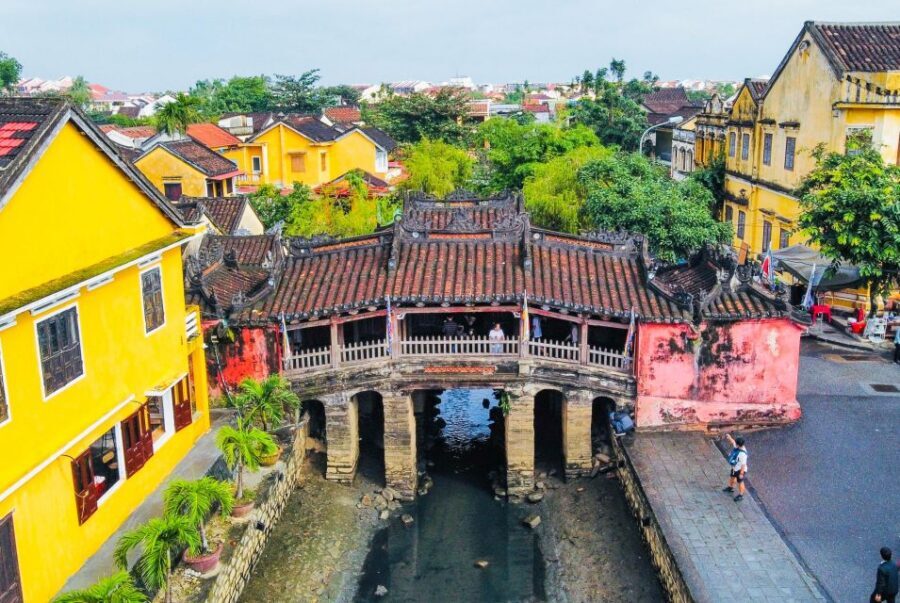
Next comes the Japanese Covered Bridge, often treated as the symbol of Hoi An. It’s the kind of place where you can easily spend two minutes snapping photos and move on. This tour does something different: it highlights cultural features that sit behind what you first see.
The guide also frames it as part of everyday cultural life, not only as a scenic structure. That context helps if you’ve already seen covered bridges elsewhere. Here, it’s explained with Hoi An-specific meaning.
One small reality check: it’s still a busy photo spot during the day, so expect a bit of shoulder-to-shoulder behavior if you arrive with lots of other tours. Your best move is to follow the guide’s cues on when and where to look.
Tan Ky Ancient House: 18th-Century Household Architecture
Tan Ky Ancient House is one of the tour’s anchors. It’s described as one of the oldest houses in Hoi An, built in the late 18th century, and you’ll walk through the quiet, human-scale side of the old town.
I like this stop because it shifts the viewpoint from public life (market and assembly hall) to private life. Ancient houses tell you how people organized family space, daily routines, and social standing. You get to admire the ancient beauty of the old houses while also learning what you’re looking at.
A note to keep expectations realistic: historic homes can mean rules about where you can stand and how long you can linger in certain areas. Still, for a 3-hour tour, this is the kind of stop that gives you the most “I get it now” payoff.
You can also read our reviews of more shopping tours in Hoi An






Folk Museum, Art Stops, And How the Old Town Reads Today
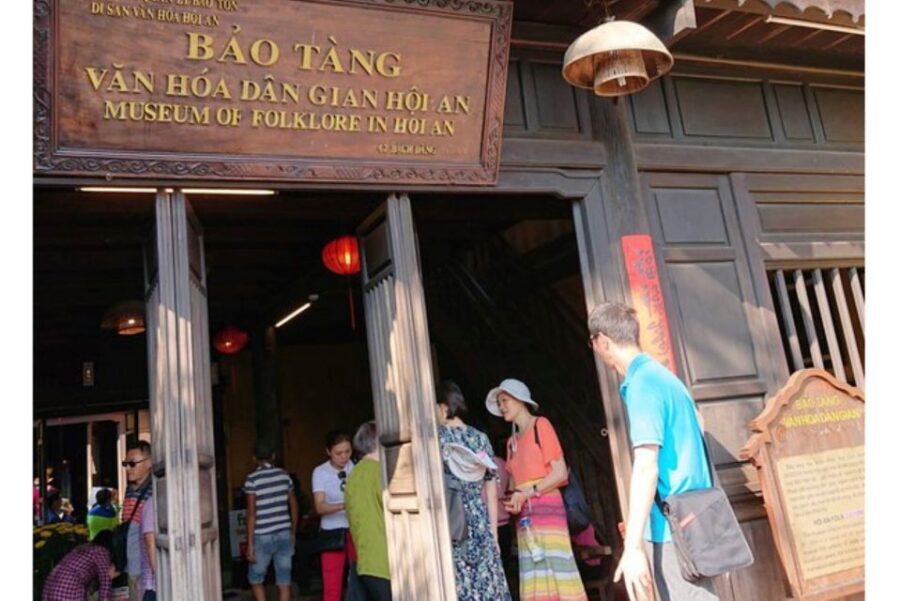
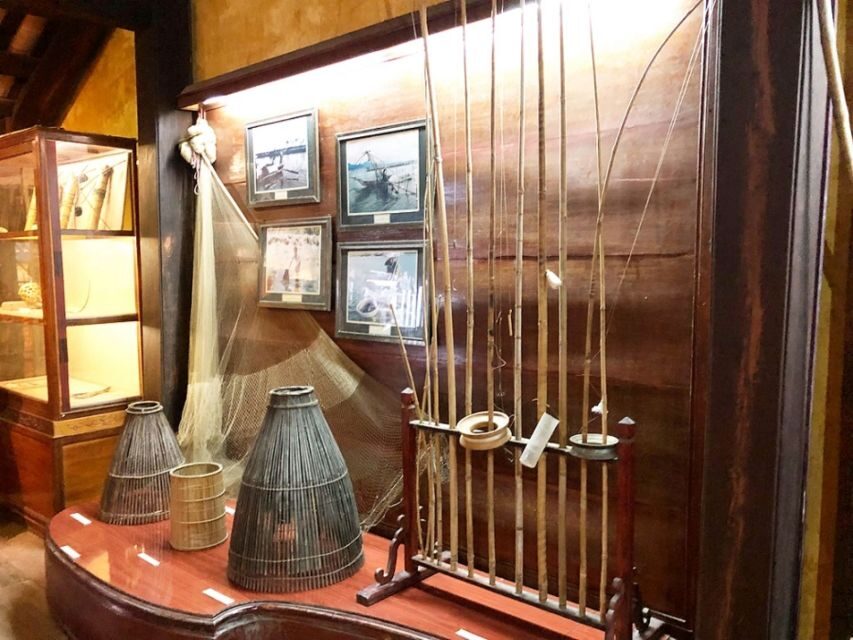
After the house, you go to the Hoi An Folk Museum. The tour frames it around living culture—how people lived then, and what feels different in Hoi An today.
This stop helps connect the physical spaces (houses, halls, streets) with the human stories inside them. It’s also where many visitors start to notice patterns: how traditions persist, how crafts and professions evolved, and which cultural elements were shared across communities.
On the way, you’ll also stop for art galleries and pictures in art shops along the road. This part is less about a single museum object and more about atmosphere. It’s a practical way to see how Hoi An blends preservation with modern creative commerce—especially useful if you’re curious about why the old streets still feel alive.
The only “watch out” is that art shop and gallery stops can feel like shopping time if you’re not in that mood. The good news is that they’re built into the flow to reinforce culture and identity, not tacked on randomly.
Silk Weaving Workshop: The Craft Behind the Look
One of the most satisfying parts of this tour is the silk weaving workshop. The tour explains the long-standing weaving and embroidery craft linked to Hoi An.
This is where the city’s reputation becomes practical. If you’ve ever seen Hoi An textiles and wondered what actually goes into making them, this is the segment that answers that question in tour-sized time.
Even if you don’t plan to buy anything, watching weaving work in motion is a great way to shift from “tourist shopping” mode into “skill appreciation” mode. And because it’s included, you don’t have to spend your own time searching for where to go.
Traditional Music And Dance At A Local House (10:15 Or 15:15)
The tour includes a traditional music and dance performance at a traditional Hoi An house. The schedule is described as 10:15 or 15:15 daily depending on your day.
This is a smart pairing with the rest of the itinerary. By this point, you’ve seen markets, halls, houses, and museums. The performance turns culture from something you read about into something you watch and hear.
If you’re sensitive to performance timing, double-check that your tour day lines up with the show time offered in your session. In a tight 3-hour tour, the schedule matters.
Leaving Old Town: Your Return To Da Nang Or Hoi An
You come back around 11:00, and the tour ends. You also have an optional choice to walk around and return on your own after the tour finishes.
I like having that flexibility. It lets you add personal time where you actually want it—whether that’s lingering near a street you loved or grabbing a snack before heading back.
Just remember: old town streets are best enjoyed with a steady pace. If you try to add extra sightseeing immediately after the tour, give yourself a little buffer so you’re not rushing.
Price and What You’re Getting for $40 Per Person
The price is $40 per person, with the tour rated at 5/5 from a few reviews. To judge value, look at what’s bundled:
- English-speaking private guide
- Pick-up and drop-off at your hotel lobby in Hoi An or central Da Nang
- Private car transfer
- Hoi An old town entrance ticket
- Entrance fees for activities mentioned on the itinerary
- A bottle of water
On a normal day, separating “guide + transfer + entry fees + scheduled cultural stop” can add up fast. Here, the tour is structured so you don’t have to assemble those pieces yourself. That’s what makes the $40 price feel reasonable if you want a no-hassle first pass.
What you’re not paying for separately: the tour is clearly designed as an all-in route with included cultural stops, not just sightseeing with “good luck” directions.
One more practical cost consideration: there’s a note for February 8 to 15 when transportation services charge an additional 300,000 VND for overtime linked to TET Holiday. If you’re traveling during that window, you’ll want to factor that in so you’re not surprised.
Timing Tips for a Smooth 3-Hour Loop
This itinerary is tight, and it relies on set times. The day starts around 8:00 with the market, moves to assembly hall and Japanese Bridge around the morning flow, then continues to Tan Ky and the folk museum before the silk workshop and the scheduled performance.
That’s good news if you’re short on time. But it means you should aim for:
- Arriving ready to walk at the start time (don’t build in delays)
- Keeping your expectations realistic: you’ll see key stops rather than having hours in each one
Also, because the performance time is 10:15 or 15:15, your session’s schedule may affect how the rest of the tour feels. If your day has lots of other plans, make sure the tour time matches what you want to prioritize.
Who This Private Tour Is Best For
This tour is a great fit if you:
- Want a first-time orientation to Hoi An’s old town and culture
- Prefer a structured route over figuring everything out on your own
- Like the mix of market life, historic houses, craft learning, and performance
It may be less ideal if you:
- Want long, unhurried free time at each site
- Don’t like any art shop/gallery stops, even short ones
Because it’s private, it also works well for couples and small groups who want the guide to slow down for questions. Reviews highlight that the guide lives in Hoi An and points out interesting locations with strong recommendations, which is exactly the kind of local input that turns a basic route into a more personal day.
Should You Book This Hoi An Market & Old Town Tour?
Yes—if you want the most direct path to understanding Hoi An without spending your day stitching together transport and entry tickets. The $40 price makes sense because it includes transfers, guide time, the old town entrance ticket, and access to the cultural activities on the route.
I’d especially book it if you’re a “show me how people live” traveler. The market, assembly hall, ancient house, folk museum, silk workshop, and music/dance performance all line up with that goal. And if you want a calm, guided overview before you choose where to wander next, this 3-hour loop is a solid way to start.
If you’re going during February 8–15, double-check for the TET transport surcharge so your budget stays clean.
FAQ
How long is the tour?
It runs for about 3 hours.
Where does the tour start?
The tour starts at Hoi An Central Market around 8:00.
What is included in the price?
The tour includes an English-speaking guide, hotel pick-up and drop-off in Hoi An or central Da Nang, a private car transfer, the Hoi An old town entrance ticket, entrance fees for activities on the itinerary, and a bottle of water.
What places will we visit?
You’ll visit Hoi An Central Market, Phuc Kien Assembly Hall, Tan Ky ancient house, Hoi An Folk Museum, the Japanese Covered Bridge, plus stops for art galleries and a silk weaving workshop. The itinerary also includes a traditional music and dance performance at a traditional Hoi An house.
Is the performance included, and when does it happen?
Yes, the performance is included. It’s scheduled at 10:15 or 15:15 daily.
Do I need to bring anything?
You should wear comfortable shoes for walking.
Can I cancel or change plans?
You can cancel up to 24 hours in advance for a full refund, and there is a reserve now & pay later option.