REVIEW · HOI AN
Full day Private tour in Hoi An – My Son with delicious lunch
Book on Viator →Operated by Andromeda Travel · Bookable on Viator
Ruins, old houses, and lunch included in one day. This private Hoi An–to–My Son tour strings together Hoi An’s mixed-heritage buildings and a long visit to My Son Sanctuary, plus a ceramics stop and lunch. I especially like the way the guide connects architecture to the people who built it, and I also like that you get enough time at My Son to actually notice details instead of rushing.
One thing to think about: it’s a 7–8 hour day with a big 5-hour block at My Son, so expect a long sit-and-walk schedule, plus the usual Vietnam heat rhythm. If you want a slower pace, you might feel it.
In This Review
- Key highlights to know before you go
- A tight 9:00 start that still feels like a full day
- Tan Ky Old House and the Japanese Covered Bridge: the Hoi An story in two stops
- Stop 1: Tan Ky Old House (about 30 minutes)
- Stop 2: Japanese Covered Bridge (about 30 minutes)
- Cantonese and Fujian assembly halls: architecture that explains migration and trade
- Stop 3: Cantonese Assembly Hall (about 30 minutes)
- Stop 4: Fukian Assembly Hall, Phuc Kien (about 1 hour)
- My Son Sanctuary: a long visit that makes the Cham story click
- What to expect with five hours
- Tra Que Village lunch and the Museum of Trade Ceramics
- Museum of Trade Ceramics (about 30 minutes)
- Lunch and Tra Que Village connection
- Value and price: what $115 really covers
- Who gets the best deal from this format
- Tips to make the long day easier (and more enjoyable)
- Should you book this Hoi An and My Son private tour?
- FAQ
- How long is the private tour?
- What time does the tour start?
- Is pickup included?
- What’s included in the price?
- Is there a mobile ticket?
- Is this tour private?
- Does the tour include entrance tickets for each stop?
- What should I do if I have allergies?
- Can I cancel for a full refund?
- What’s the best booking timing?
Key highlights to know before you go
- A guide-led day, not a drive-by: you’ll get clear explanations about Cham culture and the Chinese influences behind the Hoi An assembly halls.
- Real time at My Son Sanctuary: about 5 hours on-site, which helps you understand what you’re looking at.
- Core Hoi An stops included: Tan Ky Old House, the Japanese Covered Bridge, and two major assembly halls.
- Lunch is part of the experience: you’ll eat at a local restaurant, and Tra Que Village is tied into the day with fresh organic-farm style food.
- Tickets and fees are covered: entrance tickets for My Son and Hoi An ancient town are included, so you won’t juggle admissions mid-day.
- Air-conditioned comfort: pickup and an air-conditioned vehicle keep the long day manageable.
A tight 9:00 start that still feels like a full day
This is built as a full, private day with pickup offered and an air-conditioned vehicle. The start time is 9:00am, and the total time runs about 7 to 8 hours, so you’re not just popping into a couple of photo stops. You’re doing a circuit: Hoi An heritage early, My Son in the middle, then a ceramics and lunch finish.
Because it’s private, you’re less likely to get steamrolled by a crowd schedule. You can also move at the pace your guide sets, whether you want more photos or more context. You’ll also get a mobile ticket, which is handy once you’re already halfway through the day and don’t want extra paperwork.
If you’re the type who likes to plan around timing, this tour is straightforward. You’ll know your main on-site blocks (including My Son), and the vehicle handles the between-sites transfer.
You can also read our reviews of more private tours in Hoi An


Tan Ky Old House and the Japanese Covered Bridge: the Hoi An story in two stops

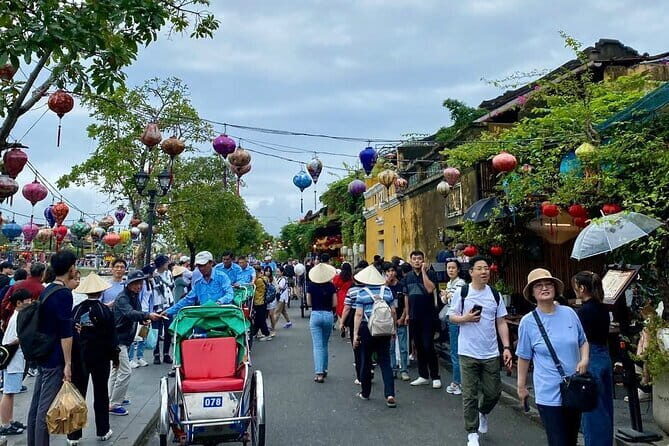
Hoi An starts strong with a merchant’s home and then drops you into the town’s best-known bridge scene.
Stop 1: Tan Ky Old House (about 30 minutes)
Tan Ky Old House was built over 200 years ago and it’s known for blending Vietnamese, Chinese, and Japanese architectural influences. What I like about starting here is that it sets the theme for the entire day: Hoi An wasn’t one culture pasted onto another. It was a trading port, and you can see that mixing in the way homes were designed.
You’ll have about 30 minutes, which is long enough to walk through at a normal sightseeing pace and notice how different influences show up in the overall layout and details.
Stop 2: Japanese Covered Bridge (about 30 minutes)
The Japanese Covered Bridge dates to the 18th century and is one of Hoi An’s iconic landmarks. The key value here is understanding it as more than a postcard. It served as a connection for the Japanese community to move through and link with the town’s life.
You’ll also get included admission here, so you spend your time looking instead of paying at the gate.
Practical tip: with only about 30 minutes, go in with one goal: decide what you’re photographing (the bridge itself, the approach, or the surrounding shop streets) so you don’t feel rushed later.
Cantonese and Fujian assembly halls: architecture that explains migration and trade
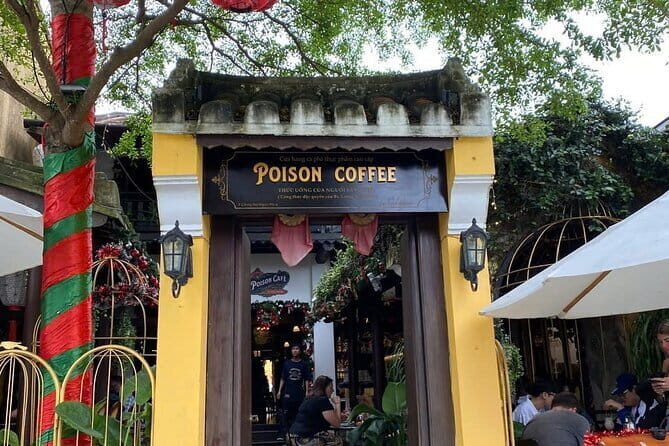
Next you’ll hit two major “community buildings” that show how immigrant groups organized themselves in Hoi An. These stops are where the day turns from sight-seeing to understanding.
You can also read our reviews of more tours and experiences in Hoi An


Stop 3: Cantonese Assembly Hall (about 30 minutes)
This hall, also known as the Quang Trieu Assembly Hall, was built by Cantonese immigrants in the late 18th century. It functioned as a meeting place for the Cantonese community.
What you should watch for is how the building signals identity. Assembly halls weren’t just social spaces; they were physical proof that a community was established, organized, and worth investing in.
Stop 4: Fukian Assembly Hall, Phuc Kien (about 1 hour)
The Fukian Assembly Hall was built in the late 17th century by Fujian Chinese immigrants. This stop is longer—about 1 hour—and for a reason. The architecture is described as elaborate, including intricate wood carvings.
One of the best parts of an hour here is that it gives your eyes time to slow down. If you only see it for 15 minutes, it becomes a blur of details. With more time, you start noticing patterns and how the carvings tie into the hall’s importance for the local community.
Small consideration: these indoor-and-seated heritage spaces can feel warm. Wear something light, and plan to take brief breaks whenever you feel your energy dipping.
My Son Sanctuary: a long visit that makes the Cham story click
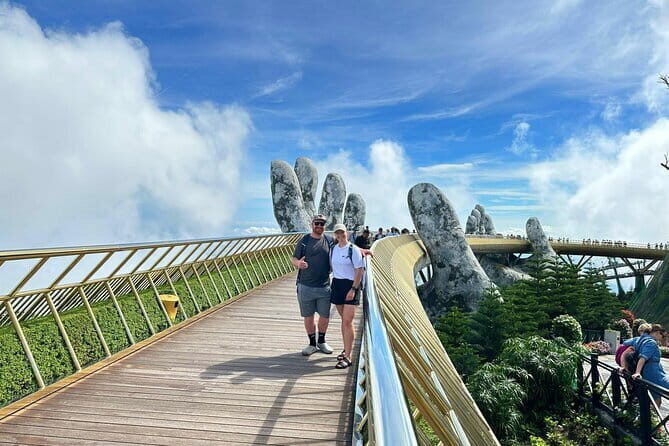
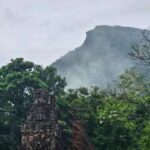
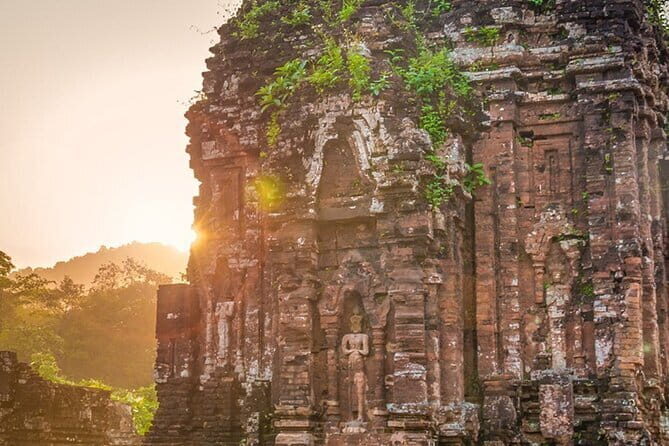
My Son Sanctuary is the centerpiece: about 5 hours on-site, and included admission. It’s where the tour’s biggest theme—how cultures layered over time—becomes real.
My Son is known for a blend of ancient Hindu influences and Cham traditions. You’ll also learn that restoration efforts and ongoing archaeological work are part of how the site is preserved and interpreted. That context matters. It helps you understand why parts look different from other ruins and why conservation is a constant process, not a finished product.
What to expect with five hours
Five hours is a gift because it changes how you experience the site. You’re not bouncing between a few towers and then leaving. You can take a breath, compare structures, and follow the guide’s explanation at a pace that makes sense.
If you get a guide like Grace (mentioned by name as an English-speaking guide), you may get especially strong commentary on Cham culture and how religion and architecture connect. That kind of explanation can turn “cool ruins” into “I understand what I’m looking at.”
Practical tip: bring water and take shade breaks when you can. The day’s long, and My Son is the hour block where energy matters.
Tra Que Village lunch and the Museum of Trade Ceramics
After My Son, you’ll keep your momentum with stops tied to local life and trade.
Museum of Trade Ceramics (about 30 minutes)
You’ll visit a museum focused on Vietnamese ceramics, located in the heart of the ancient town. The museum features pottery, sculptures, and artifacts spanning a wide time range.
I like this stop because it supports what you saw earlier in Hoi An. The old houses and assembly halls point to communities. The ceramics museum points to trade and material culture—the stuff that moved through ports and shaped daily life.
It’s only about 30 minutes, so it works best if you go in with a small question in mind: what kinds of ceramics reflect Vietnam’s exchanges and economic life?
Lunch and Tra Que Village connection
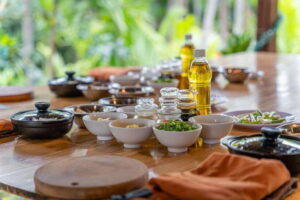
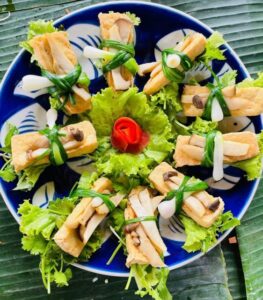
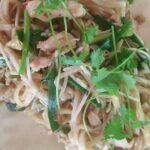
Lunch is included at a local restaurant, and the tour notes that if you have allergies, you should let the operator know. One review experience also specifically highlights Tra Que Village’s organic-farm style food as part of the day, with lunch described as fresh and tasty.
Even without knowing every exact step, the intent is clear: you get a meal tied to local ingredients and local agriculture, not just a generic stop-and-go lunch.
If food is your priority: treat lunch like part of the sightseeing, not a fuel break. Give yourself time to enjoy it because that’s where the day shifts from monuments back to everyday Vietnam.
Value and price: what $115 really covers

At $115 per person, this tour isn’t the cheapest way to see Hoi An and My Son. But it also doesn’t pretend to be bargain-basement travel.
Here’s what helps justify the price:
- An air-conditioned vehicle with pickup offered
- A very good and knowledgeable tour guide
- Lunch included
- Entrance tickets to My Son and Hoi An ancient town
- All fees and taxes
- Travel insurance
In other words, you’re paying for organization and interpretation, not just transportation. If you were to DIY this route, you’d spend time coordinating tickets and transport while also paying for admissions and likely paying for a guide separately. In a single-day structure, that “everything handled” value can feel real.
Who gets the best deal from this format
This tour is a strong fit if you:
- want a private day without crowd pressure
- like cultural explanations tied to architecture and heritage
- prefer doing multiple major sites in one day rather than spreading them across several trips
It may be less ideal if you:
- want a slow, flexible day with minimal driving
- feel overwhelmed by 7–8 hours of on-the-go sightseeing
Tips to make the long day easier (and more enjoyable)
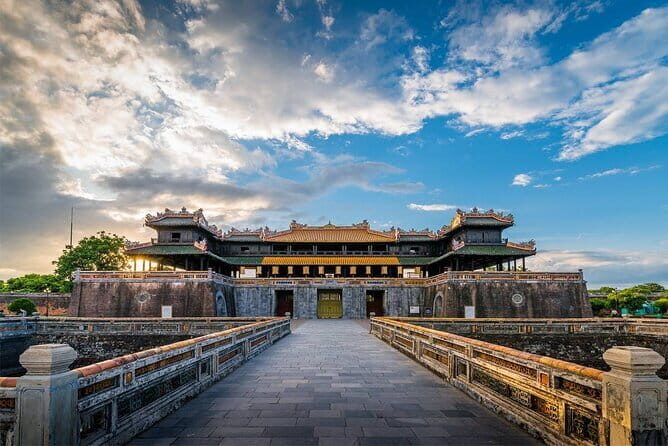
These are the things I’d do to keep this day comfortable and rewarding:
- Wear light layers and shoes you can walk in easily. You’ll spend hours between multiple sites, and My Son is the main block.
- Bring sunscreen and a hat. Midday sun can be intense, and you can’t always choose the shade.
- Plan your photo pace: do your photos first at each stop, then let the guide’s explanation land. If you do it the other way around, you may miss the “why” while chasing angles.
- If you have allergies, say something clearly ahead of time so lunch stays enjoyable.
- Ask your guide for one focus. For example: ask what makes Hoi An’s merchant homes different from other styles you’ve seen, or what to look for at the assembly halls.
Also, if you’re booking close to your travel dates, note that the experience is commonly booked about 15 days in advance on average. Booking earlier can help you lock in the slot and get the exact tour day you want.
Should you book this Hoi An and My Son private tour?
If your goal is to understand Hoi An’s mixed cultural influences and see My Son with enough time to actually process it, I think this is a smart choice. The included tickets, lunch, and guide make it feel like one controlled plan, not a patchwork of separate activities. Plus, the day is loaded with the best-known Hoi An anchors—Tan Ky Old House, the Japanese Covered Bridge, and major assembly halls—so you don’t waste time guessing what matters most.
I’d skip it only if you want a slow pace or you’re sensitive to long days. My Son is the long sit-and-walk anchor, and the rest of the itinerary is designed to keep you moving.
FAQ
How long is the private tour?
The tour runs about 7 to 8 hours.
What time does the tour start?
The start time is 9:00am.
Is pickup included?
Yes. Pickup is offered.
What’s included in the price?
The price includes an air-conditioned vehicle, lunch, all fees and taxes, a very good and knowledgeable tour guide, travel insurance, and entrance tickets to My Son and Hoi An ancient town.
Is there a mobile ticket?
Yes, the tour includes a mobile ticket.
Is this tour private?
Yes. It’s private, and only your group participates.
Does the tour include entrance tickets for each stop?
Admission tickets are included for stops such as Tan Ky Old House, the Japanese Covered Bridge, and My Son Sanctuary (and the Hoi An ancient town entrance).
What should I do if I have allergies?
Let the team know ahead of time if you have allergies, since lunch is included at a local restaurant.
Can I cancel for a full refund?
Yes. You can cancel up to 24 hours in advance of the start time for a full refund.
What’s the best booking timing?
On average, this tour is booked about 15 days in advance.