REVIEW · HOI AN
Cooking class for lunch start at 12:00-3:00pm cooking yourself
Book on Viator →Operated by Gioan Cooking Class · Bookable on Viator
A lunch cooking class in Hoi An beats the usual restaurant loop. You start with a guided market browse, then cook your meal from scratch with a friendly host, finishing with dishes you’ll actually know how to make. It’s a tight 3-hour block that mixes local food shopping, hands-on cooking, and a bit of fun along the way.
I really like the market-first approach, because you’re taught what to buy and how to pick it fresh, not just handed ingredients. I also love that you get recipes to take home, so this doesn’t vanish the second you step back onto the street.
One thing to consider: this experience runs in daylight and uses the outside market area, so if weather turns nasty, your schedule can shift. Also, it’s priced like a more personal class rather than a casual group demo, so it’s best if you genuinely want to cook and not just watch.
In This Review
- Key things I’d book for
- From Water Puppet to Lunch: How the Flow Really Feels
- Arriving at Gioan Cookery School (Ly Thuong Kiet St.)
- The Market Lesson: How to Pick Fresh for Vietnamese Cooking
- Hands-On Cooking: Step-by-Step Dishes You’ll Actually Recognize
- Enjoying Your Lunch Like a Local (With the Host’s Help)
- Price and Value: Is $50 Fair for a 3-Hour Cooking Class?
- Who Should Book This Hoi An Cooking Workshop
- Should You Book Gioan Cooking Class for Lunch?
- FAQ
- What time does the cooking class run?
- How much does the class cost?
- Is pickup available?
- Will I have time to shop at the market?
- Are recipes included?
- What if the weather is bad?
Key things I’d book for
- Private-style attention in a small group (up to 10)
- Market shopping with ingredient lessons, from vegetables to seafood
- Step-by-step cooking guidance for making Vietnamese dishes from scratch
- Recipes provided so you can recreate your lunch later
- Karaoke during cooking, which somehow works better than it sounds
- Air-conditioned, clean kitchen space noted as a big comfort upgrade in warm weather
From Water Puppet to Lunch: How the Flow Really Feels
This experience is built around one simple idea: learn the food by doing the food. You’ll spend a chunk of your afternoon in Hoi An’s old-town orbit, including time for a Water Puppet Show and Hoi An Ancient Town. Then you pivot fully into the main event—shopping for ingredients with your host and cooking lunch.
The calendar matters here. The class is set for an afternoon window (around 12:00–3:00pm) and lasts about 3 hours total, so every segment is designed to keep momentum. You’re not getting a half-day food lecture that floats away. You’ll be moving, choosing ingredients, then cooking, then eating.
What makes the pacing smart for you is the mix of “see it, pick it, cook it.” After a cultural break (water puppets) and a short taste of the historic area (Ancient Town), the market walk helps you reset into practical mode: herbs, powders, noodles, meat, and seafood. Then the kitchen shifts from observation to muscle memory.
If you’re the type who hates feeling rushed, you might find the market time and cooking time just a bit fast. But if you like efficiency—learn it, make it, eat it—this format is a good fit.
You can also read our reviews of more cooking classes in Hoi An

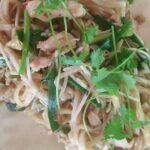

Arriving at Gioan Cookery School (Ly Thuong Kiet St.)
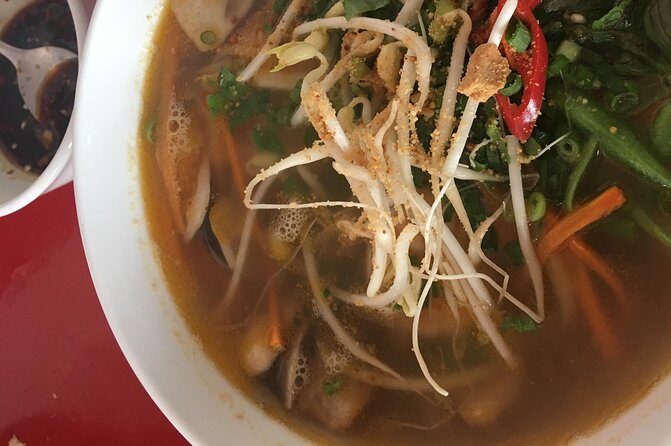
You’ll meet at Gioan Cookery School at 222/17 Lý Thường Kiệt, Sơn Phong, ward, Quảng Nam 560000, Vietnam. The welcome is straightforward: you’re met at the school, then the instructor sets you up for what comes next.
This matters more than it sounds. In cooking classes, the first 10 minutes decide your energy level. Here, you’re organized right away and you don’t have to guess where to stand, what’s happening, or when to start. That’s especially helpful if you’re combining this with other old-town wandering.
Also, the kitchen setup is a real quality-of-life detail. One review highlighted a clean kitchen with air-conditioning, which can make a big difference in Hoi An’s summer heat. I like classes that treat comfort as part of the experience, because it keeps you focused on cooking rather than sweating through the “learning” part.
Pickup can be offered, and the experience notes a near-public-transport location. If you’re planning your day around old town, this reduces stress: you can keep your other sightseeing flexible and still get to class smoothly.
The Market Lesson: How to Pick Fresh for Vietnamese Cooking
A key part of the day is the ingredient walk. Your instructor takes you to the market and shows you what to look for before you cook. This isn’t just “here are some vegetables.” You’ll learn how to select fresh vegetables, meat, and seafood, plus the names of the items along the way.
The market portion takes about 30–45 minutes. You’ll browse key categories and also taste tropical fruits. From the way it’s described, expect a mix of practical scanning and sensory cues: what looks fresh, what smells right, and what likely fits the dish you’re making.
I especially like that the instructor explicitly connects shopping to cooking. For example, knowing what a vegetable’s name is helps you shop later at home or at least understand what you’re substituting. And when you learn how to judge freshness in meat or seafood, it gives you a yardstick for future cooking—not just a one-time win.
Here’s how you can make the market part pay off even more: keep a short mental list of ingredient names you can pronounce later, and pay attention to the powders and herbs. Those are often the flavor drivers, and that’s where most home attempts go off track.
One possible drawback: because this is part of a short, 3-hour experience, you won’t get an endless deep market tour. You’ll move fast enough to learn the essentials, but it’s not a slow “stroll and browse everything” outing.
Hands-On Cooking: Step-by-Step Dishes You’ll Actually Recognize
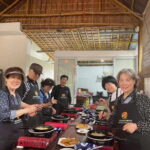
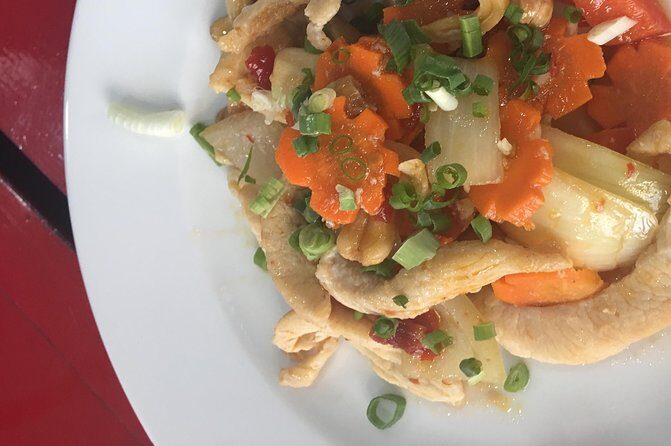
Once you’re back at the school, the class turns hands-on. The description is clear: you create an array of Vietnamese dishes from scratch and then enjoy the results with your host.
The cooking is guided by a main chef who explains how to cook step by step. That’s the part that makes or breaks a cooking class. When instructions are broken down into manageable moves, you don’t just feel busy—you learn the technique. And when you can repeat the dish later, you’ll feel the “why” behind the taste.
You’ll also get guidance on how to eat your food in a Vietnamese way. That sounds small, but it’s important. Many dishes are built around specific textures, balances, and accompaniments. Learning the local eating style helps you avoid the “I cooked it, but it tastes flat” problem when you try again later.
Another detail that adds energy: the host may entertain you with karaoke during the session. I know, karaoke in a cooking class sounds like a gimmick. But in practice, it keeps the group relaxed and the mood light—especially if you’re cooking something you’ve never made before. Reviews also described the host as hilarious and well prepared, and that kind of delivery matters when you’re trying to follow multi-step instructions.
Finally, you get recipes. That’s one of the most valuable parts for me. A cooking class without a way to reproduce the meal later is basically an expensive meal with a memory attached. With recipes, you can turn the experience into a skill.
Enjoying Your Lunch Like a Local (With the Host’s Help)
After the cooking, you don’t just plate and disappear. You eat together and learn how to enjoy the food the right way. This is where the class becomes more than a how-to. You get the social side of cooking: asking questions while the food is fresh, seeing how your instructor expects the dish to be assembled, and getting quick corrections if something is off.
That matters because Vietnamese dishes often rely on balance. Even if you follow steps perfectly, the final flavor can hinge on how you combine elements, portion sauces correctly, or pair herbs and crunch with the right bites. Being guided here helps you understand what’s essential versus what’s optional.
If you’re the kind of person who likes eating while learning, this format works well. You’re not stuck waiting until the end to ask your questions. You can learn during cooking and then immediately apply it while you’re tasting.
Also, the class is set up as a more personalized experience. The notes mention private class style attention, and the group cap is 10 travelers. In plain terms: you’re more likely to get actual help if you’re confused. That increases your odds of leaving with dishes you’re proud of and not just “survived.”
You can also read our reviews of more tours and experiences in Hoi An



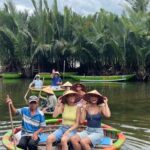

Price and Value: Is $50 Fair for a 3-Hour Cooking Class?
At $50 per person, you’re paying for more than lunch. You’re paying for instruction, shopping, ingredients support, and recipes, within a short 3-hour afternoon window. You’re also getting options that make the day easier, like pickup being offered and a small group size cap.
Here’s how I’d judge the value in real terms:
- You learn technique, not just recipes. Step-by-step teaching plus ingredient selection gives you skills you can reuse.
- You get take-home recipes. That turns the class into future meals, not a one-time event.
- The group size stays manageable (max 10), which supports better interaction and fewer “figure it out yourself” moments.
- The kitchen comfort is a real advantage in heat, and at least one review called out the AC as a standout.
Compared with cheaper cooking tours that feel like guided sampling, this sits closer to a proper workshop. If you’re serious about cooking, it’s the kind of price that feels reasonable because you’re buying education plus a finished lunch.
If you just want a quick taste of Vietnamese food without caring about learning, you might feel the cost more strongly. But if you like hands-on activities and you’ll use the recipes later, it’s a solid deal.
Who Should Book This Hoi An Cooking Workshop
I’d put this on your shortlist if you:
- want a hands-on Hoi An cooking class for lunch rather than a sit-and-watch demo
- enjoy market experiences where you learn what to buy and how to pick fresh ingredients
- like interactive guides and don’t mind a fun atmosphere (karaoke included)
- want recipes you can recreate at home
This is also a good choice for couples or small groups who want a more personal feel. With a cap of 10 travelers, you’re unlikely to be stuck in a big crowd.
If you’re traveling with someone who hates cooking or has very little interest in food prep, you may not love the focus. This class expects participation, from the market walk to the cooking steps and eating together.
And if you’re very weather-sensitive, keep in mind the experience requires good weather and may shift if it’s canceled due to poor weather. In Hoi An, that’s not rare, so having a flexible afternoon plan helps.
Should You Book Gioan Cooking Class for Lunch?
If you want an afternoon in Hoi An that’s practical, tasty, and actually useful later, I’d book it. The blend of market shopping, hands-on step-by-step cooking, and take-home recipes is the winning combo. Add a small group size and a kitchen set up for comfort, and you get an experience that feels like a real skill-builder, not just a meal outing.
Before you commit, ask yourself one question: will you use what you learn? If the answer is yes, this is a strong value at $50. If you only want a light cultural stop and don’t care about cooking technique, you might prefer a simpler food experience.
FAQ
What time does the cooking class run?
It’s scheduled for the lunch time window around 12:00–3:00pm, with a total duration of about 3 hours.
How much does the class cost?
The price is $50.00 per person.
Is pickup available?
Pickup is offered (and the meeting point is at Gioan Cookery School on Lý Thường Kiệt Street).
Will I have time to shop at the market?
Yes. The market trip takes about 30–45 minutes, and you’ll learn how to select ingredients such as vegetables, meat, and seafood.
Are recipes included?
Yes. You’ll get recipes so you can recreate the dishes at home.
What if the weather is bad?
The experience requires good weather. If it’s canceled due to poor weather, you’ll be offered a different date or a full refund.