REVIEW · HOI AN
Guided tour of Sampan distillery // Agricultural Rum Medalist
Book on Viator →Operated by Distillerie d'Indochine · Bookable on Viator
Alcohol and sugar cane in one hour? Yes, and it’s a practical way to fill time. This guided tour at Distillerie d’Indochine walks you through how Sampan agricultural rum is made, starting with sugar cane harvest and ending with a tasting.
What I like most is the way the visit pairs rum production explanations with hands-on tasting, so it doesn’t feel like a lecture. I also like that it’s short and focused: about 45 minutes, capped at 30 people, with a welcome cocktail you can enjoy as you go. One thing to consider is that there’s no mention of customer pickup, so you’ll want to plan how to reach the meeting point before you book.
In This Review
- Quick Highlights Before You Go
- Key Points I Think Matter
- Getting Oriented: What This Tour Is Really About
- Price and What You Actually Get for $29
- Meeting at Distillerie d’Indochine: Timing and Group Size
- Stop 1: Your Welcome Cocktail as the Tour’s “Base Note”
- Stop 2: Sugar Cane to Rum Production, Explained Step by Step
- Stop 3: The Medal-Winning Angle (and Why It Matters)
- Stop 4: Tasting Three White Rums in the Cocktail Bar
- The Pace: About 45 Minutes, Not a Half-Day Project
- Getting There: Plan for Transport (and Skip the Bike Idea)
- What You Learn That Goes Beyond the Drinks
- Who This Tour Fits Best
- Final Call: Should You Book the Sampan Distillery Tour?
- FAQ
- How long is the Sampan distillery guided tour?
- How much does it cost?
- What drinks are included?
- Where does the tour start and end?
- What are the opening hours?
- Is there a limit on group size?
- What is the cancellation policy?
Quick Highlights Before You Go
If you’re curious about Vietnam rum beyond the usual bottle shop, this tour is an easy try. You’ll hear the “step by step” story of the brand, plus you get a tasting of three white rums to anchor what you’re learning.
And yes, it’s built for people who want something enjoyable without turning the day into a long mission.
Key Points I Think Matter
- Welcome cocktail that you start with and keep while you discover the distillery
- Sugar cane to rum explained in clear stages, from harvest to production
- Medal-winning positioning: Sampan rums were awarded at the World Spirits Competition in San Francisco and Singapore
- Tasting of 3 white rums in the cocktail bar at the end
- Small-group feel with a maximum of 30 travelers
- Run by a friendly French team who started the distillery themselves
You can also read our reviews of more guided tours in Hoi An


Getting Oriented: What This Tour Is Really About
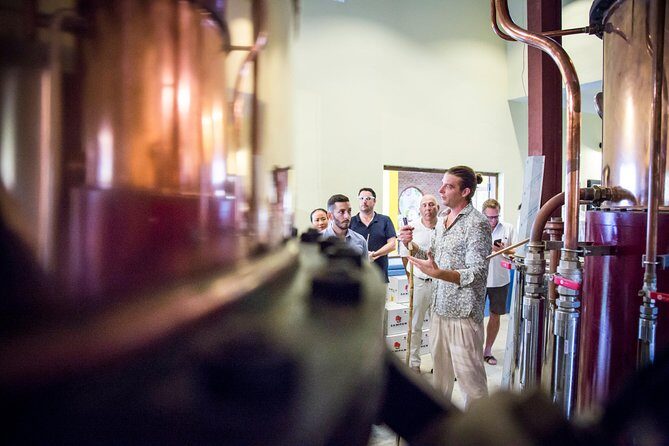
This is not a long, stand-in-a-line type of distillery day. It’s a compact guided experience with two goals: teach you how the rum gets made and then let you taste the result.
You’ll start with a welcome cocktail made with Sampan rum. That matters because it sets the pace. Instead of hearing about alcohol, tasting is part of how you connect the story to flavor.
The second goal is the distillery itself. You’ll hear the brand’s development step by step, from sugar cane in Vietnam to rum production. The tour keeps pointing back to agricultural rum as the core idea behind Sampan.
Price and What You Actually Get for $29
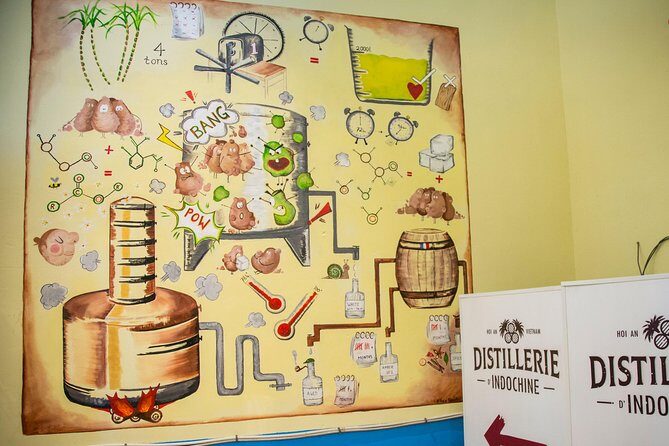
At $29 for about 45 minutes, you’re paying for three practical things: guidance, included drinks, and a focused dose of production knowledge. The tour includes all fees and taxes, so you’re not hunting for surprise add-ons.
You also get an alcoholic welcome cocktail plus a tasting of 3 rums. For a short stop in Hoi An, that drink value is usually what makes the math work.
There’s also a small detail called refreshing fabric, which usually signals a light comfort touch during the visit. It’s not the main event, but it’s the kind of sensible add-on that makes the experience feel cared for.
Meeting at Distillerie d’Indochine: Timing and Group Size
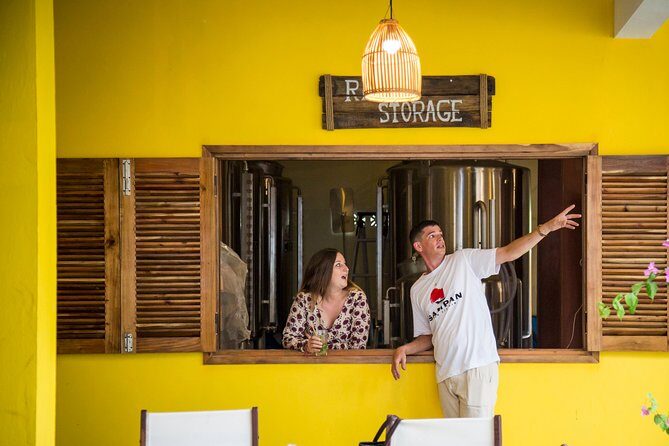
The meeting point is Distillerie d’Indochine near the unnamed road in Bình Dương, Thăng Bình, Quảng Nam. The tour ends back at the same meeting spot, so treat this like an out-and-back activity.
You’ll want to look at the operating hours before you plan the rest of your day. The listed hours run 9:00 AM–12:00 PM and 1:00 PM–5:00 PM, Monday through Sunday, across the date range shown.
Two more things that make this easier: confirmation is received at booking, and the group cap is 30. Smaller groups usually mean more time for explanations and fewer moments where you’re stuck waiting for the guide to catch up.
Stop 1: Your Welcome Cocktail as the Tour’s “Base Note”
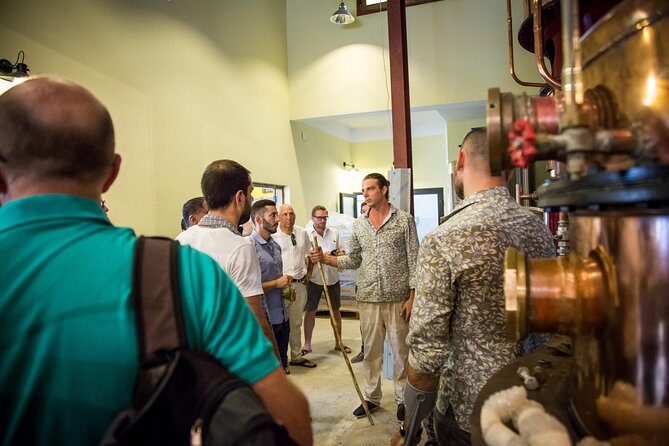
Right when the tour begins, you’re given a welcome cocktail made with Sampan rum. The description says you can enjoy it throughout the discovery of the distillery, which is a big deal for comfort and pacing.
Practically, it means you don’t have to wait until the end to start enjoying what you came for. You’re also more likely to stay engaged during the production walkthrough because you’ll be tasting and listening at the same time.
The team also uses this moment to set the tone: craft focus, clear explanations, and a “taste as you learn” approach. If you’re the type who gets restless during tours, this style helps.





Stop 2: Sugar Cane to Rum Production, Explained Step by Step
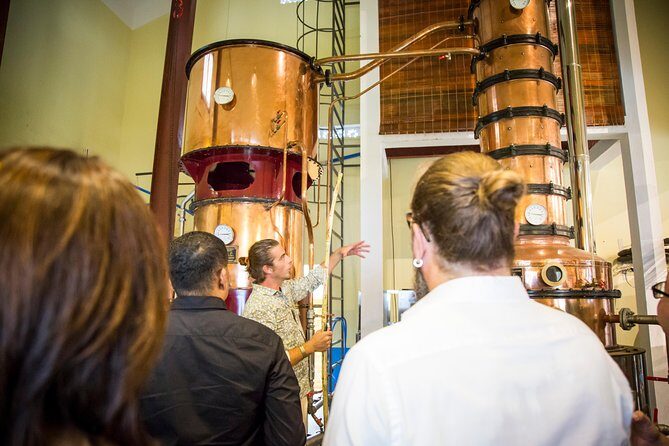
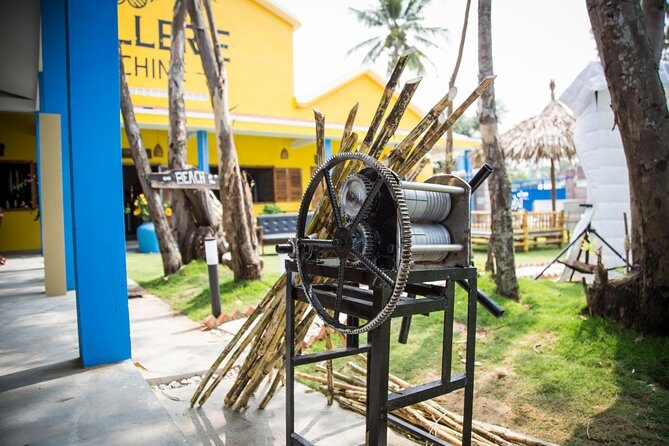
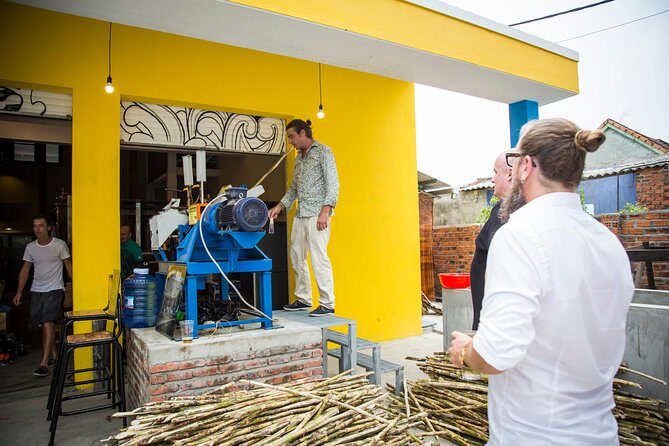
This part is the heart of the tour. You’ll go from the harvest of sugar cane to the production of rum, with explanations tied to Vietnam know-how and the specific development of the Sampan agricultural rum.
The big value here isn’t just hearing a process list. It’s understanding how an agricultural spirit is positioned: sugar cane isn’t just an ingredient; it’s the starting point for how the distillery frames its rum.
The tour is guided, and it’s meant to be clear and paced. You’re not expected to memorize everything. Instead, think of this stage as building a framework: where the raw material comes from, how it becomes rum, and what the distillery wants you to notice later during tasting.
Potential drawback: if you already know a lot about rum-making or alcohol chemistry, the explanations might feel more “brand story and basics” than deep technical instruction. But for most people, that’s exactly the sweet spot.
Stop 3: The Medal-Winning Angle (and Why It Matters)
Sampan rums were awarded at the World Spirits Competition in San Francisco and Singapore, and the tour specifically highlights that they are the only medal-winning rums of Vietnam.
Here’s how I’d interpret that for your decision-making: awards won’t replace your own palate, but they do offer a clue that the product has reached a level of quality recognized outside the local market. For a first-time tasting, that can reduce the guesswork.
During the tour, keep your ears open for how the team links craft production to consistent results. If the distillery only repeats the medal story without connecting it to how the rum is made, you might not care. But if they connect awards to process choices, it gives you a reason to taste more than just the first sip.
Stop 4: Tasting Three White Rums in the Cocktail Bar
After the distillery walk-through, the tour moves into tasting. You’ll enjoy a tasting of the range, with three white rums included.
Tasting three different bottles in a short time is one of the best ways to learn fast. You’ll be able to compare aromas and flavors in the same session, using your own senses as the guide. And because you started with a welcome cocktail earlier, your taste memory will have something to contrast against.
Also, the tasting takes place in a cocktail bar setting at the distillery. That matters because it makes the end feel like a reward, not a rushed checkout. The experience is designed as a loop: learn process, then taste the output.
One practical note: you’ll be drinking rum-based items during the visit. If you’re sensitive to alcohol or planning to ride anywhere afterward, go slow and plan your transport.
The Pace: About 45 Minutes, Not a Half-Day Project
This experience runs about 45 minutes (approx.). That makes it a good slot when you want a cultural stop that doesn’t eat your whole afternoon.
If you’re doing Hoi An sightseeing and you only need a small break from walking, this fits well. It also works if you want to “try something local” without committing to a longer multi-stop day trip.
The format helps: welcome cocktail first, guided distillery explanation second, tasting last. There are no confusing segments listed, which usually means fewer chances for your time to get chopped up.
Getting There: Plan for Transport (and Skip the Bike Idea)
A key practical tip from the vibe of the experience: don’t plan to reach the distillery by bike. The guidance from the people running the place is to avoid riding your bike there.
Why does this matter? Because a distillery visit can already be a little time-sticky. If getting there is harder than expected, you’ll arrive stressed and rush the tasting portion.
Since the tour doesn’t list customer pickup, you’re responsible for your own ride. Build in extra time and keep the ride simple. Taxi or another straightforward option is usually the calmer move.
What You Learn That Goes Beyond the Drinks
This tour isn’t just about tasting rum. The structure is built to give you context, and context makes tastings more meaningful.
You’ll learn:
- that Sampan is framed as agricultural rum, not just a generic distilled spirit
- how sugar cane connects to the final rum experience
- that the brand’s recognition includes World Spirits Competition awards in San Francisco and Singapore
- how the distillery wants its process understood before you taste
By the time you reach the tasting, you’re not just swallowing alcohol. You have a story in your head about how the product gets made and why the distillery believes it matters.
Who This Tour Fits Best
This is a great choice if:
- you want a short distillery stop that doesn’t require a whole afternoon
- you enjoy learning through tastings
- you’re curious about rum quality signals like awards
- you want a small-group guided experience (up to 30 people)
It’s less ideal if:
- you’re looking for long technical tours with lab-level details
- you want a non-alcohol alternative (the tour includes an alcoholic welcome cocktail and alcoholic tastings)
If you like plain, friendly explanations and a quick tasting payoff, you’ll likely enjoy the format.
Final Call: Should You Book the Sampan Distillery Tour?
If you’re in or near Hoi An and you want an easy, drink-included cultural stop, I’d say yes, book it. The price makes sense because you get a guided visit plus a welcome cocktail and tasting of three white rums. It’s also brief enough to fit into real travel schedules.
I’d only skip it if alcohol isn’t your thing, or if you prefer long production tours with detailed technical content. Otherwise, this is a straightforward way to understand Sampan agricultural rum and taste it while the story is fresh.
FAQ
How long is the Sampan distillery guided tour?
The tour is approximately 45 minutes.
How much does it cost?
The price is $29.
What drinks are included?
You get a welcome cocktail made with Sampan rum and a tasting of 3 rums.
Where does the tour start and end?
It starts at Distillerie d’Indochine on the unnamed road near Bình Dương, Thăng Bình, Quảng Nam, Vietnam, and it ends back at the same meeting point.
What are the opening hours?
Monday through Sunday, it runs 9:00 AM–12:00 PM and 1:00 PM–5:00 PM.
Is there a limit on group size?
Yes. The tour has a maximum of 30 travelers.
What is the cancellation policy?
Free cancellation is available. You can cancel up to 24 hours in advance for a full refund; canceling less than 24 hours before the start time won’t be refunded.