REVIEW · HOI AN
Hoi An: 2.5-Hour Street Food Tour
Book on GetYourGuide →Operated by HOI AN FOOD TOUR · Bookable on GetYourGuide
Hoi An street food works fast. In just 2.5 hours, you get Cao Lau and the crunch of banh khot plus a helpful local guide. The only real drawback: you’ll need to come hungry, since you’ll be eating enough for dinner too.
This is a small-group walking experience where your guide takes you from food stalls to everyday spots, not just a single restaurant meal. You also get an English-speaking guide and bottled water, which makes the whole thing feel easy. If you’re pregnant, this one isn’t listed as suitable, so plan another option.
In This Review
- Key Points to Know Before You Go
- Hoi An Street Food in 2.5 Hours: Walking Route and What You’ll Cover
- Choosing the Right Date: Lunar Calendar Menu Changes
- Market Stops and How the Guide Makes the Food Click
- Cao Lau, Banh Mi, and Banh Khot: The Core Hoi An Flavors
- Cao Lau (Hoi An’s signature noodle)
- Banh Mi (the everyday staple)
- Banh Khot (crispy mini pancake)
- More Than Noodles: Grilled Pork, Spring Rolls, and Sweet Soup
- Vietnamese Coffee and the End-of-Tour Flavor Check
- The Local House Visit: Why It Feels Different From a Food Stop
- Price and Value: What $29 Buys You in Real Terms
- Practical Tips: Shoes, Diet, and How to Prepare Your Stomach
- Eat light before you go
- Tell them about dietary restrictions
- Bring the basics
- Pregnant women: plan another option
- Should You Book This Hoi An Street Food Tour?
- FAQ
- How long is the Hoi An street food tour?
- How far will I walk?
- What food is included?
- Is hotel pickup included?
- Is the tour guide available in English?
- What should I eat before the tour?
- Will the menu always be the same?
- Can I request dietary changes?
- Is the tour suitable for pregnant women?
Key Points to Know Before You Go
- 150 minutes, ~2–2.5 km on foot: enough time for variety without turning into a marathon
- English live guide: you’ll get explanations as you eat, not just a list of dishes
- Core Hoi An flavors included: Cao Lau noodles, banh mi bread, and crispy banh khot
- Local-house stop: you’ll see a homely setting, not only storefronts
- Smart meal pacing: plan a light lunch or nothing first so you’re comfortable later
Hoi An Street Food in 2.5 Hours: Walking Route and What You’ll Cover
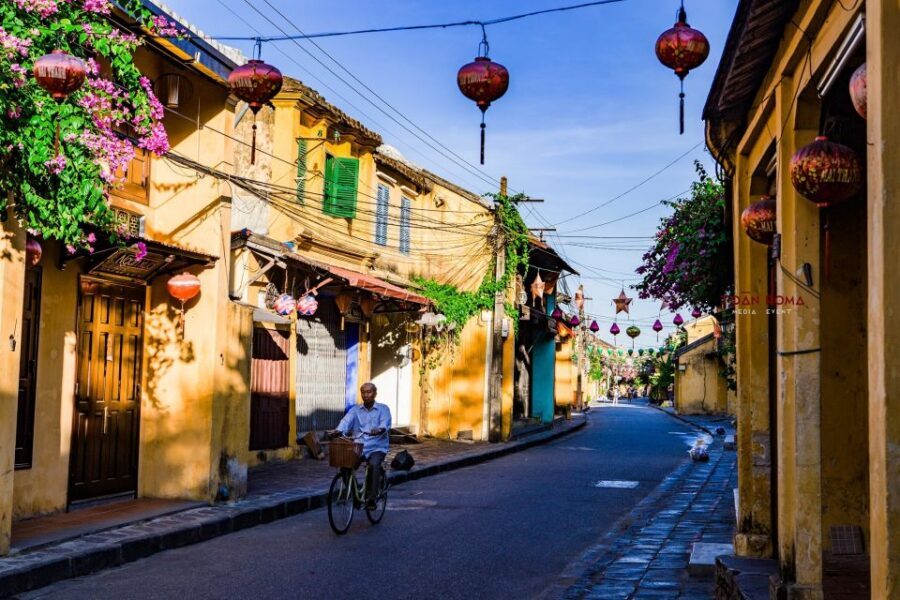
This tour is built for people who want real Hoi An food without a full day of searching. You’ll cover about 2–2.5 km over 150 minutes, which keeps the pace manageable. Expect to walk and stand near vendors, so comfortable shoes matter more than fancy outfits.
The structure is simple: you meet your guide, then head out together to visit local markets and street food vendors. Along the way, you’ll taste a range of traditional dishes, and the guide ties the food to daily life. For me, that’s the difference between eating randomly and actually understanding what makes Hoi An special.
Small group matters here. With fewer people, it’s easier to hear the explanations, move at a good pace, and keep the tour feeling personal instead of like a cattle line.
One practical note: there’s no hotel pickup/drop-off. You’ll meet your group at the starting point on your own, then walk from there. If you’re staying outside central areas, make sure you’ve got a realistic plan for getting to the meeting spot.
You can also read our reviews of more food & drink experiences in Hoi An

Choosing the Right Date: Lunar Calendar Menu Changes
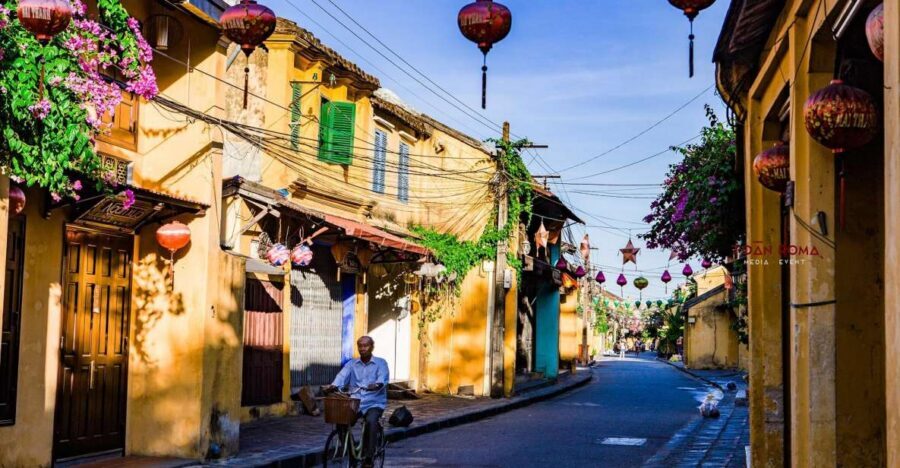
Hoi An has a rhythm tied to the lunar calendar, and this tour signals it clearly. On the 1st and 15th of the lunar calendar, many local shops close, so the menu will be a bit different than the usual lineup.
This isn’t a problem so much as a heads-up. It means you might not see every exact dish listed on those dates, even though the tour still focuses on classic Hoi An flavors. If your trip lands on one of those days, keep your expectations flexible—your guide should still route you through good food.
If you like planning tightly, compare your travel dates against those lunar days. If you can shift by a day or two, you might get closer to the standard mix.
Market Stops and How the Guide Makes the Food Click
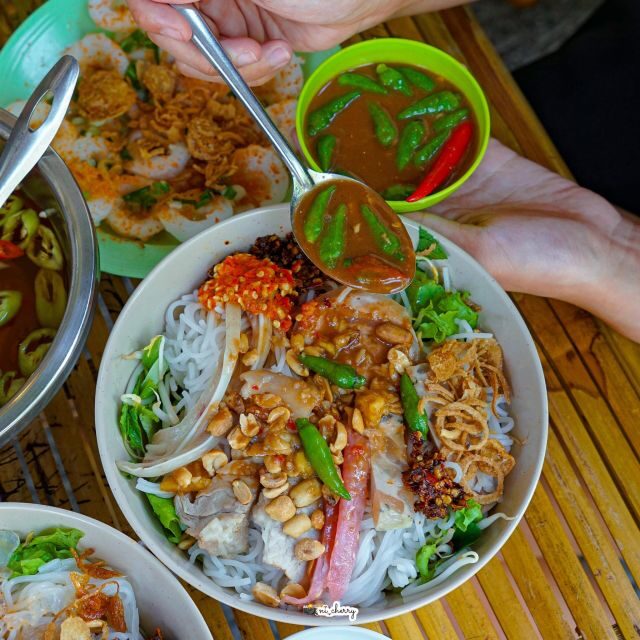
Street food tours can be two different things: a tasting line, or a story. This one leans toward the story. You don’t just grab food and move on; you’re guided through what you’re eating and why it matters.
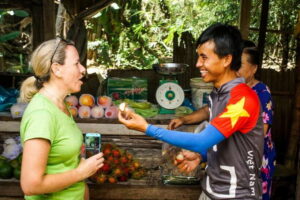
Markets and vendor stalls are the easiest places to get overwhelmed—everything looks delicious, but you might not know what each item is or how it’s meant to taste. That’s where a good English live guide earns their keep. They’ll help you recognize textures and flavors on the spot, so you can actually compare dishes instead of just “everything tastes good.”
You’ll also learn cultural context as you go. That can sound abstract, but on a street food tour it usually shows up like this: the guide explains what locals look for, how certain dishes fit into regional tastes, and how everyday meals get made from simple ingredients. It’s one of those small things that makes later meals in Hoi An feel more obvious.
A bonus from real-world feedback: guides like Nancy and Quin are praised for being fun, helpful, and able to lead you to places you wouldn’t find on your own. And Jacky is singled out as the best guide in one recent note. Translation: you’re not just following a route—you’re following a person who knows the food scene.
Cao Lau, Banh Mi, and Banh Khot: The Core Hoi An Flavors
If you want a quick lesson in Hoi An identity, this is it. The menu centers on a set of dishes that locals actually eat, not just tourist items.
Cao Lau (Hoi An’s signature noodle)
Cao Lau is the big one. It’s listed as a typical regional noodle recipe, and this is exactly the kind of dish that benefits from a guide. Noodles can be easy to judge from a distance, but the real appeal is in the balance—how the broth tastes, how the noodles hold up, and how toppings come together. Your guide’s explanations help you notice details you’d otherwise miss.
You can also read our reviews of more tours and experiences in Hoi An

Banh Mi (the everyday staple)
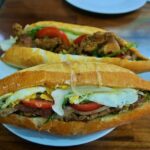
You’ll try Banh My (spelled Bahn Mi in many places). This is a typical Vietnamese sandwich filled with savory ingredients. What I like about getting it on a street food tour is that you’re not just eating bread—you’re seeing how Vietnamese sandwiches are built around flavor layers: crunchy, savory, and usually bright with freshness.
Banh Khot (crispy mini pancake)
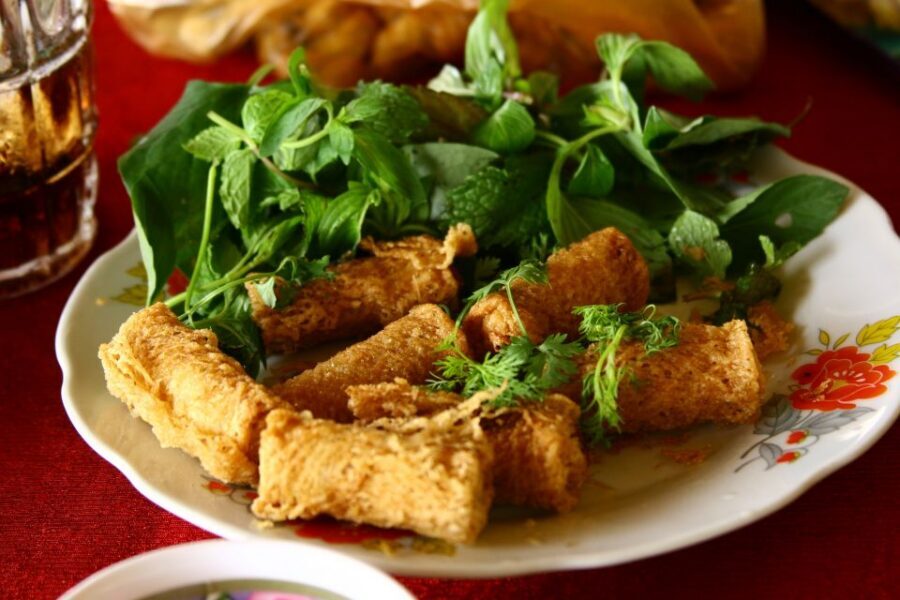
Then there’s banh khot, a crispy bite-sized mini pancake. This is the dish you often remember because of texture. Crispy edges, a small portion size, and a flavor profile that’s different from the more common noodle and sandwich categories.
These three give you variety in one tight window: noodles, sandwich bread, and crispy “hand food.” That’s why the tour works so well even if you’re only in Hoi An for a short time.
More Than Noodles: Grilled Pork, Spring Rolls, and Sweet Soup
Hoi An street food isn’t only about one hero dish. You’ll also eat a mix of other common items from the menu.
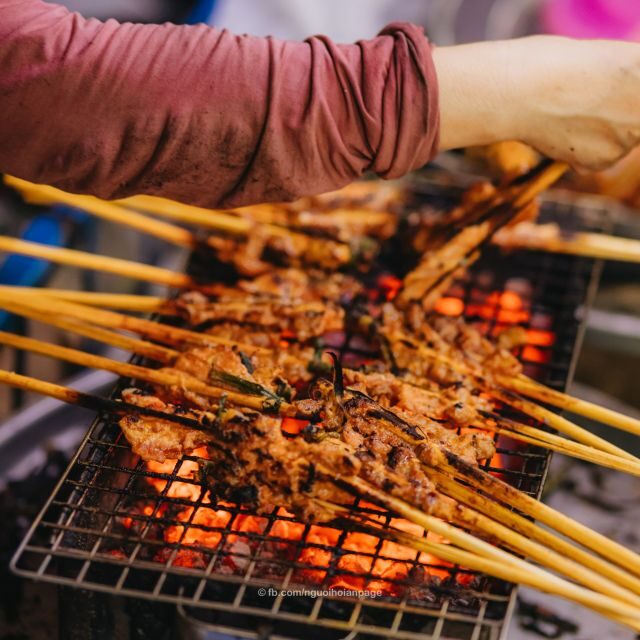
The tour listing includes grill pork and a fried spring roll. Both are classic grab-and-go foods, but on a tour they’re useful because they “anchor” you. After noodles and pancakes, you need something satisfying and familiar in a different way. These fried and grilled items are that kind of break.
You may also taste items described as sliced pork wrapped in rice paper, plus spring rolls and sweet soup. Even if you’re not sure what to expect from sweet soup, it’s a smart inclusion because it balances the savory-heavy part of the meal. Sweet soups can be lighter than you assume, and they can also be a good palate reset before coffee.
You’ll also see noodle variety beyond Cao Lau. The menu includes beef noodle as well. That matters because Hoi An noodles aren’t just one style; comparing the flavors back-to-back is easier when you’re sampling them in a single tour window.
If you’re a foodie who likes to compare, this is where the tour earns its keep. You’re not trying to recreate the perfect order in a restaurant. You’re tasting multiple lanes of Hoi An cuisine, in an efficient, walkable loop.
Vietnamese Coffee and the End-of-Tour Flavor Check
Every good Hoi An food session needs coffee, and this tour includes it. You’ll get a cup of Vietnamese coffee, described as sweet in the tour summary.
Vietnamese coffee can be intense—sweet, strong, and usually served in a way that takes patience. On a tour, it becomes your final “flavor check.” You’ve eaten noodles, crispy bites, and grilled items, so coffee helps you understand the overall balance of the meal. If you like desserts and sweet drinks, you’ll likely find this part especially satisfying.
One included detail that people often appreciate: bottled water is part of the tour. Street food can be salty, and walking makes you thirsty. Having water handled for you keeps the tasting comfortable.
And yes, you really should treat this as a full meal. The tour guide notes that you should eat a light lunch or nothing before the tour, and you won’t need to eat dinner after.
The Local House Visit: Why It Feels Different From a Food Stop
The standout moment for many people is the final stop: visiting a local person’s house. The goal isn’t performance. It’s to help you soak up the homely atmosphere and gain insight into how people live and eat.
On most food tours, the end of the loop is another vendor stall. Here, you shift settings. That change matters. Eating food in a kitchen or living space—even briefly—makes the meal feel tied to real daily life rather than only commerce. You might still be sampling familiar street foods, but the context is different.
This is also where you can slow down mentally. The earlier part of the tour is fast: taste, move, taste, move. The house visit gives you a calmer landing, which makes the whole experience stick with you.
If you care about authenticity and not just eating as much as possible, this is the portion that justifies your time. It’s also a reason why small-group tours often win over big group ones.
Price and Value: What $29 Buys You in Real Terms
At $29 per person for 150 minutes, this isn’t a bargain if you only count the walk and the guide. But it looks very different once you count what’s included.
You get:
- all food described on the tour menu
- bottled water
- a tour guide (English)
Most travelers underestimate how quickly street food adds up when you’re paying as you go. Even if you’re not ordering full meals, snacks, drinks, and coffee can stack fast. This tour gives you a bundle of tastings in one go, plus the explanation that helps you enjoy it more.
To be blunt: the value comes from the combination. The guide helps you choose and understand. The route puts you at multiple vendors in a short time. And the included food takes away the stress of guessing portion size and cost.
Practical Tips: Shoes, Diet, and How to Prepare Your Stomach
This tour has a few “know before you go” rules that make a big difference in comfort.
Eat light before you go
You’ll be sampling a range of dishes, and the instruction is clear: please only eat a light lunch or nothing before the tour. If you follow that, you’ll likely feel great afterward and you won’t need dinner.
If you’ve ever done a street food day and felt too full too early, you already know why this matters. The tour is designed so the timing works with your appetite.
Tell them about dietary restrictions
Diet needs to be communicated when booking. If you have restrictions, advise the supplier so your menu can be adjusted. This is especially important in Vietnam where ingredients and cooking methods might not match what you’re used to.
Bring the basics
The tour is a walking route, about 2–2.5 km. So pack comfortable shoes and expect you’ll be standing and walking between stalls. Bottled water is included, but you’ll still want to stay sensible with timing and pace.
Pregnant women: plan another option
The tour is listed as not suitable for pregnant women. That’s not the time to test your limits—choose a different activity that fits your needs better.
Should You Book This Hoi An Street Food Tour?
If you want a focused way to taste Hoi An classics like Cao Lau, Banh Mi, and banh khot, this tour is a strong match. It’s also good for couples, solo travelers, and groups who don’t want to figure out the food scene alone. The small-group feel and English-speaking guide help a lot, especially when you’re trying dishes you might not order on your own.
I’d skip it or look for alternatives if:
- you’re already full from a heavy lunch
- you need a very low-walking or seated-only experience
- you have a dietary restriction and haven’t arranged accommodations in advance
- you’re traveling on the lunar 1st or 15th if you’re very attached to one specific menu mix
For most people, though, this is the kind of tour that makes Hoi An feel real fast. You’ll eat well, walk a sensible distance, and end with that local-house moment that turns a meal into a small cultural experience.
FAQ
How long is the Hoi An street food tour?
The tour lasts 150 minutes (about 2.5 hours).
How far will I walk?
You’ll walk about 2–2.5 km during the tour.
What food is included?
The menu includes items such as Vietnamese bread, Cao Lau noodle, beef noodle, Vietnamese pancake, grilled pork, fried spring roll, and café. The tour also mentions tasting other items like sliced pork wrapped in rice paper, spring rolls, and sweet soup.
Is hotel pickup included?
No. Hotel pickup and drop-off are not included.
Is the tour guide available in English?
Yes. The tour includes a live English tour guide.
What should I eat before the tour?
The guidance is to eat only a light lunch or nothing before the tour, so you won’t need to eat dinner afterward.
Will the menu always be the same?
Not always. On the 1st and 15th of the lunar calendar, the menu will be a bit different because many local shops close.
Can I request dietary changes?
Yes. You should advise the supplier of any dietary restrictions when booking.
Is the tour suitable for pregnant women?
No. It is not suitable for pregnant women.