REVIEW · HOI AN
Hoi An street food tour with Billy
Book on Viator →Operated by Billy Vietnam Travel · Bookable on Viator
Hoi An at dusk hits different when food comes with context. This tour brings you through the old streets with an intimate group and a guide who explains how each dish is made and why it matters. I like the way guides such as Emily and Tam turn quick bites into a clear picture of Hoi An’s food culture, without making it feel like a lecture.
One thing to plan for: you should show up ready for serious eating and a bit of walking. Reviews point out that you can easily finish with 7–8 dishes, so come with an empty stomach, and keep an eye on the evening weather since it’s weather-dependent.
In This Review
- Key highlights that make this tour worth planning
- The 5–7 pm timing that makes Hoi An food feel easy
- What you’ll actually eat: Hoi An signatures and smart sampling
- Stop 1: Hoi An Ancient Town street-food lanes
- Stop 2: Hoi An Night Market and the joy of second helpings
- Why the small-group size changes the whole experience
- Price and value: what $35 buys in real terms
- Dietary needs: how no pork, no seafood, and vegetarian are handled
- Practical tips so you enjoy every stop
- Should you book this Hoi An street food tour with Billy?
- FAQ
- What time does the tour run?
- How long is the Hoi An street food tour?
- Where do I meet the guide?
- How many people are in the group?
- What dishes can I expect to try?
- Can you accommodate dietary restrictions?
- What if the weather is bad?
Key highlights that make this tour worth planning
- Small-group format (not a huge bus crowd), helping you actually talk with vendors
- Stop-by-stop dish explanations, including history and ingredient clues for what you’re tasting
- Street-food access to places you’re likely to walk past on your own
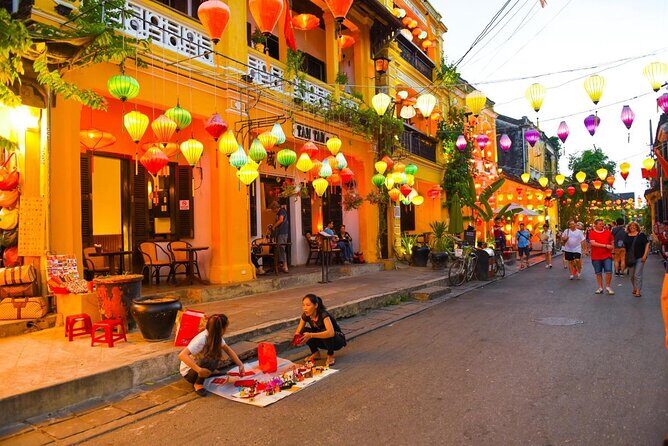
- Ancient Town + Night Market timing, so you see Hoi An in two different moods
- Dietary flexibility, with prior confirmation mentioned for no pork/seafood and vegetarian needs
- Multiple dishes over 2.5 hours, built for sampling, not just one big meal
The 5–7 pm timing that makes Hoi An food feel easy
This tour runs in the evening, roughly 5:00 PM to 7:00 PM, with an overall length of about 2 hours 30 minutes. That timing matters because Hoi An’s streets start to cool down, shop fronts feel less busy, and the night market energy kicks in right when you’re hungry.
You also get picked up from a set meeting point at 324 Lý Thường Kiệt, Phường Minh An, Hội An, Quảng Nam, Vietnam. It’s noted as near public transportation, which is handy if you’re already moving around the Old Town area on foot.
The practical part: you’re not spending your whole evening searching for a place to eat. The tour design is built for efficiency—several tastings, in sequence, with your guide acting as translator so you can ask questions without guessing.
You can also read our reviews of more food & drink experiences in Hoi An

What you’ll actually eat: Hoi An signatures and smart sampling
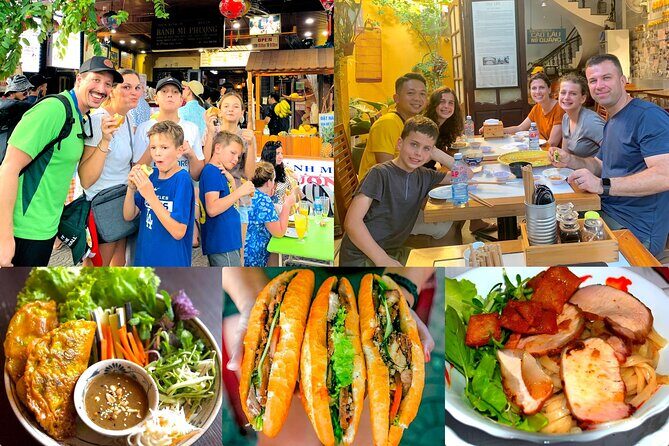
The big idea here is simple: you get a guided path through traditional Hoi An street food, with the “why” behind each plate. That’s what makes the experience feel more than just eating. You’re learning the ingredients, the dish background, and what to notice while you’re chewing.
From the tour info and what shows up repeatedly in the feedback, you can expect classic Hoi An picks such as:
- Cao lau, a famous Hoi An noodle dish
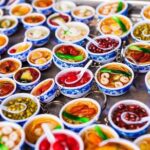
- Bánh bèo, those small, savory mini cakes
- Nêm lụi, grilled pork skewers (the tour can adjust based on dietary needs)
- White rose dumplings, a standout dumpling form people highlight as a must-try
In my view, the sampling style is the secret sauce. Instead of committing to one restaurant, you taste a range of textures—steamed, grilled, noodle-based, and dumpling-style—so you get a real sense of what Hoi An cooks do well.
And because your guide helps you interact with people making the food, you’re not just receiving dishes. You’re getting answers: what’s inside, how it’s prepared, and what locals actually order. Multiple guides in the feedback—Emily, Tam, Tham, Hoa (Flower), and others—are described as fun and story-focused, which is a big reason this tour earns consistently high ratings.
Stop 1: Hoi An Ancient Town street-food lanes
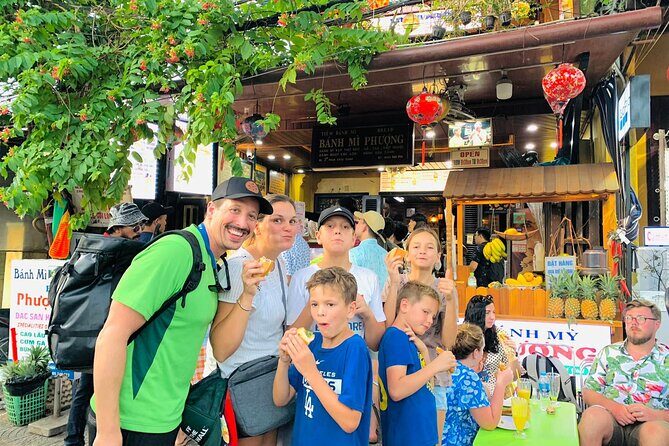
Your first major phase takes place around Hoi An Ancient Town. This is where the tour feels most like getting oriented. You’ll be walking through the historic area, and the food stops act like anchor points that explain the city through taste.
What makes this part work is pacing. The Ancient Town setting helps you understand where the tour is taking you next—both geographically and culturally. And because the tour is designed to visit hole-in-the-wall spots, you get the contrast between famous photo streets and the back lanes where everyday eating happens.
A key benefit of starting here: you can build a baseline. Once you’ve tasted a few signatures early, you’re better equipped to tell what changes at the night market—sauces, spice level, and the kinds of snacks people grab after dark.
A practical note: Ancient Town walking is still walking. Wear comfortable shoes and plan to keep your phone accessible for navigation after you finish, because you’ll come out with a much better mental map than you started with.
Stop 2: Hoi An Night Market and the joy of second helpings
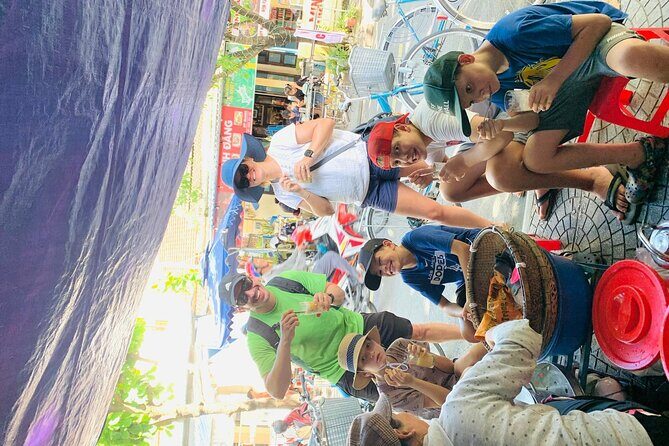
After Ancient Town, the tour shifts into the Hoi An Night Market zone. This is where the atmosphere tends to feel more playful and snack-y. Instead of one “big meal,” you’re still sampling, but now the setting gives the food a different mood—more casual, more on-the-go, and often louder.
This stop is also a good moment to compare what you ate earlier with what you’re eating now. For example, if earlier dishes leaned into noodles or small savory bites, the night market phase often brings a different texture mix—grilled items, dumpling-style snacks, and other quick portions that are easy to eat while standing or slowly wandering.
One thing that shows up clearly in the feedback: people frequently leave feeling stuffed. That’s not a bad sign. It usually means the tour is serious about variety and quantity. Just remember it when planning dinner plans afterward. If you book this early in your trip (or you go straight from the tour to your next activity), you’ll want that next plan to be low-pressure.
Why the small-group size changes the whole experience
This tour is built for smaller groups. The tour notes an intimate maximum of 8 guests in the experience highlights, while the broader activity cap is listed at up to 20 travelers. Either way, the main point for you is that this isn’t designed like a giant production.
In practical terms, that means:
- You’re more likely to be able to ask questions at each stop
- Food pacing feels calmer
- Your guide can adjust on the fly if your group’s pace is different
The feedback repeatedly credits guides—Emily, Tam, Tham, Hoa (Flower), Dung, Nhat—for being friendly, story-driven, and able to match the tone of the group. Even if Billy isn’t on-site, the organizer role is part of why people feel looked after and supported from booking through the walk.
And because your guide translates while you eat, you get the human side of the market. It’s easier to talk to the vendor about what they’re serving and why people in Hoi An come back for it.
You can also read our reviews of more tours and experiences in Hoi An




Price and value: what $35 buys in real terms
At $35 per person, the cost only feels fair if you treat it as more than a “food tasting.” The value is in the combo:
- You get multiple dish tastings across the evening (often described as around 7–8 dishes)
- You visit local places rather than generic tourist stalls
- You get translation and context for each plate
- You cover two prime areas (Ancient Town and the Night Market) without having to plan routes yourself
If you’re in Hoi An for only a couple days, this can be one of the fastest ways to understand the city. You’re not just filling your stomach—you’re learning what to order later, what flavors to look for, and which local specialties are worth your attention.
The only value question I’d ask you: are you excited about street food and willing to eat through an evening? If yes, this price usually makes sense. If you’re expecting a light snack tour with minimal walking, you might feel like it’s too much food too fast.
Dietary needs: how no pork, no seafood, and vegetarian are handled
One of the most useful details from the experience feedback is that the tour can adapt to dietary needs. People report that when they requested no pork or no seafood, the guide and organizer worked to build an appropriate route and still deliver a satisfying range of dishes.
Vegetarian needs are also specifically mentioned as accommodated in at least one case. The best takeaway for you is to communicate your requirements ahead of time. The tour is set up to confirm what you can and can’t eat, and then try to match dishes while still keeping the tour coherent.
Keep expectations realistic: some Vietnamese dishes naturally include pork or seafood components. But the consistent theme in the feedback is that guides try hard to make the experience work without leaving you out of the fun.
Practical tips so you enjoy every stop
Here’s how I’d set yourself up for a smooth evening:
- Come hungry, not just hungry-ish. The tour is set up for multiple tastings, and leaving satisfied is part of the design.
- Wear comfy walking shoes. The format is explicitly a walking street-food experience.
- Plan your evening after the tour. Since you may finish very full, schedule something easy for later.
- Tell your guide dietary limits clearly before you go. If you can’t do pork or seafood, say it up front so they can plan.
- Be flexible with weather. The experience notes it requires good weather, and if conditions are poor you’ll be offered an alternative date or refund.
If you do those five things, you’ll get the best version of what this tour offers: smooth logistics, good conversations, and bites that actually teach you something.
Should you book this Hoi An street food tour with Billy?
I’d book it if you want an evening in Hoi An that feels local from the first minute. It’s a strong pick for first-time visitors, food lovers, and anyone who likes learning the story behind what they’re eating. The combo of small-group size, translation, and multiple dish tastings is exactly what makes a street-food tour worth paying for.
I’d think twice if you know you dislike walking, or if you want a tiny snack-only experience. This tour is designed for eating. Reviews even point out how full people get by the end, so it’s not the best fit if you’re trying to keep your appetite light.
Bottom line: if you’re coming to Hoi An to taste the city, not just pass through it, this is a smart way to spend a couple hours.
FAQ
What time does the tour run?
The tour is scheduled for the evening, from about 5:00 PM to 7:00 PM.
How long is the Hoi An street food tour?
It lasts about 2 hours 30 minutes (approx.).
Where do I meet the guide?
The meeting point is 324 Lý Thường Kiệt, Phường Minh An, Hội An, Quảng Nam, Vietnam.
How many people are in the group?
The experience highlights mention a maximum of 8 guests for an intimate tour, and the overall activity cap is listed as up to 20 travelers.
What dishes can I expect to try?
Expect traditional Hoi An street food, including local favorites like cao lau, bánh bèo, nêm lụi, and white rose dumplings (based on what’s mentioned in the provided information).
Can you accommodate dietary restrictions?
Yes. The tour is noted as able to work with dietary requirements, including examples like no pork or no seafood and vegetarian preferences, with confirmation mentioned prior to the tour.
What if the weather is bad?
The experience requires good weather. If it’s canceled due to poor weather, you’ll be offered a different date or a full refund.
If you tell me your dietary needs (and whether you’re starting from Old Town or further out), I can help you plan what to do before and after the tour so the evening flows smoothly.