REVIEW · HOI AN
Hoi An: Jolie Cooking Class
Book on GetYourGuide →Operated by Jolie Cooking Class · Bookable on GetYourGuide
A Hoi An cooking day can be more than food. This one pairs an organic farm start, a market walk for real ingredients, and a home-kitchen class led by friendly guides like Rosie and Blue. I love the way it shows daily Vietnamese life through shopping and cooking, not just recipes. I also like that you finish with the meal you make, shared together in a warm, family-style setting. One thing to consider: you’ll spend time walking and standing around the market, so wear comfortable shoes and plan for some foot time.
Small group, practical pace, and hands-on guidance. You’ll start with an organic farm visit, then head to the market to see how vendors and shoppers choose produce. After that comes a relaxed coffee stop, then a Vietnamese cooking class where you learn by doing, with English-speaking help. The possible drawback is that there’s no hotel pickup, so you’ll need to get to one of the listed meeting points on time.
In This Review
- Key highlights to expect
- Why this Hoi An cooking class feels like a real local day
- Starting at an organic farm: herbs, ingredients, and a calmer start
- The market walk that actually teaches you what to buy
- Coffee tasting: salted coffee, condensed milk, and culture in plain talk
- The hands-on Vietnamese cooking class in a home-style kitchen
- Sharing your meal and the small Hoi An lantern activity
- Price and value: what $34 really buys you in Hoi An
- Who should book this class (and who might want to skip it)
- Before you go: what to prepare so the day feels easy
- Should you book Jolie Cooking Class in Hoi An?
- FAQ
- FAQ
- How many people are in the group?
- How long does the experience last?
- What’s included besides the cooking class?
- Is there hotel pickup or drop-off?
- Is the guide available in English?
- Are vegetarian options available?
- What should I do if I have allergies or dietary restrictions?
- Is free cancellation available?
Key highlights to expect
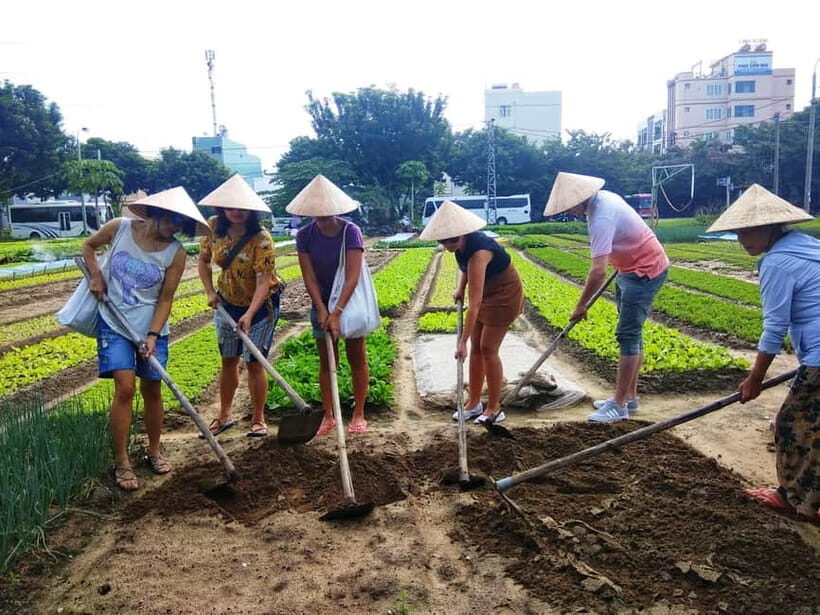
- Organic farm start: pick herbs and see where everyday ingredients come from
- Market time that teaches: learn how fresh ingredients get selected and bought
- Coffee tasting stop: salted coffee plus traditional coffee with condensed milk
- Home-kitchen cooking: hands-on instruction for all skill levels, not a show kitchen
- Lantern-making activity: a fun Hoi An cultural add-on that fits the day’s vibe
- Small group feel: limited to 9 participants for a more personal, chatty experience
Why this Hoi An cooking class feels like a real local day
Hoi An is famous for lanterns and old streets, but it’s the everyday routines—where people buy food, how they taste drinks, how they cook at home—that make the place stick in your mind. This experience is built around those routines. You don’t just learn dishes; you learn what locals pay attention to when ingredients are fresh, and you get the kind of casual conversation that happens when people share a table.
The small-group size is a real advantage here. With a group limited to 9, you’re more likely to get personal help while you’re cooking, and it’s easier for your guide to explain what you’re tasting rather than rushing through everything. And because it’s hands-on, you’re not stuck watching someone else work.
The vibe is friendly and slightly goofy in the best way. In one group, Rosie and Blue came across as warm, funny, and welcoming—exactly what you want when you’re chopping, stirring, and trying sauces you may not have cooked before.
You can also read our reviews of more cooking classes in Hoi An

Starting at an organic farm: herbs, ingredients, and a calmer start
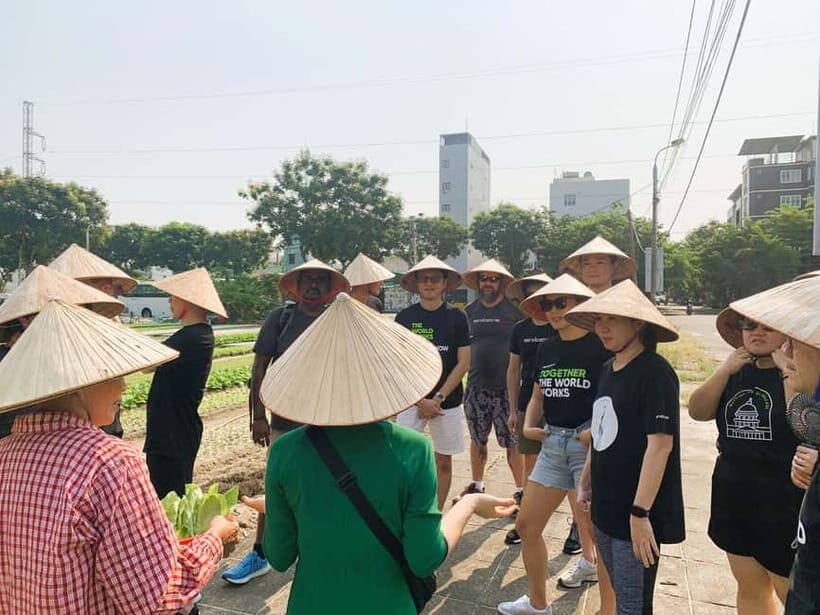
Most cooking classes start the minute you arrive at the kitchen. This one gives you a slower, more grounded opening with a visit to an organic farm as part of the day. The point isn’t just sightseeing. You’ll connect what you’re about to buy and cook with where it comes from—especially with herbs and produce.
In at least one version of the experience, the morning started at Grandma’s organic garden where fresh herbs were picked. That detail matters. When you taste and cook with herbs you actually selected, you notice flavor differences more clearly. You also get a better feel for how Vietnamese kitchens build dishes from layers: aromatics first, then balance with sour, sweet, salty, and heat.
What I like for you: this farm start helps your market visit make sense instead of feeling like a quick ingredient “grab and go.”
What to watch for: you’ll want light, comfy clothing for farm time because it’s part of the earlier flow of the day before you sit down for cooking.
The market walk that actually teaches you what to buy
The market visit is short—about 20 minutes—but it’s one of the most useful parts of the experience if your goal is to eat well in Vietnam. This stop is where you learn what “fresh” looks like and how locals think when choosing ingredients.
I like that the focus is on daily Vietnamese shopping habits, not just a guided tour of stalls. You’ll see how produce and other ingredients are selected, and you’ll get prompts on what makes a difference in flavor and texture. Even if you don’t remember every detail later, you’ll walk away with better instincts for your own food choices around Hoi An.
One review called the market the favorite part, which isn’t a surprise. Markets are where you can pick up the language of cooking: what smells strong, what should look glossy, what should be firm, what should be bruised-free. And since the group is small, you’re not trapped behind the crowd.
Practical consideration: the experience includes walking and standing at the market. If you have knee issues or you tire quickly on your feet, this is the moment to plan for breaks and wear supportive shoes.
Coffee tasting: salted coffee, condensed milk, and culture in plain talk
After the market, you’ll head to a local coffee shop for a coffee tasting that lasts about 20 minutes. This isn’t just a caffeine stop. It’s a cultural one.
In one group experience, the tasting included salted coffee plus traditional coffee with condensed milk. That combination alone gives you a quick education in Vietnamese flavor preferences: sweet, creamy, and often counterbalanced with salt or other contrasts. You’ll also get conversation and cultural exchange as you sip—so the coffee connects to what you’ve already seen at the market.
If you’re the kind of traveler who likes food history, coffee culture, and casual explanations, this stop will land well. It also helps break up the day so the cooking class doesn’t feel like one long stretch.
What you’ll get out of it: better taste memory. After you try the coffee drinks, you’ll likely notice how Vietnamese dishes also build balance, not just heat or sweetness.
The hands-on Vietnamese cooking class in a home-style kitchen
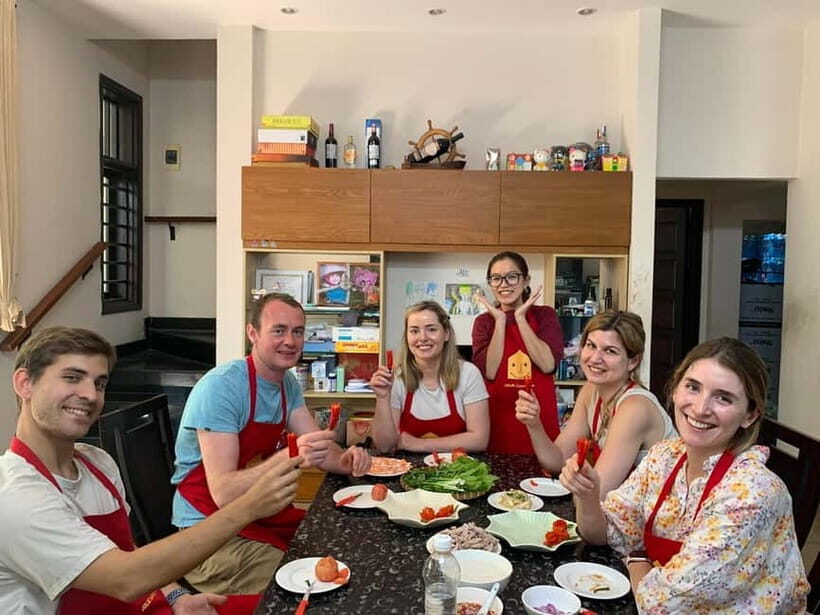
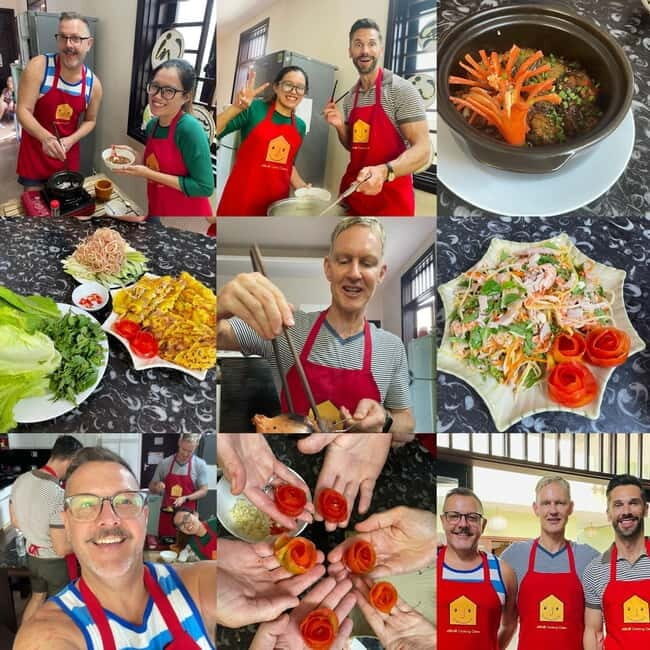
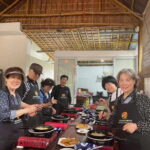
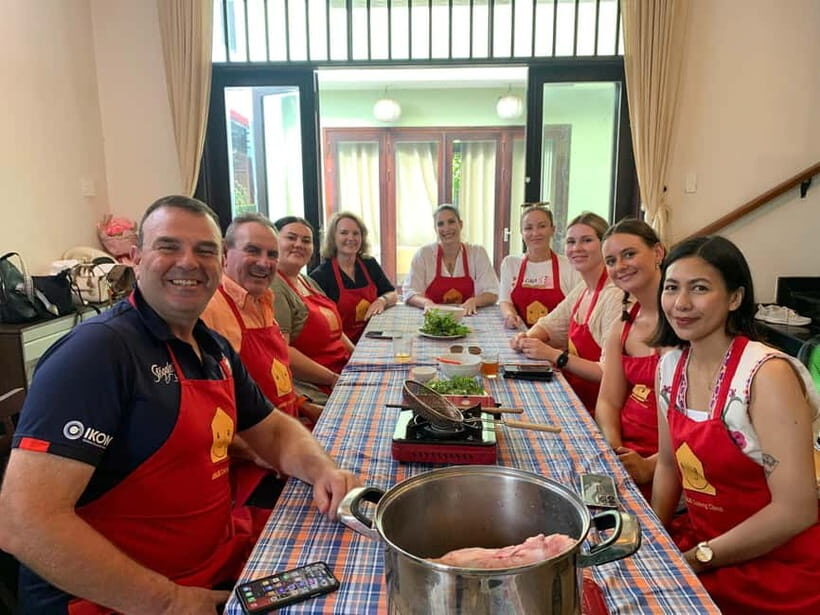
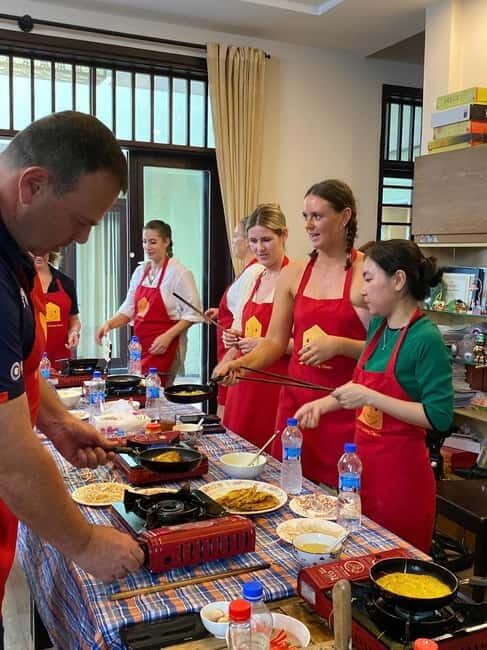
This is the heart of the day: a cooking class in a home-style kitchen, guided in English, where you’ll cook several traditional dishes. The class portion runs about 2.5 hours and is designed for all skill levels. That’s a key point. This isn’t a knife-speed competition. It’s a learning-by-doing session with friendly coaching.
In one group, people cooked four dishes total, and the results were described as very tasty. That “enough variety” feeling is important: you want to leave with more than one recipe you can recreate. You also want enough work that you feel you truly cooked—mixing, assembling, tasting, adjusting.
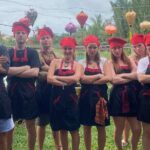
The guides—like Rosie and Blue in the experiences you shared—seem to bring the right energy: warm, friendly, and supportive while you cook. When you’re standing over a stove or sauce pot, that kind of guidance matters. It reduces stress, and it helps you understand why you’re doing each step.
What makes this class good value: you’re not paying just for recipes. You’re paying for ingredient shopping context, ingredient handling time, cooking instruction, and then a full meal from the dishes you make.
Timing note: you’re going to be active. Plan to stay focused during the class so you don’t miss key steps like sauce consistency, seasoning balance, and when to taste before final adjustments.
You can also read our reviews of more tours and experiences in Hoi An



Sharing your meal and the small Hoi An lantern activity
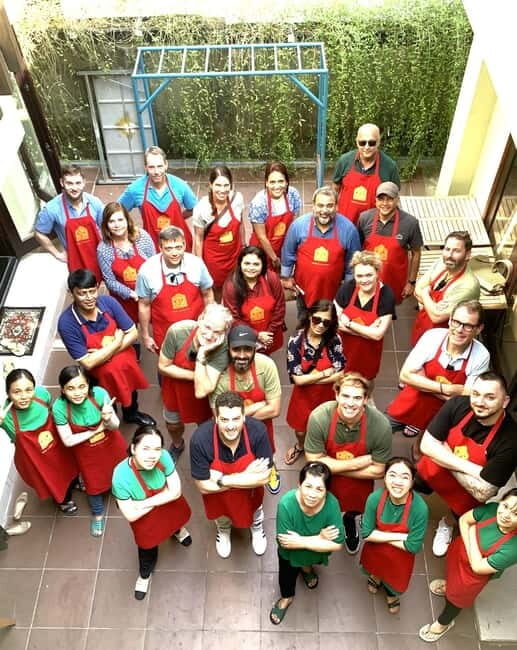
After cooking, you sit down together to enjoy what you prepared. This is where the experience clicks into a more personal travel memory. Food tastes better when you’ve made it, but it also tastes better when it’s shared. In the feedback you provided, the setting was described as warm and friendly—exactly the atmosphere that makes a cooking day feel like part of Hoi An life, not a staged event.
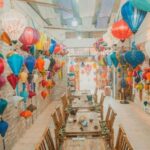
You’ll also have a lantern-making activity included. The details of when it happens aren’t fixed in the information you gave, but it’s part of the included experience. For many visitors, it’s the ideal cultural add-on because it matches the city’s lantern identity without turning the day into a long sightseeing marathon.
My practical advice: if you’re the type who likes taking photos, bring a phone with enough battery. Lantern craft is one of the easiest moments to capture, and you’ll also get to eat right after—so you’ll want to avoid scrambling for charging later.
Price and value: what $34 really buys you in Hoi An
At $34 per person, this is positioned as a value-rich food experience. Here’s why the math feels reasonable:
- You get an organic farm and market visit (ingredient education up front)
- You get a coffee tasting at a local café (not just a quick drink)
- You get a hands-on cooking class in a home-style kitchen
- You get all ingredients and cooking equipment
- You eat the meal you cook
- You get a lantern-making activity
- You get an English-speaking host and a small group (up to 9)
So you’re paying for a full half-day style experience that’s more than cooking. Even if you’re already confident cooking Vietnamese food, the farm-and-market context helps you understand flavors in a more grounded way. And if you’re new to Vietnamese cooking, the hands-on structure makes it easier to translate what you learn into something you can repeat later.
Who this price suits best: budget-minded travelers who still want an authentic local experience, not just a dinner. It’s especially good if you like experiences with meals included.
Who should book this class (and who might want to skip it)
This is a great fit if you want:
- A small-group Hoi An food experience with an English-speaking host
- A market-and-cooking format instead of a kitchen-only class
- Hands-on cooking that supports all skill levels
- A day that mixes culture with food (coffee tasting + lantern making)
It may not be the best choice if:
- You don’t enjoy walking or standing for portions of the day (the market involves both)
- You want purely professional-level technique training and nothing else
- You’re hoping for hotel pickup and drop-off (not included)
Before you go: what to prepare so the day feels easy
A few small details can make your day smoother.
Wear comfortable clothing and shoes. You’ll be moving around the market, and you’ll likely stand while cooking and tasting. If you’re sensitive to heat or foot fatigue, plan for that.
If you have food allergies or dietary restrictions, tell the host in advance. Vegetarian options may be available upon request, so if that’s your situation, message early so your meal plan can match your needs.
Finally, be on time at the meeting point. The location can vary depending on which starting option you book, including addresses listed in Hoi An and two specific meeting points. No hotel pickup means you’ll want to build in a little buffer so you’re not rushing in sandals.
Should you book Jolie Cooking Class in Hoi An?
If you want a Hoi An experience with real food context—market shopping, coffee culture, and home-style cooking—this is a strong booking. The price feels fair for what you get: farm visit, market walk, coffee tasting, hands-on class, a shared meal, and lantern-making, all with a small group and English-speaking guidance.
Book it especially if you like learning through doing and you want your day in Hoi An to feel like a local routine rather than a checklist. I’d also consider it if you’re traveling with beginner-friendly cooking goals: the format is supportive, not technical-teaching for experts.
If your top priority is minimal walking and zero surprises, you might choose a different activity. But if you’re okay with standing and want an experience built around flavor and people, this one is an easy yes.
FAQ
FAQ
How many people are in the group?
The activity is a small group with a limit of 9 participants.
How long does the experience last?
It runs between 150 minutes and up to 6 hours, depending on starting times and group pace.
What’s included besides the cooking class?
You’ll also visit an organic farm and local market, enjoy a coffee tasting, take part in hands-on cooking, eat the meal you prepare, and do a lantern-making activity. All ingredients and cooking equipment are included, and there’s an English-speaking host.
Is there hotel pickup or drop-off?
No. Hotel pickup and drop-off are not included.
Is the guide available in English?
Yes. The guide is English-speaking.
Are vegetarian options available?
Vegetarian options may be available upon request.
What should I do if I have allergies or dietary restrictions?
Inform the host in advance of any food allergies or dietary restrictions.
Is free cancellation available?
Yes. You can cancel up to 24 hours in advance for a full refund. You can also reserve now and pay later, depending on availability.