REVIEW · HOI AN
Hoi An: Vegetarian Cooking Class w Local Family and transfer
Book on GetYourGuide →Operated by Viet Nam Happy Travel · Bookable on GetYourGuide
A coconut village cooking class is a calm change of pace. You’ll learn how to make classic Hoi An dishes step by step, then sit down to eat what you cooked in a local family-style setting.
Two things I really like: the vegetarian-friendly focus with real ingredients, and the relaxed, hands-on way the chef teaches so you can actually repeat the food later.
One thing to consider: this is an outdoor, riverside kitchen, so bugs and warm conditions can be part of the experience.
In This Review
- Key highlights worth your attention
- Cam Thanh Coconut Village: where Hoi An cooking feels local
- Hotel transfer and the exact meeting point you’ll want saved
- The 3–4 hour flow: what the day actually looks like
- Transfer to Cam Thanh and a short reset
- Move into the cooking space
- The chef teaches, you cook, then you eat
- What you’ll cook: Hoi An rice pancake, spring rolls, papaya salad, and the fourth dish
- Inside the class: learning from a funny, hands-on English-speaking chef
- Vegetarian focus: tofu, fresh flavors, and how mixed groups are handled
- Lunch or dinner: what you eat and why it’s included value
- Optional basket boat ride in the coconut waterways
- Practical tips that will save your comfort (and your photos)
- Bug spray and light protection
- Heat and ventilation
- Notes vs. screens
- Ride back logistics
- Is this a good fit for you?
- Price and value: why $23 can make sense here
- Should you book this Hoi An vegetarian cooking class?
Key highlights worth your attention
- Cam Thanh Coconut Village setting: cooking is tied to the river-and-coconut world around Hoi An.
- English-speaking chef with clear steps: you cook along in an orderly, practical way.
- Four dishes plus a shared meal: you leave with recipes in hand and a full plate in front of you.
- Vegetarian handling is a real priority: they try to group vegetarian participants together, and adjust ingredients as needed.
- Optional basket boat ride: if you add it, it pairs nicely with the coconut setting.
- Small-group feel: you get enough attention to keep up, even if you’re a beginner.
Cam Thanh Coconut Village: where Hoi An cooking feels local
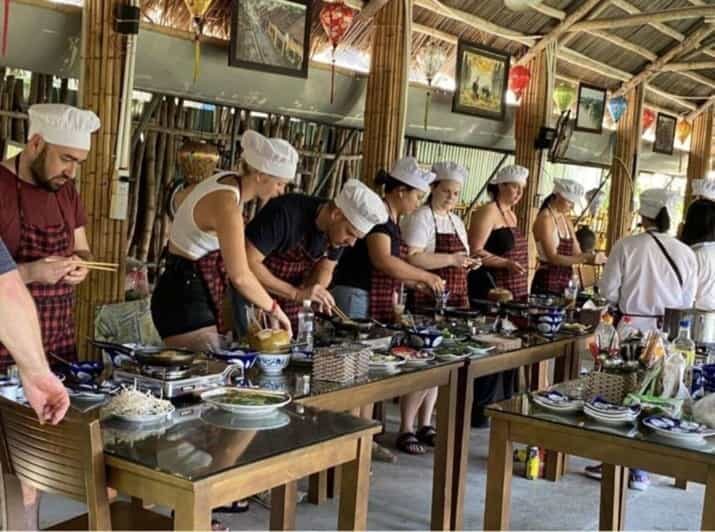
Hoi An’s food reputation is famous for a reason, but most cooking classes stay in a classroom. This one leans the other way. You’re headed to Cam Thanh Coconut Village, where the atmosphere is quieter and more “day-to-day Vietnam” than “tour show.”
What makes it work for you is the pairing: you’re not just learning recipes, you’re learning the logic behind them. Vietnamese cooking is about balance—sweet, salty, sour, fresh herbs, and crunchy textures. In this class, you follow step-by-step instructions, then eat as a group right after. That rhythm helps the flavors stick in your brain.
Also, the vegetarian setup is more than a label. The class is designed so you can cook dishes that fit a vegetarian diet, and the group planning tries to keep vegetarian participants together.
You can also read our reviews of more cooking classes in Hoi An


Hotel transfer and the exact meeting point you’ll want saved
If you select it, pickup and drop-off happen from Hoi An old town center hotels. It’s one less puzzle after a busy day walking streets, crossing bridges, and trying to fit in lantern photos.
If you’re meeting there without pickup, the meeting area is in a narrow alley next to Villa Hoa Vung, in To 5 Hamlet, Vong Nhi, Cam Thanh, Hoi An. Since this is not a wide, obvious street, I strongly suggest you save the exact pin the operator gives you and use it on your map app.
One practical tip: once you have the meeting details, send yourself a WhatsApp-style screenshot or a text note with the location and the short directions. The alley approach can be easy to miss if you arrive while hungry or tired.
The 3–4 hour flow: what the day actually looks like
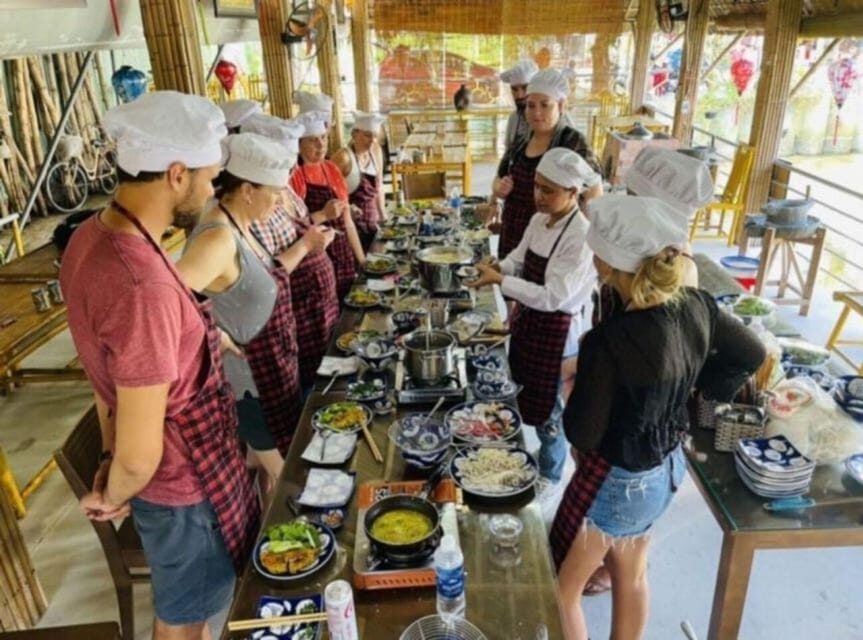
This is a half-day experience—typically 3 to 4 hours—and it moves in a steady sequence. Here’s how the timing tends to feel, and why it matters:
Transfer to Cam Thanh and a short reset
You start with pickup (if selected), then transfer to the Cam Thanh Coconut Village area. Before cooking, there’s usually a welcome drink and time to rest at the restaurant setup. That pause is useful if you’ve been out in the heat—Vietnam cooking classes can get active fast once the stove and prep start.
Move into the cooking space
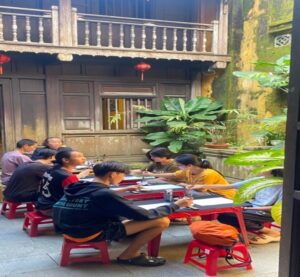
After that reset, you head into the cooking class area in the coconut village. The environment is often airy, but it’s still very much a working outdoor kitchen near a river. Expect to feel the weather and the humidity more than you would in an indoor studio.
You can also read our reviews of more tours and experiences in Hoi An




The chef teaches, you cook, then you eat
The chef (English-speaking) teaches how to make 4 local dishes, with clear, step-by-step guidance. You’ll cook alongside others, then enjoy what you made. The class ends with return transfer back to your hotel.
That “cook together, then share the meal” structure is one reason this works even if you’re traveling solo. You’re not just collecting information; you’re building confidence through repetition.
What you’ll cook: Hoi An rice pancake, spring rolls, papaya salad, and the fourth dish
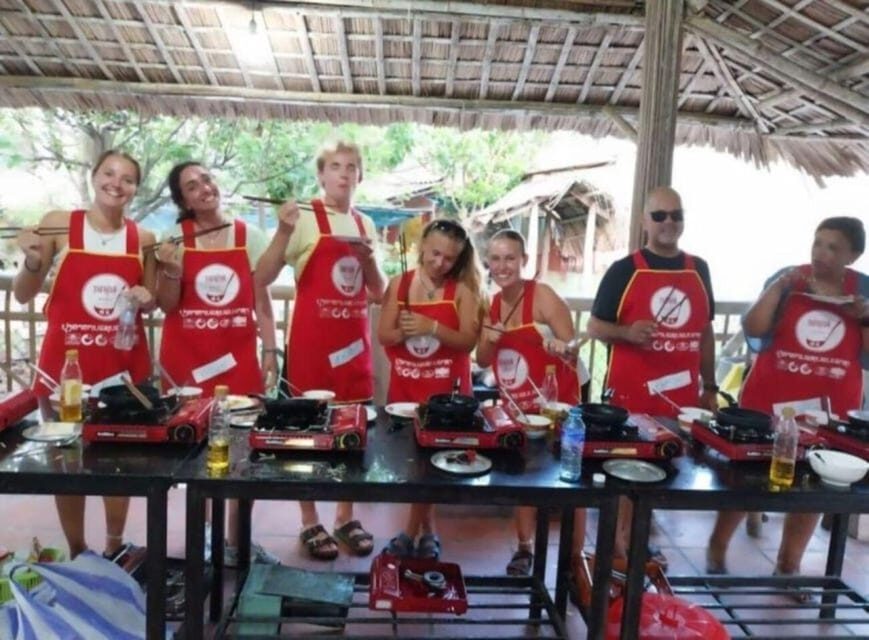
The class focuses on four local dishes. Some of the dishes named include:
- Hoi An rice pancake
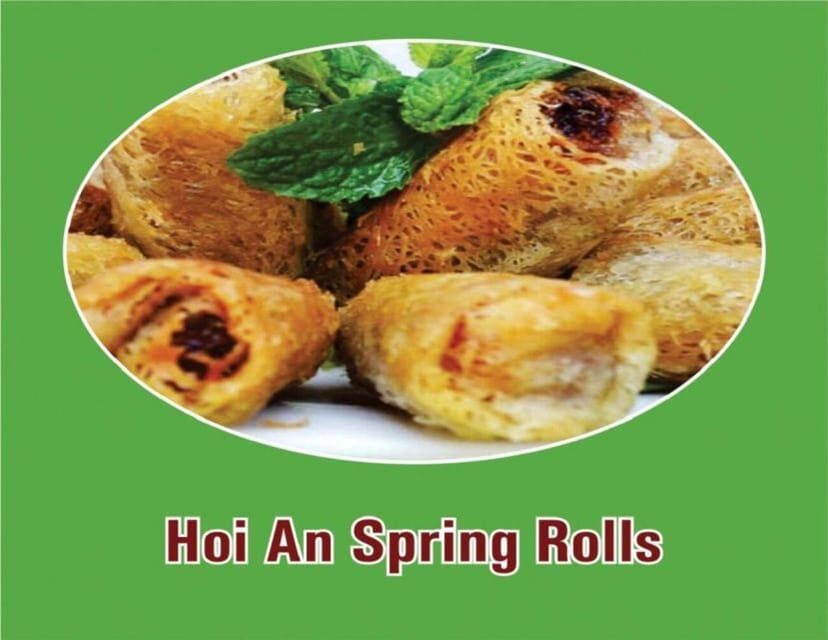
- Hoi An spring rolls
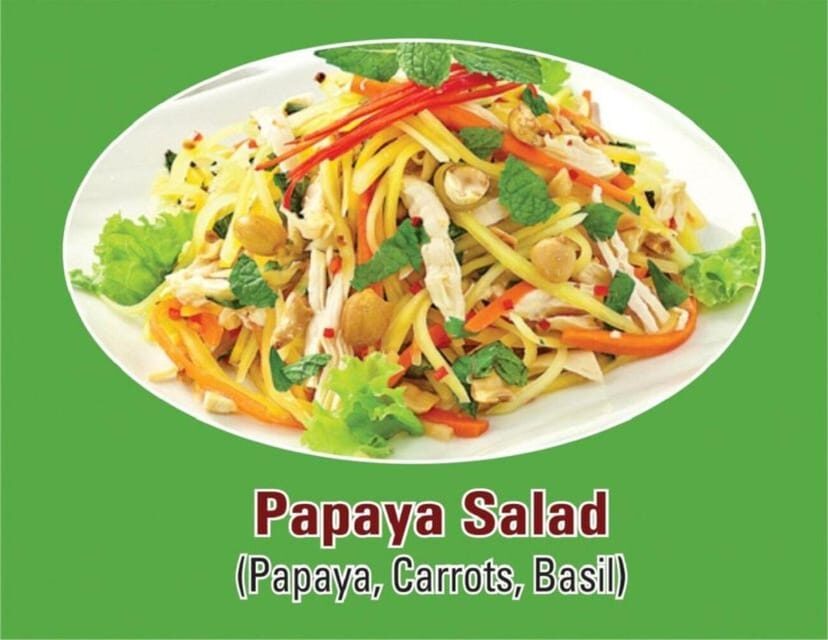
- Papaya salad
In other classes with similar menus, the chef may also include additional preparations that fit the group’s diet, such as tofu-based dishes or components like rice milk and stir-fry styles (for example, morning glory). The key takeaway for you is not the exact menu guarantee—it’s that you learn a set of recognizable Hoi An flavors you can recreate later.
Here’s what I’d watch for if you want the most value:
- Follow the technique, not just the recipe. For pancakes and spring rolls, small changes in dough texture and filling balance make a big difference.
- Taste as you go. Vietnamese cooking is built on adjusting flavor. Your chef’s guidance will help you learn when to add more lime, salt, or herbs.
- Practice the workflow. You’ll see how Vietnamese kitchens run in real life: prep, assemble, cook fast, then move to the next station.
Inside the class: learning from a funny, hands-on English-speaking chef
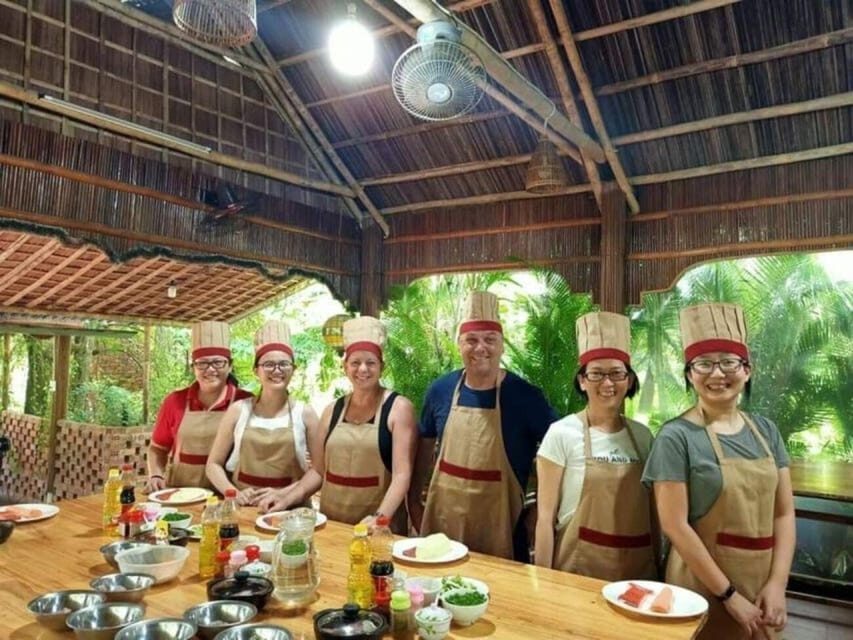
This is the part that most consistently wins people over. The chefs are English-speaking, and the teaching style is described as fun and relaxed—so you don’t feel like you’re being tested.
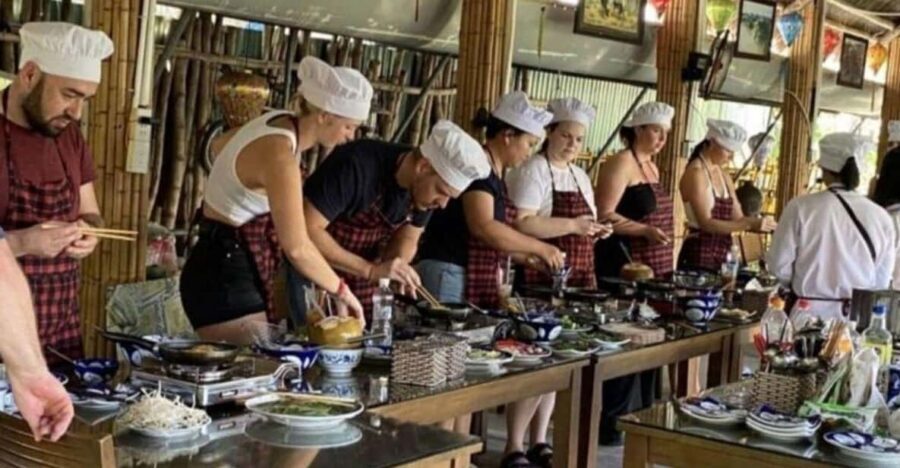
You cook step by step, and the group stays small enough that you can ask questions without feeling lost. Several instructors show up by name across the program—Ha, Nhung, and Ngung are mentioned often—each bringing their own personality while still keeping the class organized.
Two practical benefits you’ll feel immediately:
- You learn how to handle ingredients you may not cook with often (fresh herbs, papaya, tofu, and crisp-fry or pan-cook techniques).
- You learn how to adjust flavor during prep, not only at the final bite.
If you’ve ever tried to recreate Vietnamese food at home and it tasted almost right, this class helps you correct the missing pieces—mainly seasoning balance and texture.
Vegetarian focus: tofu, fresh flavors, and how mixed groups are handled
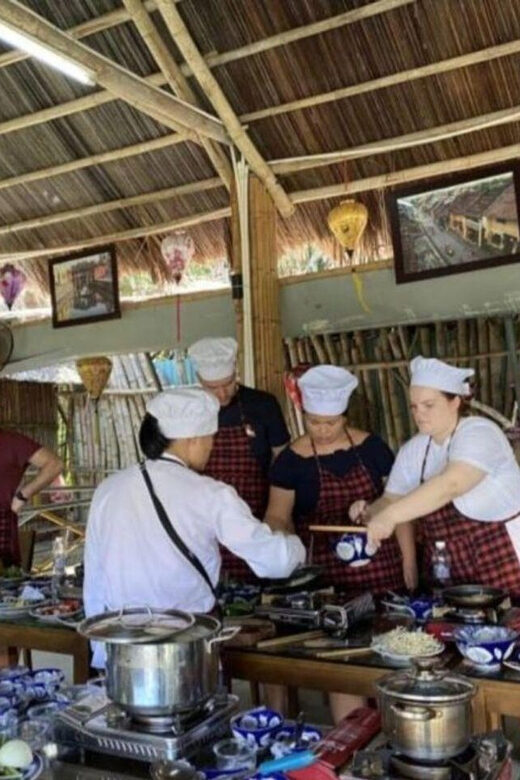
If you’re vegetarian, this is one of the big reasons to book. The operator tries to arrange vegetarian participants in the same group whenever possible. If the group mix makes that impossible, they can combine vegetarian and meat-eaters, but they’ll still do their best to accommodate the vegetarian menu.
You should also know what that means in practice. You might see dishes cooked with tofu options and fresh veggie-based flavors alongside non-veg dishes. The important part is that you’re not just handed a plate—you’re cooking the vegetarian-friendly versions with the same hands-on steps.
If you’re traveling with friends who eat meat, you don’t have to worry that your class becomes separate or complicated. The format can work for mixed diets, as long as you go in knowing that the group arrangement may vary.
Lunch or dinner: what you eat and why it’s included value
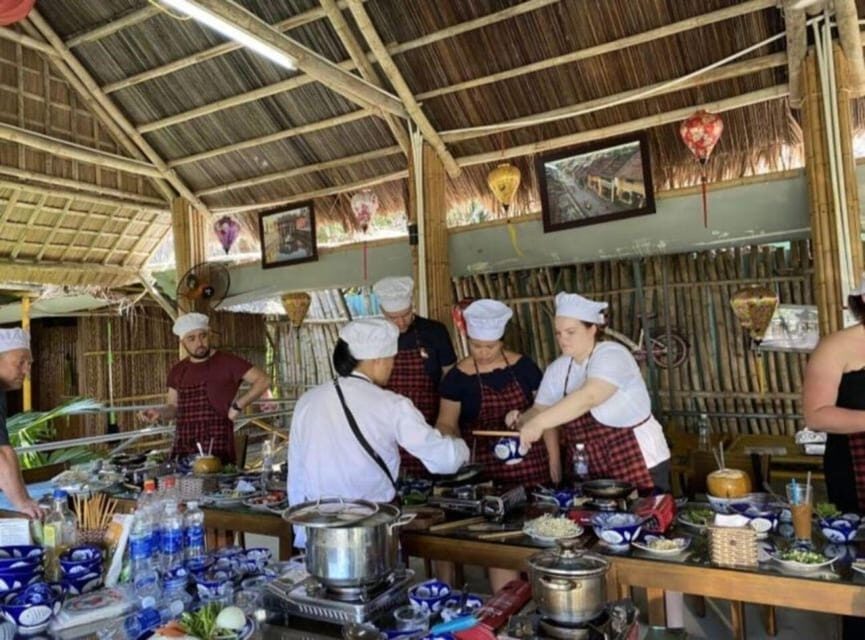
This activity includes lunch for the morning slot or dinner for the afternoon slot. That matters because cooking classes can be expensive when food isn’t included—you end up buying lunch anyway.
Here’s what you’re likely to get:
- You eat what you cooked, so your meal is guaranteed to match the skills you practiced.
- You also get the social part: there’s time to chat, and you can share bites and compare results with others.
One more small point that adds up: if you’re a beginner, you learn which textures are supposed to be crunchy or tender. Eating right after cooking makes those lessons stick.
Optional basket boat ride in the coconut waterways
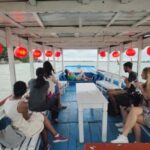
Some bookings include a basket boat ride. If you add it, it pairs naturally with the coconut village theme and gives you a calm break from stove time.
What I like about adding this is that it turns the outing into more than a food-only task. You’re not just learning a menu—you’re seeing part of the landscape that shapes local life around Hoi An’s water and coconuts.
Practical tips that will save your comfort (and your photos)
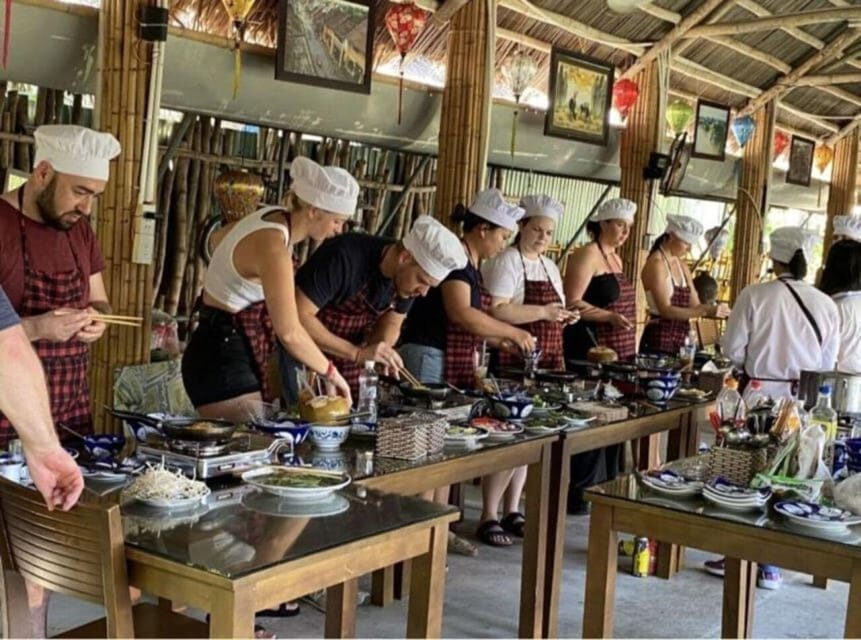
This class happens in a riverside area and involves open cooking setups. That means a few things you’ll want ready.
Bug spray and light protection
Because the dining and cooking area can be an outdoor covered setup near a river, bring bug spray. Some people mention that bugs show up at night, and it can get annoying if you forget.
Heat and ventilation
A cooking class isn’t an air-conditioned museum. You may feel heat from cooking flames and the warm air, and fans might not always be enough. Wear breathable clothes and bring a small towel if you run hot.
Notes vs. screens
You may receive a recipe sheet to take away, and some people prefer having a physical copy to refer to later rather than relying on photos. If you care about recreating this at home, consider bringing:
- A notebook or a few index cards
- A phone camera for quick references
- Any dietary notes you want the chef to keep in mind (especially if you have strict vegetarian rules)
Ride back logistics
Most of the time, you’ll be returned to your hotel. Still, if you’re picky about drop-off timing, it’s smart to confirm your exact pickup name and room address when you check in.
Is this a good fit for you?
This cooking class is a strong choice if you want:
- Vegetarian-friendly Vietnamese cooking with real technique
- A hands-on lesson you can repeat at home
- A small-group atmosphere where you can ask questions and laugh a bit
It’s less ideal if:
- You need wheelchair accessibility (the class is noted as not suitable for wheelchair users)
- You hate outdoor conditions or are sensitive to heat and bugs
- You want a silent, structured classroom experience. This is interactive and social, with room for humor.
Price and value: why $23 can make sense here
At around $23 per person for a 3 to 4 hour session, the value comes from what’s included, not just the headline price. You’re getting:
- Pickup and drop-off from many Hoi An old town hotels (if you select it)
- An English-speaking chef
- Ingredients for the cooking class
- A full lunch or dinner
- Optional basket boat ride (if that add-on is selected)
Most cooking classes charge extra for ingredients and meals. Here, those are part of the package, so your cost stays predictable. If you’d otherwise pay for dinner plus a guided activity, this tends to pencil out well.
Should you book this Hoi An vegetarian cooking class?
I’d book it if you want a real, practical cooking lesson in Hoi An, not a quick demo. The combination of Cam Thanh’s coconut village setting, a chef who teaches clearly in English, and the ability to eat what you cooked makes it feel worth the time.
Skip it if you’re highly sensitive to outdoor heat or bugs, or if mobility access is an issue for your group. Also, if you’re expecting every vegetarian class to be perfectly separated from meat-eaters at all times, go in with flexibility since group planning can change.
If you want one simple decision rule: if learning a few Vietnamese techniques you can repeat at home sounds better than another sightseeing stop, this class is likely a win.