REVIEW · HOI AN
Hoi An: Silk Process, Lantern Making Workshop & Local Food
Book on GetYourGuide →Operated by Viet Nam Happy Travel · Bookable on GetYourGuide
Watching silk become thread, then cloth, then a lantern souvenir is a very Hoi An kind of day—hands-on and quietly impressive. This short workshop connects traditional sericulture and weaving with the lantern culture you’ll see all over town.
I especially loved how the flow is practical: you go from the mulberry gardens and silkworm breeding area to an unraveling setup that explains how thread comes from cocoons. And you’re not just watching the lantern steps—you make your own lantern and keep it. One consideration: it’s not suitable for wheelchair users or guests with mobility impairments.
In This Review
- The real value: craft education plus a take-home piece
- Key highlights you’ll care about
- Why Hoi An Silk Village is more than a craft stop
- Meeting at Nguyen Tat Thanh: a smooth 150-minute format
- Quang Nam traditional house: where the story begins
- Mulberry gardens and silkworm breeding: hands-on nature work
- Unraveling House: from cocoon to usable silk thread
- Champa and Dai Viet textile traditions: weaving as culture
- Exhibition time: pure silk vs fake silk (and what to watch for)
- Lantern making class: your take-home piece of Hoi An
- Lunch and local flavors: Cao Lau plus a classic snack plate
- Price and value: what $22 buys you in real terms
- Who should book this workshop (and who should skip it)
- Should you book? My decision checklist
- FAQ
- How long is the Hoi An silk and lantern workshop?
- Where is the meeting point?
- What is included in the price?
- Does it include hotel pickup or drop-off?
- Can the food be adapted for dietary needs?
- Will I make a lantern and keep it?
- Is the tour suitable for wheelchair users or mobility impairments?
- How much does it cost, and what about Vietnamese public holidays?
- Is there an English-speaking guide?
The real value: craft education plus a take-home piece
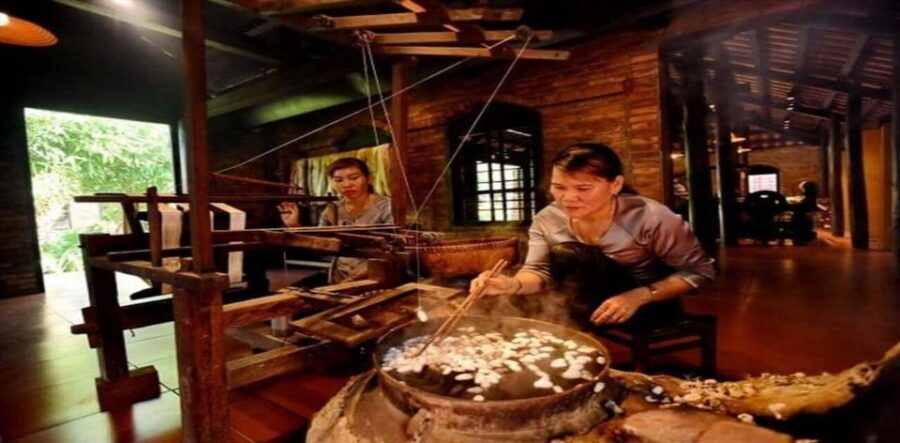
You leave with more than photos. You get a clear idea of how pure silk differs from fake silk, plus enough context to shop with confidence if you want a scarf or fabric for tailoring. If your schedule is tight, the 150 minutes moves at a teaching pace, so you’ll want to arrive on time for the best experience.
That also means it’s less of a slow wander and more of a structured class. If you’re hoping for long open-ended exploring, you might feel a bit “guided through” rather than free to roam.
Key highlights you’ll care about
- Cocoon-to-thread education that explains how silk thread becomes woven fabric
- Mulberry and silkworm experiences including feeding the silkworms
- Unraveling House learning focused on getting thread ready for weaving
- Lantern making with stages plus a keep-it souvenir lantern
- A real silk vs fake silk comparison to help you shop smarter
- Hoi An meal included, with Cao Lau and deep fried spring rolls
You can also read our reviews of more food & drink experiences in Hoi An


Why Hoi An Silk Village is more than a craft stop
Hoi An’s silk story starts with the plants and insects that make silk possible. You’ll hear how the area protects valuable genetic sources of mulberry, and that matters because mulberry quality affects the silkworms. The village also preserves handmade silk weaving from the Champa to Dai Viet era, which gives the whole place a longer historical spine than a typical souvenir workshop.
The lantern part fits naturally. Lanterns are now part of Hoi An’s everyday identity and festival look, not just a one-time decoration. You’ll get a small history lesson on lantern shape and color, so when you later see lanterns on the streets or by the water, you can actually spot what you learned.
Meeting at Nguyen Tat Thanh: a smooth 150-minute format
You meet at 28 Nguyen Tat Thanh Street, at Hoi An Silk Village. Hotel pickup and drop-off are not included, so plan to get there yourself. The time window is 150 minutes, so think of it as a compact, guided afternoon rather than a half-day adventure.
You’ll also get a welcome drink at the start. That’s not just a nice touch; it signals the tone of the workshop—calm, organized, and ready to teach. There’s also a skip-the-ticket-line benefit, which helps keep your schedule tight.
One more practical note: the property involves workshops and paths that don’t work well with wheelchairs. If mobility is an issue for you, you’ll want to choose a different Hoi An activity.
Quang Nam traditional house: where the story begins
The first stop sets context. You visit a traditional house in Quang Nam and hear the craft sericulture story—how traditional silk work ties to daily life, not just a product you buy.
This part matters because it frames what you’ll see next. When you learn about feeding, breeding, and cocoon handling, it stops feeling like a series of random displays and turns into a system. A good guide can make that click fast, and one guide named Thu is singled out for being both sweet and knowledgeable while keeping explanations clear.
Even if you’re not the type to remember every historical detail, you’ll still walk away with a sense of why silk matters here: it’s local, technical, and carried through generations.
Mulberry gardens and silkworm breeding: hands-on nature work
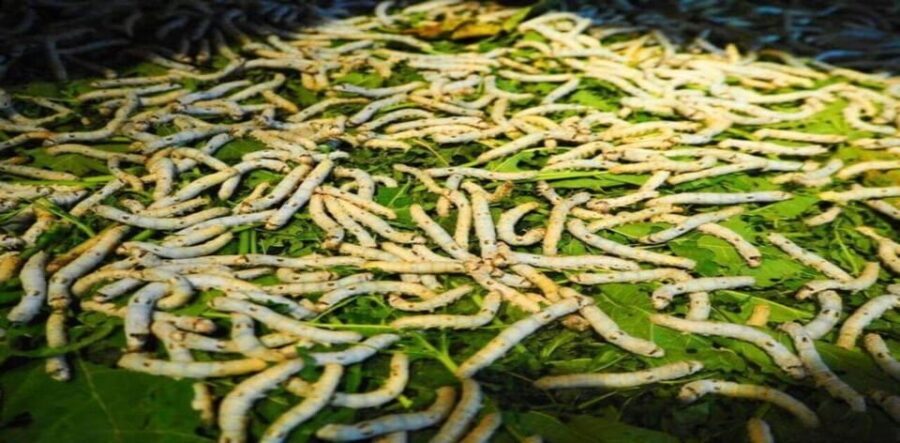
Next you head to the ancient mulberry gardens. Mulberry is the food chain starting point, so this is where the lesson goes from “cool story” to “real process.” You’ll also visit the silkworm breeding house and learn how to feed the silkworms.
This segment is usually where people start paying attention to the small things: how silk work depends on timing and care. It’s not dramatic, but it is fascinating in a very real-world way. You’ll get to see why the cocoon stage exists at all—silkworms convert mulberry into silk materials inside the cocoon.
If you’re traveling with kids, this is one of the more engaging parts because it’s tangible. If you’re an adult who hates museum lectures, this is the section that feels closest to real life.
You can also read our reviews of more tours and experiences in Hoi An






Unraveling House: from cocoon to usable silk thread
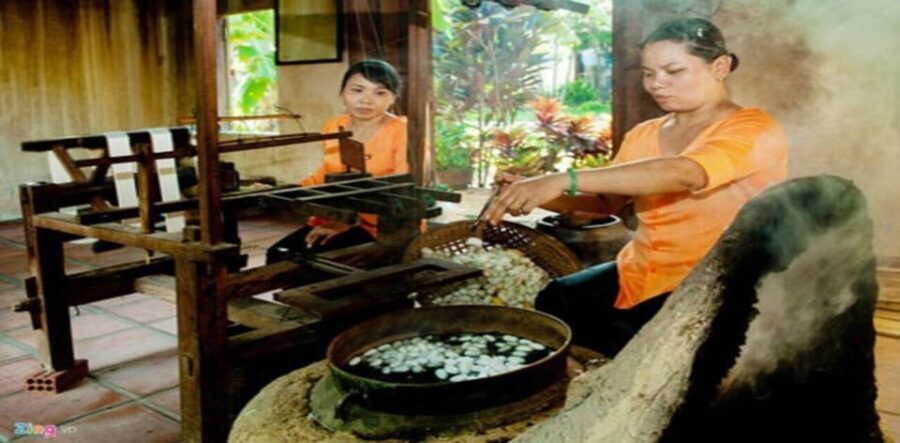
Then comes a key shift: you move from caring for silkworms to making silk fabric possible. The Unraveling House is where you understand how to get silk thread from the cocoon.
This is a great stop for anyone who has ever wondered why silk feels different from synthetic fabric. The thread process is where natural fibers show their character. It’s also the moment when the workshop helps you connect the dots between the living stage (silkworms) and the finished stage (cloth).
If you’re the kind of traveler who likes to shop with intention, this is also where you build the mental model that helps you judge what you’re seeing later. You’ll learn the logic behind the materials, not just the final products.
Champa and Dai Viet textile traditions: weaving as culture
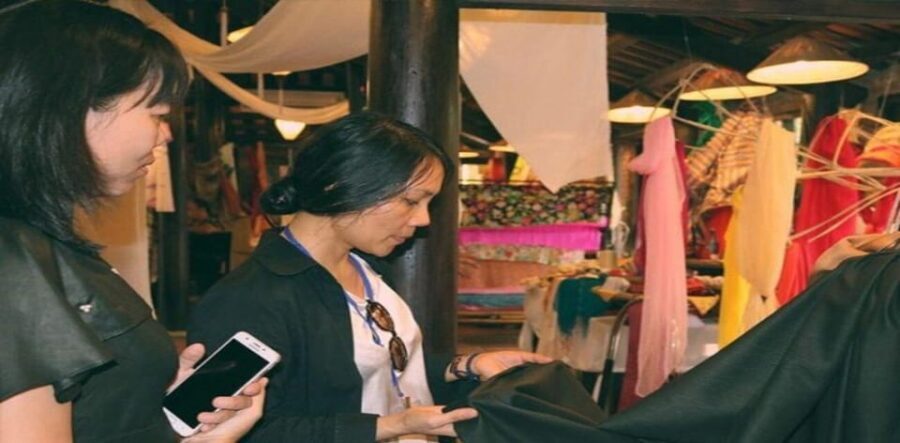
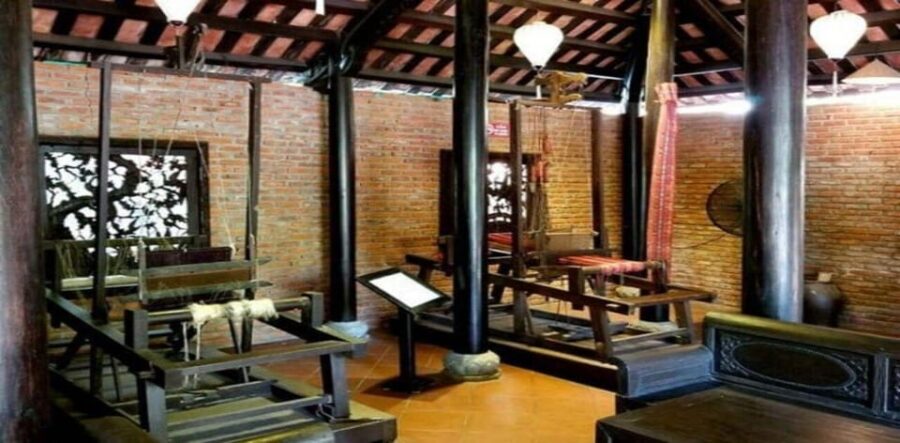
After the thread step, you visit a Vietnamese traditional silk weaving house. Here you see traditional textiles and learn about the handicrafts of Champ people and weaving approaches that trace back through the Champa to Dai Viet craft line.
The value of this stop is that weaving isn’t presented as a random craft trick. You’re shown it as technique with cultural roots. That makes the later shopping feel more grounded, because you understand what skills and steps might have gone into something you’re holding.
This is also a good time to ask questions. Even when the workshop stays structured, a good guide can translate the “why” behind the method—how thread quality, preparation, and weaving connect. One downside: if English is your only language, you’ll want to stick close to the guide during this part, because the quality of explanations can vary by guide.
Exhibition time: pure silk vs fake silk (and what to watch for)
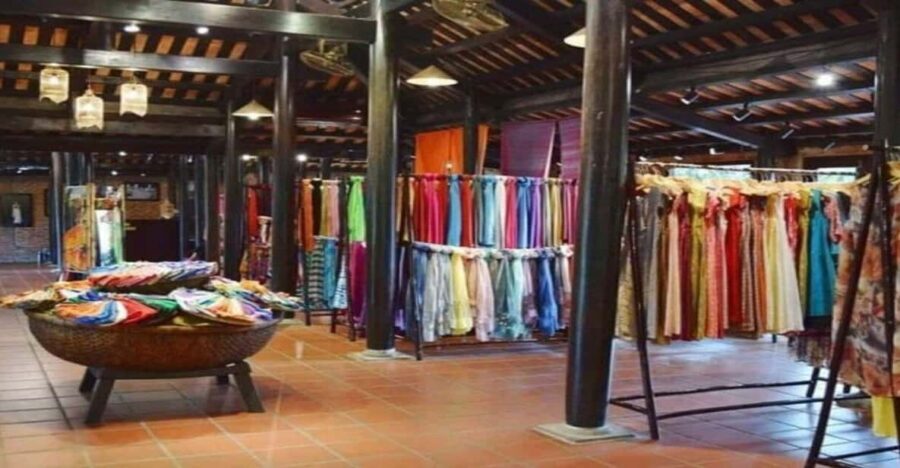
Once the weaving context is in place, you go to the Hoi An Silk Village exhibition. This is where you learn the difference between pure silk and fake silk fabric.
This is one of the most practical parts of the whole experience. Hoi An is great for shopping, but it can also tempt you into buying “silk-like” items. Understanding what to look for helps you avoid disappointment. The exhibition also shows the variety of silk products you can buy, including items meant for tailoring and scarf shopping.
If you want to use this workshop as a buying guide, decide in advance what you want—scarf, fabric for tailoring, or a smaller souvenir. Then use what you learned about pure vs fake silk to guide your choice. That way, you don’t leave with a purchase just because it looked pretty in the moment.
Lantern making class: your take-home piece of Hoi An
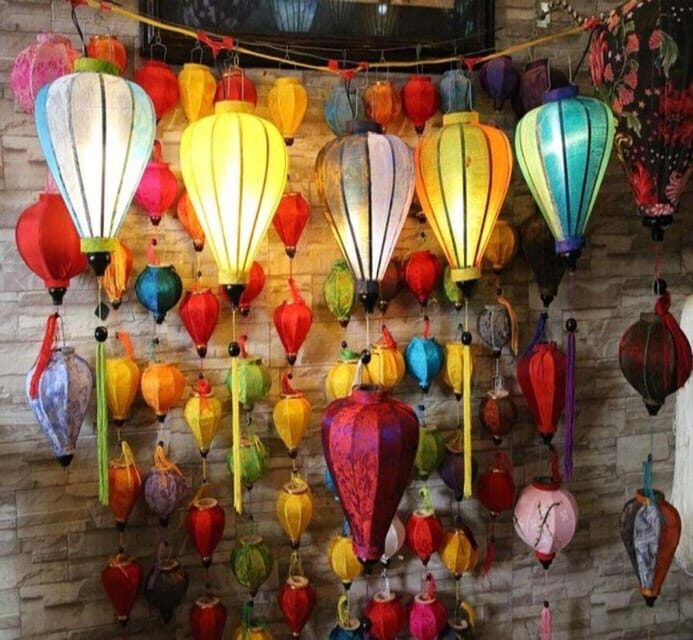
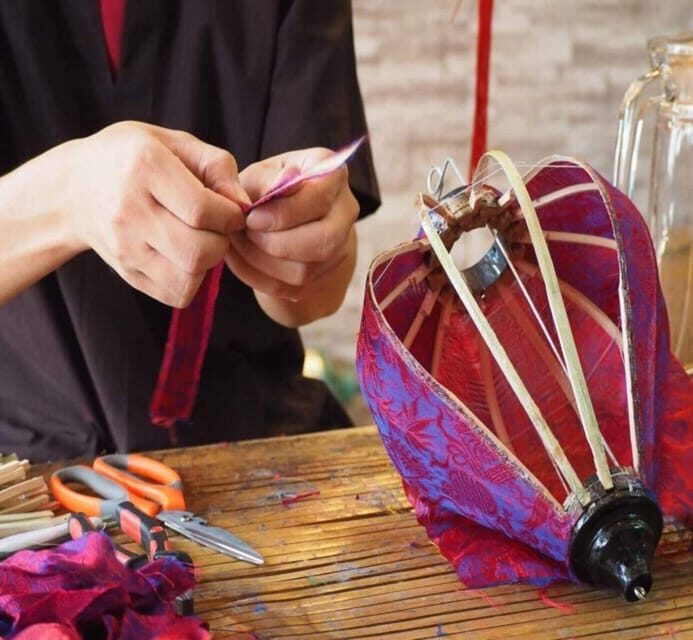
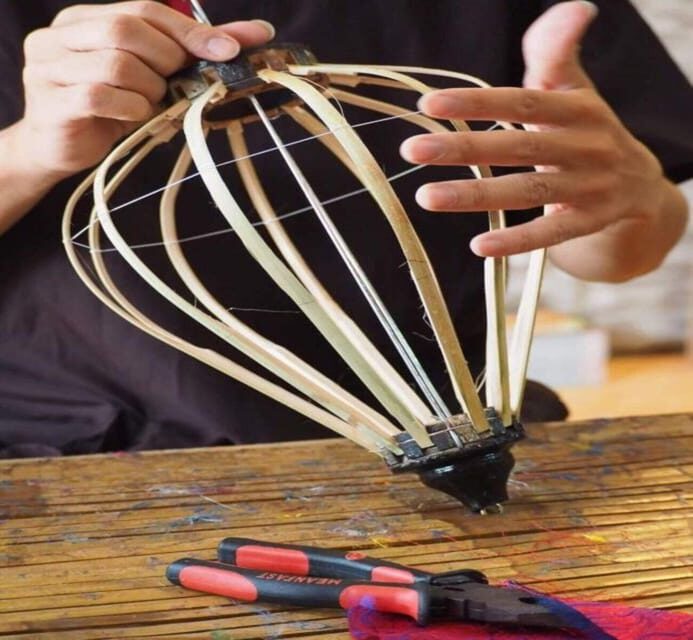
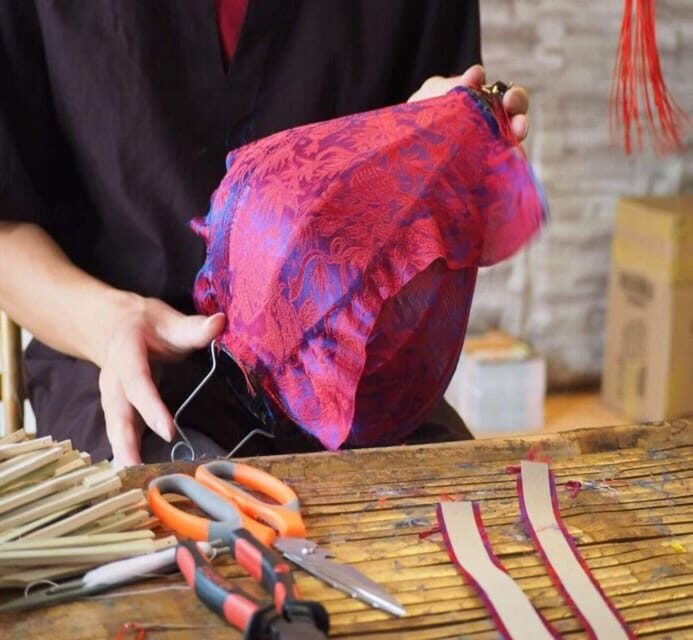
Now for the hands-on payoff. You’ll learn how lanterns became part of Hoi An culture and what makes their look distinct. You get a brief introduction to lantern history, shape, and color, plus the stages of making them.
Then you make your own lantern and keep it as a souvenir. One lantern per person is included, and all required materials and tools are provided. That means you can treat this like a workshop, not a scavenger hunt for crafting supplies.
This part is fun even if you don’t consider yourself “crafty.” The class format is step-by-step, and the education you got earlier helps here too. When you understand stages and materials, you notice the design choices more clearly.
Also, your lantern is a real memory object. It’s easier to transport than heavy fabric purchases, and it turns the whole silk lesson into something visible you can hang later.
Lunch and local flavors: Cao Lau plus a classic snack plate
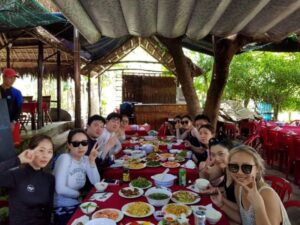
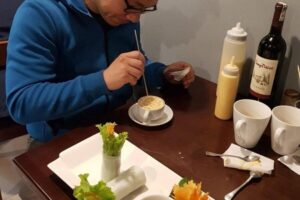
After the crafting and learning, you finish with local food. The meal included includes Cao Lau, deep fried spring rolls, and a fruit plate. There’s also a welcome drink at the beginning.
Food is part of the cultural picture here. Cao Lau isn’t a generic “Vietnamese noodle dish”—it’s tied to Hoi An. Even a short workshop can feel incomplete without a taste of the local signature plate, and this itinerary nails that.
Dietary needs are handled with flexibility. Ingredients can be adapted for vegan, vegetarian, gluten-free preferences, and allergies. If you have allergies, tell your guide ahead of time so the kitchen can plan appropriately.
Price and value: what $22 buys you in real terms
At $22 per person, this workshop is priced in a way that makes sense for what you actually get. It includes the English-speaking guide, entrance fee, a welcome drink, the included meal, one lantern per person, and all materials and tools. It’s not just “watching a show”—you’re learning multiple process stages and making a souvenir.
The pricing can change for Vietnamese public holidays. There’s an extra 50% per person by cash for bookings on those days. If you’re traveling near a holiday, compare your dates carefully. Paying cash extra may still be worth it, but don’t assume the base price stays the same.
Also, hotel pickup and drop-off are not included. That’s the only common cost area you’ll need to cover yourself—getting to the meeting point at Nguyen Tat Thanh Street.
If you’re trying to get value from limited time in Hoi An, this tour is a strong candidate. You get silk education, lantern making, and local lunch in just about 2.5 hours.
Who should book this workshop (and who should skip it)
This experience is ideal if you want hands-on culture without spending a full day. If you like learning how things are made—especially crafts linked to local history—this workshop gives you process detail, not just surface-level photos.
It’s also a good fit for pairs and friend groups because lantern making gives everyone a keepable result. If you enjoy shopping with a purpose, the pure silk vs fake silk lesson helps you make better choices.
Skip it if mobility is a challenge. It’s not suitable for wheelchair users, and the general setup is likely to include uneven walking or areas that don’t work well with limited movement. Also, if you prefer to be fully independent on your sightseeing days, the structured format may feel too guided.
Should you book? My decision checklist
Book it if you want a true craft sequence: mulberry and silkworms, cocoon-to-thread, weaving context, lantern steps, and a local meal. This is the rare short tour where you end with an object you made, not just a story you heard.
Consider skipping if you only want a quick look and you hate structured class time. Also double-check your travel date if it’s a Vietnamese public holiday, since the cash surcharge can affect the total cost.
If you do book, arrive at 28 Nguyen Tat Thanh Street on time and go in ready to learn the differences—especially the pure silk vs fake silk part. That’s the kind of knowledge that pays off later when you’re deciding what to buy in Hoi An.
FAQ
How long is the Hoi An silk and lantern workshop?
The duration is 150 minutes.
Where is the meeting point?
The meeting point is 28 Nguyen Tat Thanh Street, Hoi An, at Hoian Silk Village.
What is included in the price?
Included are an English speaking guide, entrance fee, meal (including Cao Lau, deep fried spring rolls, and fruit plate), welcome drink, one lantern per person, and all required materials and tools.
Does it include hotel pickup or drop-off?
No. Hotel pickup and drop-off are not included.
Can the food be adapted for dietary needs?
Yes. Food ingredients can be adapted depending on vegan, vegetarian, gluten-free preferences, and allergies.
Will I make a lantern and keep it?
Yes. You can make your own lantern and keep it as a souvenir, and one lantern per person is included.
Is the tour suitable for wheelchair users or mobility impairments?
No. It is not suitable for people with mobility impairments or wheelchair users.
How much does it cost, and what about Vietnamese public holidays?
The price is $22 per person, and for Vietnamese public holidays there is an extra 50% per person paid by cash for booking.
Is there an English-speaking guide?
Yes, the tour includes a live English speaking guide.